REVIEW · TROMSO
Aurora Optimum: Best 3-Night Forecast
Book on GetYourGuide →Operated by Tromso Activities · Bookable on GetYourGuide
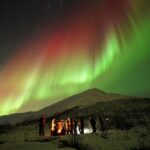
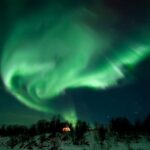
Aurora luck is a strategy, not a guess. This Aurora Optimum night outing in Innlandet County is built around picking the best sky window from your available dates. They don’t just drive around and hope for the best.
Two things I like a lot: the focus on minimizing light pollution (so the aurora has a fair shot) and the fact that you get communication ahead of time about what they’re seeing in the forecast. That takes the stress out of booking a slot “blind.”
One consideration: the tour is only about four hours, so you’ll want to be mentally ready for cold waits, quick decisions, and a night that depends on sky conditions.
In This Review
- Key highlights that matter in real life
- How the Aurora Optimum system really works
- Dark skies and why “the right spot” beats luck
- The 4-hour flow: small group, real conversation, quick comfort
- Before you go: the forecast email and night selection
- On the spot: warm drinks, light snacks, campfire options
- Snow suits, dog Burger, and what you should plan for
- The “high-tech chase” part: how guides use real-time information
- Free photo support: unedited keepsakes you actually get
- Getting dropped off: easier logistics after the cold
- Price and value: is $209 per person fair for this kind of chase?
- Who this fits best (and who should rethink it)
- My booking decision checklist
- Should you book Aurora Optimum?
- FAQ
- Where does the tour meet?
- How long is the Aurora Optimum tour?
- What group size should I expect?
- What’s included for warmth and snacks?
- Is campfire included?
- Do they provide winter gear?
- Will I get photos?
- What if I need to cancel or change plans?
Key highlights that matter in real life
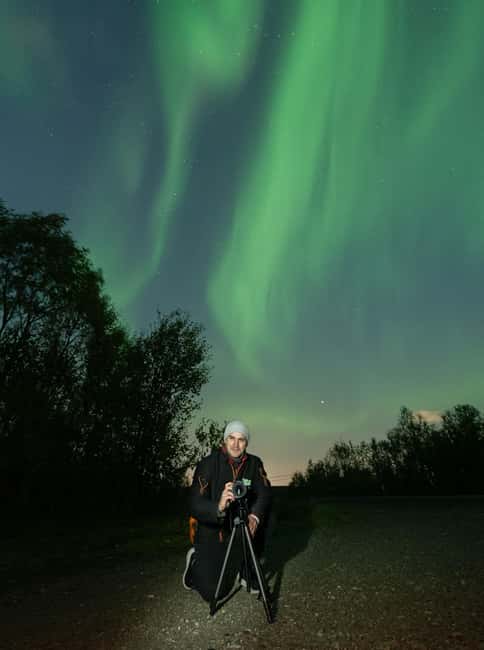
- 3-night forecasting logic: they choose 1 of your best nights and an expected starting hour
- Dark-spot planning: you’ll be steered away from artificial light when possible
- High-tech chase support: weather satellites, radar access, and guide-network communication
- Free keepsake photography: you get unedited photos sent after the tour
- Small-group vibe: limited to 15 participants, with lots of conversation
- Comfort upgrades included: hot chocolate, light snack, and sometimes campfire and snow suits
How the Aurora Optimum system really works
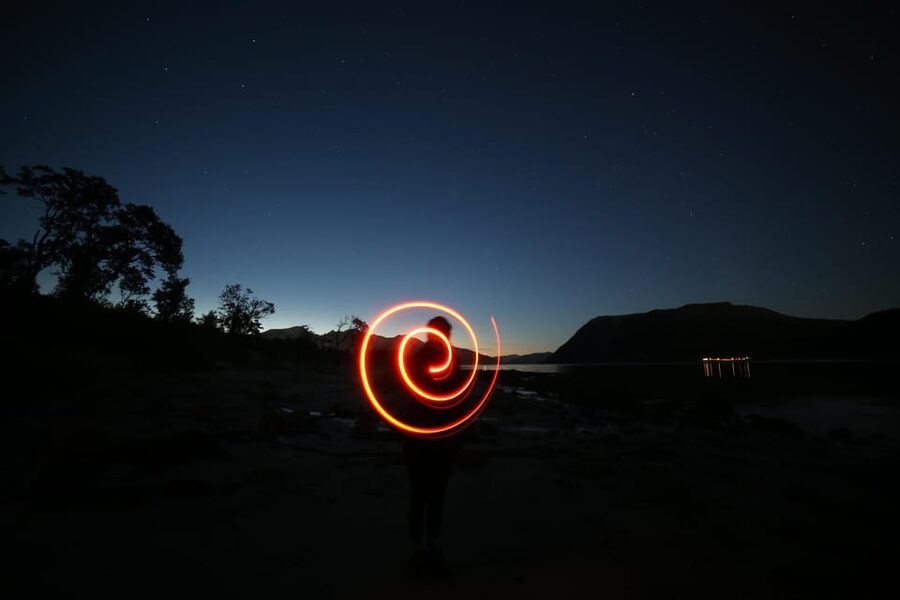
This tour is built for the real problem most people have with Northern Lights tours: you don’t want to pay for a cloudy night, but you also don’t want to miss the chance entirely. The solution here is smart scheduling. You tell them which days you’re free, and they pick the best night option from what they expect to be the strongest sky window.
What makes this approach feel more reliable is the timing. They don’t treat “tonight” as one single roll of the dice. They aim to choose a starting hour that matches how cloud cover and conditions may shift. That matters, because the aurora can be there and still be invisible if the timing lines up with bad weather or the wrong local conditions.
Another point I appreciate is how they frame the experience: you’re not just being transported to a point on a map. You’re being guided through their reasoning so you can understand why that night was selected.
You can also read our reviews of more tours and experiences in Tromso.
Dark skies and why “the right spot” beats luck
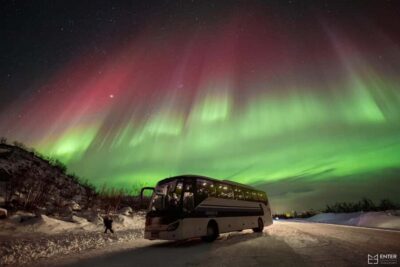
Even on a clear night, light pollution can steal contrast. Aurora glow can look faint, and camera settings start fighting streetlights, building glow, and headlamps. This tour is explicitly designed to minimize artificial light pollution, which means the “where” is part of the product, not an afterthought.
You also get something practical from this mindset: learning where the darkest spots are and how that affects what you’ll see. That’s useful even if you come back for another try later. In other words, you’re not just chasing one night. You’re picking up tools for chasing future nights more effectively.
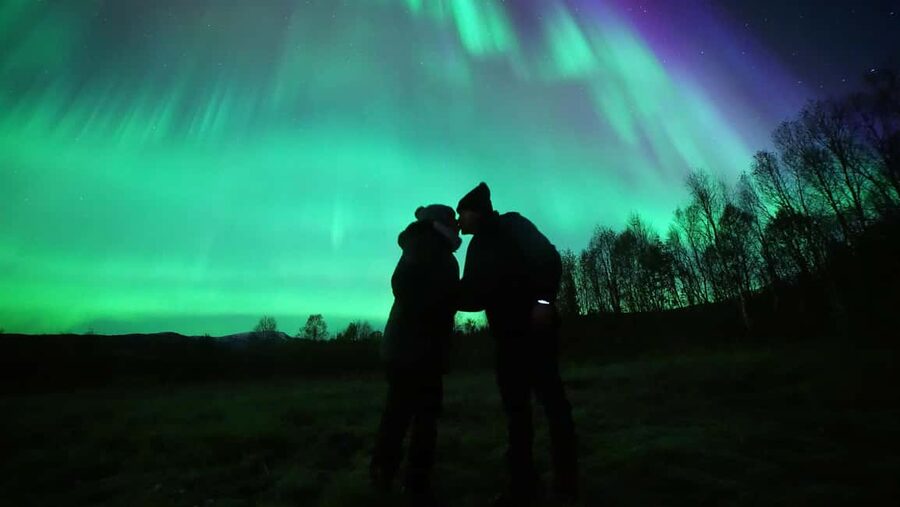
The payoff is simple. When the sky is dark enough, you’ll notice the difference right away. The aurora (when it appears) has room to breathe.
The 4-hour flow: small group, real conversation, quick comfort
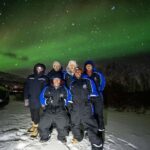
This is a small group tour limited to 15 participants. That size is ideal for aurora nights because it keeps logistics calmer in cold weather and makes it easier for the guide to handle timing decisions.
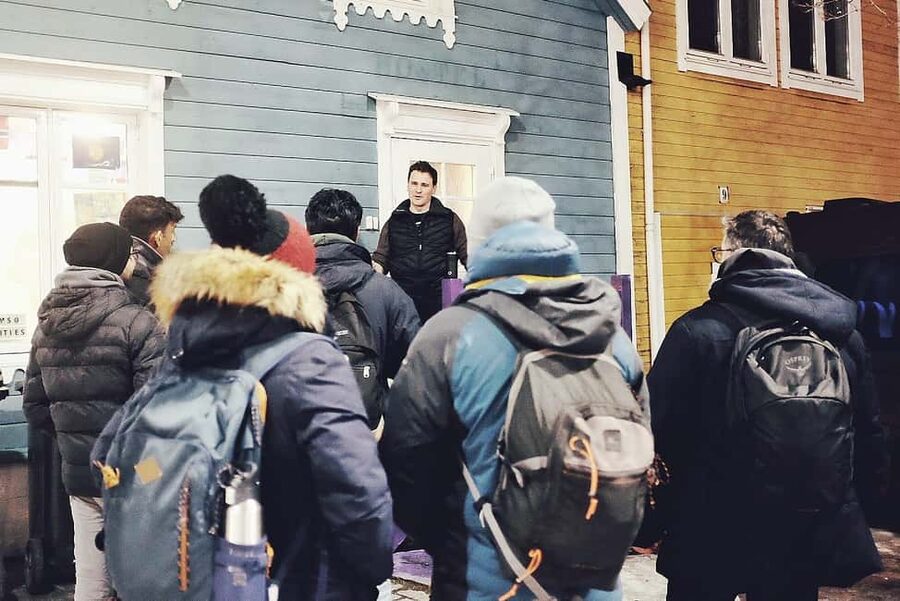
You meet in front of an old blue wooden house that serves as a hostel. From there, the outing is about four hours. That’s long enough to move, reposition if needed, and enjoy a warm moment or two, but short enough to keep fatigue from taking over.
One detail I value: the tour isn’t built like a lecture. The information style is more like a conversation. If you’re the kind of traveler who asks questions and likes learning how locals think about weather and winter routines, you’ll likely have a better time. If you’re the quiet, headphones-only type, you can still do the tour fine, but you might feel it’s more chatty than expected.
Before you go: the forecast email and night selection
The biggest stress-killer here is the advance communication. They’ll email you ahead of time with their reading of upcoming conditions. You’re not just handing your money and hoping. You’re getting a real-world forecast interpretation so you can feel confident about the night selection.
In practical terms, you share your available days, and they decide which day to go out. That removes the mental math of “should I book for this date or that date.” If you’re juggling a Norway itinerary, that’s a big deal.
They also use more than one data source. The tour references weather satellites and radar access, plus communication across a guide network. The point is not that the data is perfect. The point is that they’re not relying on one single forecast guess.
On the spot: warm drinks, light snacks, campfire options
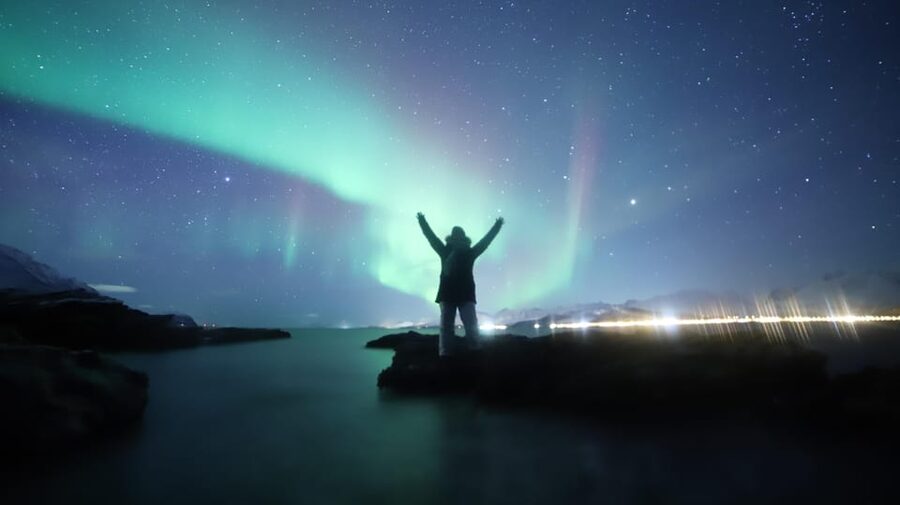
Cold is part of aurora tourism. What matters is how the tour handles it. This one includes hot chocolate and a light snack, which helps you stay functional during waiting time.
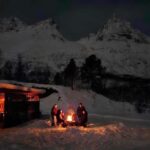
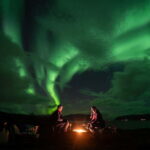
There’s also a campfire if conditions allow. The tour notes it depends on wind or other issues. That’s a sensible rule. A campfire that’s unsafe or unpleasant doesn’t improve the experience. But when it works, it adds a cozy social layer that you don’t get with the typical drive-and-stand model.
What I like most about the included warm items is that they’re not trying to be fancy. They’re practical. You get enough comfort to keep your body working, and you can focus on the sky.
Also, bring good shoes and socks. Cold toes are a mood killer. The tour specifically calls this out, and I agree with the emphasis.
Snow suits, dog Burger, and what you should plan for
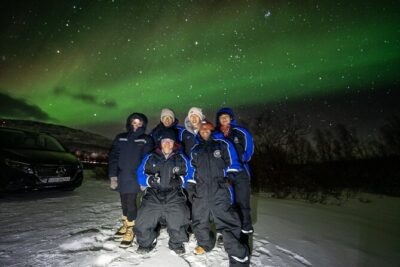
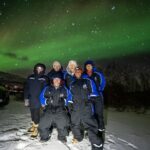
This is one of those tours that gives you options, not just instructions. Snow suits are available in limited supply and come in different sizes in the minibus. If you’re used to packing your own gear for winter, this can be a nice bonus. If you’re not, it may be the difference between enjoying the night and wishing you had planned better.
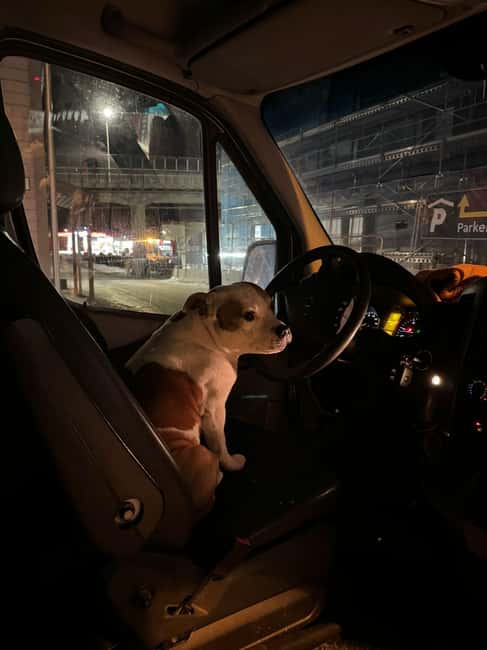
They also sometimes bring their aurora sniffing dog, Burger. If you have dog allergies, tell them ahead of time. That’s important and should be handled before you show up, not after.
One more thing: don’t assume they’ll have every piece of cold-weather comfort covered. Snow suits are limited. So if you know you run cold, pack your own winter layers too.
The “high-tech chase” part: how guides use real-time information
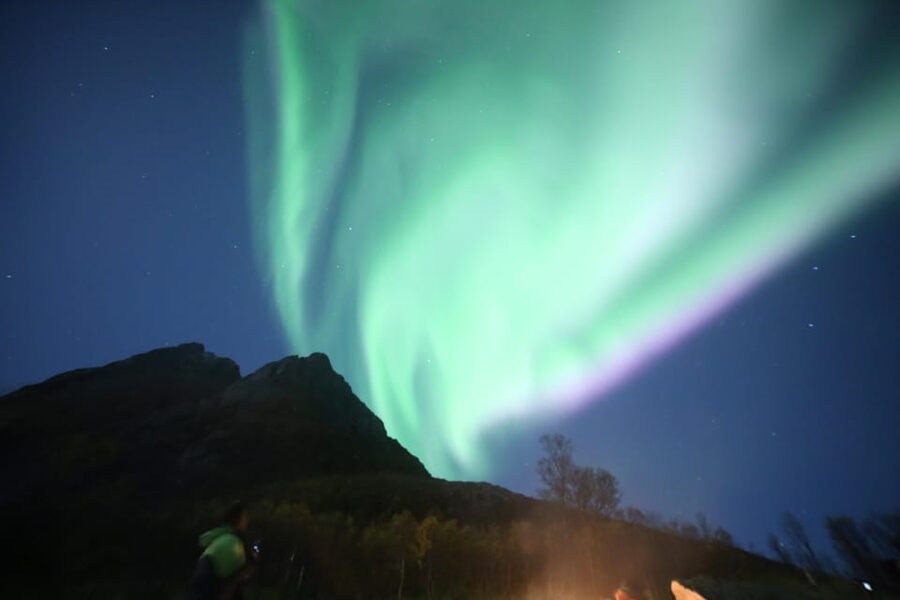
Aurora chasing is not like booking a timed show. Conditions change hour to hour. This tour leans into that reality by treating the night as a moving problem.
They mention weather satellites, radar access, and communication with a guide network. Translation for you: they’re monitoring the sky in a more active way than a simple group departure script. They’re looking for the window where clouds cooperate and the aurora might show up.
This is also where their experience matters. They note more than 10 years of experience. I take that to mean they’ve seen enough nights—good and bad—to build a working method for decision-making. In aurora tourism, that kind of experience shows up as smoother timing and fewer awkward “now what” moments.
The guides also keep you informed. The tour encourages questions and conversation, and that’s not just for fun. When you understand what they’re watching for, you stay engaged even when the aurora is slow.
Free photo support: unedited keepsakes you actually get
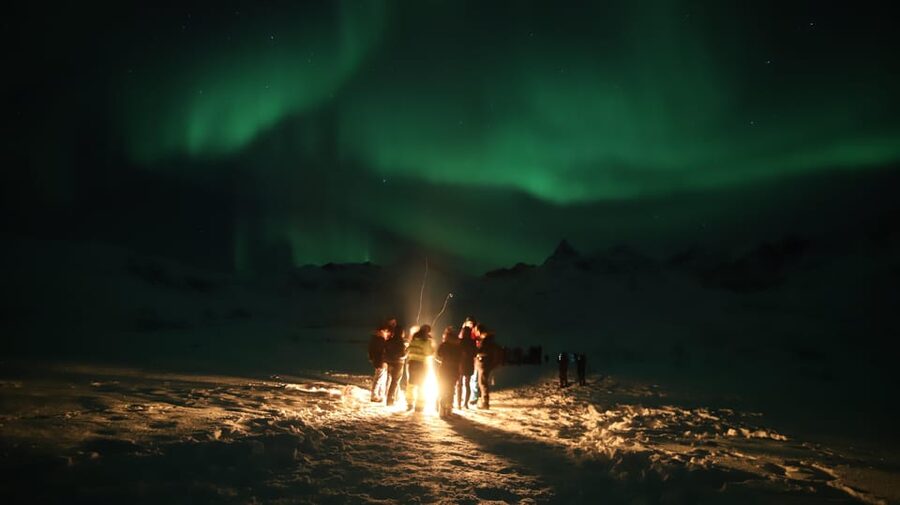
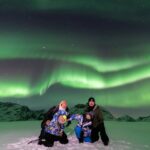
If you care about photos, the free photography is a big plus. You receive free photography, and they send unedited photos after the tour.
This is a value play. A lot of tours try to sell expensive upgrades for basic deliverables. Here, you get real images without having to pay extra for editing access.
One caution: photo editing isn’t included. Also, they don’t send items left behind after the tour, like gloves or hats. That’s a normal policy, but it’s worth remembering because winter gear tends to look similar when you’re bundling up.
Getting dropped off: easier logistics after the cold
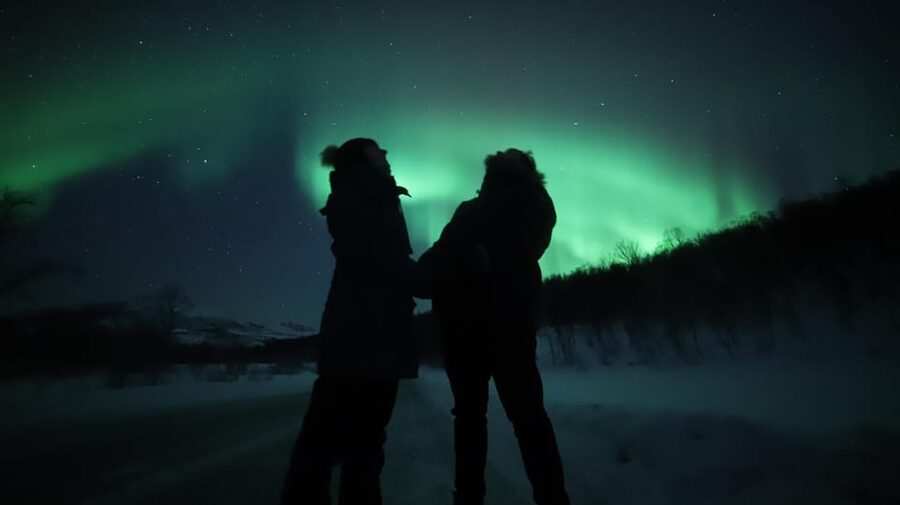
They provide drop-off at your Airbnb or hotel if you’re within city limits. That matters more than it sounds on an aurora night. After four hours in winter air, you’ll want the simplest end-of-tour plan possible.
The tour duration is listed as four hours. So you’re not committing to an all-night adventure. That’s helpful if you have a busy schedule the next day, or if you don’t want to turn your whole trip into “aurora or nothing.”
Price and value: is $209 per person fair for this kind of chase?
At $209 per person for a four-hour outing, this isn’t a bargain-basement deal. The question is what you’re paying for, and the answer is mostly planning and support.
You’re paying for:
- Forecast selection across multiple nights and a chosen starting hour
- Active monitoring using satellites/radar and guide-network communication
- A small group (max 15), which keeps attention and logistics tighter
- Winter comfort extras like hot chocolate, light snack, and possible campfire
- Free photography with unedited photo delivery
If you’ve ever booked a “generic aurora drive” and spent hours in the cold with no clear plan, you know why this pricing can make sense. The core value isn’t the minibus. It’s the decision-making and the way they try to stack the odds.
It also helps that you’re not locked into a single fixed date decision. You provide your available days and they select among them. That flexibility reduces the risk of buying the wrong night.
Who this fits best (and who should rethink it)
This tour suits you if you want structure but not stiffness. If you like the idea of learning how forecasts and sky conditions connect, you’ll appreciate the approach. The guides even emphasize that they consider the tour as much conversation as instruction, so talkative friends are welcome.
It also fits well if you’re traveling with limited time. A four-hour block is easier to fit than an all-night program, and you still get real aurora chasing support.
You might consider another option if:
- You’re extremely sensitive to cold and don’t have your own warm gear (snow suits are limited)
- You have a dog allergy and Burger being on the outing would be an issue
- You expect a quiet, silent experience with minimal guidance and minimal talk
My booking decision checklist
Before you book, here’s what I’d check in your own head.
First, your expectations. This is Aurora Optimum, meaning you’re trying to maximize your odds through forecasting and dark-sky planning, not guaranteeing aurora every time.
Second, your readiness. Bring good shoes and socks. If you have your own winter layers, pack them. Treat snow suits as a helpful extra, not your full plan.
Third, your personality. If you enjoy asking questions and hearing how conditions are read, you’ll get more out of the night.
And finally, your schedule. If you can spare a flexible set of dates, this tour’s selection method becomes a real advantage.
Should you book Aurora Optimum?
Yes, I’d book it if you want a smarter aurora strategy than a fixed-date “drive and wait.” The combination of a 3-night best-window selection, light-pollution thinking, and tech-assisted monitoring is built for people who don’t want to waste a trip on a weak sky night.
Skip it only if you’re not interested in guidance, you’re not prepared for winter waits, or dog presence would be a dealbreaker for you. If you can handle cold and you like learning, this tour feels like a well-run odds-maximizer.
FAQ
Where does the tour meet?
You meet in front of the old blue wooden house which is a hostel.
How long is the Aurora Optimum tour?
The duration is 4 hours.
What group size should I expect?
It’s a small group limited to 15 participants.
What’s included for warmth and snacks?
Hot chocolate and a light snack are included.
Is campfire included?
Campfire is included only if it’s not too windy or otherwise problematic.
Do they provide winter gear?
Snow suits are available in limited supply, with a variety of sizes in the minibus.
Will I get photos?
Yes. Free photography is included, and they send unedited photos after the tour. Photo editing is not included.
What if I need to cancel or change plans?
Free cancellation is available up to 24 hours in advance for a full refund, and there is also a reserve now & pay later option.