REVIEW · TROMSO
From Tromsø: Northern Lights Visit at Camp Tamok
Book on GetYourGuide →Operated by Norwegian Travel · Bookable on GetYourGuide
A dark sky can feel like magic. I love the remote Camp Tamok setting and the Sámi lavvu firelight dinner, because the evening feels like an Arctic experience, not just a quick viewing stop. You take a scenic bus ride out of Tromsø, get geared up for real winter, then spend several hours in the wilderness waiting for the aurora to show.
One important consideration: northern lights aren’t guaranteed. If the sky doesn’t cooperate, you’ll still get a guided walk, stories, and a very cozy warm meal—but it may not turn into an aurora night.
In This Review
- Key things to know before you go
- Tromsø to Camp Tamok: the bus ride that frames the whole night
- Gear up for winter: what you get and what you should bring
- The aurora plan at Camp Tamok: presentation, walks, and waiting outside
- Dinner in the Sámi lavvu: warm stew, open fire, and a calmer kind of magic
- Weather reality check: how to think about the odds of seeing aurora
- Photography help that actually matters in the cold
- What the itinerary feels like hour by hour
- Price and value: is $250 for a 7-hour night worth it?
- Small-group comfort, plus the one kind of risk to note
- Who this tour is best for (and who should skip it)
- Should you book the Northern Lights visit at Camp Tamok?
- FAQ
- Where is the meeting point in Tromsø?
- How long is the tour, and how much time is spent at the camp?
- What does the tour include for staying warm?
- Is northern lights viewing guaranteed?
- Is food included during the evening?
- Do I need to bring a camera and a tripod?
- Is this tour for families with small children?
Key things to know before you go
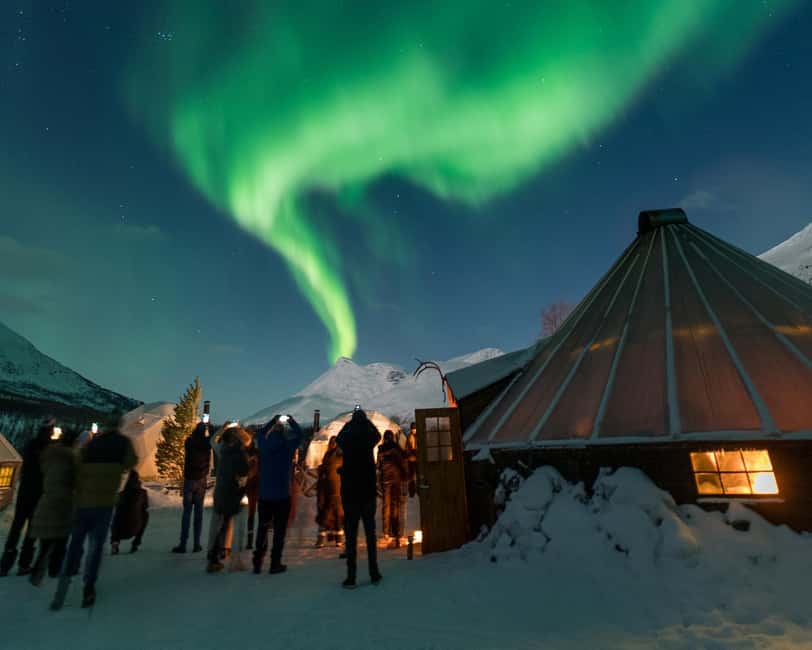
- Remote valley skies at Camp Tamok: you’re sent away from town lights to a quieter, darker viewing area.
- Small group (up to 12): more guide attention and less crowding when you’re outside.
- All the core cold-weather gear included: thermal suit, winter boots, hat, and mittens so you can focus on the night.
- Photography support built in: you get an intro plus help with taking aurora photos with a provided tripod and headlamp.
- Warm meal in a Sámi tent (lávvu): hot stew around an open fire so you don’t just freeze and wait.
- You stay put instead of chasing: you’ll watch the sky from camp, which can be calming, even if conditions aren’t perfect.
Tromsø to Camp Tamok: the bus ride that frames the whole night
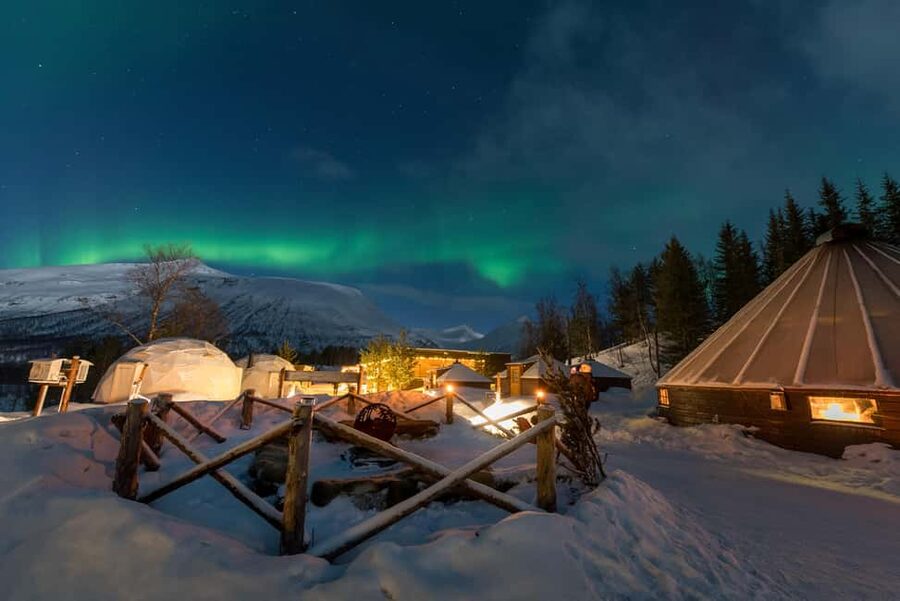
This tour starts in Tromsø, with a meeting point at the main entrance hall of Tromsø Havn Prostneset. Your pickup is straightforward, and then you’re on a bus for about 90 minutes each way (listed as 1.5 hours). That ride matters more than it sounds. In winter, the countryside light fades fast, and you arrive ready for “real night outside,” not just a quick photo stop.
The duration is about 7 hours total, with roughly 4 hours at Camp Tamok. That timing gives you enough evening rhythm: travel out, gear up, view, warm up, then return to town without feeling rushed. If you’re the type who gets cranky when a tour runs late, this one is fairly structured, with viewing time planned around weather.
You’ll also benefit from the small group size—limited to 12 participants—because it helps with pacing. Suit-up, photo gear, and moving outside all go smoother when there aren’t dozens of people to manage.
You can also read our reviews of more tours and experiences in Tromso.
Gear up for winter: what you get and what you should bring
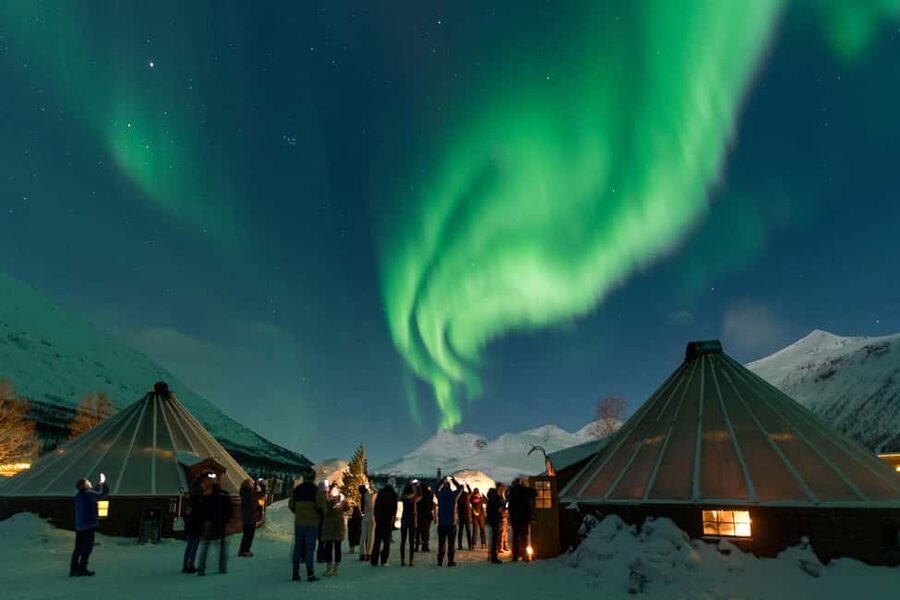
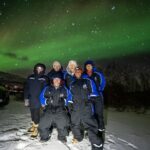
One of the best parts of this experience is the cold-weather kit. You’re provided with a thermal suit, winter boots, mittens, and a hat. You also get a headlamp, which is the kind of practical item you don’t think about until you’re walking in the dark around a camp.
For photo help, the tour includes a tripod. You’re also told to bring your camera and a tripod, so here’s the practical way to handle it: assume you’ll have tripod support, but plan to bring your own camera at minimum (and consider bringing your own tripod if you want to be extra ready). The guide’s goal is to help you take better aurora photos, not just point at the sky.
What to wear goes beyond “warm.” You’ll be outside in winter conditions while you walk near the camp and—if aurora appears—you’ll stay outside to enjoy the full experience. Bring weather-appropriate clothing as instructed, and layer smart. Even with provided gear, you’ll move between heat (lavvu and meal) and cold (night viewing), so you want layers you can manage.
The aurora plan at Camp Tamok: presentation, walks, and waiting outside
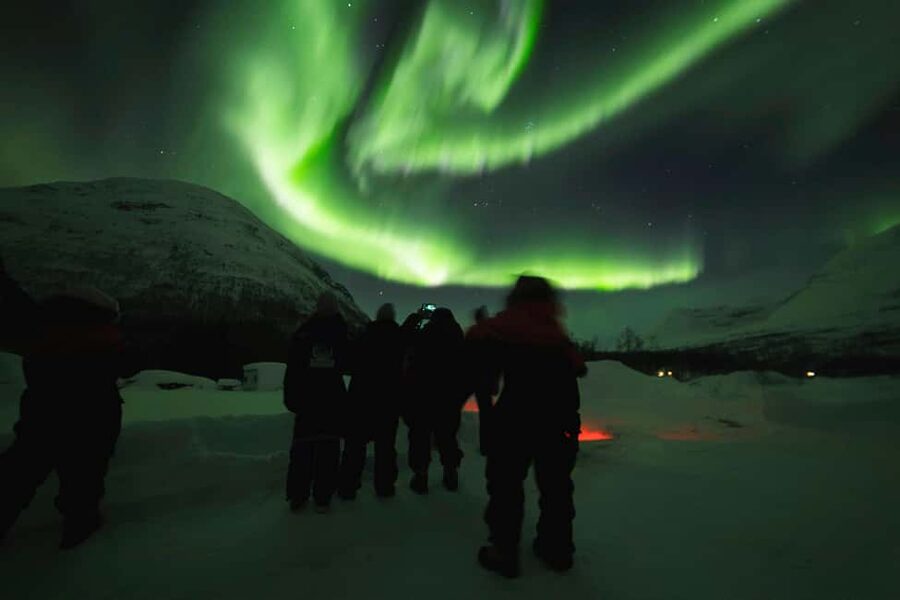
After arriving at Camp Tamok in the remote valley of Tamok, you’ll get welcomed by your guide and assisted with the cold-weather gear. Before you go chasing the sky, there’s a short northern lights presentation. This is where the tour earns its value: you get photography tips and a better sense of what you’re looking for, so the aurora night doesn’t feel like random luck.
Then you shift into the viewing rhythm. Depending on weather, you may take a short walk to nearby viewing spots around the camp. That step is useful, because it increases your chances of finding the most favorable angle for the sky while still keeping you close to the camp and safe in the dark.
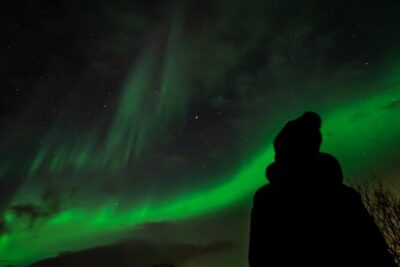
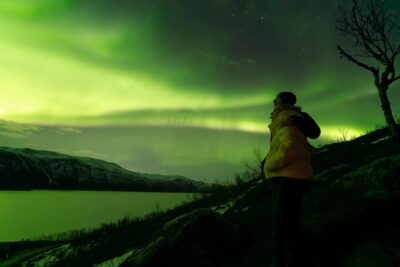
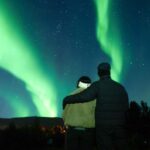
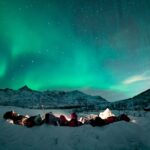
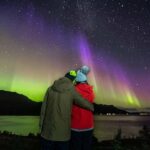
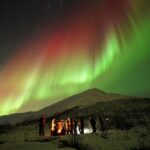
If the aurora appears, the group stays outside. This is a big difference from tours that treat “seeing something” as a quick stop and then rush you back indoors. Here, you’re encouraged to enjoy the moment and take photos while it’s happening. In one night described by a verified booking, guests even saw the Northern Lights during a full moon—an example that shows you can get real results on certain evenings.
You should also know the mindset you’re signing up for: this is about watching from one location. You’re not constantly driving around searching. That’s relaxing, but it also means you’re dependent on local weather and cloud cover over the camp.
Dinner in the Sámi lavvu: warm stew, open fire, and a calmer kind of magic
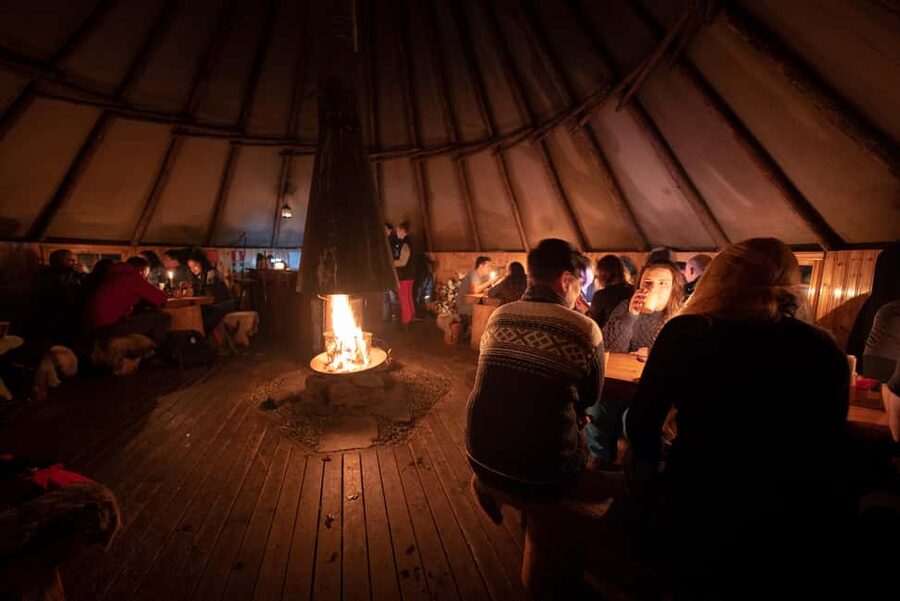
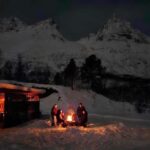
When the sky experience starts feeling cold and your hands stop wanting to cooperate, the tour gives you a payoff. Later in the evening, you warm up with a hot meal served around an open fire inside a traditional Sámi tent (lávvu).
The meal is a warm stew, plus hot drinks like coffee or tea. It’s a simple setup, but it’s exactly what winter tours need: real warmth after time outside. Eating inside a lavvu also adds cultural texture, since the atmosphere is tied to the northern region’s traditions rather than just a generic “cabin dinner.”
This is also when the night becomes social. You’re not only waiting for aurora—you’re sharing time with your small group while the guide keeps the evening moving. In one booking that didn’t include aurora, the night still sounded memorable: walking, sceneries, stories, and sitting by the fire with dinner. That’s a good sign. It means you’re buying more than a single visual event.
Weather reality check: how to think about the odds of seeing aurora
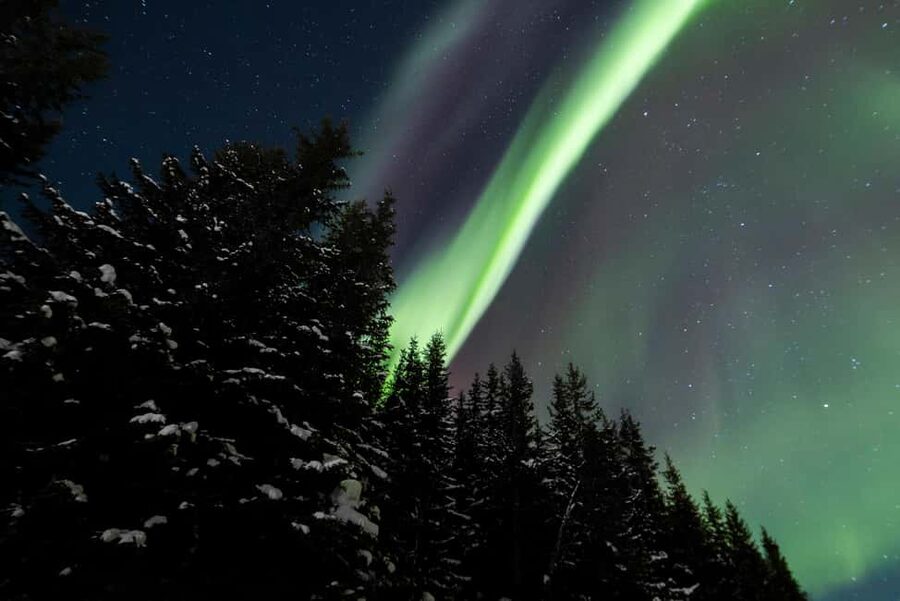
Let’s be honest about the aurora part. The tour clearly states you can’t guarantee if or when the aurora will show, and you can’t guarantee its strength. That’s not just legal language—it’s the nature of the Northern Lights. Clouds, fog, and winter weather can wipe out visibility even when conditions are otherwise favorable.
Camp Tamok is chosen for clear winter skies and aurora viewing, which is exactly what you want: a location optimized for visibility rather than random wandering. But “optimized” still doesn’t mean “certain.”
Here’s a practical way to plan your expectations:
- If the sky clears and aurora activity is happening, you’ll spend time outside and get help taking photos.
- If it doesn’t, you’ll still have a structured evening: gear up, guided presentation, camp walks, then the lavvu dinner and warm-up.
The review record backs up that pattern. Some bookings had aurora, including the full-moon sighting. Other nights were aurora-free but still enjoyable because the camp walk and warm meal made the evening worthwhile.
Photography help that actually matters in the cold
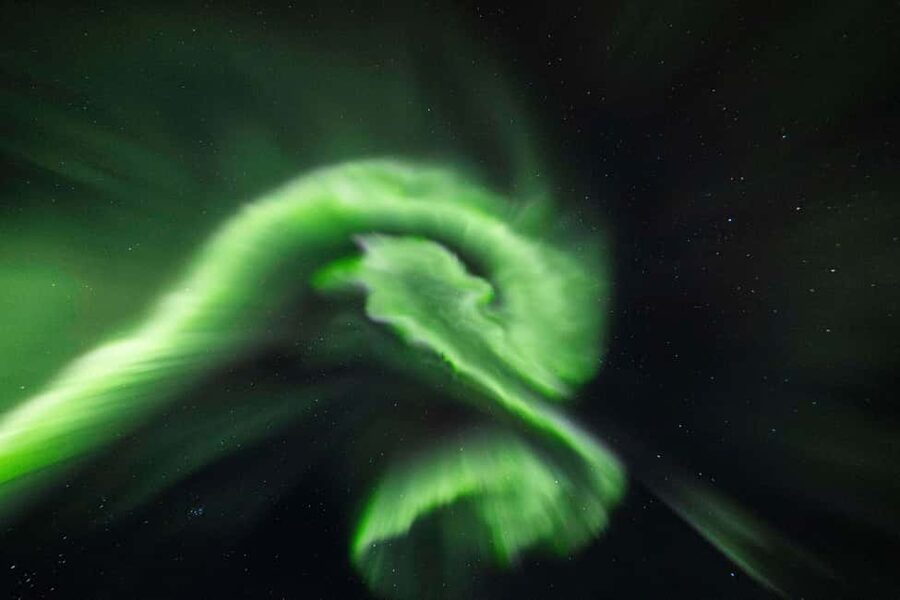
Aurora photography is tricky because the lights are faint, the sky moves, and your hands get tired fast. This tour tries to solve the practical issues up front. You start with a northern lights presentation plus photography tips, then you get a tripod and headlamp for your time outside.
The guide’s job is to help you take photos with less guesswork. That’s the value here: you’re not standing in a dark valley hoping you clicked the right button. You’re given direction, then you can focus on staying warm and keeping your camera steady.
A small practical note from the gear side: because the event happens outdoors in winter, you should expect time spent between heat and cold. Turn on your gear, confirm your settings early, then keep your routine simple while you’re outside. The provided tripod is there to reduce blur and make it easier to compose.
What the itinerary feels like hour by hour
Here’s what your evening schedule is designed to do, without making it feel like a checklist.
First, you leave Tromsø and settle into the scenic ride, about 1.5 hours. This gives you time to meet your group and get ready mentally for the night.
Next comes arrival at Camp Tamok, where you’ll get guided support and thermal gear. You also get the short northern lights presentation and photography tips. That’s the “prep” phase, and it’s useful because it reduces confusion once you’re outside.
Then you shift to viewing. Depending on weather, there’s a short walk to nearby viewing spots. If aurora shows up, you stay outside so you can actually enjoy it and capture photos.
Afterward, you move into warmth—dinner in the lavvu around an open fire. The hot stew and drinks are timed to recharge you before the final return bus ride.
Finally, you’re back in Tromsø about 1.5 hours later, returning to the start point area. That keeps the total experience to one full night without dragging on too long.
Price and value: is $250 for a 7-hour night worth it?
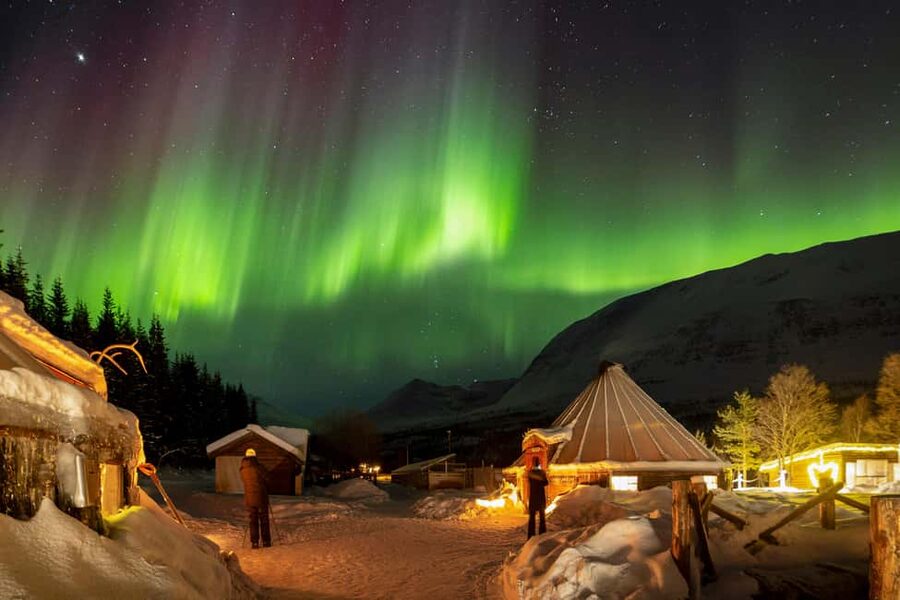
At $250 per person for a 7-hour experience, you’re paying for a real mix of things that would cost you separately: transportation out of Tromsø, guided time, and winter gear. You’re also paying for the setup that makes aurora viewing practical—thermal suits, boots, mittens, hat, plus a provided tripod and headlamp.
Is it “cheap”? No. But aurora tours often aren’t cheap because they involve remote travel and the kit to keep you safe and comfortable in serious cold.
The value improves if you care about more than seeing lights. With this tour, you get:
- guided instruction and photography tips
- a camp walk component
- a warm meal inside a lavvu
And the group stays small (up to 12). In a cold environment, that matters. Fewer people means less chaos when the group is outside and the sky is the priority.
If your only goal is to gamble on aurora visibility and you’re fine with a more basic experience, you might find cheaper options. But if you want a guided, comfortable Arctic evening with real structure, this one is priced like a “complete night,” not just a bus ride with a quick stop.
Small-group comfort, plus the one kind of risk to note
Small groups help, but winter reality can still create moments that need patience. In one verified booking, a guest described losing time during suit changes—feeling separated while getting ready, then taking time to rejoin the group later. That’s not the typical pattern you want, but it’s a reminder: when gear is involved, pay attention to your guide’s instructions and don’t wander off while everyone is transitioning.
There’s also a separate note from a verified booking about guides being partially unsure in the forest. I can’t generalize that to all nights, but it does reinforce that this is a remote wilderness setting. You’re relying on the guide team’s competence and the group’s coordination.
On the positive side, verified bookings also describe friendly, helpful local guides. One booking specifically named Magnus and Alejandro as part of the guiding team, which is a nice touch because it gives the experience a real human face, not just a nameless operator.
Who this tour is best for (and who should skip it)
This is ideal if you:
- want a guided aurora night with photography help
- prefer a structured camp-based experience instead of constant driving
- appreciate warm food and a real winter comfort setup (thermal gear + lavvu dinner)
- like small groups, since it makes it easier to move outside and back
It’s not suitable for children under 4, based on the tour rules. If you’re traveling with very young kids, you should look for age-appropriate alternatives.
If you’re the type who needs guaranteed results, you should think twice. Aurora visibility depends on weather. This tour is more about maximizing your odds from a good location and still delivering a memorable evening even if the sky doesn’t cooperate.
Should you book the Northern Lights visit at Camp Tamok?
I think you should book it if you want an Arctic night that feels complete: gear up properly, learn what to look for, get photo help with a tripod, then warm up in a Sámi lavvu with stew and hot drinks. The small group size and camp-based viewing make the experience feel more intentional than a rushed lights stop.
Skip it if your vacation plan depends entirely on seeing aurora on a specific night and you’re not emotionally flexible about that. No tour can guarantee it, and this one is upfront about the reality.
If you do book, your best move is to arrive ready for winter and follow the guide closely during any gear transitions. Keep expectations realistic, enjoy the camp walk and stories even if the sky is stubborn, and you’ll get the value this tour is built to provide.
FAQ
Where is the meeting point in Tromsø?
You meet inside the main entrance hall of Tromsø Havn Prostneset.
How long is the tour, and how much time is spent at the camp?
The total duration is 7 hours, with about 4 hours at Camp Tamok and about 1.5 hours each way by bus.
What does the tour include for staying warm?
The tour provides a thermal suit, winter boots, mittens, and a hat, plus a headlamp for use outside.
Is northern lights viewing guaranteed?
No. The aurora is a natural phenomenon, and the tour cannot guarantee if or when the lights will appear or how strong they’ll be.
Is food included during the evening?
Yes. You’ll have a hot meal (warm stew) and warm drinks such as coffee or tea.
Do I need to bring a camera and a tripod?
You’re instructed to bring a camera, and you’re also told to bring a tripod. The tour includes a tripod as part of the experience.
Is this tour for families with small children?
It is not suitable for children under 4 years old.