REVIEW · KEMI
Kemi-Tornio: Starguaranteed Northern Lights Auroras
Book on GetYourGuide →Operated by e-Coach · Bookable on GetYourGuide
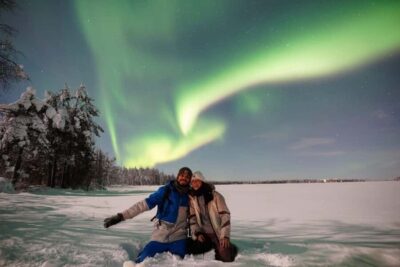
The sky does the talking, but the planning helps. What I like here is Starguaranteed thinking (hunt only when open sky is likely) plus hands-on instruction using aurora hunting apps so you understand what you’re seeing, not just stare at darkness. The tour also adds a local angle with Kemi and Sea Lapland stories, and you might finish the night with photo time built in.
One consideration: auroras are still a natural phenomenon, so sightings cannot be guaranteed—even with their strong success rate and smart forecasting. The good news is they’re set up to chase the odds, not just take you for a scenic drive.
In This Review
- Key things that make this aurora hunt work
- Kemi–Tornio Starguaranteed odds: what “open sky” means
- Hunt vs Chase: the two ways they run the night
- Pickup, timing, and the first hour at the viewpoint
- The Kemi photo stop: short break, better photos
- Aurora hunting lessons: apps, patterns, and what guides actually do
- Sea Lapland and Kemi history: why it isn’t just a sky-tour
- Photo help and practical camera time
- Price and value: why $116 can make sense here
- What to bring (and what to expect in the cold)
- Communication and language: English and Finnish, plus WhatsApp updates
- Weather reality check: setting expectations the right way
- Should you book this Kemi–Tornio aurora hunt?
- FAQ
- Where does the pickup happen for this aurora tour?
- How long is the experience?
- What do you do during the guided part at the aurora station?
- Do you stay in one location or move around?
- Is an aurora sighting guaranteed?
- What does Starguarantee mean here?
- How do cancellations and weather-related refunds work?
- What languages are the guides?
- How will I get updates during the tour?
- What should I bring, and is it accessible?
Key things that make this aurora hunt work
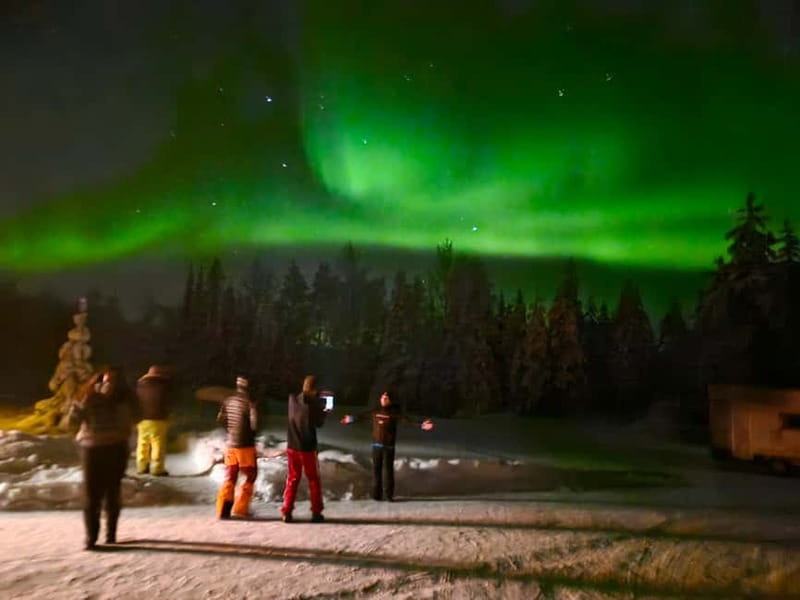
- Starguaranteed approach: they aim for open sky, not clouded “maybe” spots
- Over 90% reported success (2021–2024) for Hunt and Chase nights
- Hunt vs Chase options: scan one station or drive longer if conditions improve
- Aurora app coaching: you learn how guides read predictions and patterns
- Multiple pickup/drop-off options across Kemi, Tornio, and Haparanda-Tornio area
- Photo stops and shooting opportunities built into the night
Kemi–Tornio Starguaranteed odds: what “open sky” means
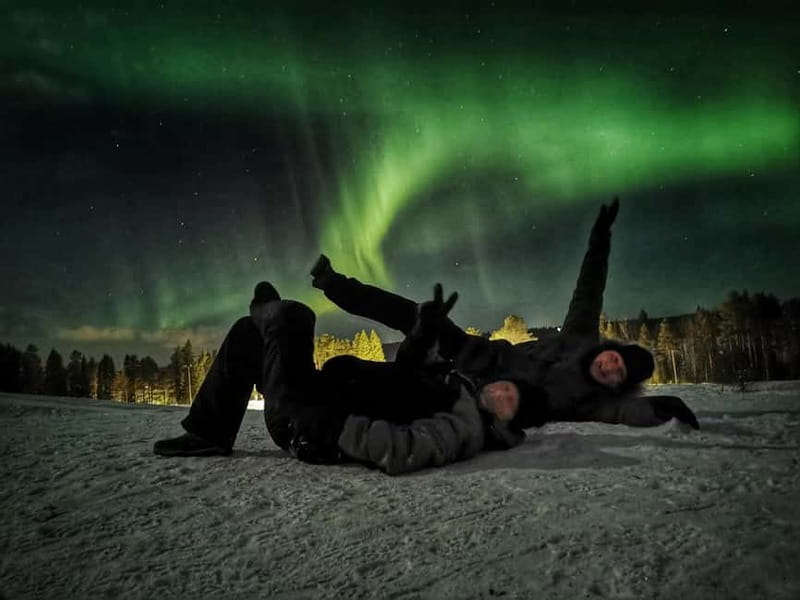
This tour is built around a simple idea: if the sky is likely to be blocked, don’t waste your night. Their Starguaranteed promise is about chasing the chances by choosing locations with enough visibility to make aurora hunting realistic, not just hoping for luck.
They also back it up with operations: they reference 20+ aurora stations and have visual control over Sea Lapland so they can shift where they look. And in 2021–2024, they report catching auroras on over 90% of Hunt and Chase visits. That doesn’t make it a guarantee, but it does explain why this feels more like guided hunting than a bus excursion.
You can also read our reviews of more tours and experiences in Kemi.
Hunt vs Chase: the two ways they run the night
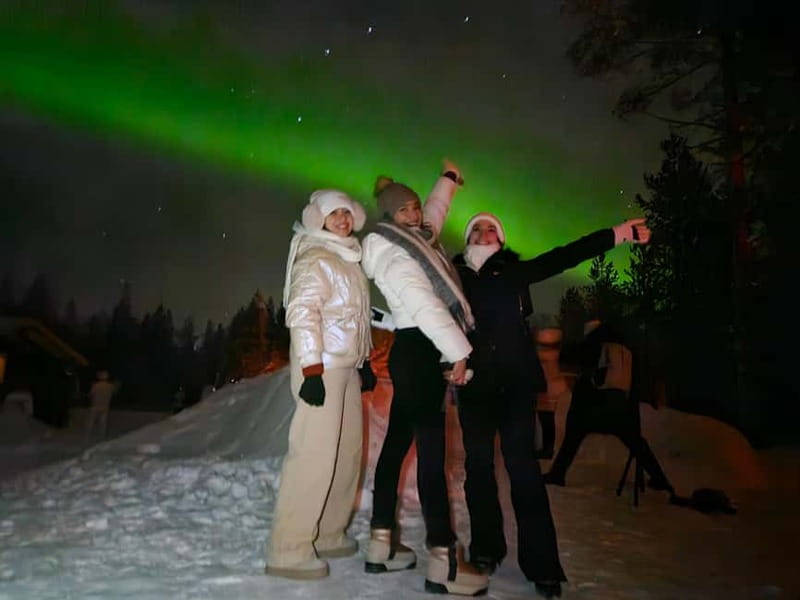
If you’re new to auroras, the biggest value here is learning the difference between scanning and chasing. In their Hunt mode, you stay at a station and focus on watching the sky there, using guidance from your pro to help you interpret what’s happening.
In Chase, they’re more flexible. If there’s still a shot at seeing the lights, they’ll drive to improve your odds and keep you moving through the night rather than cutting early. If you want the experience to feel purposeful—like you’re actively working for results—Chase is usually the more intense option.
You’ll also see their forecasting discipline in how they plan starting times. They fine-tune when to begin based on predicted aurora conditions in the region, and the idea is to maximize the window where lights are most likely to appear.
Pickup, timing, and the first hour at the viewpoint
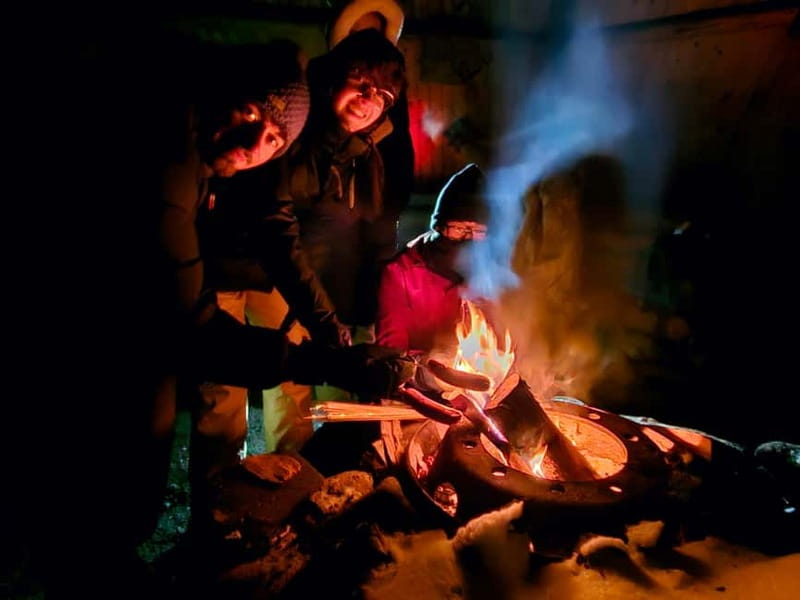
The experience is set up for convenience in the border region. You’ll get pickup from Kemi and the Haparanda-Tornio area (hotel/station zones), and then you’ll ride about 15–30 minutes to a suitable aurora station depending on that night’s conditions.
Once you arrive, you get a guided viewpoint session of about one hour. This is when the guide checks what matters in real time—what the sky is doing right now, including the moon and star visibility—then explains what to watch for as aurora activity changes.
What’s practical about this first hour is that it teaches you “how to see,” not just “what to see.” You’ll learn how to work with the forecast and your eyes together, which is exactly what you need when you’re trying to tell the difference between clouds, haze, and actual aurora movement.
The Kemi photo stop: short break, better photos
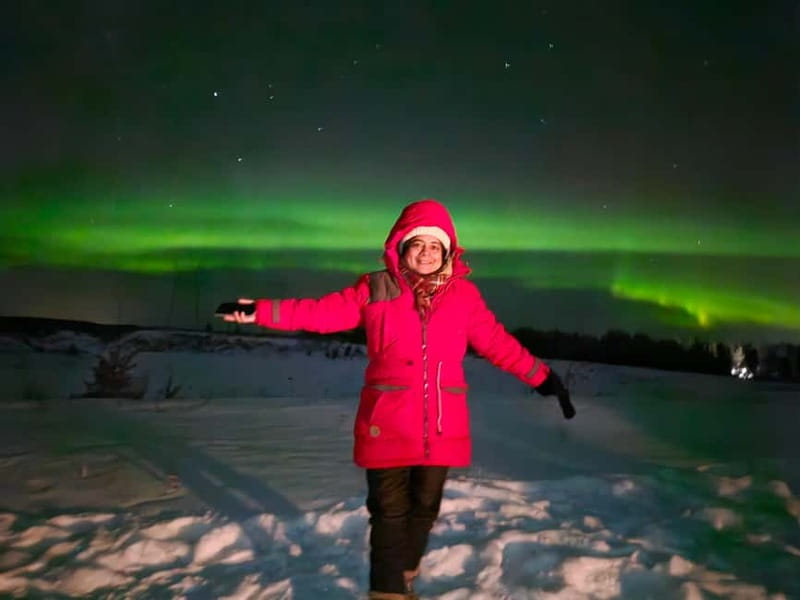
After the viewpoint time, there’s a Kemi photo stop lasting about 30 minutes. This matters because aurora viewing can be mentally exhausting—cold, anticipation, checking your phone—so a dedicated photo window gives you a real moment to focus.
The tour also includes photoshooting possibilities, and that’s more useful than it sounds. Even if your photos end up better than you expected, you’ll still leave with guidance on how auroras typically behave and how to react quickly when the sky shifts.
Also, the border-area night can be visually dramatic even when the lights aren’t strong, so having planned photo time helps you capture more than one kind of Lapland moment.
Aurora hunting lessons: apps, patterns, and what guides actually do
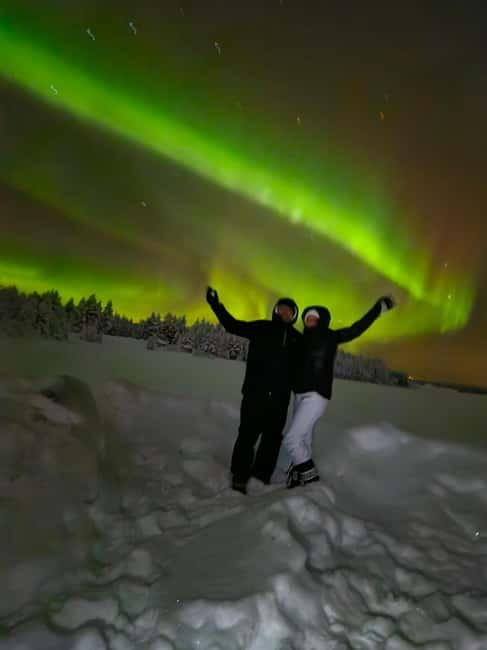
The coaching part is a big reason this tour feels stronger than “stand here and wait.” Your professional guide teaches you the basics of aurora hunting using apps designed for northern regions, which helps you understand what the forecast is telling you and how to decide whether it’s worth waiting longer at a station.
Your guide also uses live conditions to adjust thinking. That means you’re not just trusting numbers; you’re learning to compare what the apps suggest with what the sky shows—especially things like star visibility and cloud cover, since those impact what you can realistically see.
From the guide names that show up in past experiences, you can expect a real teaching vibe. Timo Sipola, for example, is described as friendly and determined, and Marko is noted for explaining apps and techniques. Henrik is mentioned for coordinating when conditions in one place weren’t workable. In other words: you’re hiring someone to manage the night, not just someone to translate.
Sea Lapland and Kemi history: why it isn’t just a sky-tour
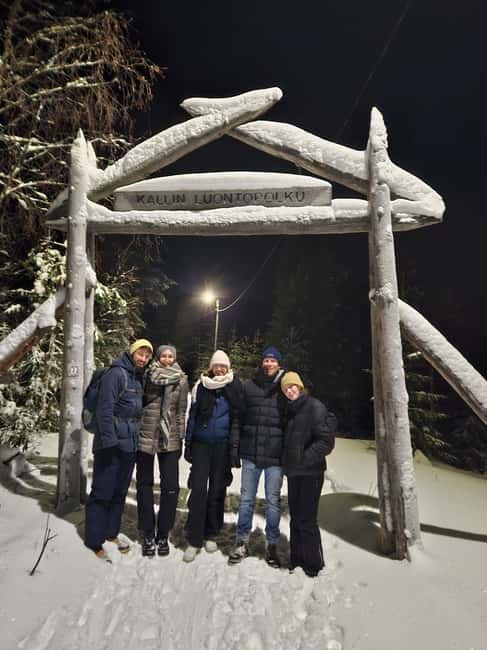
It’s easy for aurora tours to become repetitive: cold bus, dark fields, one spotlight of green. This one tries to add texture with insights into the history of Kemi and the Sea Lapland region as you move through the night.
That local context matters because it turns the trip from pure weather watching into a sense of place. When you understand what you’re standing near and why the region’s weather and coast shape life here, the aurora feels even more connected to where you are.
If you want Lapland to be more than a night photo, this add-on is one of the small things that improves the overall value.
Photo help and practical camera time
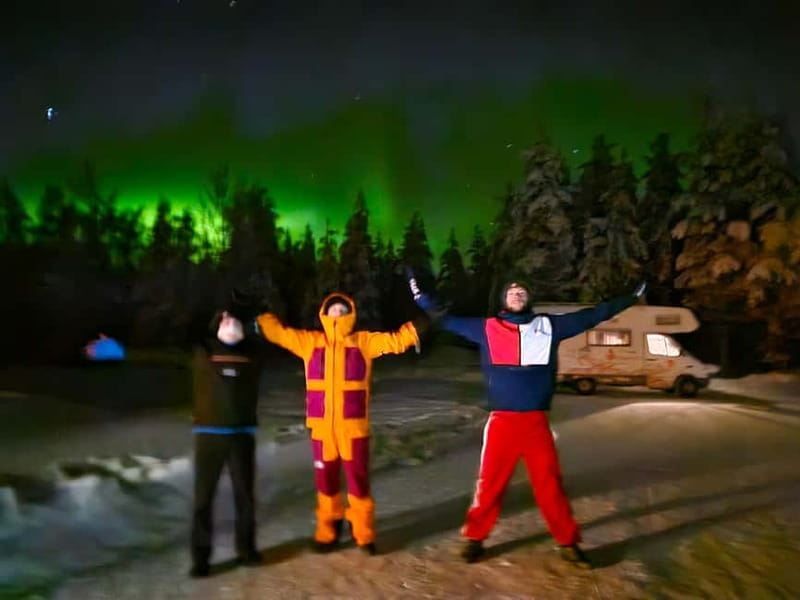
You get photoshooting possibilities during the tour, and the setup gives you a chance to try again even if the first aurora burst isn’t dramatic. In northern skies, timing is everything—auroras can appear, intensify, then fade quickly—so having planned moments to shoot reduces stress.
Some past experiences also mention professional camera support. The only safe way to frame this is that photos are taken seriously here, and you can expect help if you want it, not just a quick tip about settings.
Bring your own camera if you have one, but also don’t ignore your eyes. A lot of the awe is what you feel in real time before the camera even has time to work.
Price and value: why $116 can make sense here
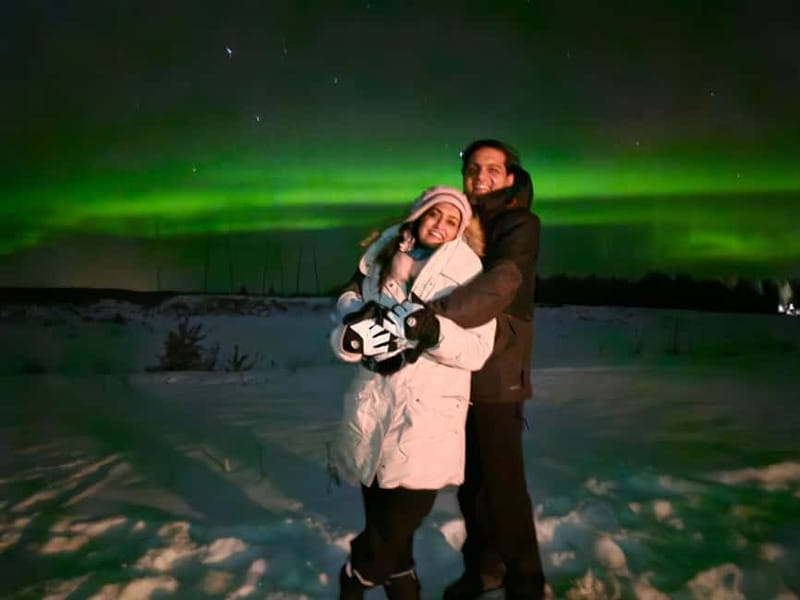
At about $116 per person for a 3–5 hour outing, you’re paying for more than transportation. You’re buying (1) pickup and drop-off, (2) transport to one or multiple spots depending on conditions, (3) professional guiding, and (4) direct instruction on using aurora apps and learning how to hunt.
In Lapland, the expensive part is often time and logistics—finding the right locations and staying flexible when the sky changes. This tour is designed around that reality, with multiple stations and a decision-making approach based on forecasts and current sky checks.
If you’re the type who wants a high chance of seeing the lights and also wants to learn, this pricing can feel fair. If you’re purely chasing the cheapest option and you’re comfortable rolling the dice on weather, then you might find alternatives. But for most first-timers, this setup is value because it reduces wasted nights.
What to bring (and what to expect in the cold)
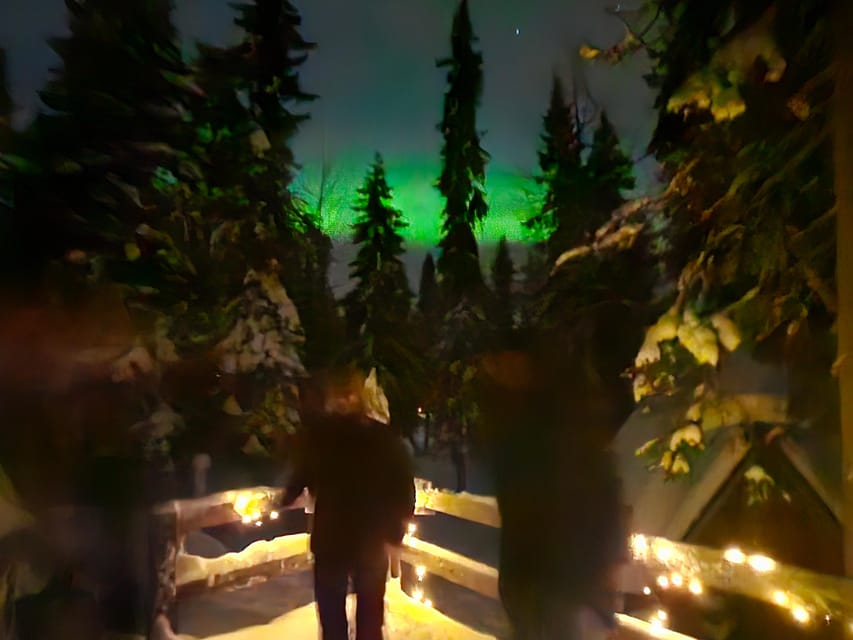
You’ll want warm clothing. That part is non-negotiable. The tour is built around standing outside and checking the sky, so dress for cold that can sit on your face and hands.
Plan for nighttime comfort: warm layers, gloves you can move in, and something that blocks wind. If you’re underdressed, even a great aurora can feel like pain management.
Also, note who it’s not suitable for. It’s not for wheelchair users, and it’s not set up for people over 95 years.
Communication and language: English and Finnish, plus WhatsApp updates
The live guide language is English or Finnish, so you’ll be able to ask questions either way. Communication is handled via WhatsApp for Hunts and Chases, which is a big deal in Lapland because conditions can shift fast.
If you like clarity—knowing what’s happening and why—this communication style helps. You’re not left guessing whether the guide is waiting for something or giving up because the sky is closed.
Weather reality check: setting expectations the right way
Here’s the honest truth: auroras are not guaranteed. That’s why this tour focuses on maximizing chances rather than selling certainty.
They also offer a refund structure tied to conditions: if weather is bad you can cancel with a full refund any time before departure. If it turns into cloud coverage where you can’t even see stars (their term is cloudoras), you get a half refund. So you’re not stuck paying full price for a night that’s essentially erased.
That doesn’t remove the uncertainty, but it does protect you from the worst-case scenario.
Should you book this Kemi–Tornio aurora hunt?
Book it if you want a guided system that prioritizes open sky, teaches you how aurora prediction works, and gives you a real shot at seeing the lights with a reported strong success rate. It’s especially good for first-timers who don’t want to learn aurora hunting by trial and frostbite.
Skip it if you’re looking for a purely casual outing where anything goes. This experience is structured around chasing conditions, so you’ll get the most value if you show up ready for cold, stay focused, and follow the guide’s advice quickly.
If you want, tell me your travel dates and whether you’re considering Hunt or Chase. I can help you choose which option fits your tolerance for late-night cold and your priority: learning vs maximizing time on the chase.
FAQ
Where does the pickup happen for this aurora tour?
You can be picked up from Kemi, Tornio, or Haparanda-Tornio hotel/station areas, depending on which pickup option you choose.
How long is the experience?
The duration is 3–5 hours, depending on availability and starting times.
What do you do during the guided part at the aurora station?
You check the sky together (including moon and star visibility) and the professional guide teaches you the basics of aurora hunting, including how to use aurora apps.
Do you stay in one location or move around?
It depends on the format. The main product is the Hunt, which scans the sky at one aurora station, while the Chase can involve driving to promising spots and continuing longer if chances remain.
Is an aurora sighting guaranteed?
No. Northern Lights sightings are not guaranteed because they’re a natural phenomenon.
What does Starguarantee mean here?
It means they aim to use locations with open enough sky and avoid going to cloudy areas with no realistic chance of seeing the auroras.
How do cancellations and weather-related refunds work?
If weather is bad, you can cancel for a full refund any time before departure. If it becomes cloud coverage where stars are not visible (cloudoras), you receive a half refund.
What languages are the guides?
The tour guide provides live guiding in English and Finnish.
How will I get updates during the tour?
For Hunts and Chases, communication happens via WhatsApp.
What should I bring, and is it accessible?
Bring warm clothing. It is not suitable for wheelchair users and not set up for people over 95 years.