REVIEW · BERLIN
Berlin: Classical concerts in Köpenick Palace – Aurora Hall
Book on GetYourGuide →Operated by Berliner Schlosskonzerte · Bookable on GetYourGuide
Berlin’s palace hall turns music into atmosphere.
If you love classical duets, arias, and keyboard music, this Aurora Hall concert series at Köpenick Palace delivers in a historic room with internationally known performers. I also like that the concerts are short and focused (90 minutes), so it’s easy to fit into a Berlin day without burning your entire evening. One thing to plan for: a recent performance was reported as unusually warm, with no obvious cooling.
What you’re really buying here is a pairing: great music plus a setting that feels made for listening. The hall is your meeting point—Aurora Hall—and each date brings a different theme, from Romantic duets to Mozart and Bach, all performed live by named soloists and chamber-style lineups. The programs are varied enough that you can choose based on composer, not just availability.
Before you go, set expectations the practical way. You’ll be in a formal concert setting with no alcohol and no audio recording, and some content may be in the original language depending on what’s presented that evening.
In This Review
- Key things to know before you pick a date
- Aurora Hall at Köpenick Palace: the sound-and-setting combo
- The 2026 concert calendar: what you’ll hear, and who’s on stage
- Feb 15, 2026: Pure Romance – Romantic Duets
- Mar 8, 2026: Mozart Piano Works Complete Performance 2nd Program
- Mar 22, 2026: Mozart – Songs, Arias, and Duets
- Mar 29, 2026: The Seven Last Words of the Savior on the Cross
- Apr 3, 2026: The Music Book of Frederick the Great
- Apr 4, 2026: Mozart Piano Works Complete Performance 3rd Program
- Apr 5, 2026: Piano magic for 4 hands
- Apr 6, 2026: Classical violin sonatas
- May 1, 2026: Schubert Potpourri
- May 10, 2026: Bach Violin Sonatas 2
- May 17, 2026: Piano music to dream to
- May 31, 2026: Iberian sounds
- Pricing and value: what $33 buys you in Berlin
- How to plan your evening: timing, rules, and comfort
- Who this concert series is best for (and who should skip)
- Should you book Berliner Schlosskonzerte at Aurora Hall?
- FAQ
- Where is the concert held?
- How long is the concert?
- How much does it cost?
- Is museum admission included?
- What rules should I know before attending?
- Is the venue wheelchair accessible?
Key things to know before you pick a date
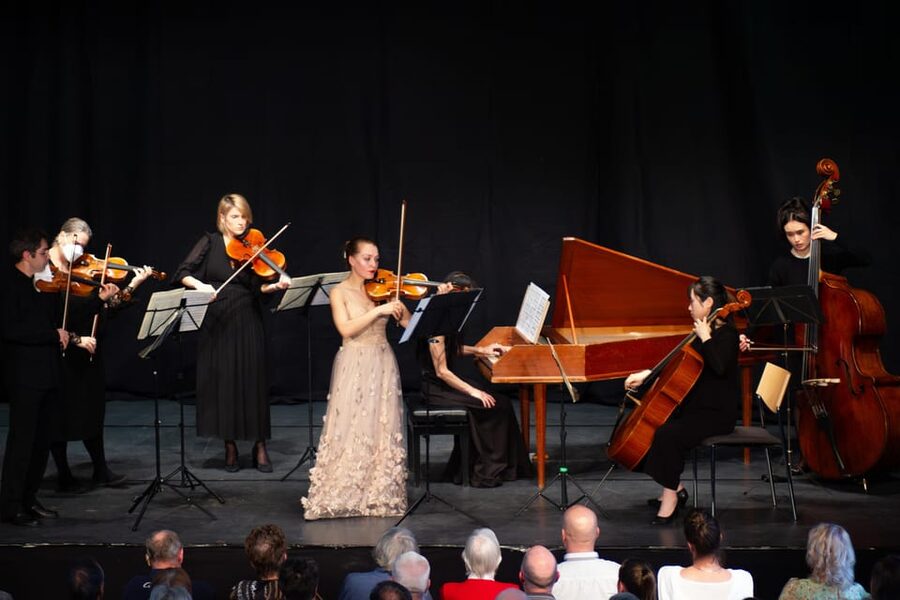
- Aurora Hall is the show: it’s the venue where the sound and the palace atmosphere combine.
- 90 minutes keeps it manageable: long enough for real musical storytelling, short enough for an easy night out.
- Programs change by date: you can pick based on Mozart, Bach, Schubert, or Iberian music rather than one-size-fits-all.
- You get free museum admission: you can turn the concert into a larger palace visit.
- A no-recording, no-alcohol room: the rules help keep the focus on listening.
- Comfort can vary: at least one past concert was reported as very warm—dress accordingly.
Aurora Hall at Köpenick Palace: the sound-and-setting combo
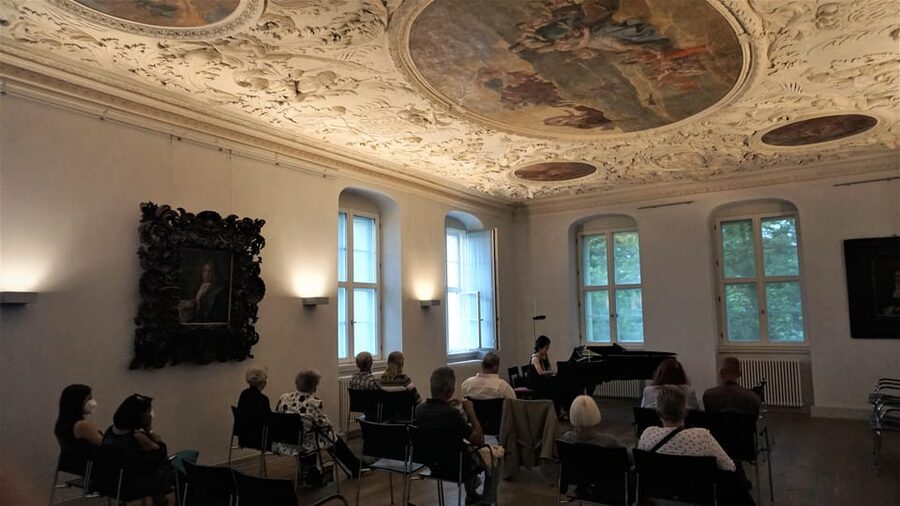
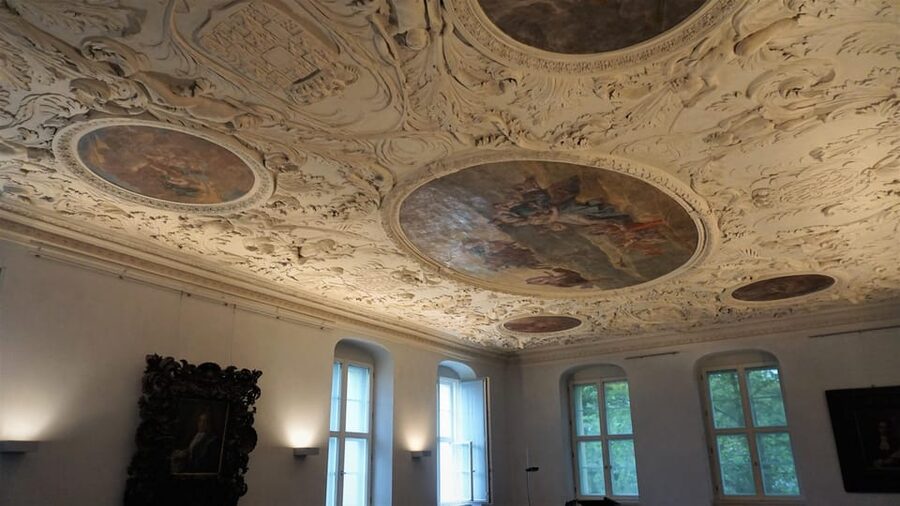
There’s a reason palace concerts pull people in. You’re not just watching musicians; you’re listening in a space that’s built for ceremony—ornate, formal, and made to hold music in place.
I like that this is not one of those “big hall, big chaos” concert formats. The concert duration is 90 minutes, which usually means fewer distractions and a tighter program. For you, that can translate to a more consistent listening experience—less time waiting, more time hearing the performers do their craft.
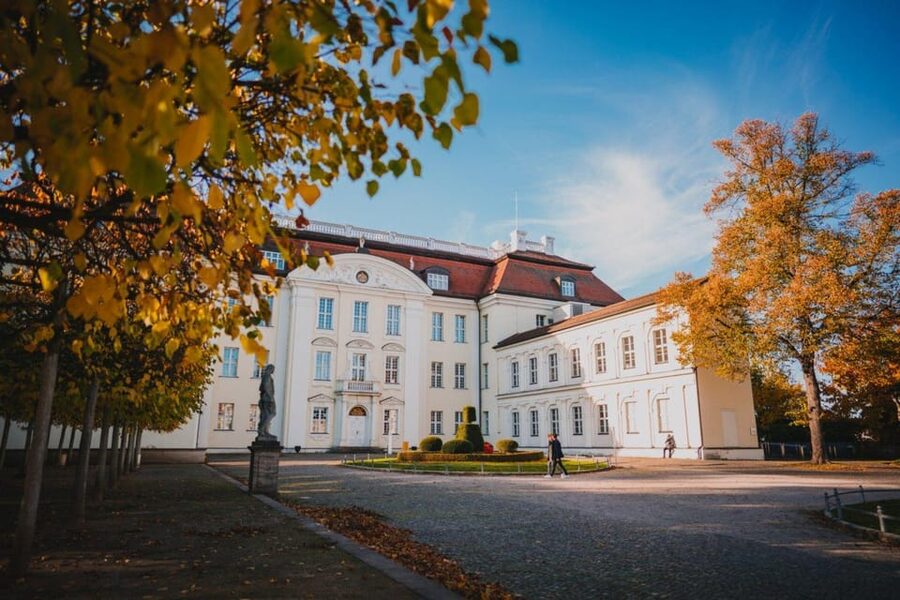
The other major plus is the chance to build a “two-part” outing. Free museum admission is included, so you’re not stuck doing only the concert. You can arrive earlier, take in the palace setting, then settle into the hall with the building already around you. That small extra time changes how the whole evening feels.
One practical consideration: if you’re sensitive to heat, plan with that in mind. A past attendee reported a lack of cooling and excessive warmth. Even if your date feels different, you’re safer going prepared—light layers, a water plan outside the hall rules, and clothing that won’t trap heat.
The 2026 concert calendar: what you’ll hear, and who’s on stage
This series is built on rotating themes. That’s great for you because you can choose based on the music you actually want, not what just happens to be available.
Below is a clear rundown of the scheduled dates and the named performers you’ll hear.
Feb 15, 2026: Pure Romance – Romantic Duets
If your idea of a good concert night is voice-and-piano romance, this is the date. The lineup is soprano Inês Pinto, alto Kristina Naudé, and pianist Beatrice Wehner-Schaller.
Why it’s worth considering: Romantic duets tend to feel intimate and story-driven, and the two different voice ranges (soprano and alto) can create contrast that keeps your attention. It’s also a strong entry point if you’re new to classical concert halls but still want something that feels emotional and memorable.
Mar 8, 2026: Mozart Piano Works Complete Performance 2nd Program
This one is for piano lovers. Pianist Maria-Magdalena Pitu-Jokisch performs Mozart piano works in a complete-performance style for the second program.
What you can expect from the title alone: a structured Mozart focus centered on the piano, with enough material to feel like an actual arc rather than a few highlights. If you enjoy hearing how a composer’s style evolves across works, complete-program programming is a good format.
Mar 22, 2026: Mozart – Songs, Arias, and Duets
Another strong choice for listeners who want voices and variety. Mezzo-soprano Yuri Mizobuchi, baritone Stephen Barchi, and pianist Graham Cox bring together songs, arias, and duets.
Why this date works: Mozart vocal programming often hits a sweet spot—melody-forward, technically crisp, and full of character shifts. You’re not only hearing one voice type, either. The mezzo plus baritone pairing usually gives you a wider emotional range from the same composer.
Mar 29, 2026: The Seven Last Words of the Savior on the Cross
This title signals something heavier and more reflective. Performed by Mozart Ensemble Berlin, the concert focuses on Mozart’s work for this theme.
Why it’s compelling: when an ensemble leans into a serious, contemplative piece, the palace setting can make the mood feel even more “contained.” If you like sacred or emotionally weighty music, this is the date that most clearly aims for that effect.
Apr 3, 2026: The Music Book of Frederick the Great
This program leans into older styles and courtly sounds. Recorder player Susanne Ehrhardt and harpsichordist Yuko Tomeda perform.
Here’s why it’s a smart pick: recorders and harpsichord bring a color you don’t get from modern orchestral concerts. You’ll likely hear crisp articulation and a lighter, more transparent sound world—great if you want something that feels different from standard violin-and-piano evenings.
Apr 4, 2026: Mozart Piano Works Complete Performance 3rd Program
Back to Mozart on the keyboard, again with complete-performance programming style. Pianist Naoko Fukumoto plays the third program.
If you saw (or plan to see) Apr 3 and want a different sound: this flips from historical-instrument textures to full piano focus. It’s a convenient way to “map” Mozart through different performance choices across the series.
Apr 5, 2026: Piano magic for 4 hands
Two pianists take the stage: Naoko Fukumoto and Maria-Magdalena Pitu-Jokisch.
What makes this fun: four hands at one piano often feels playful, even when the music is serious. The coordination is part of the thrill, and it’s a format that can bring out rhythmic sparkle and close musical conversation.
Apr 6, 2026: Classical violin sonatas
Violinist Annegret Pieske and pianist Victoria Litsoukova tackle the classical violin sonata repertoire.
Why it’s a good Berlin evening choice: violin sonatas balance lyrical singing lines with structural clarity. If you like listening for musical “dialogue” between violin and piano, this is usually one of the best formats to train your ear.
May 1, 2026: Schubert Potpourri
Baritone Stephen Barchi and pianist Maria-Magdalena Pitu-Jokisch present a Schubert-themed program.
The title tells you the vibe: potpourri style usually means a curated mix rather than one single large work. That’s excellent if you want variety in one sitting—melody, mood changes, and multiple moods of Schubert without committing to a single long arc.
May 10, 2026: Bach Violin Sonatas 2
Bach on violin again, this time focused on violin sonatas with violinist Marianne Boettcher and harpsichordist Yuko Tomeda.
What to listen for: Bach often rewards close hearing of patterns—counterpoint, line-to-line interaction, and rhythm clarity. Adding harpsichord can make the articulation feel crisp and historically grounded.
May 17, 2026: Piano music to dream to
This is a mood-based title. Pianist Maria-Magdalena Pitu-Jokisch performs.
If you’re picking a date for a low-stress evening: dream-to piano programming typically means you’ll get softer dynamics, lyrical phrasing, and a “slow down” feeling. It’s a good companion to a day of walking, museum time, and general Berlin wandering.
May 31, 2026: Iberian sounds
A cross-cultural flavor ends the spring schedule. Soprano Inês Pinto and guitarist Márcio Silva perform.
Why you might love it: Iberian-themed programs often bring bright rhythmic energy plus distinctive melodies. Pairing soprano with guitar can create a special intimacy—more personal than a large orchestral sound, and often very watchable in terms of phrasing and dynamics.
Pricing and value: what $33 buys you in Berlin
At $33 per person for a 90-minute concert, the value is the main story. In Berlin, classical evenings can range widely in price, and the key difference is often whether the setting and performer caliber actually match the ticket cost.
Here, you get two value boosts at once: the concert itself and free museum admission tied to the same palace visit. That turns your ticket into a fuller experience rather than a single-room event.
Also, the 90-minute length matters. You’re not paying for a long night you’ll be mentally exhausted through. For many people, a focused program is the sweet spot: enough time to feel satisfied, short enough to keep energy for other Berlin plans.
How to plan your evening: timing, rules, and comfort
Meeting point is Aurora Hall, so think of the palace as your “arrival anchor.” Since free museum admission is included, I’d plan to arrive early enough to look around before you sit in the hall. Even 20–40 minutes of wandering can help the building feel less like a backdrop and more like part of the evening.
Then dress with the hall in mind. One report described excessive warmth due to lack of cooling. You don’t need a formal outfit, but you do want to be comfortable if the room runs hot. Choose layers you can manage quickly.
Keep the rules in mind too. Audio recording isn’t allowed, and alcohol and drugs are not permitted. Those restrictions are pretty standard for classical listening, but they matter: no one is there to capture clips, so people tend to focus more on hearing the performance.
If you’re planning around music-language details, note that some content is shown in its original language. That’s not automatically a problem—music communicates even when you don’t follow every word—but it helps to know in advance so you’re not caught off guard.
Who this concert series is best for (and who should skip)
This is ideal if you want a classical evening that feels personal rather than huge. The lineup of named singers and specialists—like pianist Maria-Magdalena Pitu-Jokisch, mezzo Yuri Mizobuchi, recorder and baroque-style performers—signals that you’ll get real artistry, not generic background music.
Pick this series if you:
- enjoy vocal music as well as instruments (there are Mozart singing programs and violin sonatas)
- want a palace setting without committing to a multi-hour event
- like choosing by composer or mood (Romantic duets, Schubert potpourri, Iberian sounds)
You might skip it if:
- you strongly dislike warm indoor rooms (plan for heat just in case)
- you need guaranteed back-to-back scheduling certainty and cannot tolerate any hiccup on the day
That last point matters because one past booking was reported as not taking place, with no response at the time. That doesn’t mean every date has issues, but it’s a reminder to double-check your confirmation details and keep some flexibility when possible.
Should you book Berliner Schlosskonzerte at Aurora Hall?
I’d book this if you want a classic Berlin concert night that’s easy to fit into your schedule and feels tied to a real location, not a random venue. The combination of 90 minutes, the historic Aurora Hall setting, and free museum admission is a strong value mix for the price.
If you’re choosing between dates, think like this: go for the music you actually crave. Want something romantic and accessible? Feb 15. Prefer vocal variety? Mar 22 or Feb 15. If you want special sound colors with early instruments or harpsichord textures? Apr 3 and May 10 are the standouts on the calendar.
If you’re heat-sensitive or very concerned about day-of reliability, pick your date carefully and plan with flexibility. Then go in ready to listen. In this kind of room, the music lands with more weight than you expect.
FAQ
Where is the concert held?
It takes place in Aurora Hall at Köpenick Palace in Berlin.
How long is the concert?
Each program is scheduled for 90 minutes.
How much does it cost?
The price is listed as $33 per person.
Is museum admission included?
Yes. Free museum admission is included.
What rules should I know before attending?
Alcohol and drugs are not allowed, and audio recording is not allowed.
Is the venue wheelchair accessible?
Yes, the activity is wheelchair accessible.