REVIEW · WHITEHORSE
Discover Whitehorse with Northern Lights and Yukon Wildlife Tour
Book on Viator →Operated by Arctic Range Adventure · Bookable on Viator
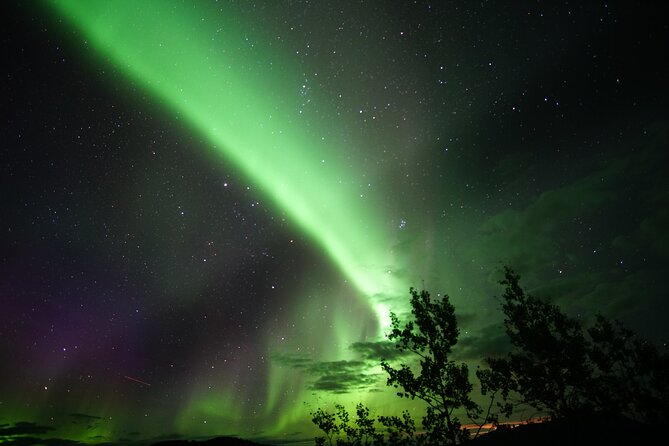
Aurora lights are the main event. This Whitehorse trip also gives you real daytime value with a city introduction and a hands-on wildlife preserve visit, then follows up with not one but three organized Northern Lights outings. I like the way the plan uses a home base and repeat chances, so you’re not stuck chasing the sky with no structure.
Two big wins for me: AuroraCentre viewing with time to warm up between sky-watching, and close, natural-setting encounters at the Yukon Wildlife Preserve with large mammals like moose, bison, and musk-ox. One consideration: the tour can’t guarantee clear skies or aurora activity, and there’s no refund or rebooking if it’s cloudy, rainy, snowy, or if aurora activity doesn’t show.
In This Review
- Key things to know before you go
- Whitehorse in four days: history, wildlife, then the aurora plan
- Day 1: arriving with an easy city landing
- Day 2: Whitehorse city tour stops you’ll actually notice
- SS Klondike National Historic Site
- Old Log Church
- Log Cabin Skyscraper
- Main Street strolling
- Day 2 evening: Yukon Wildlife Preserve for close big-mammal viewing
- Northern Lights at AuroraCentre: how the schedule helps you catch the glow
- Why AuroraCentre helps
- Camera tips on-site
- Day 3: optional daylight plus a second aurora shot
- Day 4: airport transfer and a smooth exit
- Hotels, transfers, and the value of the package price
- Who will feel the best value
- Weather reality: what the tour can do, and what it can’t
- Group size and the guide factor
- Who this tour suits best (and who might want a different plan)
- Should you book Discover Whitehorse with Northern Lights and Yukon Wildlife Tour?
- FAQ
- How long is the tour?
- How many nights are included?
- What’s included in the price?
- Are meals included?
- Where do you get picked up for the tour?
- Is there a city tour included?
- What wildlife can you see at the preserve?
- What happens if it’s cloudy or there’s no aurora?
Key things to know before you go
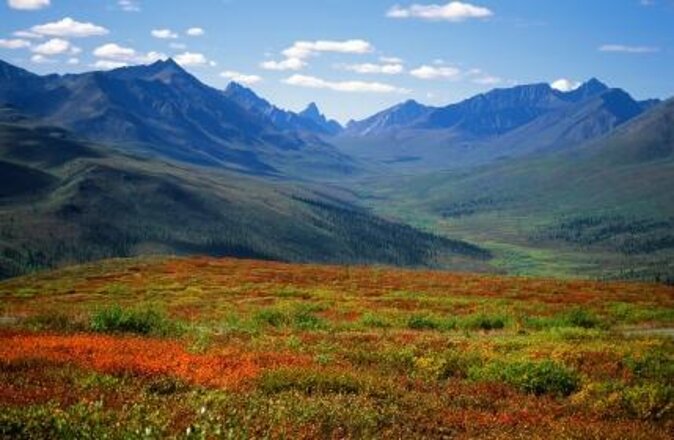
- Three aurora viewing evenings: built-in repetition instead of a single shot at the sky
- AuroraCentre warming breaks: you can get inside to warm up and still keep viewing time outdoors
- Small group size (max 20): easier questions, more practical guidance
- Whitehorse in daylight: SS Klondike, Old Log Church, and the Log Cabin Skyscraper on a guided loop
- Big-mammal focus: elk, moose, caribou, Dall’s sheep, goats, bison, and musk-ox
- Meals not included: plan on covering your own breakfasts and dinners in Whitehorse
Whitehorse in four days: history, wildlife, then the aurora plan
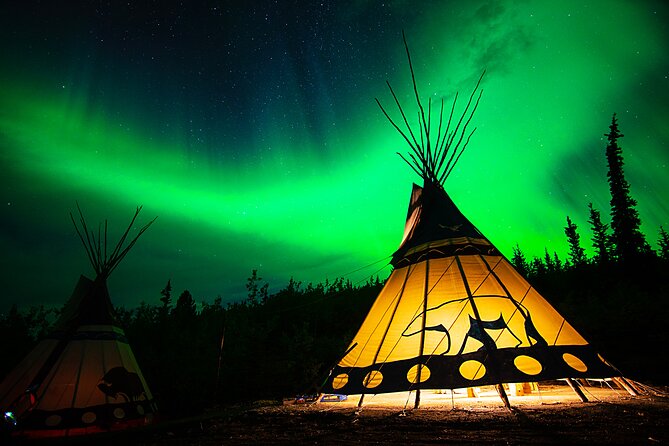
Whitehorse is a good place to start if you want the Yukon experience without sprinting from one stop to the next. This tour keeps you based in the city for three nights and then layers in the big themes: local heritage, Yukon wildlife, and structured aurora time.
What you’re really buying here is time plus guidance. Aurora watching gets better when you have someone who knows the routine, the viewing area, and how to help with camera settings. You also avoid the classic problem of planning the logistics yourself when you’d rather focus on the sky.
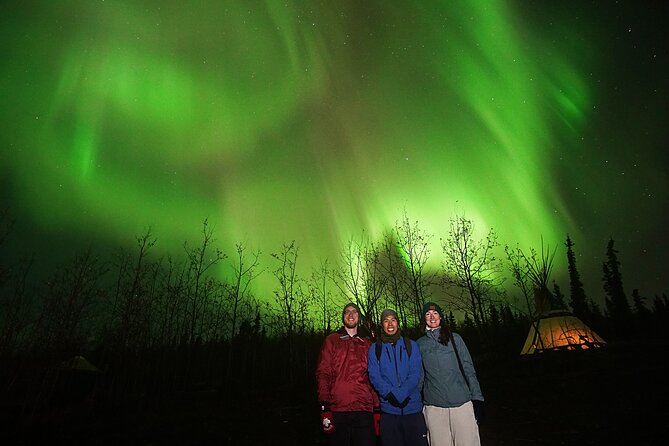
And yes, it’s cold at night. The good part is that your evenings aren’t just “stand outside and hope.” The tour routes you to AuroraCentre twice on Day 3 and Day 2, with an additional aurora outing as part of the schedule—so you get multiple windows to try.
You can also read our reviews of more tours and experiences in Whitehorse.
Day 1: arriving with an easy city landing
Your first step is simple: an airport transfer into Whitehorse, with a hotel stay in the city center. The tour meets you at the airport arrival area before baggage claim, with the guide holding a sign for Arctic Range Adventure.
That matters more than it sounds. After flights (and winter connections can be a lot), you’ll appreciate that you’re not figuring out pickup times and routes late in the day. Once you’re settled, Whitehorse is walkable for an easy start, especially around Main Street.
No meals are included, so Day 1 is a good time to grab something casual nearby. Since the tour includes the city tour on the next day, you’re not losing time to unnecessary early activities.
Day 2: Whitehorse city tour stops you’ll actually notice
Day 2 starts with a welcome and city tour, and it’s designed to help you understand Whitehorse rather than just tick off a few landmarks. The route includes several of the most distinctive local sites, each with a clear Yukon connection.
SS Klondike National Historic Site
You’ll visit the SS Klondike National Historic Site, a paddle wheeler that served the Yukon River system until the 1950s. This is one of those places where the history feels physical—you can see why river travel shaped everything from shipping to settlement patterns.
Old Log Church
Next up is the Old Log Church, described as the oldest building in Whitehorse. Even if you don’t go deep into architecture, it gives you a sense of how early communities built durable, practical spaces in a harsh climate.

Log Cabin Skyscraper
Then comes one of the most memorable stops: the Log Cabin Skyscraper, a three-story tower made out of logs. It’s the kind of detail you’ll carry home because it looks so different from what most people expect to see in northern towns.
Main Street strolling
Once you’ve seen the big sites, you get time for a stroll on Main Street, with shops, galleries, and cafés. This is the right balance: enough structured sightseeing to get your bearings, plus enough free time that the town doesn’t feel like a checklist.
Value note: This city block is included and runs about 2 hours. It’s a smart use of daylight before you spend long hours at night chasing the aurora.
Day 2 evening: Yukon Wildlife Preserve for close big-mammal viewing
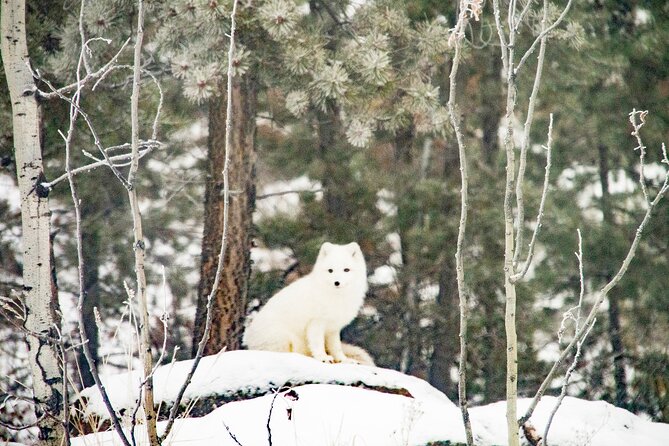
After the city highlights, the tour shifts to wildlife at the Yukon Wildlife Preserve. This is a half-day style stop built for close views of large mammals in natural surroundings.
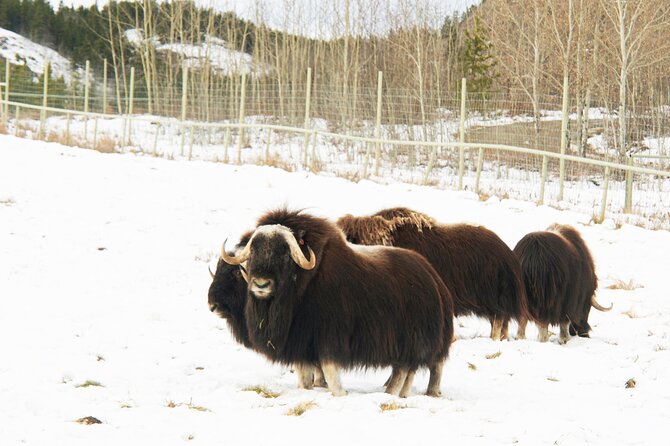
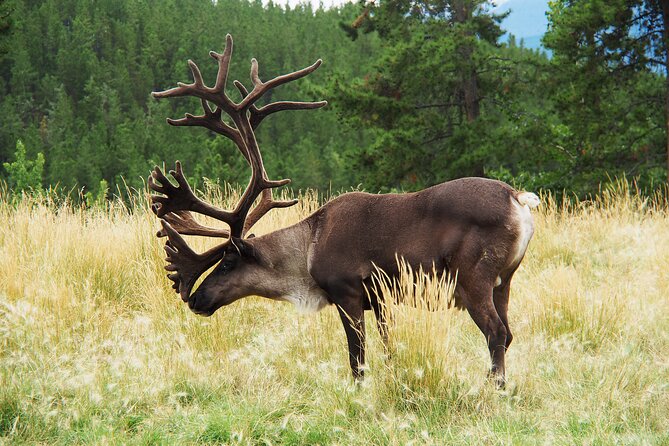
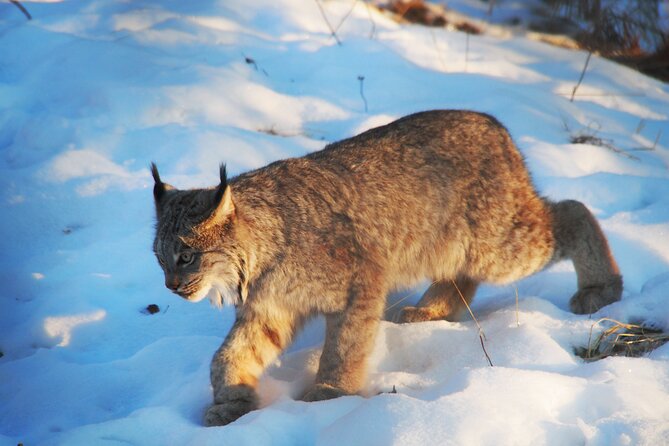
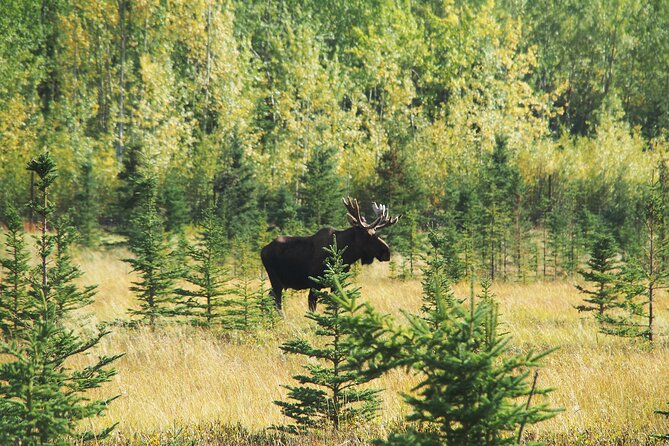
The list is impressive and practical because it covers the animals people usually hope to see in the Yukon region: elk, moose, mule deer, caribou, Dall’s sheep, mountain goats, bison, and musk-ox.
A key advantage here is that you’re not relying on luck the same way you would on a random roadside scan. While wildlife is never guaranteed, a preserve visit gives you the best odds of seeing multiple species without burning all your daylight driving.
Consideration: It’s still wildlife. If conditions are bad, animals may move differently than expected. But the overall setup is built around giving you close views rather than turning this into a long, exhausting search.
Northern Lights at AuroraCentre: how the schedule helps you catch the glow
The most important part of the trip is the aurora, and the structure is what makes it feel more than a lottery ticket.
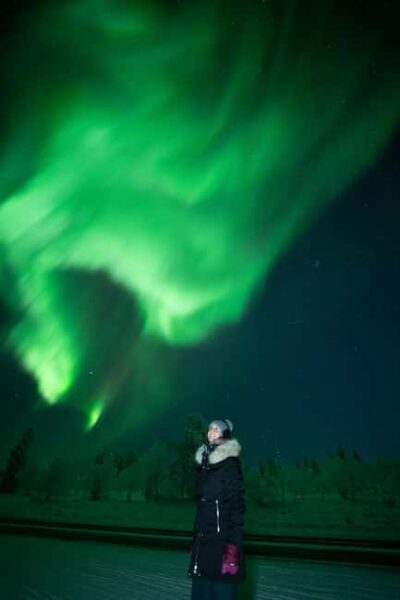
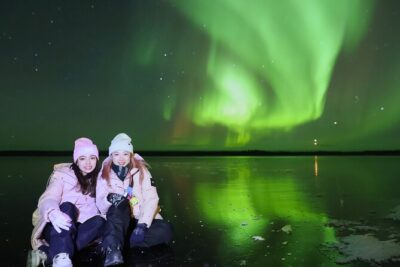
On Day 2, you head out later in the evening to seek Northern Lights. On Day 3, you get an additional aurora trip later at night, this time specifically to the AuroraCentre, with an approximate 4-hour viewing window.
Why AuroraCentre helps
One of the most praised parts is that AuroraCentre has a viewing station where you can get inside to warm up when you need it, without giving up all outdoor time. That matters because the aurora can show up and fade quickly, and your ability to stay outside comfortably changes how much you actually get to see.
Camera tips on-site
The other standout detail is the way guides help with camera settings. I like that you’re not left guessing. If you’re using a phone or a camera, guidance can help you get settings closer to what you need for low light.
From what I’ve learned through people’s experiences with this program, the goal isn’t just to see lights—it’s to help you capture them better while you’re there.
Practical expectation: Even with excellent planning, aurora visibility depends on the sky. This tour operates in any weather condition, but it can’t control cloud cover.
Day 3: optional daylight plus a second aurora shot
Day 3 keeps the day flexible with time for optional sightseeing and touring before the evening outing. That open window is useful because you’ll know what you want to do once you’ve had one night in Whitehorse.
Then, later in the evening, you head back out to AuroraCentre again. This second aurora night is the difference between a good story and a disappointing one. With more than one outing, you’re more likely to see something, even if conditions aren’t perfect on the first try.
Also, spacing your aurora nights like this gives you a better rhythm. You’re not driving around and freezing all day, and you’re not burning through your energy in one long all-or-nothing night.
Day 4: airport transfer and a smooth exit
On Day 4, the tour ends with an airport transfer. It’s straightforward—no last-minute surprises, no forced add-ons.
This is the kind of wrap-up that keeps the trip feeling clean. You’ll already have spent time in Whitehorse, gotten your wildlife and your aurora outings, and you can leave without feeling like you’re rushing through one more big stop.
Hotels, transfers, and the value of the package price
At $807.65 per person, this tour isn’t cheap. But the value story is pretty clear when you look at what’s included.
You get:
- 3 nights in a 3.5-star hotel
- Airport transfers
- 3 aurora viewing evening tours
- A welcome and city tour
- A half-day wildlife viewing tour
- A welcome package
- Mobile ticket access
- A city-center hotel transfer on Day 1
That means you’re paying for the planning and the night logistics, not just transportation and a couple of stops.
Where you should mentally budget extra: meals and souvenir photos (available for purchase). Since meals aren’t included, your total trip cost will depend on your preferences—grab-and-go or sit-down dining in Whitehorse.
Who will feel the best value
You’ll likely feel like you’re getting your money’s worth if you want:
- Multiple chances at aurora viewing (not just one night)
- A guided city introduction so you understand the place fast
- Wildlife viewing focused on multiple species
If you’re the type who already has aurora plans, wants to self-drive everywhere, and can handle cold long hours without guidance, then you might compare costs to DIY. But for most people, this package saves time and stress.
Weather reality: what the tour can do, and what it can’t
This tour is designed to operate in any weather condition. That’s good—you won’t get stuck with a schedule that cancels early just because it’s winter.
But there’s a hard limit: there’s no refund or rebooking if it’s cloudy, rainy, or snowy, and there’s also no refund or rebooking if there’s no aurora activity. That’s the tradeoff of buying a fixed-date aurora experience.
So here’s the best way to think about it before you book: you’re signing up for a guided aurora attempt with strong odds based on repeated evenings, not a guarantee of lights every night.
If you’re emotionally okay with that uncertainty, the structure makes a lot of sense. If you absolutely need a guaranteed aurora show, no tour can promise that.
Group size and the guide factor
The tour caps at 20 travelers, which is a meaningful detail. Smaller groups typically mean the guide can check in more easily—especially when it comes to aurora viewing where questions pop up fast: camera settings, best viewing angles, and what to do when the lights start faint.
The guide’s role is also highlighted by people’s experiences—especially help with photography. A friendly, hands-on guide can turn “we saw something” into “we got solid shots.”
Who this tour suits best (and who might want a different plan)
This is a strong match if you want a balanced Yukon taste: city history in daylight, wildlife viewing in the day, and aurora nights with real guidance.
It also suits couples and small groups who appreciate structure. You’ll be doing a lot at night, and you’ll enjoy having transfers and timing handled.
You might consider a different approach if:
- You’re only here for one quick stop and don’t want three separate aurora evenings
- You hate the idea of paying for a set itinerary when the sky has the final say
Should you book Discover Whitehorse with Northern Lights and Yukon Wildlife Tour?
If you’re planning a first Yukon trip and want a package that actually covers the big moments—Whitehorse highlights, big-mammal wildlife, and multiple aurora attempts—this one earns a spot on your shortlist. The combination of three aurora nights plus the AuroraCentre warm-up setup is a practical advantage.
I’d book it if you’re comfortable with the nature of aurora viewing: you’re going for the best odds and the best guidance, not a guaranteed light show. And if you want photos, the on-site help with camera settings is the kind of detail that can make the whole experience last long after the trip.
FAQ
How long is the tour?
The tour runs for about 4 days.
How many nights are included?
You get 3 nights at a 3.5-star hotel in Whitehorse.
What’s included in the price?
Included are airport transfers in Whitehorse, 3 hotel nights, 3 aurora viewing evening tours, a welcome and city tour, a half-day wildlife viewing tour, and a welcome package.
Are meals included?
No. Meals are not included.
Where do you get picked up for the tour?
The guide meets you at Whitehorse Airport in the arrival area before baggage claim, holding a sign for Arctic Range Adventure.
Is there a city tour included?
Yes. You’ll do a city tour with stops at places like the SS Klondike National Historic Site, the Old Log Church, the Log Cabin Skyscraper, and time on Main Street.
What wildlife can you see at the preserve?
The preserve offers close views of elk, moose, mule deer, caribou, Dall’s sheep, mountain goats, bison, and musk-ox.
What happens if it’s cloudy or there’s no aurora?
The tour operates in weather, but there’s no refund or rebooking if aurora activity doesn’t happen or if cloud coverage, rain, or snow occurs.