REVIEW · WHITEHORSE
Yukon Aurora Viewing Package | 4 days
Book on Viator →Operated by Arctic Range Adventure · Bookable on Viator
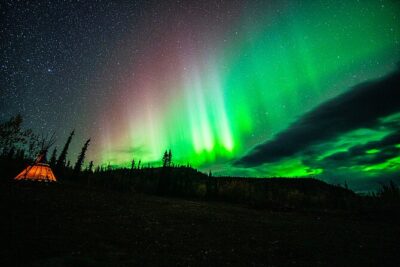
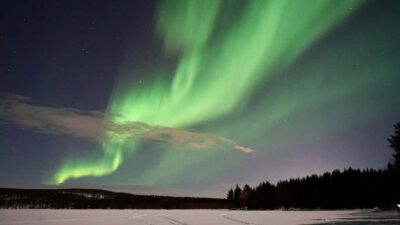
If you want the northern lights, this gives you time to try again. This 4-day Yukon Aurora viewing package pairs three aurora outings with a Whitehorse sights day, plus hotel and airport transfers. I like the way it builds your odds with multi-night viewing, not just one quick hunt. I also like the warm waiting setup reported again and again, with places to get comfortable while you wait. One consideration: aurora viewing is weather-dependent, and you should expect the occasional disappointment if skies don’t cooperate.
Whitehorse is also more than just a launch point. You get a guided city tour with real Yukon texture, including the S.S. Klondike National Historic Site and the Old Log Church area. If you’re curious about Yukon stories and local history, the Visitor Information Centre stop is a helpful add-on. The downside is that Whitehorse is farther south than some aurora hot spots, so you may still see mostly faint activity on some nights, especially with cloud or mountains in play.
This package fits best if you want a practical plan, good logistics, and a real shot over several evenings. You’ll get expert guidance, a small group feel (up to 20), and time to breathe during two daylight windows. Just keep your expectations grounded: no aurora does not equal a refund or re-booking in the event of clouds or no activity.
In This Review
- Key things to know before you go
- What you’re paying for (and why the price makes sense)
- Day 1: arriving in Whitehorse and your first shot at the aurora
- Day 2: city tour reality check—history, Main Street, then AuroraCentre again
- Day 3: a free winter day, then the third aurora outing
- Day 4: airport transfer and the wrap-up
- AuroraCentre nights: how to maximize what you’ll see
- City tour day: why it’s not filler
- Logistics that matter: timing, group size, and what to pack
- Who this tour suits best
- Should you book it?
- FAQ
- How many nights of aurora viewing are included?
- Where are the city tour stops in Whitehorse?
- Are meals included in the package price?
- Is airport pick-up included, and is there a cutoff time?
- Does the tour operate in bad weather?
- What if it’s cloudy or there is no aurora?
- What is the maximum group size?
Key things to know before you go
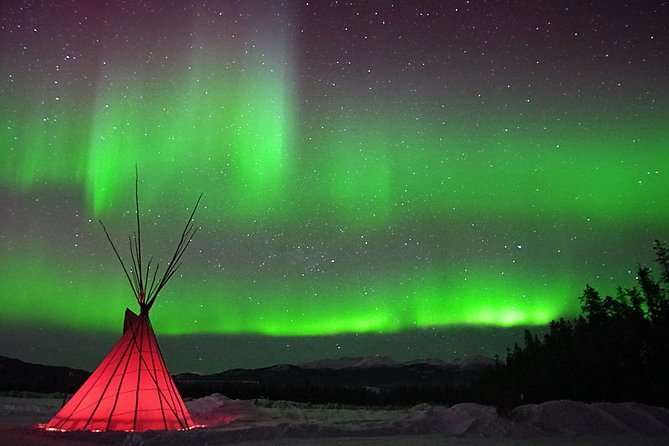
- Three separate aurora outings spread across your stay, which is how you improve odds
- Hotel Whitehorse (3 nights) plus airport transfers, so you’re not piecing things together
- Whitehorse city highlights including the S.S. Klondike, Old Log Church, Log Cabin Skyscraper, and Main Street
- Cozy aurora waiting setup like warm shelters, fire pit time, and hot drinks/snacks (as described in guest notes)
- Winter activity optionality on your free day, with dog sledding, snowmobiling, kicksledding, and ice fishing listed
What you’re paying for (and why the price makes sense)
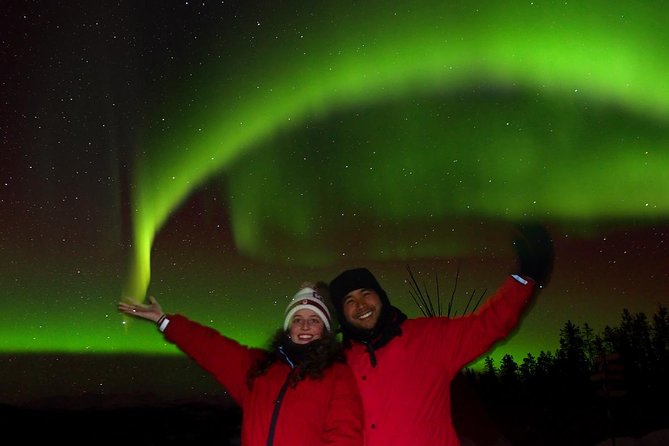
At $692.76 per person, you’re not just buying a couple hours outside. You’re paying for the full framework: 3 nights of accommodation, airport transfers, a guided city day, and three aurora tours. That’s important because the aurora part isn’t simple logistics. Cold temperatures, driving times, and waiting are all part of the deal, and those costs stack up fast if you try to DIY.
It also helps that the group size is capped at 20 travelers. Smaller groups usually mean less chaos, more time with guides for practical tips, and easier movement when it’s time to set up for photos or shuffle between warmth and viewing.
That said, you do pay a premium in a place where the aurora experience is not fully controllable. If you’re chasing dramatic shows only—think bold color and motion every night—factor in the risk that cloud cover can blank out the sky. Some aurora chasers rate Whitehorse lower than other destinations for raw viewing odds, so go in with a flexible mindset.
You can also read our reviews of more tours and experiences in Whitehorse.
Day 1: arriving in Whitehorse and your first shot at the aurora
Day 1 starts with airport pick-up, but with one time limit: pickup is only provided until 8:00 pm. If your flight lands later, you’ll need a backup plan, because the package is built around an arrival that still leaves energy for an evening outing.
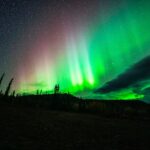
Late in the evening, you head to the AuroraCentre area again to look for the lights. This first night is about momentum. Even if you don’t catch a show, you learn the rhythm: how long to wait, when to step outside, how to re-position for a better view, and how to handle the cold without rushing.
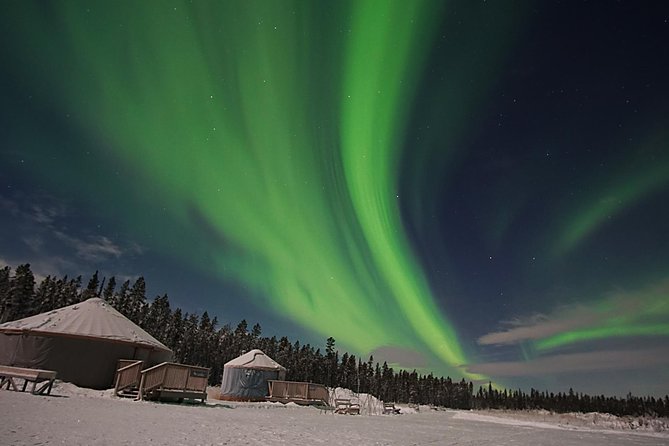
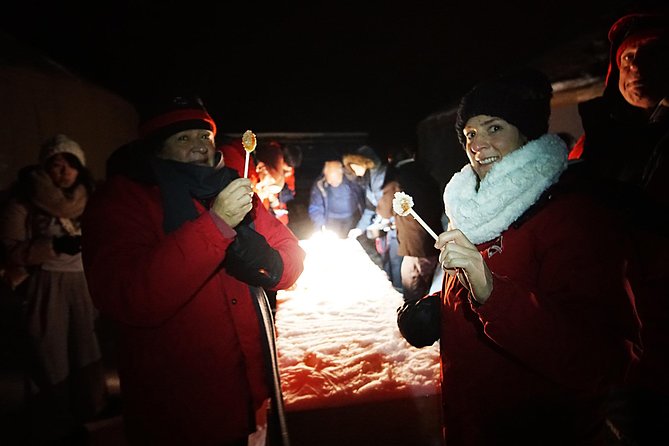
In the warm-up setup described in guest notes, you might find shelters designed for waiting, with a fire pit and hot drinks/snacks. That matters because aurora nights can run long. When warmth is part of the plan, you can stay focused on watching instead of constantly battling numb fingers.
Day 2: city tour reality check—history, Main Street, then AuroraCentre again
Day 2 is half day city, half day aurora hunt. In the late morning, you join a Whitehorse city tour with character stops that give you something to do even if your aurora luck on Night 1 wasn’t great.
Here’s what stands out on the tour:
- S.S. Klondike National Historic Site: a paddlewheel-era anchor in Yukon River history. It’s a reminder that this region was built by river routes long before highways and flights.
- Old Log Church: described as the oldest building in Whitehorse. It’s the kind of place where you can feel the town’s timeline in wood and stone.
- Log Cabin Skyscraper: a three-story tower built of logs. It’s quirky, specific, and very Whitehorse.
- Main Street: a practical stretch for strolling, browsing galleries, and popping into cafés if you want a break from tour pacing.
You also stop at the Yukon Visitor Information Centre for a short orientation into Yukon stories and nature. This is a smart use of tour time. It gives context so you don’t just see places—you understand why locals talk about them.
After the guided portion, you get free time for optional sightseeing and touring. During winter season, the optional add-ons you may be offered include dog sledding, snowmobiling, snowshoeing, or ice fishing. Even if you don’t book anything extra, the free time is valuable. You can do laundry, warm up in town, and keep your energy for the next aurora evening.
Then, after a relaxed dinner in Whitehorse, you head out again toward the AuroraCentre for the second aurora attempt. This is where the package earns its keep: you’re not stuck waiting around all day. You’re sightseeing by day, then watching the sky at night.
Day 3: a free winter day, then the third aurora outing
Day 3 is your big buffer day. You start with a free day for optional sightseeing and touring, and the winter activities listed are very hands-on.
Options mentioned include:
- Dog sledding (including the sense of Jack London’s Yukon experience)
- Snowmobiling
- Kicksledding
- Ice fishing (with the chance to prepare your own meal)
If you’re deciding whether to pay for an optional winter activity, this is the day to do it—because you’ll still have the tour group later for the third aurora outing. If your priority is lights above all else, you could also skip extras and just spend your day resting and staying warm. On aurora nights, fatigue shows up fast.
Later in the evening, you head back out to the AuroraCentre for the third look at the northern lights. Three nights total is the standout feature here. One night is luck. Three nights is planning.
Also note the reality check from the operation: the tour runs in all weather conditions, so your kit matters (more on that below). When your plan includes multiple outings, the key isn’t hoping for one perfect forecast. The key is being ready to keep trying.
Day 4: airport transfer and the wrap-up
Day 4 is straightforward: transfer to the airport. This is the quiet finish after three nights outdoors and a couple busy days. If you can, pack your return day essentials so you’re not trying to find warm layers in a rush.
Because the whole package is built around airport transfers, the experience stays simple. No hunting for rides, no guessing about timing, and no scrambling to connect your lodging with your aurora outings.
AuroraCentre nights: how to maximize what you’ll see
The aurora experience is not only about where you go. It’s also about how you prepare for viewing time.
Based on what’s described in the notes, you should expect:
- Warm shelters while you wait
- A fire pit experience
- Hot drinks and snacks
- Time to set up and wait without feeling thrown out into the cold
That setup helps you do the main job: watch the sky long enough to notice subtle changes.
Camera help is also part of the experience in guest reports, including support around camera settings. Tripods and folding chairs are mentioned too, which is a big deal. You don’t want to fight your own equipment while the sky is doing its thing.
Here’s the practical part: aurora intensity varies, and even strong activity can appear faint at first. If you’re someone who expects the Instagram version every night, keep your expectations realistic. You’ll likely do better by focusing on consistency across three nights rather than betting everything on the first show.
One more reality note: refunds or re-booking are not offered for cloud coverage, rain, snow, or no aurora activity. So you’re buying a process with guided attempts, not a guaranteed light show.
City tour day: why it’s not filler
It’s tempting to see the city portion as a break from the real mission. But this one works because Whitehorse has enough distinct stops to make your time feel complete even if your skies are hit-or-miss.
The S.S. Klondike stop gives you a tangible Yukon River story. The Old Log Church and Log Cabin Skyscraper are the kind of architecture you don’t just see anywhere. Then Main Street gives you breathing room for shopping and cafés without being stuck in a bus all day.
Also, the Visitor Information Centre stop is short but smart. It helps you connect what you see to Yukon nature and stories, so you’re not just collecting photos. You’re collecting context.
And because Day 2 has a more relaxed pace with free time, you get control. You can choose optional winter activities or just slow down and conserve energy.
Logistics that matter: timing, group size, and what to pack
A few operational details can make or break your comfort level.
- Pickup ends at 8:00 pm. If you arrive late, you may not be picked up.
- Max group size is 20. You’ll likely feel less rushed than in big bus tours.
- The tour runs in all weather conditions, with last-minute itinerary changes possible based on conditions and guide discretion.
What to pack (practical checklist style):
- Warm hat + gloves you can actually move in
- Layering pieces you can add/remove fast
- Warm boots with good traction (it’s winter viewing)
- A way to keep electronics warm (hands on camera means battery drains faster)
- A small thermos or insulated bottle if you like hot drinks between breaks (only if you prefer it)
Also, keep in mind that you should dress appropriately because you’ll be outdoors for aurora viewing. Warm shelters help, but you still need proper cold-weather clothing.
Who this tour suits best
This is a strong fit if:
- You want a structured plan with hotel, airport transfers, and guided aurora outings
- You like a mix of sightseeing and night-sky time
- You prefer a small group approach (max 20)
- You’re okay with weather-based outcomes as long as you have multiple chances
It might be less ideal if:
- You’re an aurora chaser who needs dramatic shows every night
- You’d be strongly disappointed by faint activity and occasional cloud-blocked skies
The package is best approached as an “I’m going to try in the right way for several nights” decision, not a guaranteed spectacle purchase.
Should you book it?
If you want three planned aurora nights plus a real Whitehorse day that isn’t just window dressing, I think this package is worth serious consideration. The value is in the bundle: hotel + transfers + city tour + three guided aurora outings. That saves you time and stress, which matters when you’re juggling winter weather and cold.
Book it if you can handle the core truth: no aurora is weather-risk, not operator failure. If that risk will ruin your trip mood, then you need either better viewing odds elsewhere or a backup plan that doesn’t depend on clear skies.
If you do book, my advice is simple: dress for real winter, bring patience, and treat the third night as part of the plan, not an afterthought.
FAQ
How many nights of aurora viewing are included?
The package includes 3 aurora viewing tours, spread across your 4 days.
Where are the city tour stops in Whitehorse?
The city tour includes stops such as the S.S. Klondike National Historic Site, the Old Log Church, the Log Cabin Skyscraper, and Main Street. It also includes a stop at the Yukon Visitor Information Centre.
Are meals included in the package price?
No. Meals are not included.
Is airport pick-up included, and is there a cutoff time?
Yes, airport transfers are included. Airport pick-ups are provided only until 8:00 pm.
Does the tour operate in bad weather?
Yes. The experience operates in all weather conditions, but last-minute itinerary changes are possible at the guide’s discretion.
What if it’s cloudy or there is no aurora?
There is no refund or re-booking in case of cloud coverage, rain, snow, or if there is no aurora activity.
What is the maximum group size?
This tour/activity has a maximum of 20 travelers.