REVIEW · SVOLVAER
From Svolvær: Guided Northern Lights Tour by Van
Book on GetYourGuide →Operated by Lofoten Aktiv AS · Bookable on GetYourGuide
Northern lights are shy, this tour helps. It’s a practical 4-hour aurora hunt from Svolvær, using a guide and van to get you to places with better odds than just guessing from town.
What I liked most: the guided search for clear skies, including drives around Vågan. And I also liked the comfortable, climate-controlled van setup that lets you focus on seeing (and shooting) the lights instead of wrestling with winter driving.
You meet at the Svolvær Tourist Information office, then you’re on the move fast. With a small group limited to 14, you’re not packed in like sardines, and the driver handles navigation while you settle in for the night.
One consideration: the northern lights can’t be guaranteed. Even with a great guide, you’re still relying on cloud cover, darkness, and solar activity.
In This Review
- Key highlights from this Svolvær Northern Lights Van Tour
- Entering the World of Better Odds in the Lofoten Winter Dark
- Starting at the Svolvær Tourist Information Office, Then Settling In
- The 4-Hour Flow: How the Hunt Usually Feels in Practice
- Why Vågan and Other Remote Viewpoints Matter
- Your Guide: The Difference Between Trying and Finding
- Photo and Tripod Tips You Should Bring With You
- What Not to Expect: No Guarantees, No Panic
- The Season Window and When You’ll Actually Be Outside
- Food and Drinks: Plan to Stay Light
- Price and Value: Is $195 Worth It?
- Who This Tour Is Best For
- Should You Book This Svolvær Northern Lights Van Tour?
- FAQ
- How long is the northern lights tour?
- Where do I meet the guide?
- What is the group size?
- Which languages are offered for the guide?
- Is the northern lights experience guaranteed?
- What should I bring for the tour?
- Are food and drinks included in the price?
Key highlights from this Svolvær Northern Lights Van Tour
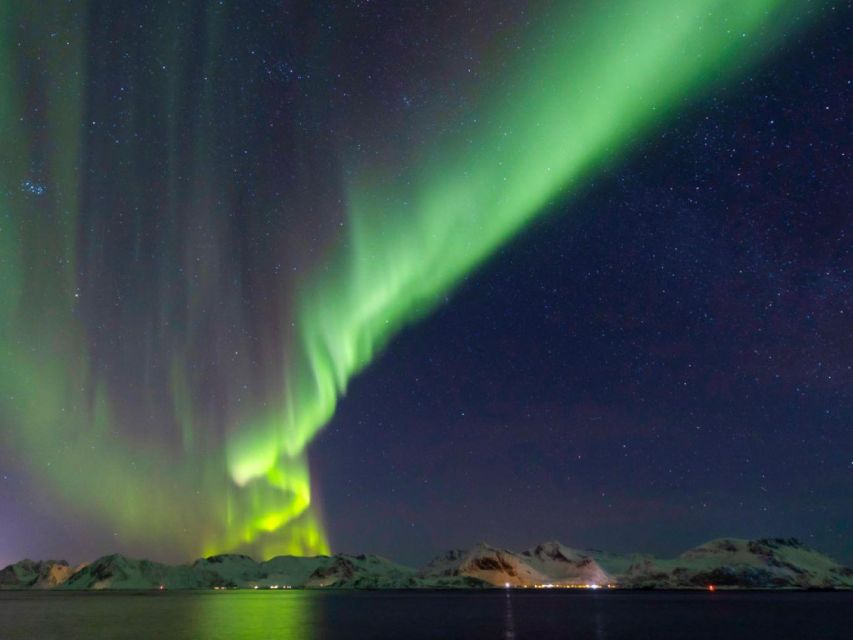
- Pickup at the Svolvær Tourist Information office, so you start the hunt without extra logistics
- Small group (up to 14) for a calmer, easier viewing experience
- Guide-led positioning, including areas like Vågan for better viewing conditions
- Climate-controlled van comfort while you move between potential spots
- Photo-friendly approach, with time to use your camera and tripod
Entering the World of Better Odds in the Lofoten Winter Dark
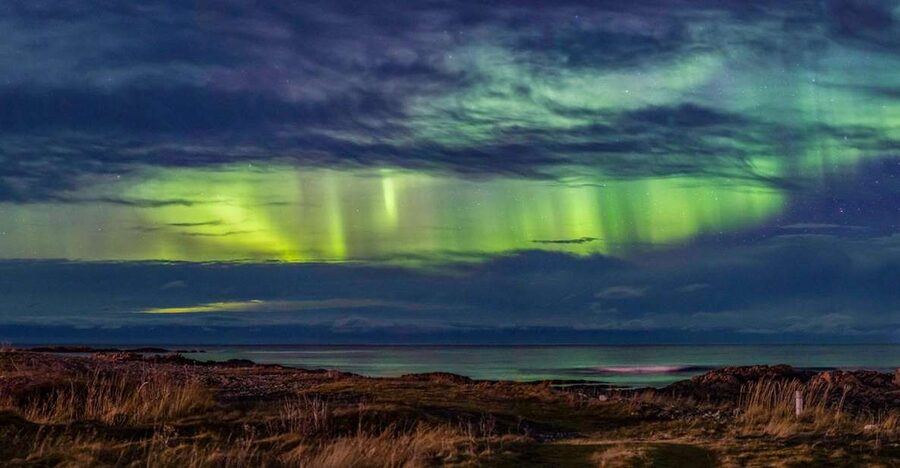
If you’re chasing the aurora in Norway, you already know the truth: the sky decides. But this is where a guide earns their place on your itinerary. You’re not just standing in one spot hoping for magic. You’re going to locations that are more likely to give you clear skies and a better view of the northern lights.
The tour’s sweet spot is the combination of local knowledge + motion. In the Lofoten area, weather can change quickly. A guide can react faster than you can after you step outside in the dark. That matters because clouds and haze are the main reason people go home seeing nothing but headlamps.
This is also why the tone of the experience is more calm and confident than frantic. Your driver moves you when it makes sense, and you can focus on observing. You’ll still have moments of waiting, because aurora watching has that rhythm, but it feels managed rather than random.
You can also read our reviews of more tours and experiences in Svolvaer.
Starting at the Svolvær Tourist Information Office, Then Settling In
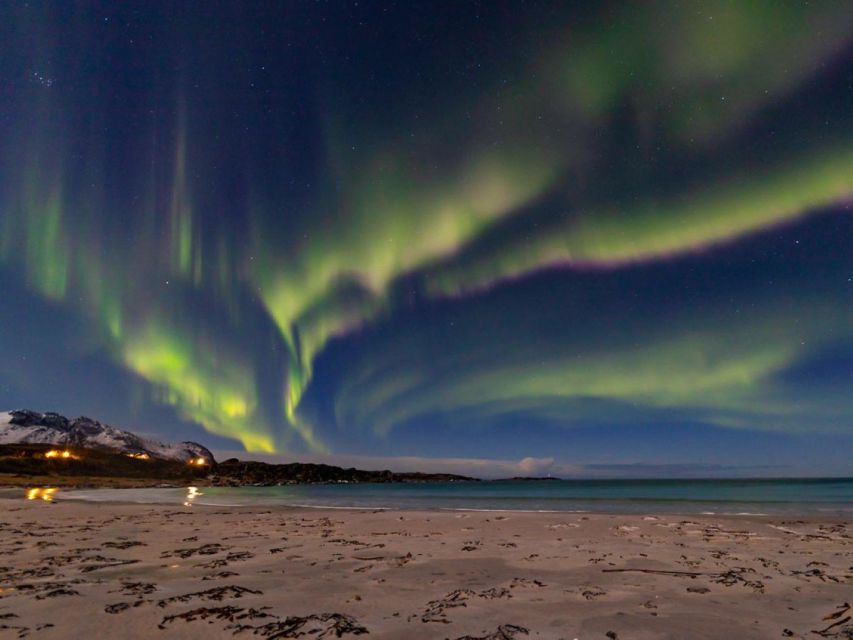
Your night starts with a pickup at the Svolvær Tourist Information office. That’s an easy meeting point to find and it keeps the start simple. No complicated rendezvous rules, no guessing which bus stop the tour means. From there, you hop into a climate-controlled van.
I really appreciate the comfort factor here. Cold Norwegian nights are no joke, and you’ll spend at least some time outside spotting and photographing. By keeping the van warm and controlled, you get a better chance to stay alert and comfortable—especially if you’re doing this after a long day of sightseeing.
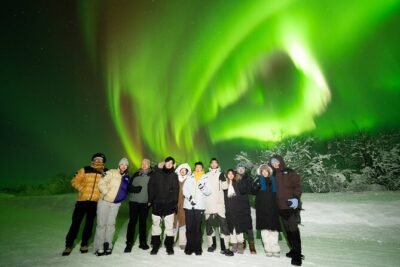
This is also a small-group experience (up to 14), which changes the feel. You’re not fighting for space to point a camera, and you’re less likely to be jostled when someone finds a good patch of sky. You can move at your own pace, and the guide can give photo tips without shouting over a crowd.
The 4-Hour Flow: How the Hunt Usually Feels in Practice
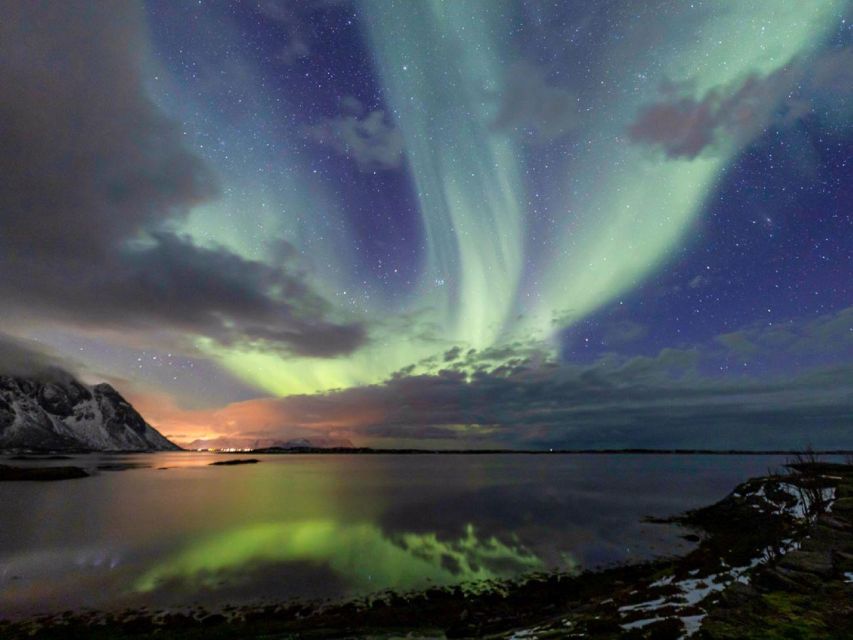
The whole outing is about 4 hours. That’s a good length for the aurora season because it’s long enough to chase opportunities, but not so long that you feel wrecked after.
Here’s how the experience typically plays out in a way that makes sense for aurora hunting:
First, you get brief instructions and settle in. Then the van heads toward likely viewing conditions. The goal is simple: find darker skies, reduce cloud interference, and get a view where the lights can show up clearly against the surrounding mountains and sea.
Once you’re at a suitable spot, the guide encourages you to stay ready. The lights often appear when you stop thinking too hard about them. That’s when having a guide matters most—because they’re watching the sky and responding when conditions improve, not because they’re trying to manufacture the aurora.
In at least some cases, the guide may take you to multiple viewing points during the night so you can see the aurora from different angles. More than one spot is useful because foregrounds change how dramatic the lights look on camera, and it can also help you find better sky openings when clouds drift.
Why Vågan and Other Remote Viewpoints Matter
The tour specifically mentions Vågan as one of the areas your guide may target. That’s important. The Lofoten coast and islands aren’t just pretty—they’re also a practical aurora tool.
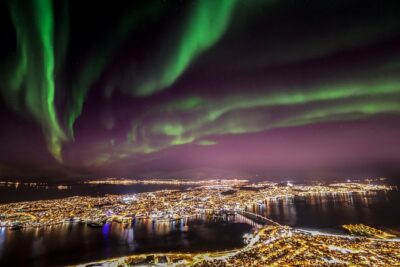
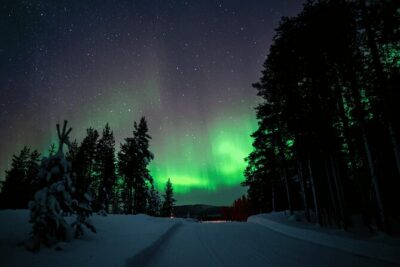
Aurora viewing works best when you can see a large chunk of sky, away from bright lights. Guides look for places where the horizon is dark and the sky isn’t blocked by buildings or dense fog. In more remote spots, the lights can look sharper and more dramatic because your background is quieter.
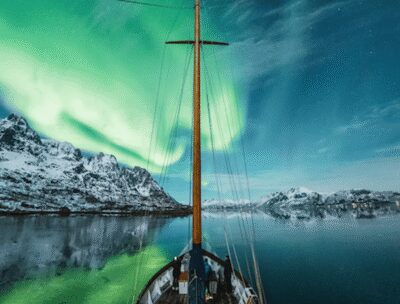
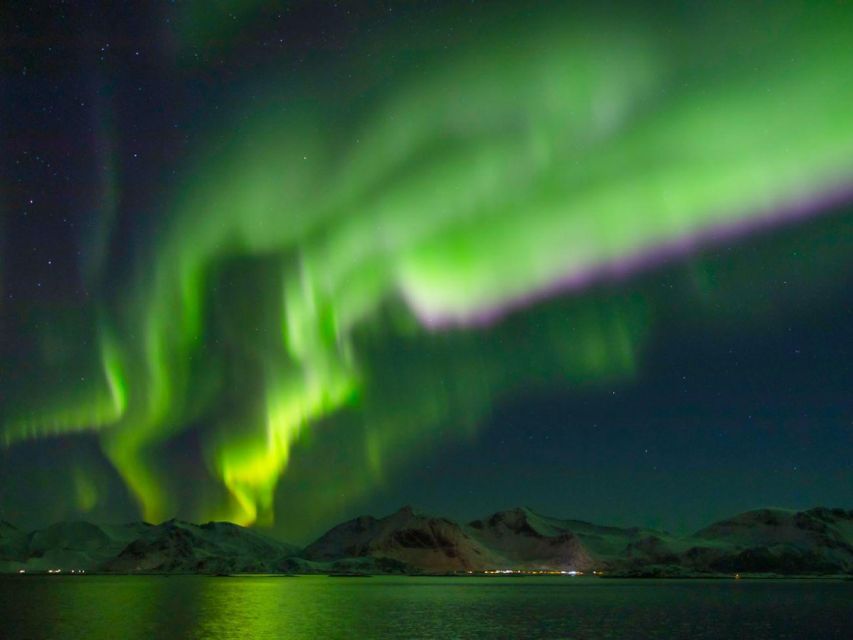
From the descriptions, you can also expect the scenery to be the kind that makes you pause even before the aurora shows. Fjord-and-mountain views around Svolvær are exactly what you want in the frame. When the lights arrive, they’re not just glowing in empty darkness. They hang over a real-world backdrop.
Your Guide: The Difference Between Trying and Finding
The guides on this kind of tour usually separate into two categories: people who know where to stand, and people who can help you actually see and photograph what you came for. The strong reviews point to guides who do both.
One name that stands out is Jann, described as upbeat, funny, and seriously invested in the phenomenon. Several experiences mention him driving to remote places and taking time to help with photos. That’s not a small thing. In the dark, with cold fingers, and with a sky that changes minute by minute, good photo guidance can turn a frustrating attempt into a set of images you’re happy to share.
I also like that the guide focus is not only about the sky. Jann’s explanations included both practical viewing tips and the science behind what you’re seeing—plus everyday bits about Lofoten life. That mix keeps the waiting time from turning into boredom.
And yes, photo sharing came up too. Some people mention that Jann sent aurora images afterward using a higher-end camera. That can be a nice backup if your own settings weren’t dialed in.
Just keep expectations realistic. The lights aren’t a scheduled show. Even with the best guide, you might have waiting time, and you might have limited visibility if clouds hang around.
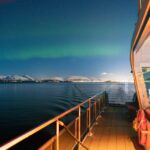
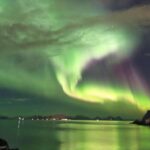
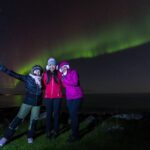
Photo and Tripod Tips You Should Bring With You
You can bring your camera and tripod, and you should. If you only plan to use your phone, you’ll still have a good time—but a tripod makes a difference for capturing faint light and longer exposures.
What I’d do before the night even starts:
- Pack your tripod in a way you can access quickly after you get outside.
- If you have a camera, bring the charging cable and extra battery. Cold drains batteries faster.
- Wear gloves that still let you operate small buttons. If you can’t adjust settings easily, you’ll miss the moments when the lights brighten.
In the feedback provided, guides are actively helping people get better shots with phone and camera. That means you’re not stuck guessing in the dark. Expect tips on how to aim, what settings to try first, and how to keep your foreground from turning into a blurry blob.
If you’re planning to use social media later, it helps to think like a photographer, not like a tourist. The northern lights usually look more dramatic in photos when you include a dark horizon and a bit of real-world texture—like mountains or coast—so your images don’t look like noise.
What Not to Expect: No Guarantees, No Panic
This tour clearly signals the truth: the aurora is natural and can’t be guaranteed. That’s the right message, and it’s the one travelers who enjoy this experience tend to take seriously.
So don’t book this only if you must capture proof. Book it because it’s a good setup for odds and because you’re going to enjoy the night outdoors whether the lights show right away or later.
If you get cloud cover, you’ll still be doing something valuable. You’ll be seeing winter scenery from remote viewpoints and learning what conditions matter. The guide’s job is to adjust and search, not to promise a fireworks show.
One practical mental trick: plan for the possibility of success but keep your expectations flexible. When clouds break, the aurora can show up quickly, and the people who are ready—clothed, calm, and watching—tend to get the best results.
The Season Window and When You’ll Actually Be Outside
This activity runs from early fall to mid-April. That lines up with the long winter nights when aurora viewing is possible and the sky is dark enough.
The guide also suggests taking an afternoon nap. I love that advice. It’s not just cute—it’s smart. If you’re tired, you’ll rush, make mistakes with photos, and lose patience. A nap helps you stay awake for the moment the lights do show.
Also, remember: this tour is in Norway in winter. Even with a warm van, you will be outside long enough to feel the cold if you’re underdressed. Warm clothing isn’t optional here—it’s part of getting a good experience.
Food and Drinks: Plan to Stay Light
Food and drinks are not included. That means you should eat beforehand and bring water if you can. In cold air, you might not feel thirsty, but it still helps to stay hydrated and avoid the headache spiral.
If you’re doing this right after dinner, you’re fine. If you’re doing it during a busy day of sightseeing, I’d time a solid meal earlier, so you don’t start the night thinking about snacks instead of the sky.
Price and Value: Is $195 Worth It?
At $195 per person for about 4 hours, you’re paying for more than a van ride. You’re paying for the guide, the ability to move between viewing conditions, and the small-group setup that makes it easier to photograph.
Is it the cheapest way to look at the sky? Usually not. But it also isn’t a casual drop-off. The value is in:
- better odds from guided positioning
- reduced stress (driver navigates; you watch)
- help with photo technique
- comfort during the waiting period
If you’re the type of traveler who enjoys chasing a specific photo moment—like aurora patterns over fjord mountains—this price starts to feel reasonable. If you’re only interested in a quick glance from the curb, you might skip this and DIY it. But if you want a structured plan and a guide who’s actively searching, the cost makes more sense.
One more point: the tour offers free cancellation up to 24 hours in advance, plus a reserve now, pay later option. That lowers your risk if you’re juggling weather-dependent plans.
Who This Tour Is Best For
This tour is a strong fit if you:
- want better chances than self-guided aurora hunting
- like the idea of a small group and a comfortable vehicle
- care about getting photos and welcome coaching for your phone or camera
- prefer organized, practical adventure over uncertainty
It’s also a nice option if you’re new to aurora watching. The guide explanations help you understand what’s going on, so the experience feels more meaningful than just seeing lights.
If you hate waiting, you might find the pacing slow at times. Aurora nights can be quiet between bursts. But if you bring patience (and warm clothes), the downtime is part of the atmosphere.
Should You Book This Svolvær Northern Lights Van Tour?
I’d book it if you want the best shot at seeing the aurora with minimal hassle. The combination of guide-led searching, climate-controlled transport, and small-group viewing makes the whole night feel more like a plan than a gamble.
Skip it only if you’re purely chasing guaranteed results or you’d rather spend your money on flexible self-guided options. This tour is designed for people who accept the natural uncertainty of the sky—and still want a solid method to improve their odds.
If you do book, take the warm clothing seriously, bring your camera setup if you can, and give yourself permission to wait. When the aurora finally arrives over those Lofoten views, it’s the kind of moment you’ll remember long after the cold fades.
FAQ
How long is the northern lights tour?
The tour duration is 4 hours.
Where do I meet the guide?
You meet your guide at the Svolvær Tourist Information office.
What is the group size?
The tour is limited to a small group of up to 14 participants.
Which languages are offered for the guide?
The live guide speaks Norwegian and English.
Is the northern lights experience guaranteed?
No. The northern lights are a natural phenomenon and cannot be guaranteed.
What should I bring for the tour?
Bring warm clothing, weather-appropriate clothing, your camera, and a tripod if you plan to take photos.
Are food and drinks included in the price?
No. Food and drinks are not included.