REVIEW · HARSTAD
Harstad: Northern Lights Hunt on Hinnøya Island
Book on GetYourGuide →Operated by Explore Harstad · Bookable on GetYourGuide
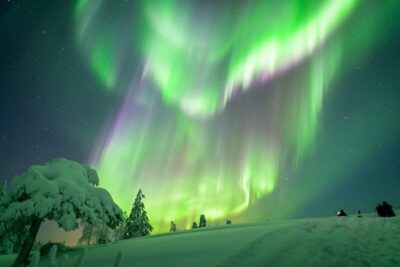
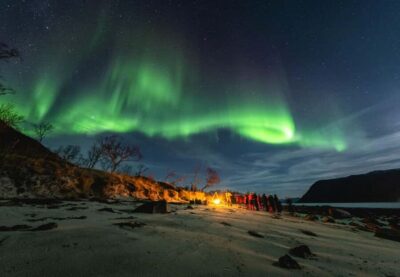
A winter night that keeps moving can still be magical. This Northern Lights hunt on Hinnøya Island pairs real aurora-chasing tactics with warm comfort stops, so you’re not just freezing and hoping. I like that you get a professional Northern Lights chaser who talks you through the sky while you drive and wait, plus you warm up with hot drinks, lefse, and a fire.
The main drawback is the one nature always controls: you cannot guarantee seeing the aurora. If the sky stays locked in cloud, the best-case evening can feel like a lot of cold waiting and driving.
In This Review
- Key points to know before you go
- Why Hinnøya beats pure luck for Northern Lights
- Meeting in Harstad: where your night hunt starts
- The 4-hour hunt: how the night typically unfolds
- Staying warm: snowsuits, fire, hot drinks, and lefse
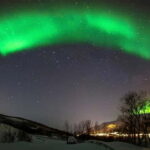
- The aurora moment: what you’re really waiting for
- Photography help: taking Northern Lights pictures that work
- Weather reality check: when the sky stays cloudy
- Price and value: is $187 reasonable for 4 hours?
- Who this fits best (and who should reconsider)
- Practical tips to make your night smoother
- Should you book this Harstad Northern Lights hunt?
- FAQ
- How long is the Northern Lights hunt on Hinnøya?
- What does the tour cost?
- Where do I meet for the tour?
- Is transportation provided?
- What’s included to keep me warm?
- Do I need to bring my own camera?
- Are Northern Lights sightings guaranteed?
- Is hotel pickup included?
- Is the tour wheelchair accessible?
Key points to know before you go
- Aurora chasing across Hinnøya microclimates: fjords and mountains can mean a clearer sky just a short drive away.
- Warmth is built in: snowsuit (if needed), fire, and hot chocolate/tea/coffee while you wait.
- Photo-focused guidance: you’ll have an expert on hand to help you capture the lights.
- Comfort and snacks: traditional Norwegian lefse helps keep the night pleasant.
- Multiple languages: guides work in English, German, and Norwegian.
Why Hinnøya beats pure luck for Northern Lights
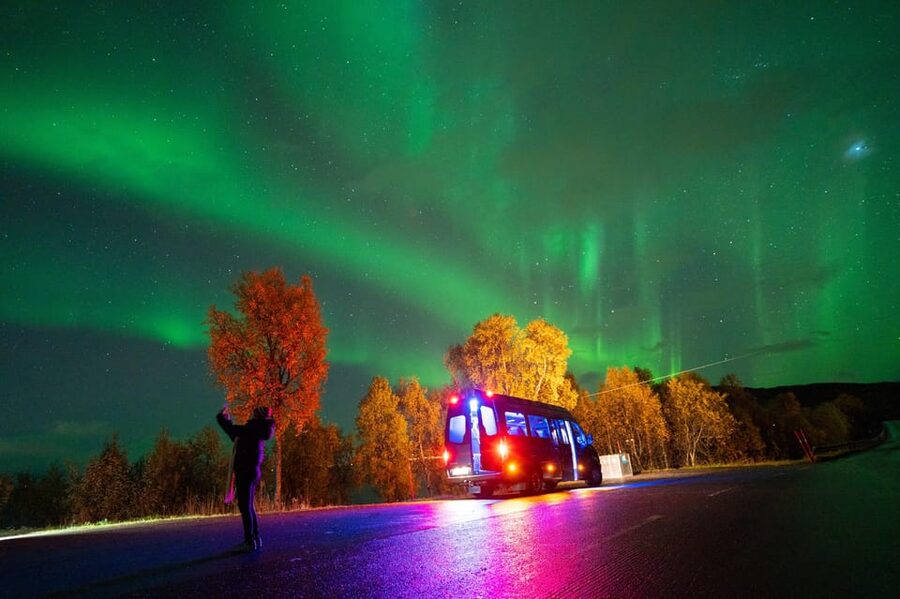
Harstad is your launch point, and the reason this hunt is interesting is where you’re heading: Hinnøya, Norway’s biggest mainland island. Instead of treating the sky like a single fixed viewing point, the experience is built around movement—driving toward the best chances.
Here’s the practical advantage. When you chase the aurora, weather is the enemy. Even if the aurora is technically present, clouds can erase it for your eyes. Hinnøya’s mix of fjords and mountains creates microclimates, meaning one area can be cloudy while another gets a clearer window. That’s exactly what the guide is trying to capitalize on while you’re out for the night.
And once you reach a spot with low light pollution and quiet surroundings, you get the kind of dark, winter stillness that makes the sky feel huge. The goal isn’t just to see green lights. It’s to experience what makes the aurora feel alive—like the sky is changing its mind every few minutes.
You can also read our reviews of more tours and experiences in Harstad.
Meeting in Harstad: where your night hunt starts
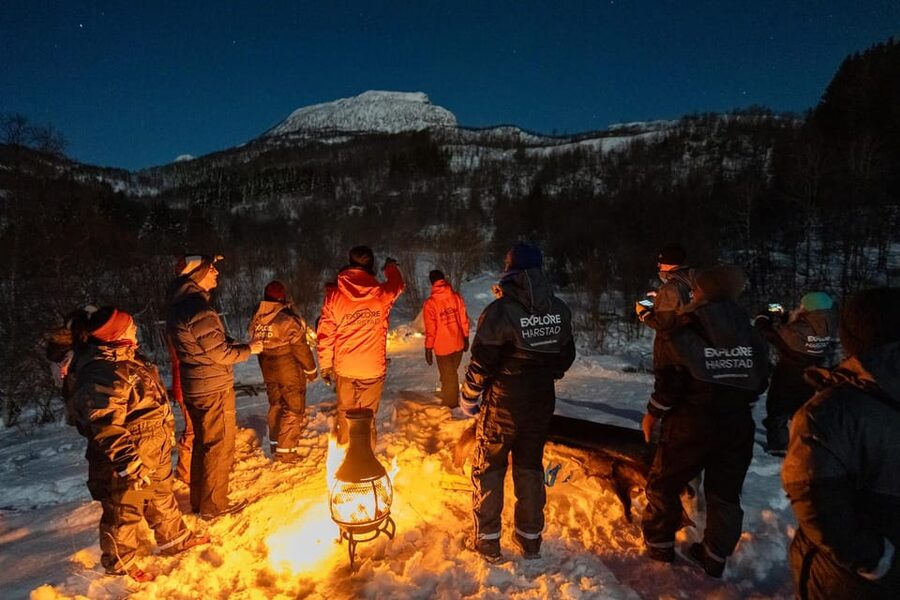
You meet at the Explore Harstad office, with a visible logo from the street, next to the Hurtigbåt pier to Tromsø. That location matters because it’s easy to find if you’re already in Harstad and planning around the local ferry area.
From there, you’ll head out by van with your guide. This matters more than it sounds. A van ride keeps the group together while you reposition for changing sky conditions. You’re not trying to coordinate cars in the dark. You’re being moved to the next best option quickly, which is what aurora chasing depends on.
The guide is also there to keep the time useful. You won’t just stare at your breath. You’ll learn about the Aurora Borealis and about the region you’re driving through, which helps you connect the dots between what you see in the sky and what you’re crossing on land.
The 4-hour hunt: how the night typically unfolds
This experience runs about 4 hours, and that time is used for a simple formula: drive, assess conditions, reposition, and then wait long enough for the lights to appear—or for the window to close.
Expect a rhythm like this:
- First stretch on the move
You’ll get into the van and start heading out. The point here is to begin before the best viewing window disappears.
- Short learning breaks while you travel
The guide explains what aurora activity is and what the area looks like from a “why this works” perspective—aurora hunting is part science, part weather reading, and part timing.
- Arrive at a low-light spot
When you reach the viewing location, you step into cold air with less interference from lights and noise. That’s when your attention goes fully upward.
- Wait smart, not just wait
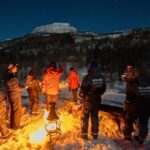
This is where the experience tries to make you comfortable: snowsuit support, warmth by a fire, and hot drinks while you watch.
One thing to keep in mind: if the weather isn’t cooperating, the experience can still continue. That’s not always what you want to hear on a vacation day, but it’s the reality of aurora hunting. The tour is designed to chase, not to promise.
Staying warm: snowsuits, fire, hot drinks, and lefse
This is one of the strongest parts of the experience for me. You’re outside at night in winter conditions, and the company actually plans for that instead of treating warmth like your problem.
Here’s what’s included:
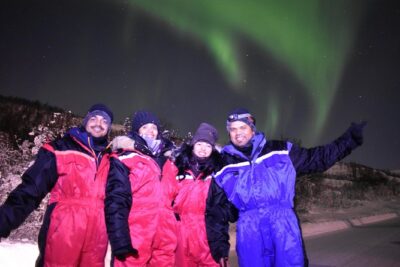
- Snowsuit (if needed)
- Hot drinks (hot chocolate, tea, coffee)
- A traditional Norwegian snack: lefse
- Fire to stay warm
That combination turns the hunt into something you can enjoy even if the aurora takes longer than you hoped. A warm drink gets you breathing normally again. Lefse makes the snack feel like part of the region, not just a token. The fire gives you a place to reset your body between checks of the sky.
You might also notice small comfort extras in some departures—one guide reportedly helped with additional warmth items like a chair or mat, and even a headlamp for staying steady when you’re setting up photos in the dark. Not every detail is guaranteed, but the vibe is clear: they want you comfortable enough to keep watching.
The aurora moment: what you’re really waiting for
When the aurora hits, it can feel like your eyes need a minute to adjust. At first you’re scanning, then suddenly the sky starts doing something it shouldn’t—moving shapes, flickers, and color that doesn’t look like anything else.
This tour is built around that payoff. Once you’re at a viewing spot, you get time to step out into winter air and actually watch. The guide stays with you and helps you understand what you’re seeing, so it’s not just a random show you happen to catch.
Also, you’re not going in blind. Even if you’re a first-timer, you’ll get background on Aurora Borealis before you’re staring at it. That makes the experience feel more “I know what I’m looking at” and less “I hope this is it.”
Photography help: taking Northern Lights pictures that work
You’ll want a camera. The experience explicitly encourages bringing one, and it makes sense: the aurora is easiest to enjoy in person, but photos help you share it back home.
What helps most:
- A darker viewing spot (low light pollution and quiet surroundings) makes exposures easier.
- A guide who knows what to do can steer you toward better framing and timing.
- Warm setup time matters. If your hands are freezing, you stop experimenting. That’s why the fire and hot drinks aren’t fluff.
Practical tip: even if you’re not a camera expert, treat this as a “try a few settings and stay patient” kind of night. Don’t burn your energy in the first 5 minutes. Aurora activity can shift, and sometimes the best shots come after you’ve settled into a steady stance.
Weather reality check: when the sky stays cloudy
Aurora tours have one unavoidable truth: sightings can’t be guaranteed. That’s stated clearly for a reason.
Here’s how the weather can play out on a night like this:
- You might drive to multiple spots because the guide is searching for the clearest window.
- Sometimes conditions improve briefly and you catch the show.
- Sometimes clouds win for the entire outing, and the night feels long.
The chase plan is the best way to reduce disappointment, but it won’t eliminate it. If you’re going on this as a must-see at all costs, plan with flexibility in mind. The free cancellation window and ability to adjust plans can help you avoid feeling trapped by weather.
If you do end up with a cloudy night, take the learning part seriously. Understanding why certain sky conditions matter makes the whole experience feel less wasted, even if the lights don’t show up.
Price and value: is $187 reasonable for 4 hours?
At $187 per person for a roughly 4-hour outing, you’re paying for three things that actually cost money in real life:
- A professional guide focused on aurora spotting and explaining what’s happening.
- Transportation by van to reposition when clouds block the view.
- Cold-weather comfort: snowsuit support, hot drinks, lefse, and fire.
Plenty of Northern Lights experiences online are just “here’s a place, good luck.” This one is more structured: it’s designed around active searching and keeping you warm and engaged while you wait.
Is it still possible to leave without seeing the lights? Yes. That’s nature. But you’re not just buying a ticket for a view—you’re buying an organized night out with chasing, instruction, and practical comfort. In a place like Hinnøya, that combination often makes the difference between a miserable cold evening and a memorable one.
Who this fits best (and who should reconsider)
This tour is a good match if you:
- Want a guided aurora chase instead of DIY searching
- Like the idea of learning about Aurora Borealis and the region you’re driving through
- Appreciate warm drinks and real winter gear so you can focus on the sky
- Plan to bring a camera and want help getting usable photos
You might reconsider if you:
- Need wheelchair accessibility. This experience is not suitable for wheelchair users.
- Want guaranteed aurora viewing. The tour can’t promise clear skies, and sometimes clouds win.
Practical tips to make your night smoother
A few small choices can make a big difference in comfort and results:
- Wear warm clothing in layers. Even with a snowsuit option, cold air gets into places your body forgets about.
- Bring comfortable shoes. You’ll be outside and moving in winter conditions.
- Pack your camera and keep it ready. When the aurora starts, you don’t want to be hunting for cables or remembering settings.
- Give yourself patience. A good aurora night is often a waiting game with short bursts of payoff.
And if your guide suggests moving quickly, trust it. Aurora chasing is about timing, not just “being in the right place.”
Should you book this Harstad Northern Lights hunt?
If your goal is a real aurora-chasing night with warmth built in, I’d say yes—especially if you value guidance, comfort, and photo help.
Book this tour if:
- You want someone else doing the hard part: watching conditions, driving to better spots, and keeping the group engaged.
- You’d rather spend 4 hours watching the sky comfortably than freezing while trying to figure out the best location on your own.
- You’re traveling in winter and want an experience that feels Norwegian, with lefse, hot drinks, and a fire while you wait.
Skip it (or adjust your expectations) if:
- Seeing the aurora is your only goal and you’re not okay with the possibility that clouds shut it down.
- You need wheelchair accessibility.
If you go in prepared for the weather uncertainty—and ready for the ride, the learning, and the warm breaks—you’ll have a far better chance of coming away with both the pictures and the story.
FAQ
How long is the Northern Lights hunt on Hinnøya?
The experience lasts 4 hours.
What does the tour cost?
The price is $187 per person.
Where do I meet for the tour?
You meet at the Explore Harstad office, next to the Hurtigbåt pier to Tromsø, with a visible logo from the street.
Is transportation provided?
Yes. The tour includes transportation by van.
What’s included to keep me warm?
You get a snowsuit (if needed), hot drinks (hot chocolate, tea, coffee), lefse, and a fire to stay warm.
Do I need to bring my own camera?
You should bring a camera since there are photo opportunities when the lights appear.
Are Northern Lights sightings guaranteed?
No. The aurora is a natural phenomenon, and sightings cannot be guaranteed.
Is hotel pickup included?
No. Hotel pickup and drop-off are not included.
Is the tour wheelchair accessible?
No. It is not suitable for wheelchair users.