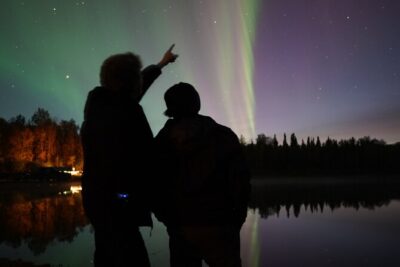
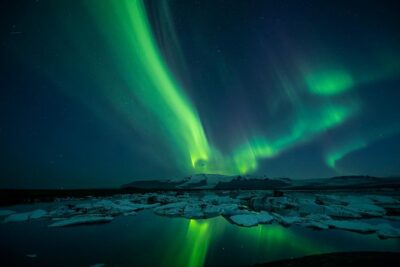
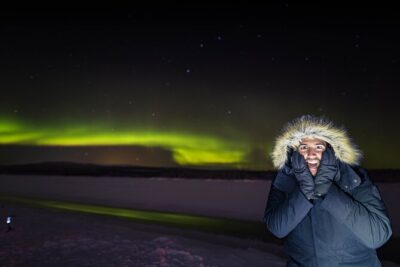
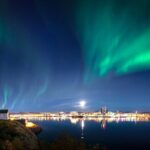
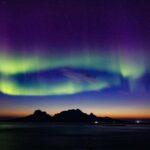
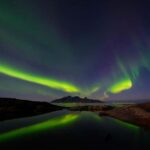
The Arctic sky can turn electric. On a Bodø Northern Lights hunt with Rampen, you chase the aurora on a plan built around the night’s forecast and dark-sky locations.
I really like two things here: first, the group stays small (maximum 7), so the guide can adjust fast when the sky changes. Second, the evening starts with practical help, including weather outlook, dressing guidance, and camera settings, so you’re not fumbling in the cold.
One thing to think through: this is weather-dependent. The tour is run based on the northern lights forecast and requires good conditions, so cloud cover can mean a different date or a refund—and you’ll still be outside in Arctic night for the hunt.
In This Review
- Key things to know before you go
- Bodø’s dark-sky chase: what makes this aurora hunt work
- Pickup and timing: the evening run from Wood Hotel to late night
- The first step at 19:05: weather forecast, camera help, and dressing
- 2 to 4 aurora stops: how the guide finds your best angle
- Woods and beaches in Arctic night: what each stop is good for
- The guide’s job: more than driving, it’s timing and calm
- What you’ll actually do during those hours
- Price and value: is $207.20 per person fair
- Who should book this Northern Lights hunt in Bodø
- Weather and the real odds: what to expect from a forecast-led tour
- Should you book the Rampen Bodø Aurora hunt?
- FAQ
- How long is the Northern Lights tour in Bodø?
- Do they pick me up from Wood Hotel Bodo?
- Where is the meeting point?
- How many stops do you make during the aurora hunt?
- Is the tour offered in English, and is it a small group?
- What happens if the weather is poor or the tour is canceled?
Key things to know before you go
- Forecast-first scheduling: the whole hunt is run around the latest aurora outlook.
- Small group pace: up to 7 travelers, which helps with quick stops and guidance.
- Photo prep early: you get help with camera settings before you go chasing.
- 2 to 4 aurora stops: you won’t just park in one spot.
- Away from light pollution: the stops include woods and beaches for darker skies.
- English-led experience: introductions and guidance are offered in English.
Bodø’s dark-sky chase: what makes this aurora hunt work
Bodø is the right kind of base for this kind of winter experience: you start in town, then you get pulled out toward spots that have fewer city lights and more open sky. That dark-sky setup matters because the aurora is faint at first for many people, especially if the sky is bright from artificial light.
What I like about how Rampen runs this is the attitude: it’s not a passive viewing session. It’s a chase, guided by real-time thinking about where you stand best for the aurora at that moment. If the lights show up early, the plan can still keep moving to find stronger activity.
You’ll also get a sense of calm in the whole process. Even when you’re actively looking up, the rhythm of a winter night out of the city tends to quiet your mind. That is part of the value here, not just the lights.
You can also read our reviews of more tours and experiences in Bodo.
Pickup and timing: the evening run from Wood Hotel to late night
This tour is set up for evening arrival and late-night searching. Pickup starts at 18:30 from Wood Hotel Bodo, and you’ll meet the group at the adventure hub around 19:00. The guide then starts with introductions at 19:05, and you typically head out about 19:30.
In practice, the finish time can vary because it’s linked to conditions. The experience usually wraps by around midnight, and the listed duration is roughly 3 to 5 hours depending on what the sky does and how the stops play out.
Why this matters for you: if you’re the type who gets impatient waiting, the forecast-driven movement helps. If you’re the type who needs structure, the start times are clear, and you have an early moment for instruction before you’re out in the dark.
The first step at 19:05: weather forecast, camera help, and dressing
Right at the beginning, the guide focuses you fast. You get weather forecast information so you understand why you’re moving where you’re moving. You also get camera settings help, plus dressing guidance for Arctic winter conditions.
That early prep is one of the smartest parts of the night. When you’re cold, you stop thinking. When you’re underdressed, your hands don’t work, and your photos turn into blur. Getting dressing advice first helps you stay functional long enough to enjoy the whole chase.
The camera help also saves frustration. Instead of learning while standing in freezing air, you get pointers before the aurora shows up. Even if you shoot on a phone, this kind of instruction can help you avoid the most common mistakes, like trying to use the wrong mode or forgetting to stabilize.
2 to 4 aurora stops: how the guide finds your best angle
Rampen’s approach is built on making multiple chances during the same evening. Usually, you’ll visit 2 to 4 spots on a tour. That gives you flexibility: if the aurora is weaker where you parked, you can reposition.
The stops include darker areas such as woods and beaches, chosen to reduce light pollution and open sightlines. You’re not just looking up at random. You’re checking the sky from places designed for winter viewing and (when possible) photography.
A key detail: the tour runs on the northern lights forecast. That means the guide isn’t working from hope alone. When conditions look promising, you’ll likely see more action and more intense chasing than on a night where the forecast expects faint displays.
Woods and beaches in Arctic night: what each stop is good for
Because you’ll shift between different settings, the viewing experience changes. In the woods, you often get a feeling of enclosure. It can feel quieter and more mysterious, like you’re in your own little pocket of winter night. The dark treeline can also frame the aurora nicely when it appears.
In more open areas like beaches, you get wide horizons and fewer obstructions. That can be especially useful if the aurora spreads across more of the sky rather than showing in one narrow band. If you’re trying to include a foreground in your photos, open areas also give you options.
One warm-up detail to know: in at least one described experience, there was time for hot chocolate and tea at a pause by a stream. Even if you don’t get the same exact setup, the overall idea is practical—take small breaks so you can keep looking without your body shutting down.
The guide’s job: more than driving, it’s timing and calm
Aurora viewing looks magical, but the logistics are real. The guide has to watch conditions, manage timing, and keep everyone moving comfortably. With a maximum of 7 travelers, that becomes easier than juggling a big group in the dark.
A standout from the stories you can learn from is the tone of the guide experience. Svein, for example, is described as kind and friendly, and the overall vibe is like you’re with a knowledgeable friend rather than being marched through a checklist. That matters on a night where patience is part of the deal.
Also, a good guide reduces decision fatigue. Instead of you trying to interpret clouds, forecast terms, and aurora intensity, you get a plan. Then you focus on what you came for: looking up.
What you’ll actually do during those hours
You’re not spending the whole tour just standing in one place. The flow is usually something like this:
First, you meet, get briefed, and get camera and cold-weather tips. Then you depart from the adventure hub and start the search. You’ll move between spots as the sky changes, with short intervals to watch, react, and adjust.
The goal is to make the most of a limited dark window. Most nights have a period where conditions are better than others, and the guide’s job is to match you to those moments. That’s why forecast-led scheduling is such a big deal in the value of this tour.
Price and value: is $207.20 per person fair
At $207.20 per person, this isn’t a budget add-on. But it can feel fair when you look at what’s included and what costs it replaces.
You’re getting pickup from Wood Hotel Bodo, an English-speaking guide, a mobile ticket, and a structured chase across multiple dark-sky stops. The small group cap (7) is also part of the value—private-tour attention tends to cost more, and here you get a middle ground.
There’s also the line that admission is free for the experience. That reduces the chance of surprise fees once you arrive. Most importantly, the tour is designed around the main thing you’re paying for: higher-quality aurora chances through planning and repositioning.
If you’re comparing costs, weigh this against what it would take to do the same thing on your own at night—transport, figuring out where to go for darker skies, and the time spent guessing at the forecast. Paying for a guide doesn’t guarantee the lights every time, but it improves your odds of using the night well.
Who should book this Northern Lights hunt in Bodø
This is a great fit if you want structure without feeling stuck. If you’d rather have a guide make the call on where to go next, this tour makes that easy. The forecast-led approach and multiple stops help you avoid the most common problem of independent hunting: spending too much time in the wrong place.
It also fits if you care about photography. The early camera settings help is a plus for anyone bringing a camera (or even just trying to take better phone shots). You’ll get guidance before you’re out in the cold.
The tour notes say most travelers can participate, which points to the idea that you’re not required to do anything unusual beyond dressing for winter and standing outside to watch. If you’re comfortable with cold and late evenings, you’ll likely enjoy it.
Weather and the real odds: what to expect from a forecast-led tour
Here’s the honest part: the aurora is never a guaranteed show. This experience depends on good weather and uses the northern lights forecast to decide how to run the hunt. If you get cloud cover, your chances drop fast.
That’s why the tour can offer a different date or a full refund if it’s canceled due to poor weather. In other words, you’re not just buying a time slot—you’re buying into a system designed to respond when conditions improve.
Your best move is simple: arrive ready to be flexible. Bring warm layers, plan to spend time outside, and don’t treat this like a one-try photo mission. When you go into it knowing the plan may shift, the night feels smoother.
Should you book the Rampen Bodø Aurora hunt?
If you want the best chance of actually getting something meaningful from an Arctic night, I think this is worth booking. The combination of a small group, pickup convenience, early prep (including camera help), and multiple stops makes it more than a basic viewing session.
I’d skip it only if you’re very sensitive to cold or you need a guaranteed fixed activity time no matter the weather. Since the hunt is forecast-run and weather-dependent, it’s built to adapt, not to promise a specific outcome.
If you’re visiting Bodø for only a short time, this kind of guided chase can be the smart way to spend your limited evenings.
FAQ
How long is the Northern Lights tour in Bodø?
The experience runs about 3 to 5 hours, and it is usually finished by midnight. One posted duration shows 3 hours as well, so expect the exact length to vary with conditions.
Do they pick me up from Wood Hotel Bodo?
Yes. Pickup is offered, and the guide/driver will pick you up in the hallway of Wood Hotel Bodo.
Where is the meeting point?
You’ll start at Wood Hotel BodoFjellveien 187, Bodo 8011 Norway. The activity ends back at the meeting point.
How many stops do you make during the aurora hunt?
The tour is usually run with 2 to 4 stops. It’s planned based on the northern lights forecast.
Is the tour offered in English, and is it a small group?
Yes. The tour is offered in English, and the group size is capped at a maximum of 7 travelers.
What happens if the weather is poor or the tour is canceled?
If it’s canceled due to poor weather, you’ll be offered a different date or a full refund. There’s also free cancellation up to 24 hours in advance for a full refund.