REVIEW · KIRUNA
Kiruna Northern Lights Tour with Photographer
Book on Viator →Operated by Lights of Vikings · Bookable on Viator
Cold sky, moving lights, great photos.
What makes this tour fun is the hunt part: you meet your guide in Kiruna, then you chase the aurora based on cloud cover and conditions. I also love that it’s built around a small group and a photographer who helps you actually get usable images, not just blurry phone shots. One thing to keep in mind: you’re limited to good weather and you may end up walking in deep snow to reach the best, darkest viewing spots.
The two biggest pluses for me are simple. First, you get real guidance for where to look and when to move, led by guides like Bernard and Robin (and often Iris or Onur as the photographer/guide team depending on the night). Second, the “comfort breaks” matter: you’re not stuck out there for hours with nothing but wind, because you’ll have snacks and coffee or tea plus a warm-up moment by a fire when the night allows it.
The main drawback is the Arctic logistics: if the sky doesn’t cooperate, you may not get a strong show even after chasing. Reviews are full of nights where they found clear skies, but the tour can’t control the weather, and that means expectations should be flexible.
In This Review
- Key Things I’d Plan Around
- Kiruna Northern Lights: The Smart Part Is the Chasing
- Price and Value: What You’re Really Paying For
- Pickup at 7:00 pm: How to Avoid the Biggest First-Moment Stress
- Stop One in Kiruna: The First View Is About Getting Set Up Fast
- Stop Two in Abisko: When the Sky Clears, You Want to Be Ready
- The Photographer Factor: Getting the Lights and You in the Frame
- Warm-Up Breaks: Snacks, Coffee/Tea, and Fire Moments
- What to Wear (and Why Your Feet Matter)
- Group Size: Why Max 7 Travelers Changes the Whole Vibe
- Weather Reality Check: The Lights Are the Star, Not the Itinerary
- Who Should Book This Tour
- Should You Book Lights of Vikings in Kiruna?
- FAQ
- How long is the Kiruna Northern Lights tour?
- What time does the tour start?
- Is pickup included?
- Where can I meet if my lodging isn’t eligible for pickup?
- What is the group size limit?
- Is the tour in English?
- What’s included in the price?
- Is dinner included?
- What should I wear or prepare for?
- Is it suitable for children?
- What if the weather is poor?
Key Things I’d Plan Around
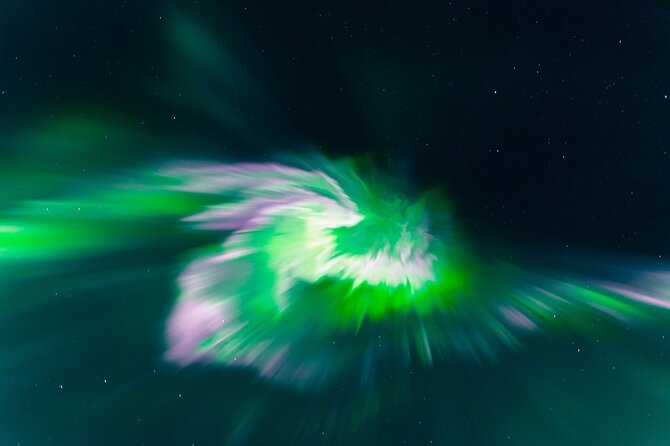
- Small group size (max 7) means more time with your guides and the photographer, not crowd control.
- Kiruna plus Abisko chasing gives you two shots at clearer skies if conditions change.
- Professional photo focus helps with poses and timing, so your pictures look like you were there for more than a minute.
- Warm fire breaks plus snacks and hot drinks keep the night from turning into a survival test.
- You might walk in deep snow, so good winter traction is worth it.
- Flexible destination choice based on wind and cloud cover is part of the deal in northern Sweden.
Kiruna Northern Lights: The Smart Part Is the Chasing
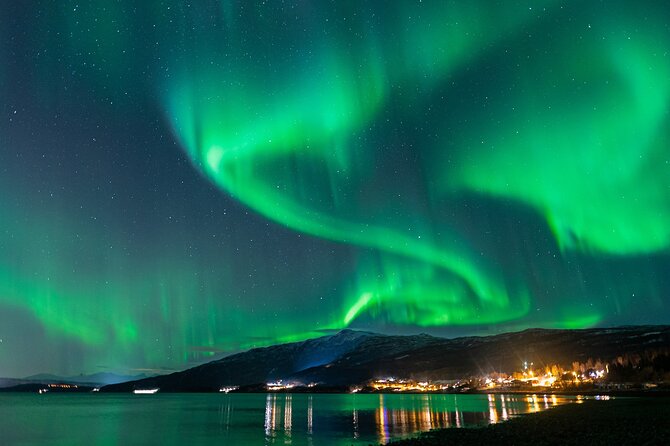
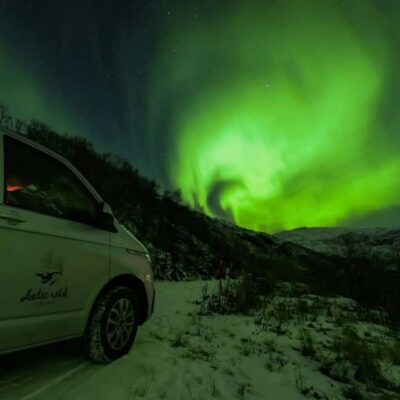
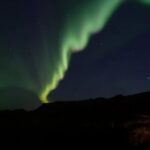
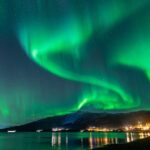
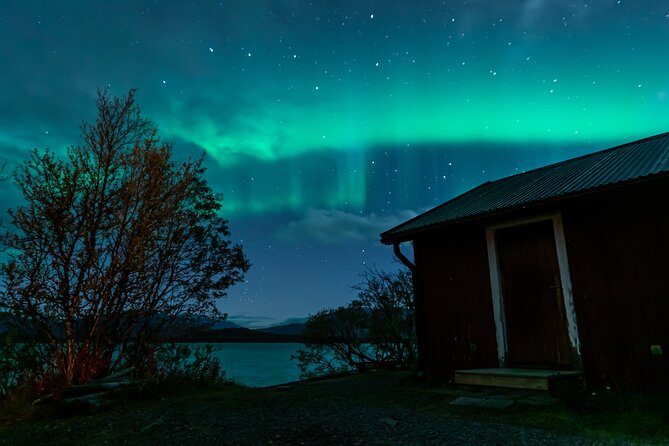
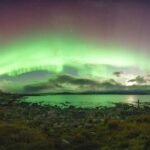
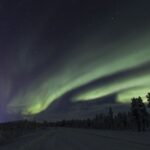
This tour is built for how auroras actually behave. You don’t just pick a spot and hope. You meet in Kiruna, then your guide starts hunting for better conditions. If the sky in one place is cloudy or the horizon is washed out, the plan shifts and you drive to another area, including Abisko when conditions are promising.
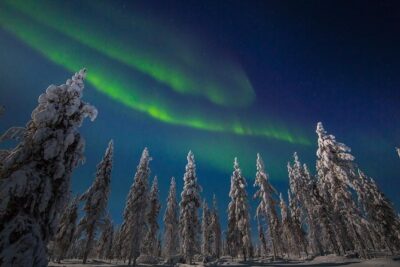
That chasing approach matters because auroras are fussy. Wind can shake dust and clouds into your line of sight. Light pollution can kill the effect you were hoping for. And even when the aurora is technically there, a thin layer of cloud can make it look faint or invisible. The guides are basically trying to solve those problems in real time.
You can also read our reviews of more tours and experiences in Kiruna.
Price and Value: What You’re Really Paying For
At $223.72 per person, you’re not just buying a seat on a van. You’re paying for a guided night designed to improve your odds: pickup timing, driving between viewing areas, cold-weather planning, and a dedicated photo component.
What you get that supports the value:
- Snacks plus coffee/tea during the tour
- A photographer who helps you capture the aurora and portraits together
- A small group, which usually means more attention when someone needs help spotting or focusing
What you do not get:
- Dinner (so eat before you go, or plan a proper meal after)
Is it expensive? Yes, for a 4 to 6 hour experience. But you’re in the Arctic, where “odds” are everything. This tour spends money on moving you to where the sky looks best and on making sure you can take home photos that feel like the night you remember.
Pickup at 7:00 pm: How to Avoid the Biggest First-Moment Stress
The tour starts at 7:00 pm. Pickup is offered, but you need to be ready for the northern-lights version of on-time.
Here’s how it works:
- Wait outside your hotel at the designated pickup time, not inside the reception.
- You get a short 5-minute waiting period.
- If they can’t reach you, they may leave to keep other pickups on schedule.
There are also a few specific pickup rules depending on where you’re staying. For example, some hotels aren’t reachable directly by car, so pickups happen at nearby landmarks. If you’re staying in an Airbnb or certain remote lodges, pickup may not be available and you’ll meet at designated points instead.
My practical advice: set an alarm early, dress in layers before pickup arrives, and assume you’ll be moving fast once the night starts.
Stop One in Kiruna: The First View Is About Getting Set Up Fast
You begin in Kiruna, meeting your guide and then starting the aurora hunt right away. This stop typically runs about 2 hours with admission listed as free for the activity window.
In practical terms, this first segment helps you:
- Get used to the dark (your eyes adjust better as you spend time outdoors)
- Learn how your guide wants you to watch the sky
- Start shooting in conditions you can immediately work with
From the tone of the experience people describe, the guides don’t treat this like a lecture. They treat it like a working session: check the sky, adjust location if needed, and keep you warm while you wait.
One extra tip that shows up strongly in real-world feedback: winter footwear matters. If you’re relying on average boots, you’ll feel it once you’re walking over snow that can be soft or uneven. Good traction and snow-ready shoes make the night smoother.
Stop Two in Abisko: When the Sky Clears, You Want to Be Ready
If conditions are good in Abisko, your guide drives you there to continue the search. This second part is also about 2 hours, again with admission listed as free for the viewing portion.
Why Abisko is part of the plan: it’s the kind of place aurora chasers often target because weather conditions can be better than nearby areas when the forecast is tricky. But the key is that the decision is made on the fly, based on what the guides see.
When you arrive, you’re usually trading one kind of discomfort for another. You may have:
- More open sightlines for the sky
- Different wind conditions
- A chance at stronger aurora activity if cloud cover improves
If your first stop is cloudy, Abisko becomes your second chance. If the skies are already cooperating, you get a better chance to settle in and watch longer.
The Photographer Factor: Getting the Lights and You in the Frame
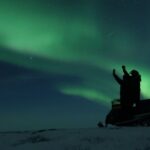
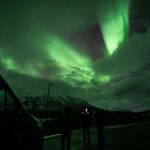
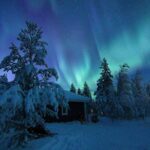
This tour has a photographer onboard, and the difference shows up in the details people mention. You’re not just standing around hoping your phone handles long exposure.
A few patterns in the feedback:
- Photographers help with poses and timing so you don’t waste shots
- Guides take time to find spots that have a good view of the aurora
- Photos are shared after the tour, and several people report receiving them promptly a couple days later (often via a shared link)
The best part is mental. When someone else handles camera setup and suggestions, you can actually watch the sky instead of troubleshooting settings in the cold.
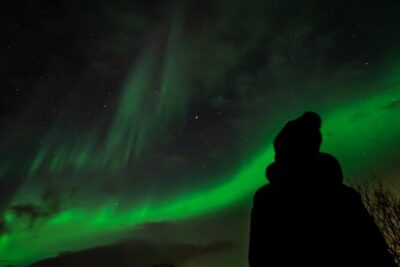
You’ll also hear guides explain what you’re seeing during warm-up moments. The point isn’t to turn it into a classroom. It’s to help you recognize aurora patterns and understand why moving sky effects don’t always look the same every minute.
Warm-Up Breaks: Snacks, Coffee/Tea, and Fire Moments
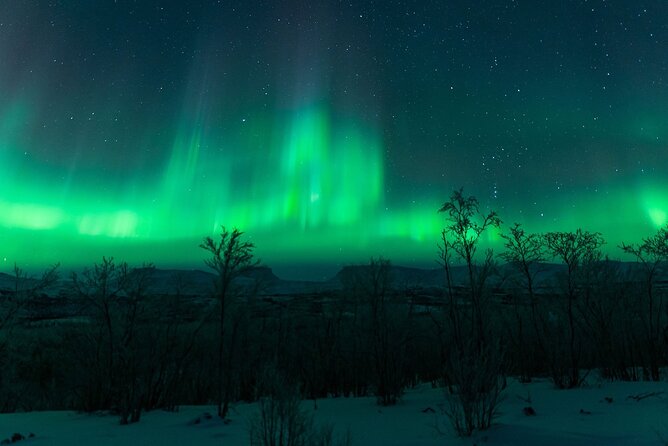
Included in the experience are snacks and coffee and/or tea. Reviews also repeatedly mention a cozy campfire setup, with warm drinks and sweet treats like cookies or chocolate.
This matters more than you might think. In -25°C cold, your body works harder just to stay comfortable. The hot drink and snack break helps you keep going when your fingers get stiff and your attention starts to drift.
What to do with this info: treat the warm-up as part of the schedule, not an add-on. Eat beforehand so you’re not hungry on top of cold, and be ready to drink something warm when it’s offered.
What to Wear (and Why Your Feet Matter)
You’re outside in winter darkness for several hours. Even with breaks, expect cold.
The clearest advice from the experience itself:
- Bring winter gear that handles wind and snow well
- Consider investing in good snow shoes or traction (deep snow can slow you down fast)
- Wear multiple layers so you can adjust when you stop and start moving
Some feedback also mentions warm outer layers or suits being provided. Still, don’t treat that as your only warmth strategy. Pack for Arctic weather, not a mild winter evening.
If you’re uncomfortable walking in deep, dark snow, this tour may feel harder than you expect. Your physical fitness needs are described as moderate, but “moderate” in a snowy environment can still mean you’ll work a bit.
Group Size: Why Max 7 Travelers Changes the Whole Vibe
This tour caps at 7 travelers. That small-group size shows up in how the guides can work with you.
In a larger group, someone might get left behind when everyone moves to the next spot. In a smaller one, you’re more likely to:
- Receive help spotting the aurora
- Get photo attention without waiting forever
- Feel like the guide is watching your experience, not only managing the schedule
You’ll still be moving and you might walk in snow, but the experience tends to feel more personal.
Weather Reality Check: The Lights Are the Star, Not the Itinerary
Northern Lights tours have a truth that’s hard to sugarcoat: visibility depends on conditions you can’t control. Cloud cover, wind, and light pollution matter as much as the aurora itself.
So if you’re booking, I’d plan with a flexible mindset. The tour is designed to improve odds by driving and changing locations, including using Abisko when conditions look better. But some nights will still be weaker than others.
That’s also why the “comfort” part of the evening matters. Even when activity is faint, you can still get a warm fire break, stories about auroras, and photos taken at whatever activity is available.
Who Should Book This Tour
This is a strong match if you want:
- A guided aurora hunt in a small group
- A photographer included, so your photos feel like a real memory
- Pickup options that keep the logistics simple once you’re in Kiruna
It may not be the best fit if:
- You dislike walking in cold snow or can’t handle uneven ground
- You want a guaranteed aurora show (no aurora tour can offer that)
- You’re traveling with kids under the recommended age. The tour notes it’s not recommended for guests younger than 15
Also, if you love photos, this is the rare aurora outing where the camera support is a main feature, not a bonus.
Should You Book Lights of Vikings in Kiruna?
I’d book it if your goal is a guided Northern Lights night with real photo help and a team that actively chases conditions. The included snacks and coffee/tea, plus the recurring warm-fire break stories, make it feel like a planned experience rather than a cold waiting game. And the small group size helps you feel supported during both spotting and shooting.
I’d think twice if you hate deep snow walking or if your schedule can’t handle the reality that the sky might not cooperate on your chosen night. In that case, it’s worth asking yourself if you can handle a night that’s more about chasing than a guaranteed payoff.
If you want high odds, decent comfort, and photos you’ll actually want to keep, this is one of the more sensible ways to spend your time in Kiruna.
FAQ
How long is the Kiruna Northern Lights tour?
The tour runs about 4 to 6 hours.
What time does the tour start?
It starts at 7:00 pm.
Is pickup included?
Pickup is offered. You should wait outside your hotel at the designated pickup time, not inside the reception.
Where can I meet if my lodging isn’t eligible for pickup?
Pickup/drop-off isn’t available for Airbnb, Camp Alta, Aurora Camp Kurravaara, or Reindeer Lodge. You can meet at any of the designated pickup points instead.
What is the group size limit?
The maximum group size is 7 travelers.
Is the tour in English?
Yes, it is offered in English.
What’s included in the price?
Snacks and coffee and/or tea are included.
Is dinner included?
No, dinner is not included.
What should I wear or prepare for?
You should have a moderate physical fitness level, and you’ll be outdoors in winter conditions. Plan for cold and snow walking.
Is it suitable for children?
It is not recommended for guests younger than 15 years old.
What if the weather is poor?
The experience requires good weather. If it’s canceled due to poor weather, you’ll be offered a different date or a full refund.