REVIEW · KIRUNA
Kiruna: Northern Lights Tour with Stejk Street Food Dinner
Book on GetYourGuide →Operated by Stejk Street Food · Bookable on GetYourGuide
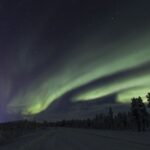
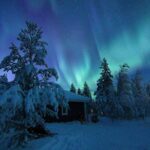
Northern lights with street food is a winning combo. This 6-hour Kiruna night tour starts at Stejk Street Food’s truck and tepee in the old city, then you ride out with an English-speaking local guide using the latest weather and aurora forecast. I love the Stejk tepee dinner and I love how the aurora forecast guides the whole hunt across Kiruna–Abisko–Lapland. The only real drawback: the aurora is never guaranteed, and heavy cloud cover can kill your chances.
Before you chase lights, you get the warm stuff first: a local street-food dinner, plus warm lingonberry juice, gingerbread, and extra snacks during the evening. If you show up underdressed, they can provide winter shell jackets and winter boots (ask before the tour starts), which matters when the temperatures drop hard.
The tour runs until around midnight, but it can run longer if the lights show up late and the guide won’t waste the moment. Also note this is not a dedicated Aurora photography class, so don’t expect gear setups or pro shot coaching—just great viewing, cold-air waiting, and smart repositioning.
In This Review
- Key Things I’d Put At the Top
- Stejk Street Food Tepee Dinner: Your Warm Start in Kiruna
- Kiruna to Abisko: How the Aurora Hunt Actually Gets Better
- Forecasting and Guide Calls: The Human Part That Makes It Work
- Arctic Comfort While You Wait: Clothing, Snacks, and Cold Reality
- Price and Value: Is $158 Worth It for Kiruna?
- Who Should Book (and Who Might Want a Different Option)
- Should You Book This Stejk Street Food + Aurora Tour?
- FAQ
- How long is the Northern Lights tour?
- Where does the tour start?
- Is hotel pickup included?
- Do you provide winter jackets and boots?
- Is seeing the Northern Lights guaranteed?
- What food and drinks are included?
- What language is the tour guide?
- Can children or toddlers join?
- Is this tour suitable for wheelchair users?
- Is this a photography-focused Aurora tour?
Key Things I’d Put At the Top
- Stejk Street Food tepee dinner first, so you’re warm and fed before the cold waiting starts
- An aurora hunt guided by the latest forecast, not just a fixed stop-and-hope plan
- Flexible driving spots across Kiruna–Abisko–Lapland when visibility changes
- Warm lingonberry juice + gingerbread, plus snacks to keep you going through the night
- Winter shell jackets/boots if needed, a lifesaver for first-timers in Arctic weather
Stejk Street Food Tepee Dinner: Your Warm Start in Kiruna
This tour begins right where Kiruna visitors like to gather—at Stejk Street Foods, with a food truck and a cozy tepee setting in the old city. The idea is simple: eat something real and get warm before you spend hours outside under a black Lapland sky.
I like this format because the evening doesn’t feel like a rushed transfer. You sit, eat, and settle in. The warm lingonberry juice is part of that rhythm too. People also talk about sweet warm treats with the drink, including gingerbread, and the tone is cozy rather than stiff and tour-bus formal.
Food-wise, Stejk is known for Arctic street-food style portions, and you’ll often see options featuring meats like reindeer and moose on menus (and people come away talking about specific combos like subs and paninis). Even if your exact plate varies night to night, the consistent win is that you’re getting a proper meal in a genuinely fun setting, not a sad snack box.
One practical note: smoking is not allowed in the vehicle. And the tour is designed around staying warm and comfortable—so bring clothes you can layer and move in.
You can also read our reviews of more tours and experiences in Kiruna.
Kiruna to Abisko: How the Aurora Hunt Actually Gets Better
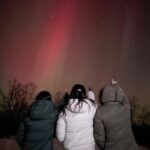
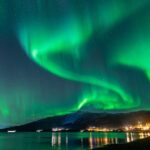
After dinner, you join the guide in a car or van and drive out into the local Kiruna area. The goal isn’t just to “see the lights somewhere.” It’s to improve your odds by repositioning based on conditions—clouds, fog, and sky clarity change fast in this part of Sweden.
Your guide is working the whole night like a moving radar. If they spot aurora activity, you stay at that spot to watch longer. If the aurora fades or disappears, you don’t just go home. You drive to another location in the area and keep searching.
This is where Kiruna–Abisko–Lapland context matters. Kiruna can be foggy, and Abisko often has better clarity. You might not hear “Abisko” mentioned constantly, but in practice, guides do aim for the best visibility in the wider region. That’s why the tour is built as a chase, not a single fixed viewing point.
Also, the tour can end around midnight, but the schedule stays flexible. If the sky delivers late, expect a bit of extra time out there. That flexibility is worth it—aurora timing can be stubborn.
Finally, keep your expectations honest: this is not guaranteed aurora time. Nature decides. Your guide just stacks the odds in your favor.
Forecasting and Guide Calls: The Human Part That Makes It Work
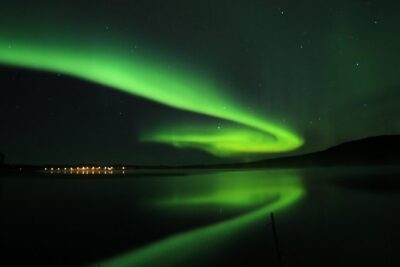
The strongest advantage here is the guide’s use of the latest weather and Aurora Borealis forecast before you move—and the willingness to adjust when reality differs from predictions.
Even on nights that start shaky (clouds, fog, or haze), the best guides don’t treat that like failure. They treat it like information. They keep the group upbeat, watch the sky, and make calls that can send you to a different area rather than forcing a long wait in the wrong conditions.
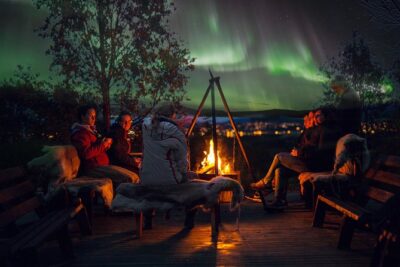
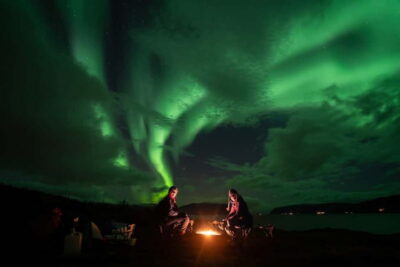
This is also where guide personality matters more than people think. Several guide names show up in the experience’s feedback—like Hanna, Gonzalo, Per, Jesper, Jonas, Daniel, Danijel, Sebastian, and others—and the pattern is consistent: guides focus on comfort, pacing, and staying positive while working the forecast. Some guides even bring extra touches, like starting a small fire for warmth when you’re stuck waiting, and keeping everyone engaged while the cold does its job of making you restless.
What you should take from this, as a practical traveler: don’t assume you’ll get lights at your first stop. The value is in the guide’s ability to keep the chase going without panicking the group.
If you’re hoping for aurora multiple times, this “move and wait” method is exactly what can make that happen. On good nights, people describe aurora appearing more than once, shifting across the sky, and building in intensity—then returning again.
Arctic Comfort While You Wait: Clothing, Snacks, and Cold Reality
Northern lights tours are mostly waiting. The tour improves when waiting is tolerable. This one tries to do that in a few ways.
First, you’re given warm lingonberry juice, gingerbread, and snacks during the evening. That doesn’t sound glamorous, but it keeps your energy steady when you’re standing around with minimal movement.
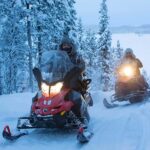
Second, they provide winter shell jackets and winter boots if you need them. That’s a real help if you packed like it was Stockholm in November instead of Swedish Lapland in winter. Still, don’t rely on borrowed gear alone. Wear warm layers under the shell jacket, and bring gloves you trust.
A tip that came up clearly in feedback: pocket warmers can make a huge difference. It’s not about comfort in theory—it’s about hands that stop working if the cold wins early.
You should also plan for the fact that the tour is outdoors in Arctic conditions for long stretches. That’s why the guide’s attention to comfort shows up in the way they run the stops—some nights include a campfire-style break, and there are mentions of extra warmth like sitting materials to protect from the cold ground.
One more “know before you go” detail: toddlers/children cannot join the tour, and it’s not suitable for wheelchair users. Also, if you have a fur allergy, the vehicles aren’t suitable—service animals are allowed.
Price and Value: Is $158 Worth It for Kiruna?
At $158 per person for a 6-hour experience, the biggest question isn’t whether you’re paying for a ride and a dinner. You are. The question is whether you’re paying for higher odds and better comfort during the long wait.
Here’s what your money buys that matters:
- A full aurora-chasing plan, including a forecast check before you move
- A guide who drives between spots if conditions change
- Dinner in a tepee plus warm drinks and snacks
- Pickup and drop-off at specific hotel locations within Kiruna city
If you’ve ever done a Northern Lights tour that feels like a fixed-viewing-point party, you know the downside: if the sky is wrong at that one stop, the rest of the night becomes a cold disappointment. This tour’s structure aims to reduce that risk by relocating when needed.
The no-guarantee reality is built in. You’ll be told the aurora can’t be guaranteed, and cloud cover can spoil visibility. That’s fair, but it’s also why the value is about your experience quality even if the aurora is late or faint.
Also, this is not an Aurora photography tour. So if you’re traveling only for camera instruction, this may not be the best fit. If you want the lights, warm drinks, smart planning, and a real Arctic evening vibe, the price feels more reasonable.
Who Should Book (and Who Might Want a Different Option)
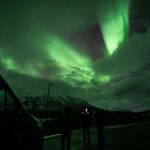
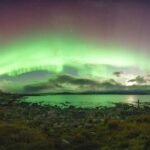
This tour makes the most sense if you want a classic Kiruna Northern Lights night with a warm start and a guide-led hunt. You’ll likely love it if:
- You’re visiting Kiruna for a first or second aurora attempt and want a plan beyond crossing your fingers
- You want a local-feeling dinner at Stejk Street Food in a tepee, not a sterile meal stop
- You can handle Arctic cold with layers, and you’re okay with waiting outside when the guide is working the sky
It may not suit you if:
- You need wheelchair accessibility (it isn’t suitable)
- You’re traveling with children under 12 (not allowed)
- You have a fur allergy and need vehicle compatibility considered
- You’re expecting a hands-on photography workshop (this is focused on viewing, not a photography class)
One more practical mindset shift: bring patience. This tour’s rhythm works because you’ll stay flexible—watch, wait, then move when conditions demand it. That’s what separates a “tour” from a true night hunt.
Should You Book This Stejk Street Food + Aurora Tour?
If you want a warm, local start (tepee street food) plus a guide who actively chases conditions with the latest forecast, I’d say yes, book it. The combo is strong: dinner and warmth first, then a real attempt to improve your aurora odds across the Kiruna–Abisko–Lapland region.
Just go in with two expectations set correctly. One: the aurora can’t be guaranteed, and cloud cover can happen. Two: this is not a photography tour—so plan for watching the sky, not getting photo training.
If you want the best odds and the best evening feel, this is a solid choice.
FAQ
How long is the Northern Lights tour?
The tour duration is 6 hours.
Where does the tour start?
It starts at Stejk Street Foods’ food truck and tepee in Kiruna’s old city.
Is hotel pickup included?
Pickup and drop-off are included at specific hotel locations in Kiruna City.
Do you provide winter jackets and boots?
Yes. Winter shell jackets and winter boots are provided if needed before the tour starts.
Is seeing the Northern Lights guaranteed?
No. Aurora Borealis is natural and cannot be guaranteed, and weather conditions are unpredictable.
What food and drinks are included?
The tour includes a local dinner at Stejk Street Food’s truck and tepee, plus warm lingonberry juice and gingerbread, along with snacks during the evening.
What language is the tour guide?
The live tour guide speaks English.
Can children or toddlers join?
Children under 12 years cannot join this tour. There is an option to contact the operator with a child’s details before booking if you think a child may be old enough.
Is this tour suitable for wheelchair users?
No. It is not suitable for wheelchair users.
Is this a photography-focused Aurora tour?
No. This is not an Aurora photography tour. You can bring your own mobile and camera, but the focus is not on photography instruction.