REVIEW · LEVI
Northern Lights Hunting Photography Tour in Levi
Book on Viator →Operated by Beyond Arctic · Bookable on Viator
If one night could feel like a story, this is it. In Levi, you’ll chase the Northern Lights with an experienced team, stop at the most promising dark-sky locations, and get practical photo help along the way. Small-group aurora hunting and edited photo delivery are the two things that jump out the most for me, especially if you want more than a quick “good luck” and hope. One consideration: the sky is never guaranteed, so some nights run on forecasts that can still miss.
Here’s what I really like: the way the guides run the hunt with a real-time check before choosing where to drive, plus the fact that you’re taken out of the crowd into quieter, more photographic spots. You’re also looked after with hot drinks and snacks and the kind of comfort that matters when you’re waiting in winter darkness. The only drawback is honest but important: if the aurora is weak or the region stays cloudy, your evening can feel like a long night of driving rather than a clear lights show.
In This Review
- Key Points You’ll Care About
- Levi Aurora Hunting Is a Numbers Game (So the Plan Matters)
- The Small-Group Advantage: 2 to 8 Means You Get Help
- Where Your Night Starts: Beyond Arctic Levi and the First Briefing
- Stop 1 Around Levi: Weather Checks and Spot Hopping
- What I’d watch for
- Stop 2 in Lapland: Premium Minivans and Quiet Private Locations
- Photo time that doesn’t feel chaotic
- Gear and Warmth: Headlamps, Tripods, and Less Guesswork
- What you should bring anyway
- Duration and Timing: 4 to 6 Hours in Real Winter Terms
- Price: About $147.69 and What That Buys You
- Who This Tour Fits Best (And Who Might Prefer Something Else)
- Practical Tips to Boost Your Odds and Enjoy the Night
- The Reality Check: Aurora Is the Prize, Not the Guarantee
- Should You Book This Northern Lights Photo Tour in Levi?
- FAQ
- How long is the Northern Lights hunting photography tour in Levi?
- Is pickup included in central Levi?
- Where is the meeting point?
- How many people are on the tour?
- What’s provided for cold and night photography?
- Does the tour provide edited photos?
- What languages is the tour offered in?
- What is the minimum age for participants?
- Is the tour cancelled if the weather is poor?
- What is the cancellation policy if I change plans?
Key Points You’ll Care About
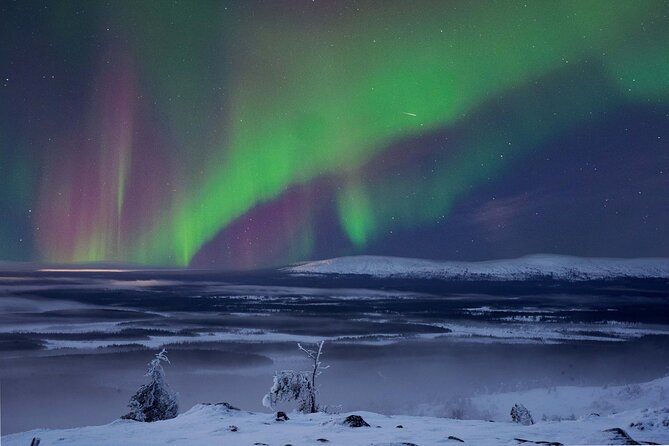
- Real-time weather and aurora briefings before the direction of the night is chosen
- Small group size (2–8 guests) for more personal guidance
- Drive plan with 2–3 locations based on local cloud breaks and photographic chances
- Private, less-crowded shooting spots for calmer viewing and better framing
- Photo support plus headlamps and the delivery of edited images afterward
- Hotel pickup and drop-off for an easier start and finish in Levi
Levi Aurora Hunting Is a Numbers Game (So the Plan Matters)
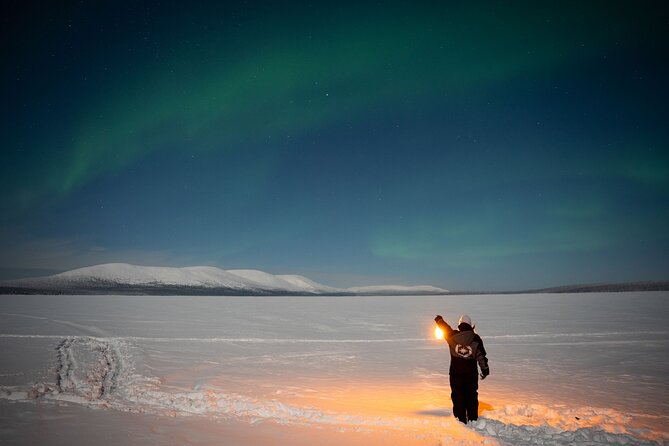
Northern Lights hunting in Finnish winter is part science, part timing, part luck. The best tours don’t just say aurora hunting; they manage uncertainty by moving to where the sky is most likely to clear. This tour does that with a simple idea: during the night, you’ll typically go to 2–3 different locations, chosen according to current cloud conditions and photo opportunities.
That flexibility is what you’re paying for. If the lights are visible around Levi but blocked where you started, the hunt shifts. And if the odds look good farther away—say there’s a chance of seeing aurora roughly 100 km away—the group can be taken there when it’s worth it.
You can also read our reviews of more tours and experiences in Levi.
The Small-Group Advantage: 2 to 8 Means You Get Help
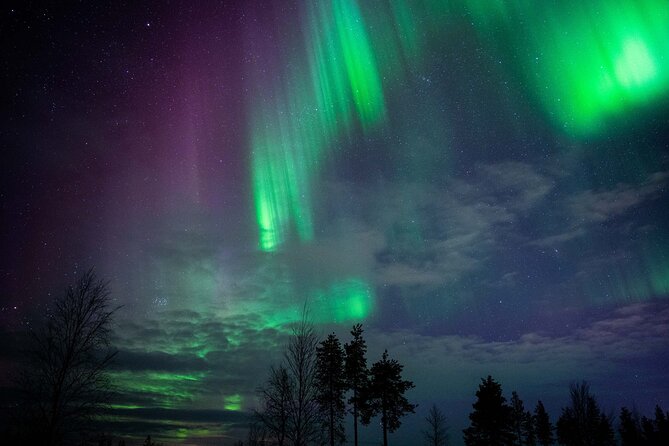
One of the biggest quality signals here is the group size: maximum 8 people, often in the 2–8 range. With that setup, it’s easier for a guide to read the room—who needs help setting a tripod, who’s nervous about using a phone at night, and who wants a quick technique tip versus full coaching.
You also feel the difference in how the night flows. You’re not packed into a huge bus where everyone is guessing what to do. Instead, the team can adjust pacing and shooting positions while keeping the group warm and organized.
In the feedback, I kept seeing praise for guides who are patient and persistent—like Nina, described as tenacious and a very good driver, and Emma, credited with being lovely and helpful. Even when the lights are active, aurora photography is still hands-on work, and small groups help a lot.
Where Your Night Starts: Beyond Arctic Levi and the First Briefing
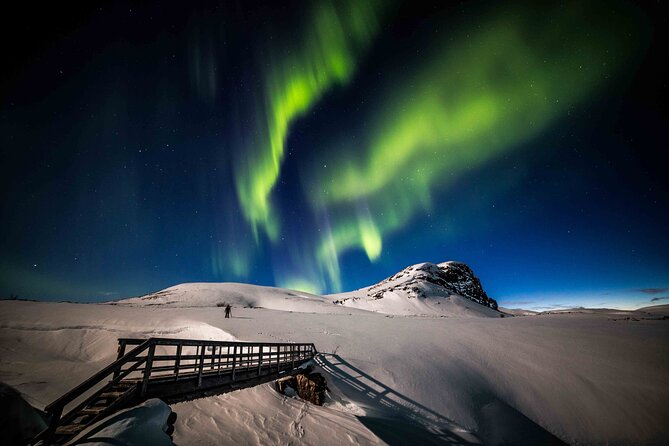
Your tour begins at the Beyond Arctic Levi office area near the tourist information, with a clear meeting point in Levi/Sirkka. If you’re staying in central Levi, pickup is arranged from the central area hotels within the defined radius, and you’re typically told to meet about 15 minutes before departure at the office.
If you’re outside central Levi, pickup is still included, but it’s scheduled differently—usually you’ll be met at your accommodation within about 10 kilometers of Beyond Arctic Levi, and the meeting time is communicated based on where you are. In practice, that means you should plan to be ready a bit early and keep your phone charged for any updates sent by the operator.
The first thing you do once you’re together isn’t gear—it’s a short briefing. You’ll get a snapshot of weather, an aurora forecast, and where the day’s plan is headed. That early context helps you manage expectations without feeling like you’re being rushed into the dark.
Stop 1 Around Levi: Weather Checks and Spot Hopping
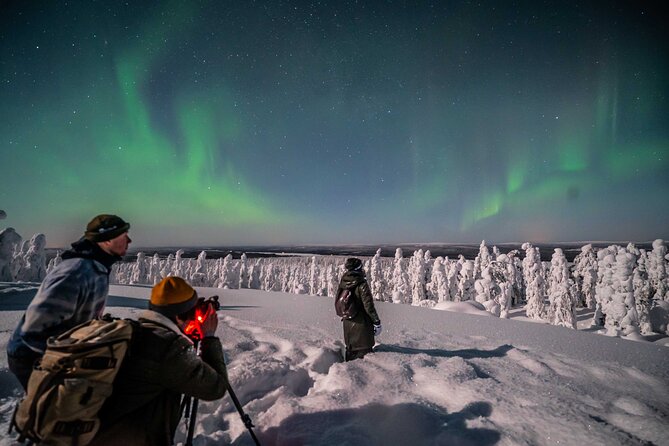
The opening phase is built around decision-making. After meeting and briefing, the team heads out, and the night usually includes multiple locations. The core logic is simple: they pick spots based on local conditions, especially where the sky has the best chance to be clear enough to see aurora—and where you’ll have a good view to photograph it.
A key detail for you as a photographer: the tour doesn’t treat every stop as the same. Some locations may be chosen for aurora visibility, while others are selected for better photographic angles or stronger light potential. That’s why you’ll be driving during the hours when most first-timers assume they should just wait.
What I’d watch for
The main consideration at this stage is time outdoors. It can be colder than you expect, especially when you’re standing still long enough to frame and focus. In feedback, one couple noted the cold might be more intense than they imagined and recommended solid personal cold-weather prep. So even if the tour provides headlamps and warm support, you still want your own insulation game plan.
Stop 2 in Lapland: Premium Minivans and Quiet Private Locations
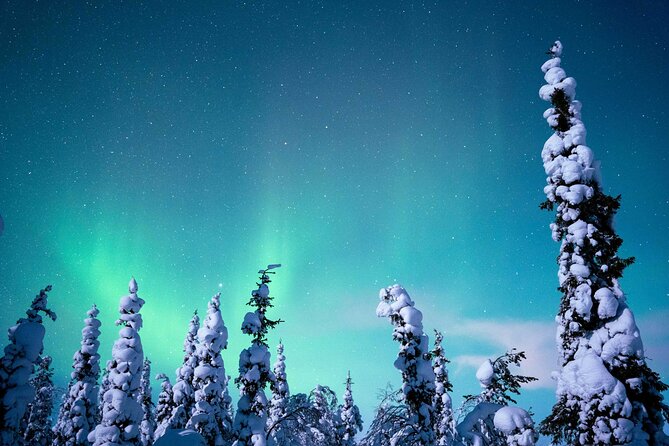
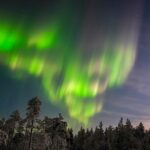
The second major part of the experience starts with the deeper aurora hunt energy. You’ll begin with another real-time briefing on weather and aurora activity, then the guide chooses a direction. If the best chances are farther from the city, the minivans travel to those areas so the sky isn’t fighting lights pollution and crowds.
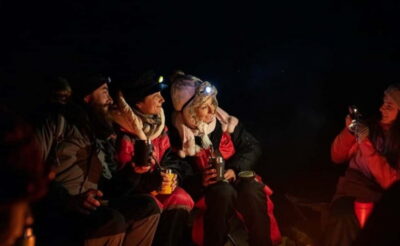
This is where you’ll likely appreciate the comfort setup: travel in a premium minivan designed for winter conditions, with warm clothing, hot drinks, and snacks included. For you, that matters because it keeps the night from turning into a test of endurance. When you’re warm enough to focus, you get more out of the photos and the viewing.
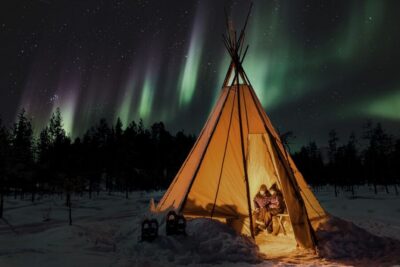
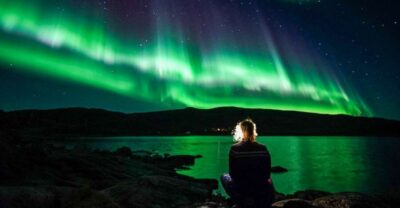
Then comes the shooting phase: as the sky starts to glow, you’ll be taken to exclusive private locations, typically away from crowds. The point is quiet. It’s easier to take steady photos when the group isn’t being constantly disrupted, and it’s a calmer feeling when you’re watching aurora roll in rather than listening to a parking-lot crowd.
Photo time that doesn’t feel chaotic
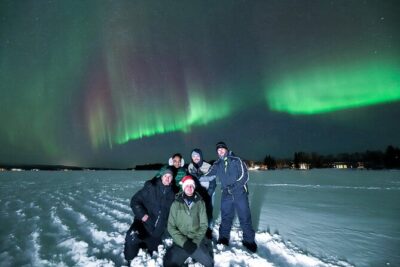
A photographer is part of the team, and the goal is images you can actually be proud of. One review praised how the guide was excited and captured many photos for everyone, while another mentioned instruction and support that helped them get aurora shots even with a smartphone. The tour also provides headlamps and shooting support, and it includes collection of edited photos, so you’re not left with a folder of blurry maybes.
Gear and Warmth: Headlamps, Tripods, and Less Guesswork
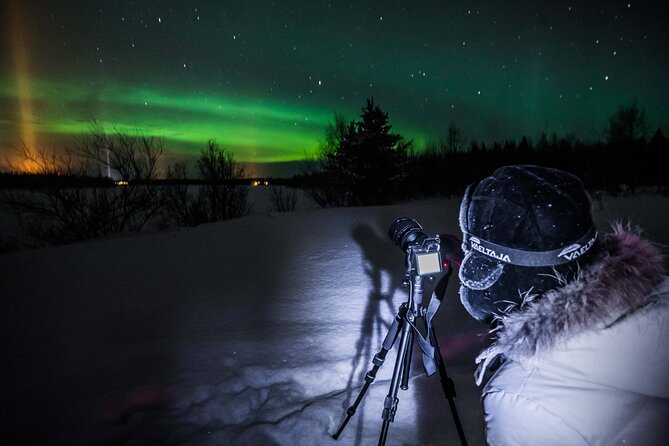
Gear needs in aurora photography fall into two categories: visibility and stability. You need light for finding settings, and you need steadiness for long exposures. This tour includes headlamps, which is a big help when you’re setting up in darkness. In multiple accounts, the team also provided tripods, which makes a huge difference compared to improvising with a phone against a mitten.
You’ll also have BBQ gear listed as included. The data doesn’t spell out the exact food setup, so I wouldn’t assume a full cookout. But you can safely assume there’s a built-in comfort and warmth element beyond just drinks.
What you should bring anyway
Even with tour support, you’ll be happier if you bring your own cold-weather essentials:
- warm base layers (you’ll be outside more than you think)
- gloves that work for phone/camera controls
- an extra hat or hood
- boots with good traction for snow and ice
If you’re planning to shoot with an iPhone, it’s worth knowing that one feedback note specifically called out iPhone guidance, including coaching on how to take photos in the cold. That suggests they don’t only cater to DSLR users.
Duration and Timing: 4 to 6 Hours in Real Winter Terms
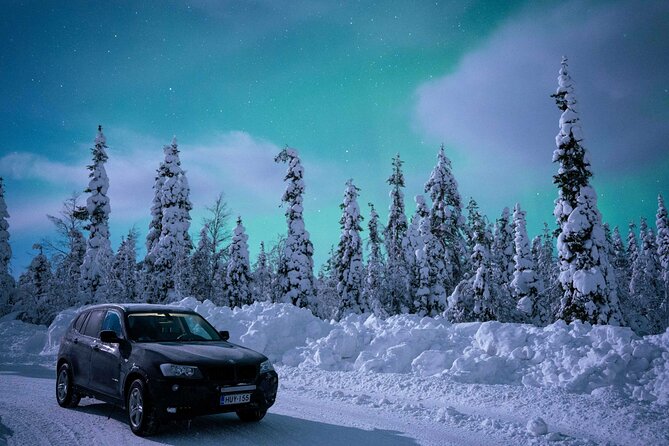
The tour runs about 4 to 6 hours. That’s long enough for the team to drive, hunt, and give you multiple chances at clear-sky windows. It’s also short enough to keep you from turning the evening into a half-day suffering session.
In one successful night story, the travel to the first spot was described as around 15 minutes, and aurora was visible soon after stepping out. That’s not a promise, but it shows how quickly the plan can pay off when conditions cooperate.
When aurora is active, you’ll likely spend time waiting between bursts of activity. When conditions are less cooperative, the driving and searching phase can dominate more of the time. Either way, you’re not just stuck—there’s a structure and a purpose to the movement.
Price: About $147.69 and What That Buys You
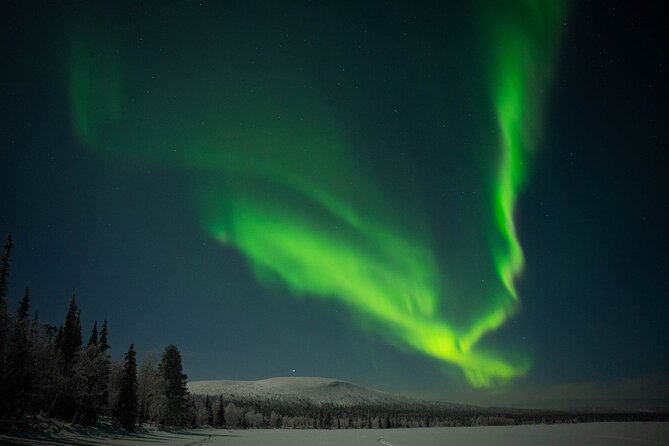
At $147.69 per person, this isn’t the cheapest “ride out and hope” kind of activity. It’s priced closer to a guided photographic experience with real logistics: a small team, winter-ready transportation, warmth support, and a professional photography component that includes edited photos.
Here’s how I’d think about value:
- You’re paying for the team’s ability to read conditions and choose locations quickly.
- You’re paying for comfort during waiting time: hot drinks and snacks, plus help with setup.
- You’re paying for outcomes beyond the live view: edited images so you don’t need perfect night skills.
If you’re traveling as a couple or family and want fewer hassles, the pickup and drop-off in central Levi can make the whole thing feel easier than organizing your own aurora car hunt. And since this tour is commonly booked about 19 days in advance, it’s not a last-minute whim for many people.
Who This Tour Fits Best (And Who Might Prefer Something Else)
This tour is a strong fit if you:
- want a guided aurora hunt with a clear plan and real-time decision-making
- care about photography help, not just sightseeing
- prefer small-group outings over large buses
- appreciate hotel pickup to reduce stress after a long day
It’s also suitable for mixed skill levels. The minimum age is 10, and the tour is offered in English. Service animals are allowed too.
Who might hesitate? If your top priority is guaranteed aurora footage, you’ll want to know the truth: the sky controls the outcome. One disappointed account criticized the operator for running despite a forecast that suggested no chance. That highlights the core reality of aurora tours—forecasting is imperfect, and the team can still choose to go because sometimes the sky clears in ways that forecasts missed.
Practical Tips to Boost Your Odds and Enjoy the Night
The fastest way to improve your experience is to treat the evening like a cold-weather mission, not a casual stroll.
1) Dress for waiting, not just walking. Aurora hunts can include standing still for stretches. Warm layers are your best photo accessory.
2) Charge devices and bring backup power if you’re shooting a lot. Cold drains batteries.
3) Use the provided setup. With headlamps and (often) tripods, follow the guide’s positioning. Less guessing equals better results.
4) Be ready to move. The plan can shift across multiple locations, and that’s part of how you get a better chance.
5) Ask questions early. The briefing time is your advantage. If you’re unsure about camera settings or phone apps, get clarity before the sky gets active.
If you’re aiming for smartphone photos, lean on the coaching they offer. One iPhone-focused note in feedback mentioned instruction on how to shoot, and that kind of guidance is exactly what makes the difference between dark screens and actual aurora captures.
The Reality Check: Aurora Is the Prize, Not the Guarantee
Northern Lights hunting is one of those experiences where you can do everything right and still get a cloudy sky. Even with careful planning, forecasts can miss, and weather systems can change faster than anyone can predict.
What I like about this operator is the approach: they prioritize finding clear skies when possible, and they’re willing to drive farther if the odds are still worth it. Still, you should set your mindset accordingly. Think in terms of maximum effort for best chance, not guaranteed lights.
If you’re the type who needs high certainty before buying anything, consider this: the value here comes from the hunt itself—the guides, the movement to private spots, and the photo support. If the sky delivers, it’s magical. If it doesn’t, you still walk away with guidance and edited photos from the attempt.
Should You Book This Northern Lights Photo Tour in Levi?
I’d book it if you want the easiest way to hunt aurora with a small group and a photography-first guide team. The combination of expert spot selection, warm comfort, and edited photo results makes it feel like a complete experience, not just transport to a viewpoint.
I’d reconsider if your schedule is tight and you can’t handle the possibility of weak aurora or extra time driving. For nights with heavy cloud cover, the tour may still run, and that can be frustrating if you expect certainty based on forecasts.
If you do book, go in prepared for cold, trust the guide’s real-time choices, and take the photo coaching seriously. That’s where the night gets good fast.
FAQ
How long is the Northern Lights hunting photography tour in Levi?
The tour typically runs about 4 to 6 hours.
Is pickup included in central Levi?
Yes. Pickup is included for guests staying in central Levi area (within the defined central area hotels), with meeting time at Beyond Arctic Levi about 15 minutes before tour start.
Where is the meeting point?
The meeting point is the Beyond Arctic Levi office at Myllyjoentie 2 (near tourist information).
How many people are on the tour?
The group is kept small, with a maximum of 8 travelers per booking.
What’s provided for cold and night photography?
Hot drinks and snacks are included, and headlamps are provided. The tour also includes hunt for the Northern Lights and minivan transportation.
Does the tour provide edited photos?
Yes. The experience includes a collection of edited photos.
What languages is the tour offered in?
The tour is offered in English.
What is the minimum age for participants?
The minimum age is 10 years.
Is the tour cancelled if the weather is poor?
It requires good weather. If it’s canceled due to poor weather, you’ll be offered a different date or a full refund.
What is the cancellation policy if I change plans?
You can cancel up to 24 hours in advance for a full refund. If you cancel less than 24 hours before the start time, the amount paid is not refunded.