REVIEW · ROVANIEMI
Ski Trekking under the Northern Lights
Book on GetYourGuide →Operated by Wild about Lapland · Bookable on GetYourGuide
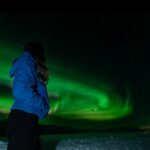
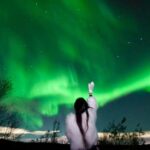
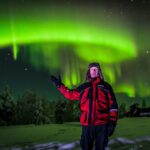
Backcountry skiing under aurora clouds sounds unreal. This 3.5-hour Northern Lights ski trek takes you out of Rovaniemi and into quieter snow country, where your guide picks a spot with better odds for a dark sky. You’ll also warm up around a campfire with Finnish-style snacks while learning how the Arctic sky works.
I love the hands-on feel of backcountry skiing here. The skis have skins on the bottom, so you can go uphill and downhill without needing special alpine gear or special boots. I also like the pacing and people size: groups are limited to 8 participants, so your guide can actually help with technique in fresh snow.
One thing to plan for: the aurora is never guaranteed, and if weather is rough you may still be doing a slower, more careful slide than you expected—especially if you were hoping for a big adrenaline skiing show.
In This Review
- Key things that make this ski trek worth your time
- Why This Backcountry Ski Trek Works for Northern Lights Season
- The 3.5-Hour Timeline: What You Do From Start to Finish
- Start with pickup rules (and where to meet if you’re in the city center)
- Gear up: warm overalls, boots, and backcountry ski kit
- Getting your bearings before the move into the wilderness
- Drive out of Rovaniemi for darker skies
- Ski trekking in the woods: the main show (and the main test)
- The halfway campfire stop: warmth, snacks, and aurora talk
- Downhill time and the return
- Backcountry Skiing Here: Why It’s Beginner-Friendlier Than You Think
- Northern Lights: How This Tour Improves Your Odds (Without Promising Results)
- Group Size and Guide Support: Why It Feels Personal
- What’s Included (and How That Changes the Value)
- Who This Tour Suits Best (And Who Should Skip It)
- Price and Logistics: The Real-World Things to Plan
- Dress for cold, even with provided overalls
- Expect weather flexibility
- Bring the right mindset for skiing in snow
- Should You Book This Northern Lights Ski Trek?
- FAQ
- FAQ
- How long is the ski trekking tour?
- Where do we meet in Rovaniemi?
- Is Northern Lights viewing guaranteed?
- What skiing experience level is this for?
- What’s included in the price?
- What should I bring with me?
- Is the tour available in bad weather?
- Who can’t join this tour?
- Can I cancel for a refund?
Key things that make this ski trek worth your time
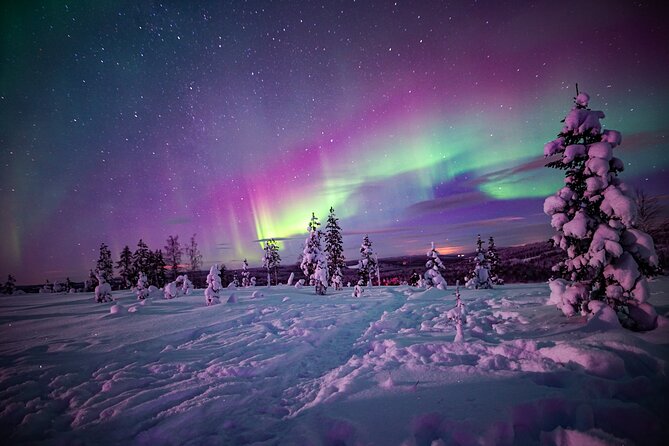
- Backcountry skis with skins help you handle hills with less speed and less fuss
- Small group size (max 8) means more attention during a beginner-friendly session
- Campfire snack + hot drinks halfway through gives you a real Arctic break
- Darker viewing locations are chosen to improve Northern Lights visibility away from city light
- Runs in any weather so the tour doesn’t vanish just because the forecast looks shaky
Why This Backcountry Ski Trek Works for Northern Lights Season
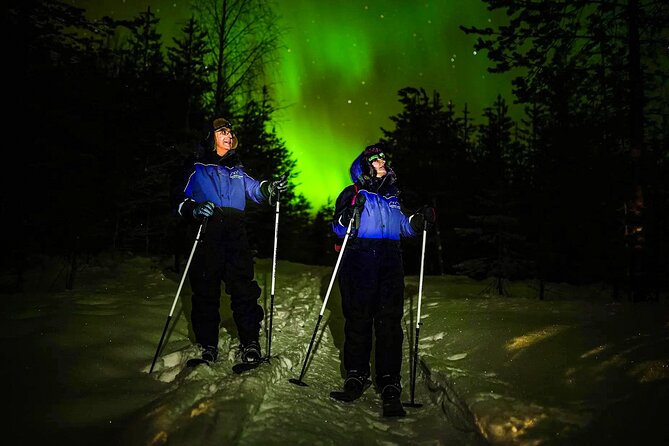
If you’re chasing the Northern Lights, you usually spend time doing two things: finding a dark place and staying outside long enough to see what the sky decides to do. This tour combines both, but with a twist. Instead of standing still and hoping, you’re moving through the snow first, then stopping to watch the sky when conditions are best.
That movement matters. Cold nights are tiring, and long waits can turn into restless fidgeting. Ski trekking gives you something physical to do, with clear guidance for how to handle the skis on deep snow. You get the Arctic experience in a way that feels active, not like a rushed nighttime waiting game.
Also, the tour is built around the reality that the Northern Lights are natural. Your guide’s job is to choose a location far from Rovaniemi where your eyes have a better chance to pick up the lights if they appear. Even when the aurora prediction is low, you still get real time out in Lapland’s winter wilderness.
You can also read our reviews of more tours and experiences in Rovaniemi.
The 3.5-Hour Timeline: What You Do From Start to Finish
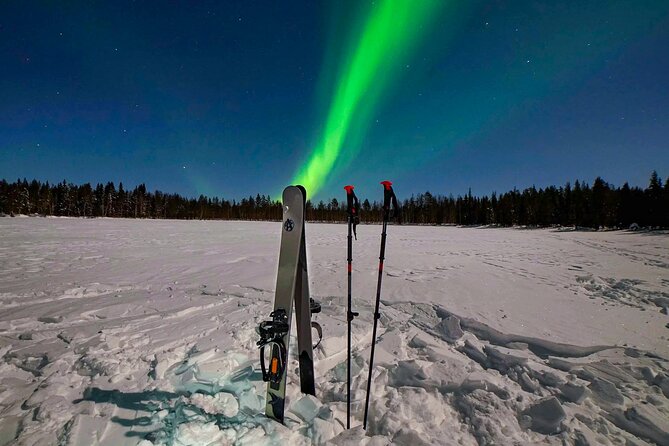
This is a tight, focused tour: 3 hours and 30 minutes total, including transportation, skiing, and the halfway warm-up. Most of your active time in nature is around 90–120 minutes, depending on your level.
Here’s how the flow typically works, and what to watch for.
Start with pickup rules (and where to meet if you’re in the city center)
If you’re staying outside the city centre, you’ll be picked up and dropped off. If you’re in the Rovaniemi city center, the operation has shifted away from city pickups, so you’ll need to walk to their office at Rovakatu 24, 96200 Rovaniemi. If you’re farther out (for example, places outside the city area like Apukka Resort), a surcharge may apply.
This matters because it affects how early you should leave your hotel. If you’re not used to Finland winter logistics, it’s worth planning extra time for the walk in cold weather.
Gear up: warm overalls, boots, and backcountry ski kit
Once you meet your guide, you’ll get outfitted with winter gear: professional winter overalls and boots, plus the skiing equipment (skis and poles). Backcountry skiing here is designed to be approachable. Unlike more equipment-heavy styles, you don’t need specific boots you might own for another type of skiing.
If you’re worried about dressing correctly, take comfort in the fact that cold-weather clothing is provided. Still, bring what the tour asks for—especially warm layers—because you’ll be outside in deep winter air.
Getting your bearings before the move into the wilderness
Before you start cruising, your guide handles two important things: safety instructions and basic technique for fresh snow. Because backcountry skis can climb as well as glide, the mechanics are different from what many people expect from skiing. The goal is to teach you how to control speed and how to move smoothly when the snow is soft and uneven.
If you’ve never used skins before, expect a short learning phase. This is not freestyle park skiing. Think controlled travel through snowy terrain with steady form.
Drive out of Rovaniemi for darker skies
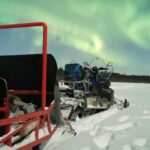
After gear-up and initial technique, you’ll head away from Rovaniemi by transportation. This is one of the most underrated parts of the experience. The farther you get from city lights, the easier it is for your eyes to notice faint aurora activity.
Also, leaving the city helps you feel the Arctic “switch flip” from everyday noise to quiet snow silence.
Ski trekking in the woods: the main show (and the main test)
When you start skiing, the terrain is remote and covered in deep snow, and the guide chooses a location based on your group’s level. Skis with skins let you go uphill without the runaway speed that can happen on un-aided skis, and you’ll also be able to descend while staying in control.
In practice, this means you should be prepared for effort. You’re not just lightly sliding down groomed trails. Even with skins, uphill work and deep snow resistance will get your heart rate up.
A review note worth taking seriously: if you go into it expecting fast, sporty downhill runs, you might feel disappointed. Some people find the experience closer to careful travel than high-speed skiing, especially if visibility is poor and the focus shifts toward safety and pacing.
The halfway campfire stop: warmth, snacks, and aurora talk
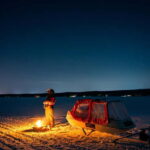
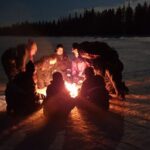
About halfway through, your guide lights a fire for campfire snacks and hot drinks. This is more than a break. It’s a chance to slow down, refuel, and ask questions about life in the Arctic and the Northern Lights.
This pause is where the tour becomes emotionally memorable. You’ll have a warm pocket of time in the middle of a cold, quiet forest, and that contrast makes the whole night feel more real. Also, seeing the sky from near a campfire (then stepping out into the cold again) helps you adapt your eyes to darkness.
Downhill time and the return
After the snack break, you’ll keep skiing through the wilderness route your guide mapped out for your group. Expect a relaxed finish rather than a race. When the skiing window ends, you’ll head back to Rovaniemi for drop-off.
The total time is short enough that you get the experience without losing the whole night to logistics. That’s a big part of the value if you want aurora chances but also have other Lapland plans.
Backcountry Skiing Here: Why It’s Beginner-Friendlier Than You Think
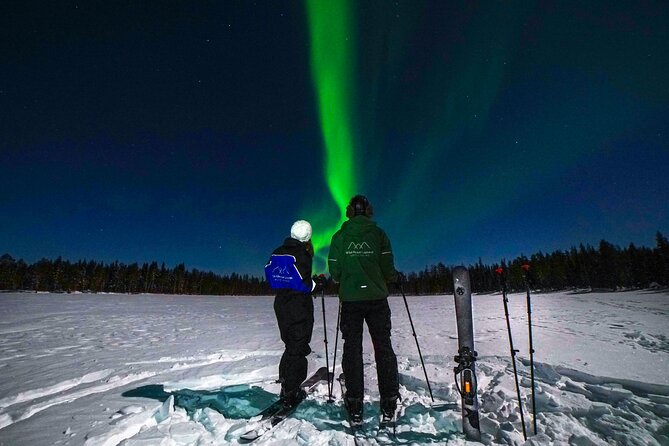
This tour leans into a smart idea: if you want people to enjoy backcountry snow, you can’t demand advanced skills up front. So instead of only offering experienced skiers a steep learning curve, the program uses gear and technique designed to keep things workable.
Here’s what makes it more accessible than many people assume:
- Skins on the bottom help with uphill traction and reduce uncontrolled sliding
- You’re not required to have specialty boots beyond what’s provided
- Fresh-snow technique is taught on the route, not just described
In other words, this is not about becoming a backcountry expert in one night. It’s about getting out into remote Lapland and feeling comfortable enough to enjoy the quiet.
Still, the tour isn’t “no-effort.” Deep snow travel has a physical component. If you’re generally fit and used to cold exposure, you’ll likely feel good. If you’re not, you’ll still manage with pacing, but you should know it won’t be effortless.
Northern Lights: How This Tour Improves Your Odds (Without Promising Results)
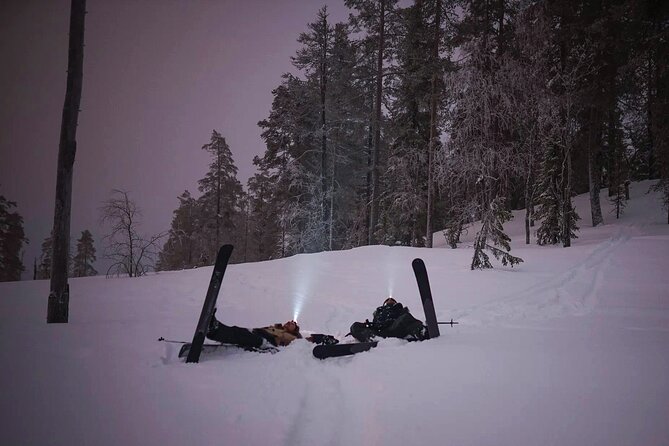
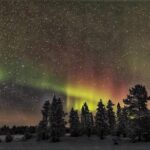
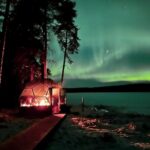
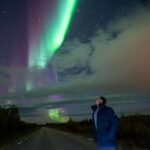
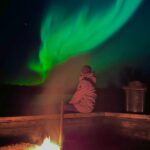
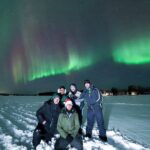
The Northern Lights are a natural phenomenon. Color, timing, and intensity can’t be guaranteed. What you can control is the situation you put yourself into.
This tour helps by:
- Going to locations well away from Rovaniemi
- Using a guide to choose a viewing spot that gives you better dark-sky conditions
- Running in any weather, which means you still get something valuable even when the aurora odds are lower
If you get clouds, you might miss the lights. But even without aurora, you’re not wasting the evening. You’re out skiing and experiencing winter nature, plus you have time under a clear sky to look up—especially when you pause during the campfire segment.
One practical tip if you want the best viewing experience: keep your attention on the sky during the aurora-focused moments, and don’t spend the entire time looking at your phone. Dark adaptation helps, and it’s easier to spot faint movements when your eyes aren’t switching back and forth.
Group Size and Guide Support: Why It Feels Personal
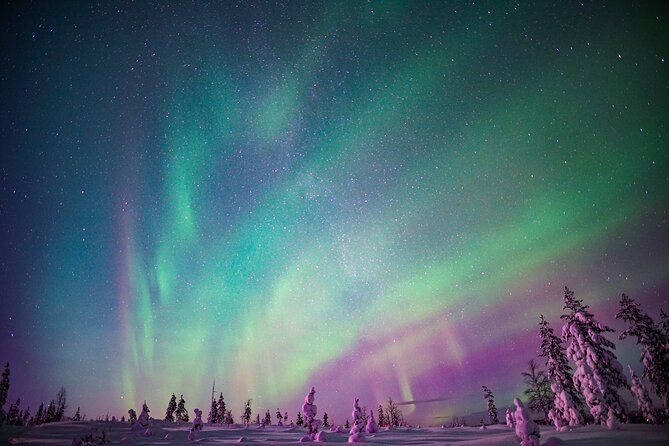
With a maximum of 8 participants, you’re unlikely to get lost in the crowd. That matters when you’re learning technique in deep snow.
In small groups, a guide can:
- Adjust pacing so beginners don’t fall behind
- Spot when someone is using the wrong angle or stance
- Offer quick fixes before it becomes frustrating
- Answer questions without rushing
One review highlighted the guide teaching a practical skill mid-tour—learning to make fire using materials found in nature. That kind of moment fits the tour’s overall vibe: guided adventure with real Arctic know-how, not just a photo stop.
And if you’re traveling solo, small groups can actually feel less intimidating. You’ll still get teamwork energy, but with space for individual attention.
What’s Included (and How That Changes the Value)
At $140 per person for about 3.5 hours, the price looks fair once you list what you’re getting beyond a simple “take photos and go” outing.
Included items cover the core costs that can add up fast:
- Hotel pickup/drop-off (with the city-center office walk rule)
- Transportation to remote areas
- Full skiing kit: skis and poles, plus winter overalls and boots
- A professional guide
- Campfire snacks and hot drinks
- Taxes and fees
You’re also getting a smaller-group experience designed to avoid mass tourism. That’s not a marketing promise; it changes how the guide can teach and manage safety while you move in deep snow.
If you’re comparing this to a cheaper aurora tour that provides no equipment and no real activity time, you’ll likely feel more “paid for” here. You’re not just buying sky-watching. You’re buying gear, instruction, transport, and a meaningful Arctic break.
Who This Tour Suits Best (And Who Should Skip It)
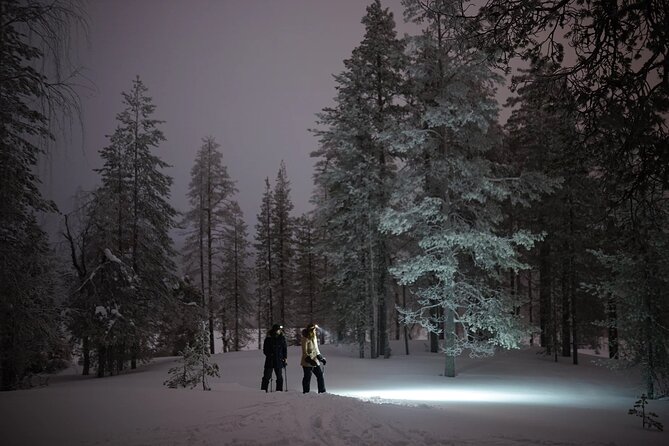
This ski trek is ideal if you want:
- An active Northern Lights night, not only waiting outside
- A first exposure to backcountry skiing
- A quieter Arctic experience in deep snow, away from city lights
- A small-group guide who can help you learn safely
It’s not a fit for everyone. The tour isn’t suitable for:
- Children under 12
- People with heart problems or other serious medical conditions
- Anyone who can’t handle cold endurance and mild effort in winter conditions
So if you’ve got a medical limitation, don’t guess. Ask your doctor first. Then ask the tour operator if you’re unsure—because deep winter exposure isn’t something you want to improvise.
Price and Logistics: The Real-World Things to Plan
A few practical points can make the difference between a smooth night and a frustrating one.
Dress for cold, even with provided overalls
You’ll be provided winter clothing, but you still need your own warm clothing for layers and comfort. You’ll also want to bring water. In cold weather, it’s easy to forget hydration until you feel drained.
Expect weather flexibility
This safari operates in any weather conditions. That means you should dress for what you’ll actually experience, not what you hope for. If the sky is clear, great. If it’s cloudy, you’ll still ski.
Bring the right mindset for skiing in snow
If you treat this like cross-country training on groomed loops, you might be confused. Backcountry skiing here is more about sliding and traveling through soft snow with guidance, not about racing.
That’s why small-group help matters so much. You’re building confidence step by step.
Should You Book This Northern Lights Ski Trek?
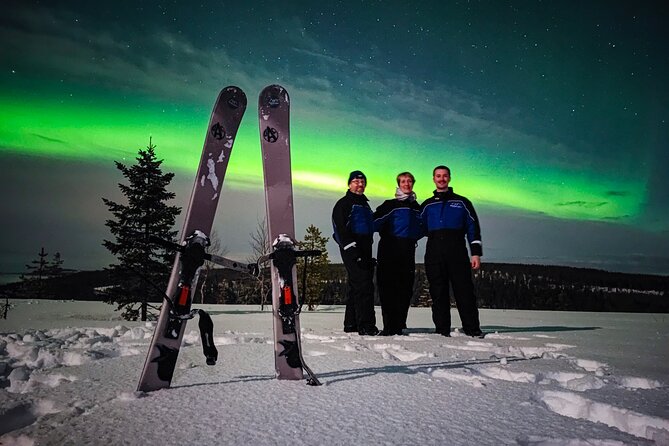
I’d book it if you want an aurora chance that doesn’t feel passive. The combination of remote viewing locations, a campfire warm-up, and actual time on backcountry skis makes it a strong value option in Lapland.
Skip it (or choose carefully) if you:
- Need guaranteed Northern Lights
- Have medical limits that make cold endurance risky
- Expect fast, sporty downhill skiing rather than guided travel in deep snow
If you want a realistic Arctic night with a real dose of Lapland—skiing first, sky-watching second—this is a very solid pick.
FAQ
FAQ
How long is the ski trekking tour?
The tour lasts 3 hours and 30 minutes total, including transportation and the campfire snack. Skiing time in nature is about 90–120 minutes, depending on your level.
Where do we meet in Rovaniemi?
If you’re staying in the Rovaniemi city center, you’ll be asked to walk to the office at Rovakatu 24, 96200 Rovaniemi instead of receiving a city pickup. If you’re not in the city center, pickup may be available.
Is Northern Lights viewing guaranteed?
No. The Northern Lights are natural, so seeing them cannot be guaranteed. The tour improves your odds by going to locations well away from Rovaniemi.
What skiing experience level is this for?
It’s designed to be comfortable for beginners, with safety instructions and technique tips for skiing in fresh snow. The guide will choose a route based on the group’s level.
What’s included in the price?
The tour includes transportation, a professional guide, skiing equipment (skis and poles), and winter overalls and boots. You also get campfire snacks and hot drinks, plus taxes and fees.
What should I bring with me?
Bring warm clothing and water. Cold-weather clothing is provided, but your own layers still matter for comfort.
Is the tour available in bad weather?
Yes. The safari runs in any weather conditions, even if the Northern Lights prediction is low.
Who can’t join this tour?
It’s not suitable for children under 12, and it’s not recommended for people with heart problems or other serious pre-existing medical conditions. Alcohol and drugs are also not allowed.
Can I cancel for a refund?
Yes. You can cancel up to 24 hours in advance for a full refund.