REVIEW · TROMSO
Tromsø: 24hr Northern Lights & Whale Watching Cruise
Book on GetYourGuide →Operated by Norwegian Travel · Bookable on GetYourGuide
Whales and aurora in one unforgettable night. I love the combination of whale watching and an ocean-facing cabin that makes the overnight feel comfortable, not like a long cold wait. I also like that the trip is guided start to finish, with Northern Lights science plus whale-focused talks tied to what you’re actually seeing. The main drawback is simple: aurora activity depends on weather and timing, so you’re not guaranteed a big display.
What makes this outing especially appealing is the way it’s built around long hours at sea—board at 19:00, watch the sky darken as Tromsø fades, and keep time outside running through the night. The deck is open 24 hours, and you get thermal flotation suits, so you can actually stay out there without turning it into a suffering contest.
In This Review
- Key highlights worth your attention
- Why an overnight Tromsø cruise is the smarter move for both aurora and whales
- Tromsø Harbour Prostneset boarding: what you’ll do before the sea takes over
- Dinner at 20:30 and the Northern Lights lecture at 22:00
- The long night at sea: deck time, wake-up calls, and real patience
- Morning in the fjords: breakfast at 08:00 and a glacier in sight
- Whale watching with humpbacks, orcas, and sea eagles overhead
- Lunch, a second talk, and the Norwegian snack moment at 15:30
- Food, cabins, and value: what you’re really buying for $1,179
- Who should book this cruise, and who should think twice
- Should you book the Tromsø 24-hour Northern Lights and whale cruise?
- FAQ
- How long is the cruise?
- Where do I meet for the tour?
- What kind of cabin is included?
- What meals are included onboard?
- What’s the Northern Lights viewing plan on this cruise?
- Is the ship’s deck open all night?
- What wildlife can you expect to see?
- How long is the whale watching time?
- What should I bring?
- Is the tour in English, and can I cancel?
Key highlights worth your attention
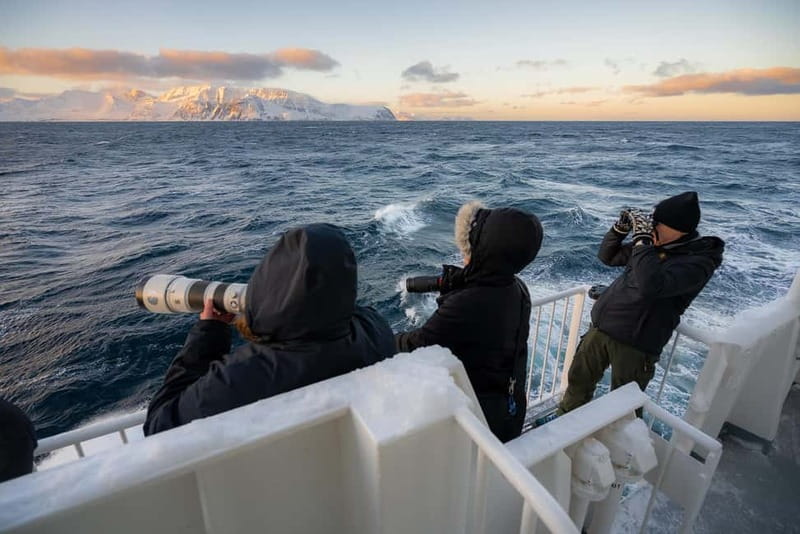
- 24-hour open deck means you can chase aurora from outside at any hour.
- Ocean-facing private cabins with en-suite bathrooms keep the cold from taking over your trip.
- Flexible Northern Lights lecture at 22:00 can pause if aurora shows up early.
- A full morning in the whale area supports longer, more natural wildlife observation.
- Humpbacks and orcas are common possibilities, plus occasional sea eagles overhead.
- All-inclusive onboard meals (dinner, breakfast, lunch) help you stay focused on the experience.
Why an overnight Tromsø cruise is the smarter move for both aurora and whales
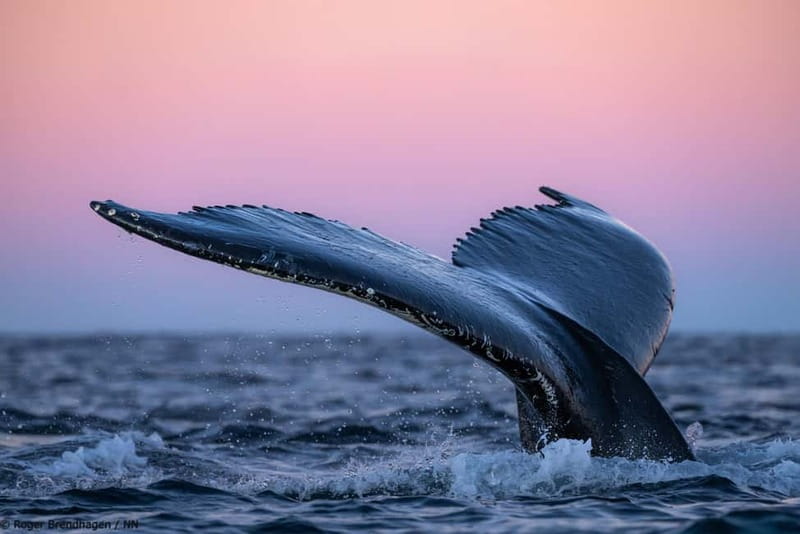
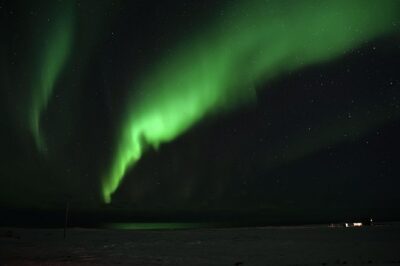
If your goal is Northern Lights, timing matters. On many short trips, you spend a chunk of the night moving around or waiting in daylight-laced schedules. Here, you start in the evening and head out so Tromsø’s lights fade as the night settles in. That alone improves your odds of seeing the aurora because you’re not constantly yanked back toward bright shore glow.
For wildlife, the longer stretch also helps. You get an extended whale-watching window in the morning, rather than a quick stop where you might miss the real action. The result is a trip that feels calmer. You’re not sprinting from moment to moment. You’re letting the sea and the animals do their thing, while a guide helps you understand what you’re seeing.
There’s also a practical comfort angle. You’re not just hoping for the sky to cooperate; you’re also sleeping on the ship, eating warm meals onboard, and having gear to stay outside. That makes the whole night feel manageable.
You can also read our reviews of more tours and experiences in Tromso.

Tromsø Harbour Prostneset boarding: what you’ll do before the sea takes over
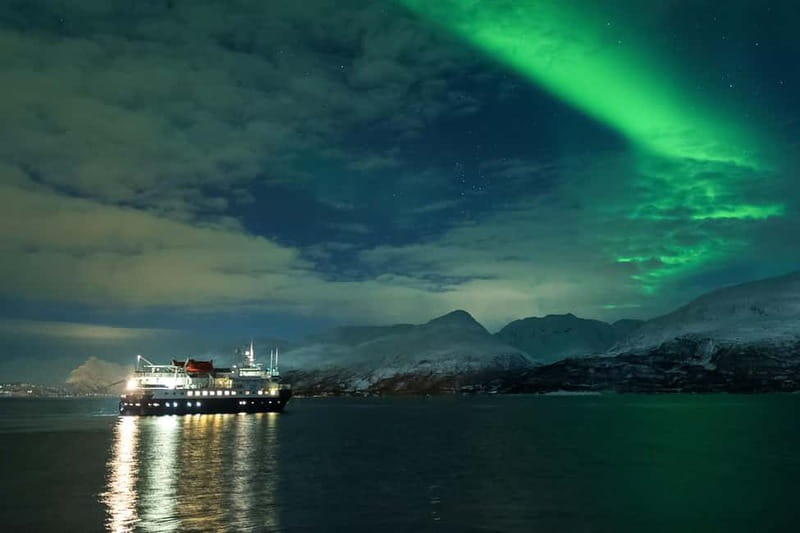
Boarding begins at 19:00 at Tromsø Harbour Terminal, Prostneset. The meeting point is clearly set at the Norwegian Travel shop on the top floor of the harbour area, so you’re not wandering around in winter darkness trying to guess where the group gathers.
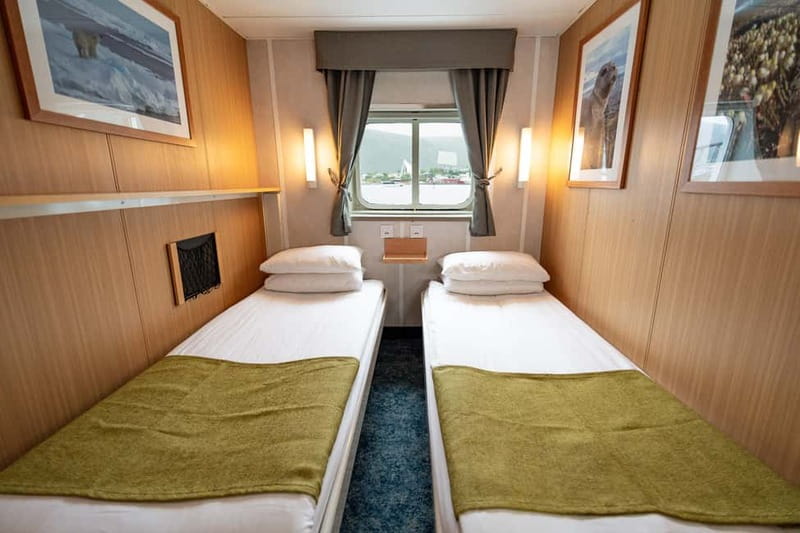
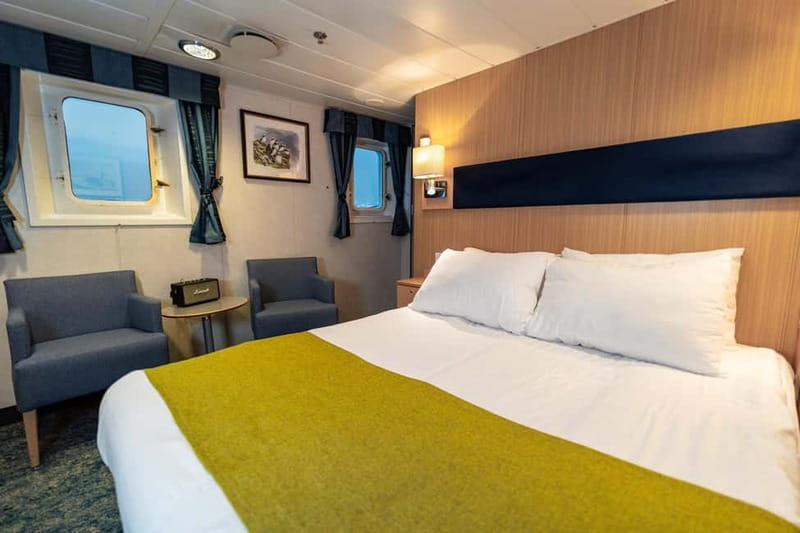
Once you’re aboard the MV Quest, you settle into a private cabin with an en-suite bathroom and ocean-facing window. That detail is more than comfort trivia. When you’re chasing whales and the aurora, you want a real place to reset between deck time. If your cabin is just a seat or a shared space, the trip can feel exhausting. Here, it’s built for overnight.
Before departure, there’s a safety briefing and a proper introduction to expectations. That matters because northern Norway winters can fool your assumptions. The guide frames what to look for and what influences whale sightings and aurora activity, based on weather and conditions. You go in with fewer surprises and less stress.
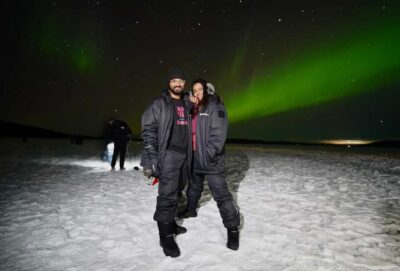
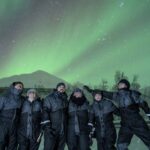
And then there’s the warm-gear setup. You receive a thermal flotation suit plus safety equipment. So you’re not left scrambling to buy the right cold-weather layers the day you arrive. Still, bring your own warm clothing for underneath and for changing conditions—wind off the water can feel sharper than you expect.
Dinner at 20:30 and the Northern Lights lecture at 22:00
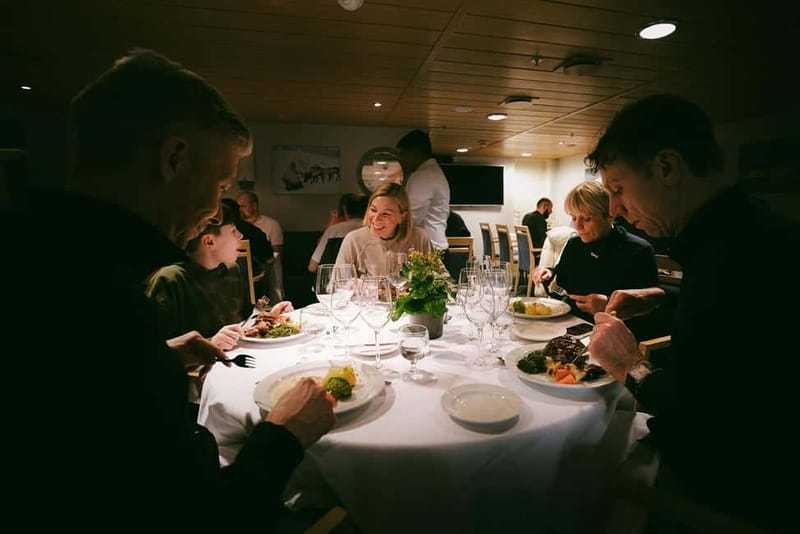
Right around 20:30, you’ll be served a freshly prepared three-course dinner in the onboard restaurant. Food like this can sound like a nice bonus, but on a winter cruise it becomes part of your energy plan. You want warmth and real calories so you can stay outside without your body giving up early.
Meals are included across the cruise, and dietary requirements can be accommodated if you notify in advance. That’s a big deal when you’re paying premium prices. You don’t want to spend your trip thinking about what you can and can’t eat while everyone else warms up.
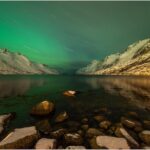
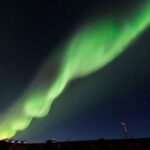
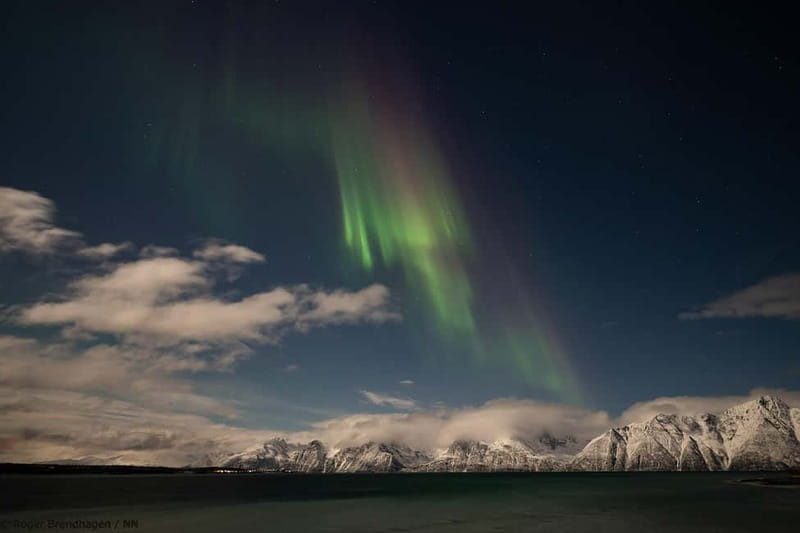
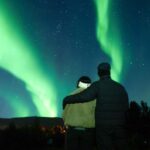
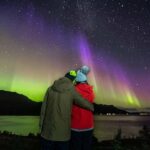
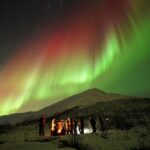
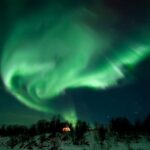
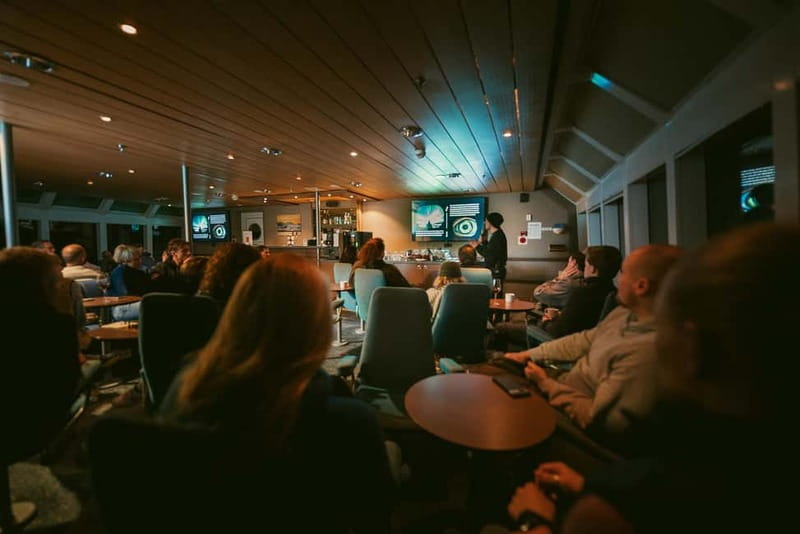
After dinner, the plan shifts to the sky. At 22:00, an expert guide delivers a Northern Lights lecture. This isn’t just a vague story about magic lights. You’ll hear the science behind the aurora, plus cultural stories connected to it. That mix helps you notice more when your eyes finally catch the first hints of green or purple.
Timing is handled with common sense. The lecture remains flexible and can be paused if aurora appears earlier than expected. That prevents the classic frustration of sitting through a talk while the sky is doing something interesting.
The long night at sea: deck time, wake-up calls, and real patience
After you sail away from Tromsø, the ship creates the kind of environment you need for aurora viewing: darker skies, quieter movement, and time that doesn’t feel rushed. In the panorama lounge, you can relax with a drink, or step out onto the deck.
The open deck for 24 hours is one of the practical reasons this cruise works. If you only get one viewing window, you can miss the best moment. With deck access running all night, you can follow your own energy level—step out when you want, warm up when you need.
There’s also the option to sign up for a Northern Lights wake-up call. If aurora conditions become favourable overnight, the team can alert you instead of forcing you into constant half-sleep scanning. Even if you personally prefer to sleep fully, it’s the kind of service that reduces regret when the sky does something at 2 a.m.
What you’re really paying for at this stage is time plus comfort. You’re not just buying a chance. You’re buying the structure that makes it easier to stay outside long enough to make that chance count.
Morning in the fjords: breakfast at 08:00 and a glacier in sight
Morning begins with breakfast at 08:00, served buffet-style. There’s the option to request warm items such as eggs, bacon, sausages, and beans, which is exactly what you want after a cold night outdoors. Coffee and tea also help you come back online.
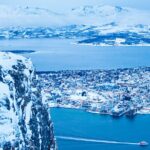
Soon after breakfast, the ship enters the inner fjord system. You’ll pass through a world of steep Arctic mountains, and a glacier can be visible ahead. This is one of those stretches where the voyage stops feeling like transportation and starts feeling like part of the wildlife experience. The sea becomes calmer, the sightlines open up, and your attention sharpens.
When the ship turns back out of the fjord, whale watching begins. And crucially, the day is built so you spend a substantial chunk of morning in the whale area. Limited daylight in winter makes each hour count. This schedule respects that reality instead of squeezing wildlife into a quick window.

Whale watching with humpbacks, orcas, and sea eagles overhead
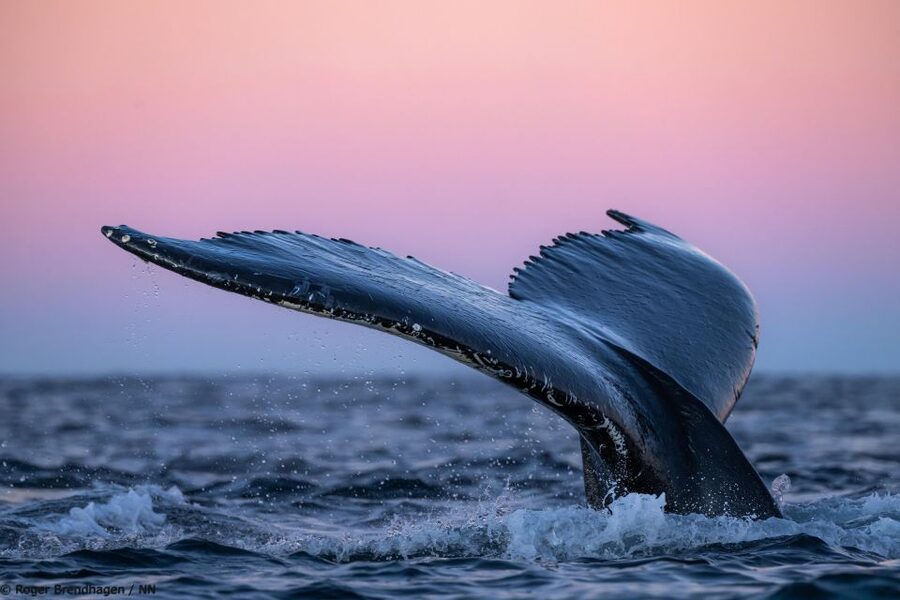
The whale-watching session runs for about 4 hours in the Skjervøyskjæret area. That’s a meaningful amount of time in Arctic conditions. It gives wildlife space to show up naturally, and it gives you time to learn what you’re looking at.
You can commonly expect humpback whales and orcas, with occasional sea eagles overhead. A big part of why this feels better than a rushed day trip is that the guides keep sharing insights while you watch—how the animals behave, what you can infer from movement, and how conservation connects to what you’re seeing.
You can observe from both the spacious outdoor decks and from warm indoor panoramic areas. That flexibility prevents a common problem: people bolt inside after ten minutes because the wind becomes too sharp. Here, you can stay engaged for longer by rotating between warm and cold.
One experience detail that stands out from real-world reports: it can happen that you spend long stretches where there are very few other ships around the whales. That improves the quality of viewing because the water isn’t constantly being churned by multiple engines and the animals aren’t constantly rerouted.
Lunch, a second talk, and the Norwegian snack moment at 15:30
At 12:30, lunch is served as the ship begins its return journey to Tromsø. After the morning in the whale area, this timing works. You get food before you have to fully transition back to travel mode, and it helps you recover without falling into a fatigue spiral.
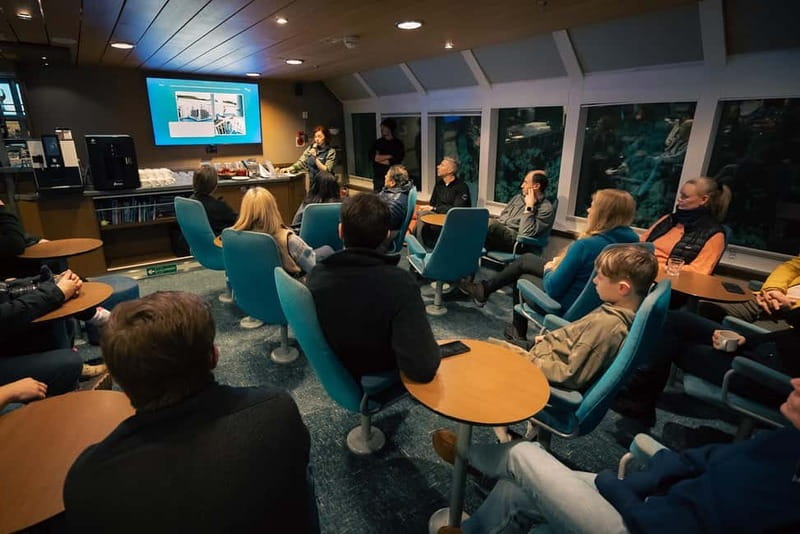
In the afternoon, you can rest in your cabin, review photos and video, or take in the scenery from the lounge. Then at 15:30, there’s a lecture focused on whale biology and behaviour—directly tied to what you’ve been watching earlier. That connection turns sightings into something you can actually understand, not just something you react to for a few seconds.
A typical Norwegian snack is served during this sharing time. It’s a small ritual, but it keeps the mood social and reflective without turning the day into an all-day event.
Arrival back in Tromsø is typically between 18:00 and 19:00, and disembarkation finishes the overnight Arctic journey.
Food, cabins, and value: what you’re really buying for $1,179
Let’s talk price honestly. At $1,179 per person, this isn’t a budget add-on. You’re paying for winter Norway logistics: an overnight at sea, a guided program, and the comfort that makes it possible to stay outside for long stretches.
Here’s why the cost can feel more justified than it first looks:
- You get a roundtrip overnight cruise with a private cabin and en-suite bathroom, not just a seat on a boat.
- Meals are included across the day—dinner, breakfast, and lunch—plus coffee, tea, and snacks. That reduces stress (and spending) during a winter trip when you don’t want to hunt for food.
- The thermal flotation suit and safety equipment reduce the gear burden on your travel packing.
- You’re not doing a short, one-and-done wildlife stop. You have time in the whale area during limited daylight, plus a Northern Lights viewing window that spans the night.
Food quality is a major theme in people’s feedback. When dinner and breakfast are genuinely good (not just energy bars and reheated soup), you stay comfortable longer and enjoy the experience without constant grumbling.
And there’s a small-scale feel to the experience. One real sailing described a group size of about ten people on a vessel capacity of fifty-two. That kind of ratio can make the onboard vibe feel calmer and more personal, especially during lectures and when you’re moving between lounge and deck.
Who should book this cruise, and who should think twice
This cruise fits best if you want one trip that covers both top winter priorities: whales and the aurora. It’s also ideal if you like learning. The science-and-stories aurora lecture plus the whale biology talk help you feel like you understood what happened, not just that you saw something.
You’ll also appreciate it if you’re the type who gets cold easily but still wants real deck time. Thermal suits, warm indoor observation areas, and a cabin waiting for you at the end of the night make it much more doable.
It might be a tougher fit if you need guaranteed results. Aurora is weather-dependent. Whale movement isn’t something anyone can force. This cruise is designed to maximize your odds through time and smart guidance, not to promise a specific sighting.
Should you book the Tromsø 24-hour Northern Lights and whale cruise?
I’d book it if your ideal winter day includes:
- long, unhurried hours offshore,
- guided explanations that make wildlife and aurora feel more real,
- warm onboard meals and a private place to sleep,
- and deck access running through the night.
I’d pause only if you’re expecting a guaranteed aurora show and you’re likely to feel disappointed if the sky doesn’t cooperate. If you can handle that uncertainty, the structure here is strong. You’re not just buying a short excursion. You’re buying an overnight plan that gives you real time for both whales and the aurora to happen.
FAQ
How long is the cruise?
It runs for 1 day as an overnight cruise, with the schedule starting in the evening and returning to Tromsø around 18:00 to 19:00.
Where do I meet for the tour?
Please meet at the Norwegian Travel shop, top floor, at Tromsø Havn Prostneset.
What kind of cabin is included?
You get an ocean-facing cabin with an en-suite bathroom.
What meals are included onboard?
Dinner, breakfast, and lunch are included, along with coffee, tea, and snacks.
What’s the Northern Lights viewing plan on this cruise?
There is a Northern Lights lecture at 22:00, and the timing is flexible if aurora appears earlier. You can also sign up for a wake-up call during the night if conditions become favourable.
Is the ship’s deck open all night?
Yes. The deck is open for 24 hours.
What wildlife can you expect to see?
Humpback whales and orcas are common possibilities, with sea eagles sometimes seen overhead.
How long is the whale watching time?
Whale watching takes place for about 4 hours in the whale area.
What should I bring?
Bring warm clothing, a camera, toiletries, and a passport or ID card.
Is the tour in English, and can I cancel?
The tour has a live guide in English. The experience also offers free cancellation up to 24 hours in advance for a full refund.