REVIEW · TROMSO
Tromsø: Aurora Safari Chase by big bus with Camp meal
Book on GetYourGuide →Operated by Best Arctic AS · Bookable on GetYourGuide
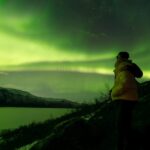
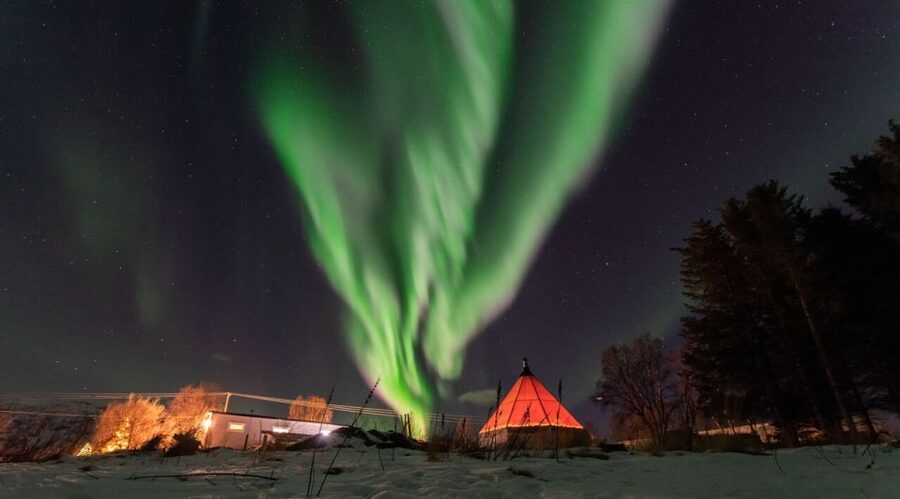
One bus ride can change your whole aurora night. This Tromsø aurora chase sends you to a private Aurora Camp with a local host, plus a northern-lights briefing on the coach. If the sky is cooperating, you’ll be set up to watch in comfort instead of freezing on the roadside.
I especially like two parts. First, you’re loaned warm overalls and a thermal suit, then you wait in a shelter (and sometimes around an outdoor bonfire). Second, the guides help with tripod aurora photos and you get free web-resolution shots afterward.
The main drawback is simple: northern lights aren’t guaranteed, so you should treat this as an adventure built around chances, not a fixed outcome. If clouds roll in, you may spend more of the night warm at camp with great food but no big light show.
In This Review
- Key things that make this tour work
- Tromsø Aurora Safari by Bus: what the night drive is really like
- How the guide chases the aurora: forecasts, mobility, and backup plans
- The Aurora Camp experience: warm shelter, suits, and local hosting
- Dinner by northern lights: lefse, soup or stew, and hot drinks
- Aurora photos that actually include you: tripods and guide-shot portraits
- Meeting the people: guides and camp hosts make or break the night
- Comfort and logistics: bus perks, timing, and what to bring
- Price and value: is $146 a fair deal for an aurora camp night?
- Weather reality check: the trade-off you’re paying for
- Who should book this aurora safari chase?
- Should you book Tromsø Aurora Safari Chase by big bus with Camp meal?
- FAQ
- How long is the Tromsø Aurora Safari Chase?
- Where do I meet the tour in Tromsø?
- What’s included with the camp meal and warm drinks?
- Do I get help taking aurora photos?
- Does the tour move if the weather changes?
- What should I bring for warmth?
Key things that make this tour work
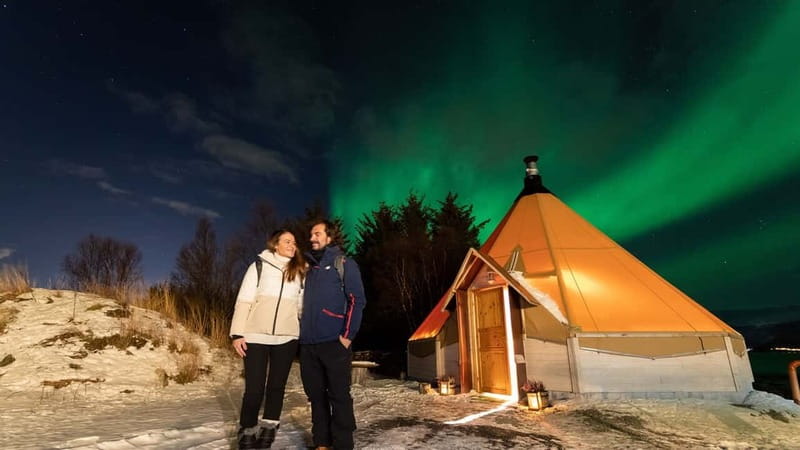
- Weather-based camp selection: the guide targets clear skies using forecasts.
- Private camp comforts: toilets on site, warm shelter, hot drinks, and a campfire option if conditions allow.
- Warmth you don’t have to overpack: thermal suits/overalls plus hot drinks and soup or stew.
- Photo support included: tripods available, and your guide snaps photos of you with the aurora.
- You might move if clouds win: if the sky shifts, you can relocate for better chances.
Tromsø Aurora Safari by Bus: what the night drive is really like
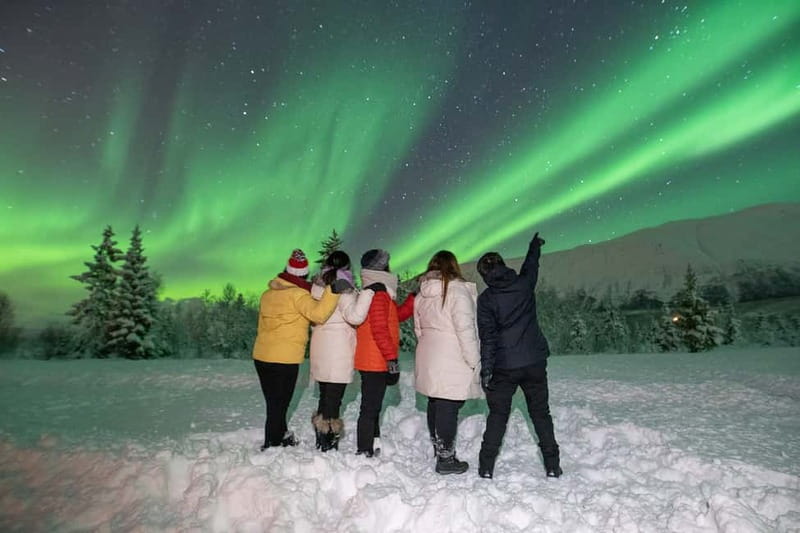
This tour starts at the Bus Terminal Prostneset in Tromsø (upper floor, check in at the Best Arctic desk). From there, you board a comfortable, spacious coach that’s built for long, cold waits outside. The bus also has an onboard toilet, Wi‑Fi, and charging stations, which is genuinely useful when you’re planning shots and waiting for updates.
On the drive, you’ll watch a northern lights informative video. It’s not a lecture; it’s there so you know what you’re looking for when the sky turns interesting. One practical benefit: you’ll be more ready to try your camera or phone settings instead of fumbling in the dark.
You’ll also feel the logistics are geared toward the hunt. This isn’t a quick “park and pray” setup. The whole vibe is about getting you out to the right area for the night, then keeping you warm while you wait.
You can also read our reviews of more tours and experiences in Tromso.
How the guide chases the aurora: forecasts, mobility, and backup plans
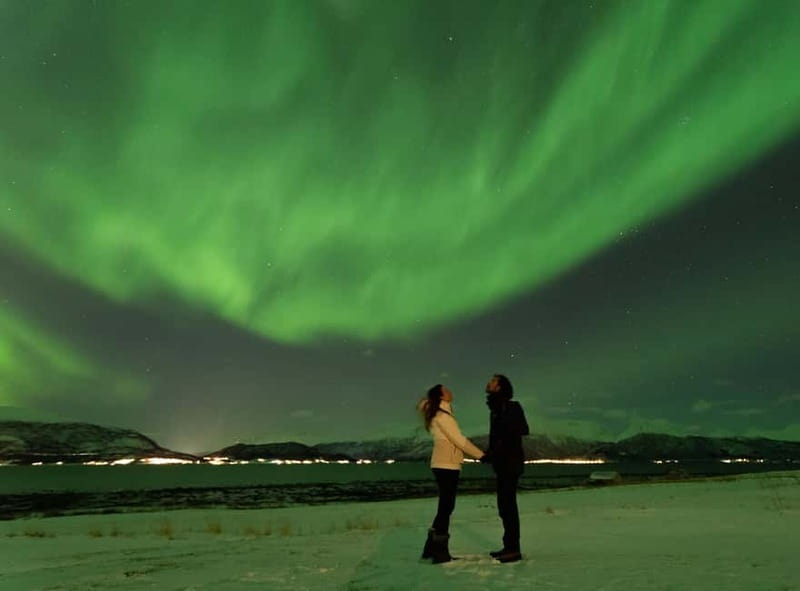
The core idea is that you go where the chances are best. Your guide plans the first stop based on the weather forecast, then you settle in at a camp with a local host. When the goal is the aurora, cloud cover can change everything, so being mobile matters.
If the sky turns worse, the plan doesn’t end at one location. The guide checks whether moving makes sense, and if so you finish your hot drink and ride back out to chase clearer skies. That flexibility is one of the biggest reasons this type of safari often feels better than a static tour.
You can see this approach reflected in the way guides run the night. People mention guides who keep checking conditions and who help with the timing of photos once lights appear. One review called out a coach stop on the return route so more photos could happen, which fits the same philosophy: if the aurora shows up, you want time to actually work it.
The Aurora Camp experience: warm shelter, suits, and local hosting
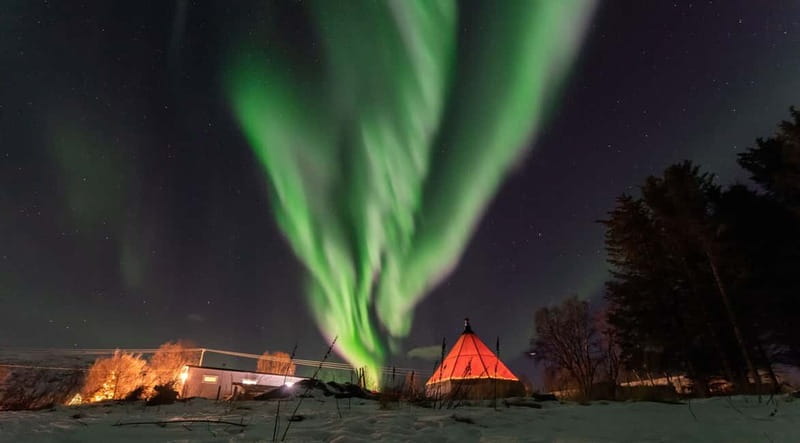
The best part of the camp setup is that it’s designed for waiting. When you arrive, you’ll get a warm welcome from the camp host—the people running the camp are part of the charm, and you’re not just treated like another ticket number. You’ll also get the gear that makes the night realistic: warm overalls for camp time, plus loaner thermal suits to help you stay comfortable outside.
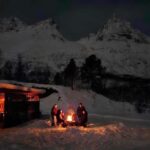
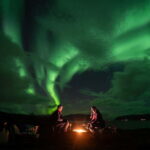
At the camp, you’ll find a warm shelter where you can sit, drink, and regroup. If the weather allows, there’s a bonfire or at least time around a fire area for that cozy, outdoors-in-the-dark feeling. You also have toilet facilities on site, which is more important than it sounds when you’re sitting still for aurora timing.
This is also where you get the local side of things. The tour is framed around authentic aurora-camp hosts, and the night tends to feel more like you’ve been brought into their routine than you’re watching from a distance.
One useful note from real-world feedback: while the camp experience is cozy, bathroom arrangements can be basic in remote settings. If you’re sensitive about that, it’s worth remembering you’re out beyond town, chasing the sky.
Dinner by northern lights: lefse, soup or stew, and hot drinks
Food is part of the entertainment here, not just a perk. You’ll have hot chocolate, coffee, tea, plus sweet local cake—lefse—which is a classic Norwegian comfort bite. This kind of snack matters because it keeps you from thinking about how cold you feel every time you look up at the sky.
Then comes the main warm dish: hot soup or stew is included. Depending on the camp, it’s either fish or meat, and there’s a vegetarian alternative available if you request it in advance. You may also see meat-based stews like reindeer stew mentioned in the actual experience, which fits the Norway-and-arctic vibe of these camps.
The practical value is that you get warm, seated time without giving up aurora watching. You can eat, sip something hot, then step back out when your guide signals that the sky is putting on a show. More than once, people describe the lights appearing in gaps between clouds right after dinner or during the waiting period—so having a full meal makes the wait feel worthwhile, even if the aurora needs time.
Aurora photos that actually include you: tripods and guide-shot portraits
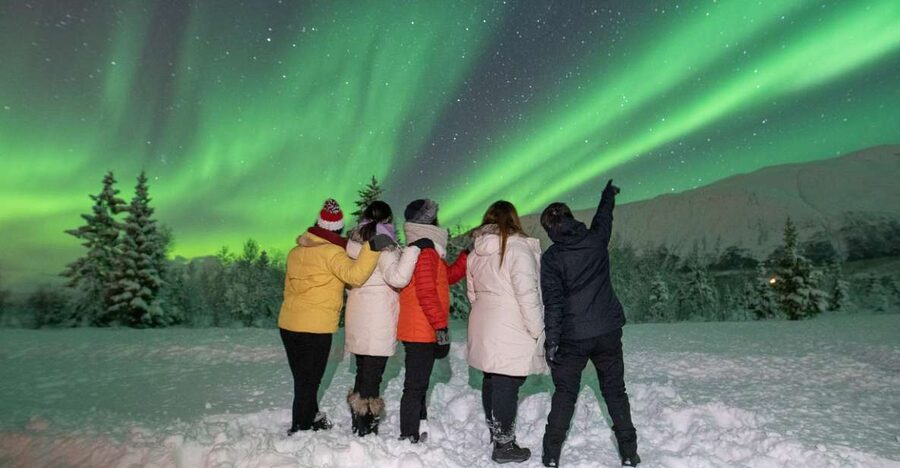
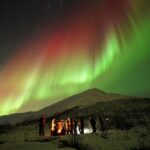
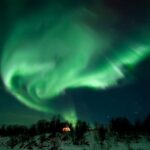
If you care about photos, this tour is built for you to get results. During the camp portion, you can set up one of the tripods provided for guest use. That takes a big headache out of aurora photography, because steady framing is everything when the lights move.
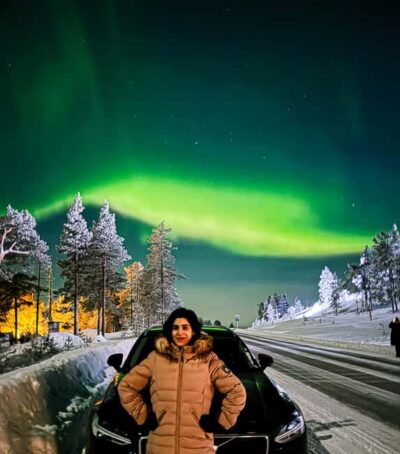
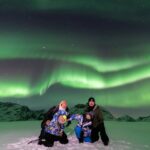
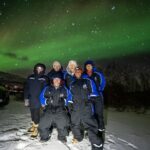
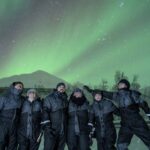
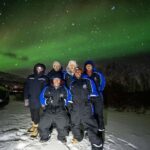
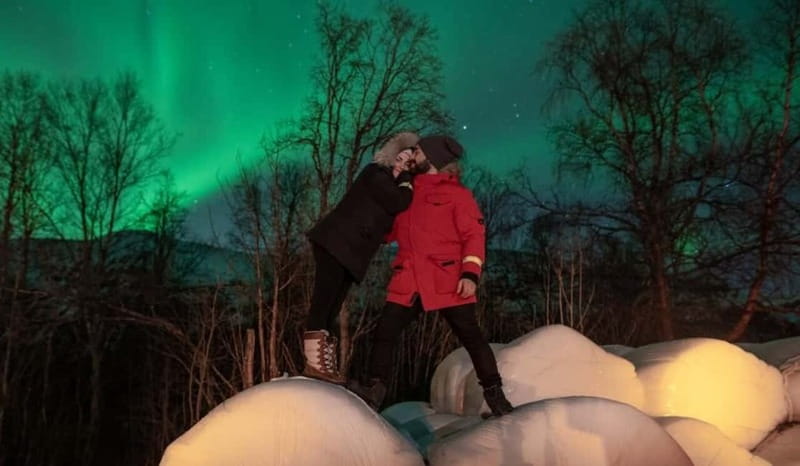
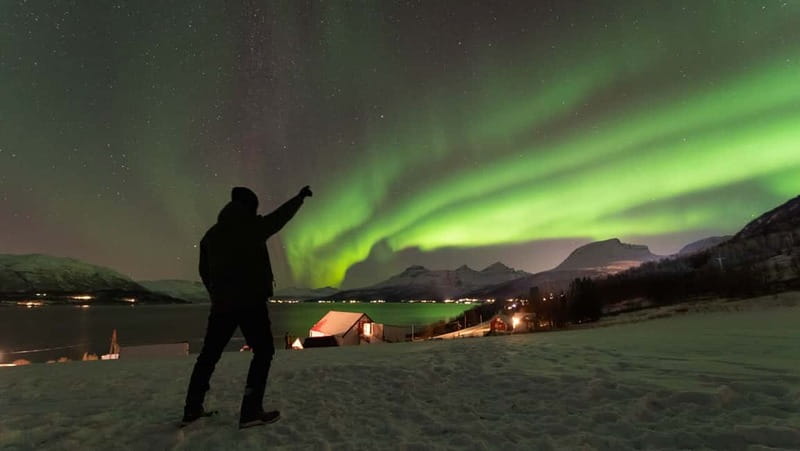
Even better: your guide also takes photos of you with the aurora behind you. That means you’re not stuck doing the common solo-traveler routine of running between frames to swap the phone and tripod. Reviews mention guides who are patient with big groups and who help people get shots even in less-than-perfect conditions.
You’ll also get support for phone photography. One guide, Paolo, is specifically mentioned as giving tips for capturing the lights with a smartphone. So if you’re not bringing a fancy camera, you’re not out of luck—you just need to follow the guide’s timing and settings advice.
After the tour, you get web-resolution photos for free to download shortly after. If you want higher-resolution, logo-free prints for offline sharing, those can be bought after via the provider’s website.
Meeting the people: guides and camp hosts make or break the night
This is one of those tours where the human factor shows up fast. The bus is comfortable and the camp is warm, but the experience gets memorable because the guides are doing active work: coaching your photos, tracking conditions, and keeping the group calm while you wait.
Names that pop up in feedback include Jua(n) (friendly, funny, very knowledgeable), Paolo (informative and patient), and Hugo and Jacob (always checking in and making the details work). Others mentioned include Sojn a, Viktor and Emma, Kinga, and Levi, with people highlighting guide patience and group photo help.
Here’s what that means for you: you’ll probably get more out of the night if you’re comfortable asking questions and listening for sky updates. The guides are clearly tuned to the mission and they adjust their pacing when the aurora appears.
Comfort and logistics: bus perks, timing, and what to bring
The tour typically runs between 5 and 7 hours (and the exact length depends on the night and timing). Expect a full evening segment, with the priority being the aurora, not rushing back for convenience.
Your bus portion has a real comfort advantage: the onboard toilet, Wi‑Fi, and charging stations reduce stress. You’re still outside in cold Norway later, but at least you’re not stuck without basic needs before the camp stage.
For what to bring, you’ll want to show up prepared even though the camp provides warmth gear. Bring warm clothing, a hat, gloves, waterproof shoes (or warm shoes), and anything that keeps moisture away from your feet. This tour isn’t listed as suitable for kids under 4, and it’s also noted as not suitable for people with mobility impairments, so plan accordingly.
Also remember: the tour includes warmth gear and loaners at camp, but it does not replace the need for proper winter layers. If you rely on just what’s provided, you might still feel cold if your personal layers aren’t doing their job.
Price and value: is $146 a fair deal for an aurora camp night?
At $146 per person, this isn’t the cheapest way to chase the northern lights, but it’s also not overpriced for what’s included. You’re paying for several things that cost real money and matter when it’s cold and remote:
- Round-trip bus transport with onboard toilet, Wi‑Fi, and charging
- A private aurora camp experience with toilets on site
- Thermal suits/overalls (so you’re not forced to buy gear you’ll only use once)
- Hot drinks plus lefse and a warm meal (soup or stew, with vegetarian alternative)
- Tripods to help you get usable aurora photos
- Free web-resolution photos afterward
- An English-speaking guide who actively helps you with timing and picture-taking
What’s not included is also clear: you’ll need your own warm clothing, boots/shoes, hat, mittens/gloves, and a scarf. High-resolution photos are sold separately if you want them. Hotel pickup/drop-off isn’t included, so you start at the bus terminal.
For many people, the value is that this turns the aurora night into a fully supported evening: warm food, real gear support, and photo help. If you’ve ever tried to chase the lights on your own, you know how fast it turns into a stressful scramble. Here, the stress is reduced by design.
Weather reality check: the trade-off you’re paying for
Let’s keep this honest. The aurora is a natural event, and sometimes you get clouds instead of curtains of light. That’s not a failure of the tour; it’s the weather doing what weather does.
One review spells this out: the cloud coverage meant lights weren’t visible, but the experience still felt nice because of the warm camp comforts and the guide’s work. Another feedback point asks for more time around the campfire, which hints at a common trade-off: you might need to drive to a new location if your first area doesn’t deliver.
So if your top priority is guaranteed lights, you might be disappointed anywhere. But if your priority is to maximize your odds while staying comfortable and getting photos (even if the sky takes time), this tour has the right structure for that mission.
Who should book this aurora safari chase?
I’d point this tour toward people who want a guided aurora night with comfort built in. If you’re traveling as a couple, small group, or solo with a camera/phone and you want someone else to handle the logistics, you’ll like the mix of bus comfort, camp warmth, and photo support.
It also suits people who don’t want to gamble on finding the right spot by themselves. Because the guide chooses locations based on forecasts and can move if conditions change, you get a more “chase” style of aurora experience.
If you’re someone who hates cold, the camp-based waiting approach is a big plus. Warm shelter, thermal suits, hot drinks, and a proper meal help you stay focused on the sky instead of your discomfort.
Should you book Tromsø Aurora Safari Chase by big bus with Camp meal?
Yes—if you want an organized, warm, photo-supported aurora night in Tromsø. This tour is strong when you value creature comforts in remote conditions: toilets at camp, warm shelter, thermal gear, included food, and tripod options. The chance of seeing the aurora is never locked in, but the tour’s chasing strategy and guide support are built to maximize your odds.
Book it if you:
- want a private camp experience rather than roadside waiting
- care about getting photos of you in the scene (tripods + guide shots)
- appreciate warm food and hot drinks during long sky watches
Skip it if:
- you need full accessibility accommodations beyond what’s provided
- you’re hoping for a guaranteed light display regardless of clouds
If you’re flexible on the outcome and you show up dressed for winter, this is one of the smarter ways to spend a Tromsø night—cozy, guided, and genuinely focused on the aurora.
FAQ
How long is the Tromsø Aurora Safari Chase?
The tour lasts between 5 and 7 hours, depending on the night and starting time. Check availability to see the exact departure options.
Where do I meet the tour in Tromsø?
Meet at the Bus Terminal Prostneset in Tromsø. Check in at the Best Arctic desk inside the terminal (upper floor).
What’s included with the camp meal and warm drinks?
You get hot chocolate, coffee, and tea, plus sweet local cake (lefse). You also get a hot soup or stew (fish or meat depending on the camp), with a vegetarian alternative available on request.
Do I get help taking aurora photos?
Yes. You’ll have access to tripods at the camp, and your guide will also take photos of you with the northern lights. Web-resolution photos are included for free afterward.
Does the tour move if the weather changes?
Yes. If cloud coverage worsens, the guide may check whether it’s better to relocate and then drive to a new spot to look for clearer skies.
What should I bring for warmth?
Bring warm clothing, a hat, gloves, and waterproof shoes (or warm shoes). The tour provides warm gear for camp time, but you’re still expected to dress for cold Norwegian conditions.