REVIEW · TROMSO
Tromsø: Small-Group Adventurous Northern Lights Hunt
Book on GetYourGuide →Operated by Outdoor Hellesylt · Bookable on GetYourGuide
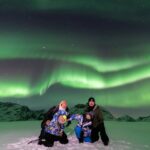
Northern Lights nights can make or break your trip. This Tromsø hunt uses a modern Mercedes Sprinter to chase the Aurora Borealis far beyond city lights, with route choices that change fast when weather shifts. You start at the Magic Ice Bar area, then head into the Arctic dark for a chase that feels active, not passive.
I especially like the small-group setup and the way your guide works hard to get you to quieter, darker viewing spots instead of just parking along the road. Warm drinks, campfire time, and hands-on help for capturing the lights make the whole evening feel worth the money. One thing to plan for: seeing the aurora isn’t guaranteed, and winter conditions can mean colder waits, limited toilet access, and shorter snow walks than you’d hope.
In This Review
- Key things that make this Northern Lights hunt special
- Magic Ice Bar meet-up: getting geared up before the chase
- The Mercedes Sprinter aurora hunt: comfort, flexibility, and better odds
- Where you actually look: why the best viewing spots beat the roadside
- Snow walks and quiet viewing: when you’ll hike and when you’ll stay put
- Campfire warmth: the cozy part that keeps the night from feeling long
- Aurora photography guidance and high-resolution photos after the tour
- Safety and the Finland passport wrinkle
- Price in Tromsø: what $118 really buys you
- Who should book this aurora hunt (and who should skip it)
- Should you book this Northern Lights hunt?
- FAQ
- Where is the meeting point for the tour?
- How long does the Northern Lights tour take?
- What vehicle is used for the hunt?
- Is a Northern Lights sighting guaranteed?
- What’s included in the price?
- Are high-resolution photos included?
- Do I need a passport?
- What should I wear or bring for the tour?
- Is there toilet access during the tour?
- What language will the guide speak?
Key things that make this Northern Lights hunt special
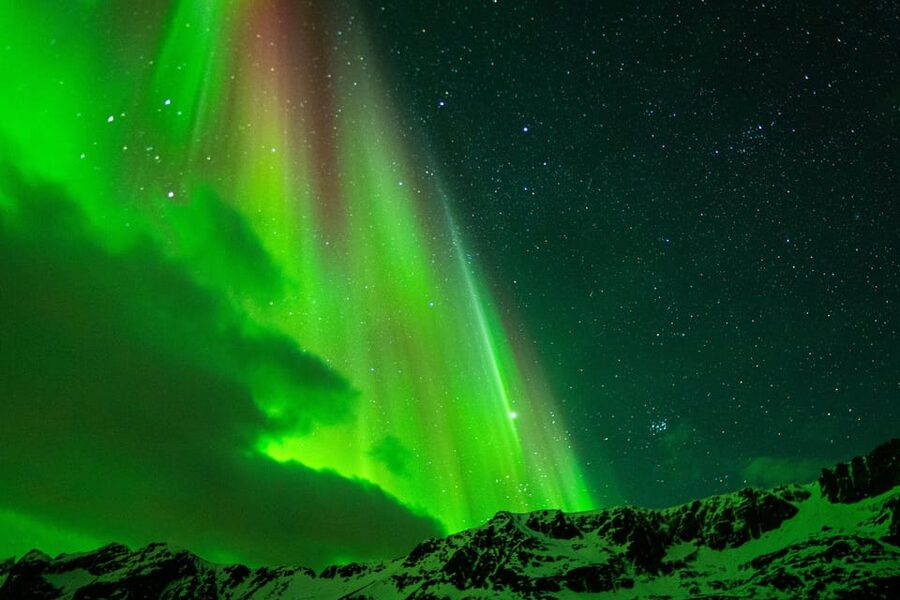
- Last-minute route changes based on cloud cover and visibility, so you’re not stuck watching from one spot
- A real photo plan, including guidance on how to shoot the aurora and high-resolution images afterward
- Comfort-first wilderness time, with frequent stops, warm drinks, and a campfire when conditions allow
- More privacy than roadside viewing, with stops chosen to reduce artificial light
- Safety-led stops and short snow hikes when the conditions make them practical
- Guide energy matters, and Ramazan is repeatedly praised for pushing for better chances fast
Magic Ice Bar meet-up: getting geared up before the chase
You start at the Magic Ice Bar in Tromsø. Even before the minibus engines start, the location sets the tone: you’re already in the “winter movie scene” mood. You’ll meet your group at the front of the Magic Ice Bar, and you’re picked up by a black minibus.
The short guided time connected to the Magic Ice Bar matters more than you might think. It helps you get oriented in a place that feels a little surreal in winter, and it buys you a bit of warmth before heading out into the real cold. If you’re the type who arrives with a camera bag and no plan, this is a good moment to get your gear ready and keep things simple.
You’ll also be making an early mental shift: this tour is not just about waiting for the sky to cooperate. You’re going to move. That’s why arriving about 15 minutes early is worth it.
You can also read our reviews of more tours and experiences in Tromso.
The Mercedes Sprinter aurora hunt: comfort, flexibility, and better odds
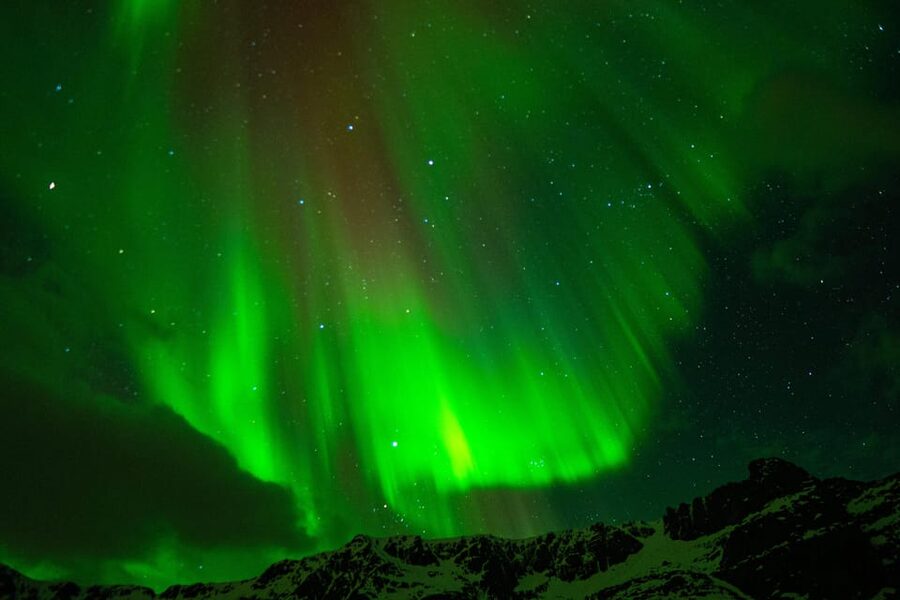
This is built around a 3 to 6 hour Arctic chase, with the exact plan changing at night based on the sky. You’ll ride in a comfortable, modern Mercedes Sprinter and stay warm while you travel. That’s not just convenience—it’s part of the strategy.
Here’s the big practical advantage: your driver/guide adapts the route so you’re chasing conditions, not fixed coordinates. Depending on the night, you might head toward the coast, inland, or even as far as the Finnish border. On the nights when clouds shift, that flexibility can mean the difference between faint curtains and something you can actually enjoy.
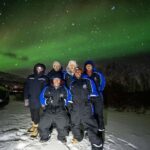
I also like the size limit: up to 20 people. In practice, some nights feel even more personal, and that matters when you’re trying to see subtle movement in the aurora or set up your camera without turning the viewing spot into a crowded circus.
You’ll make frequent stops to admire and photograph what’s happening. That keeps you from feeling trapped inside the minibus for hours with no payoff. And when it gets cold, you can stay seated—this is an outing where you shouldn’t have to fight your own comfort level just to enjoy the sky.
Where you actually look: why the best viewing spots beat the roadside
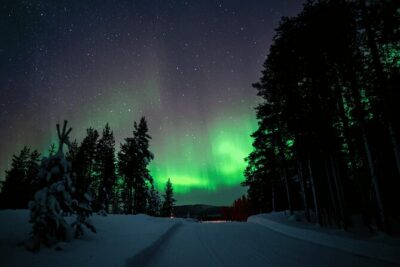
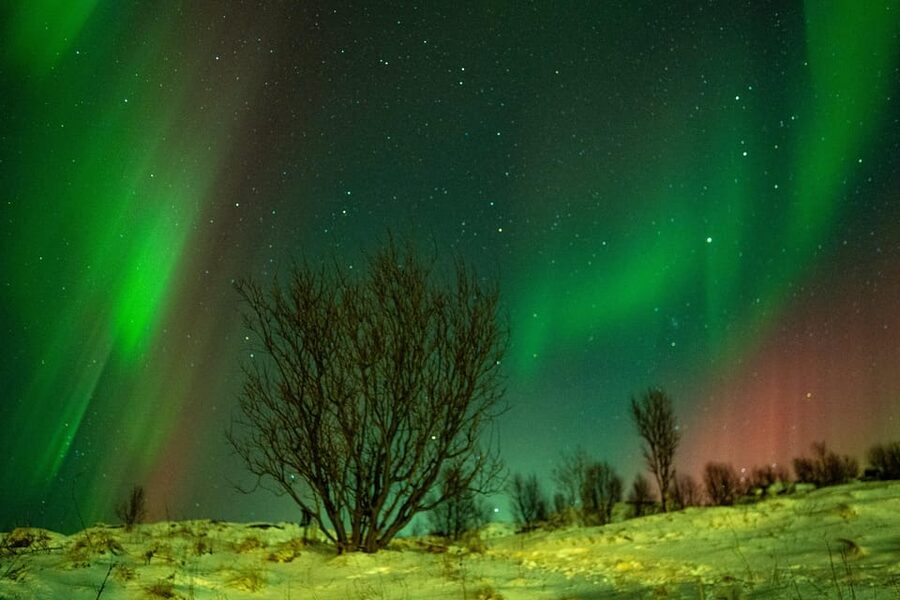
A common disappointment in Northern Lights tours is the “we stopped at the highway again” feeling. This one aims to avoid that. The idea is to get you out into darker areas and away from artificial lights, so the aurora has room to show itself.
You may spend time at one viewing spot while conditions develop, but you’re not stuck there if it isn’t cooperating. Your guide’s job is to keep improving your chances, and that comes through clearly in the way the experience is described. With Ramazan specifically, multiple accounts highlight a pattern: fast decisions, better spots after the first try, and time spent where the aurora looks more dramatic.
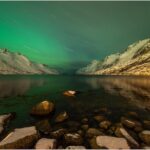
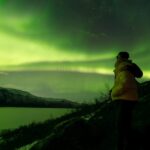
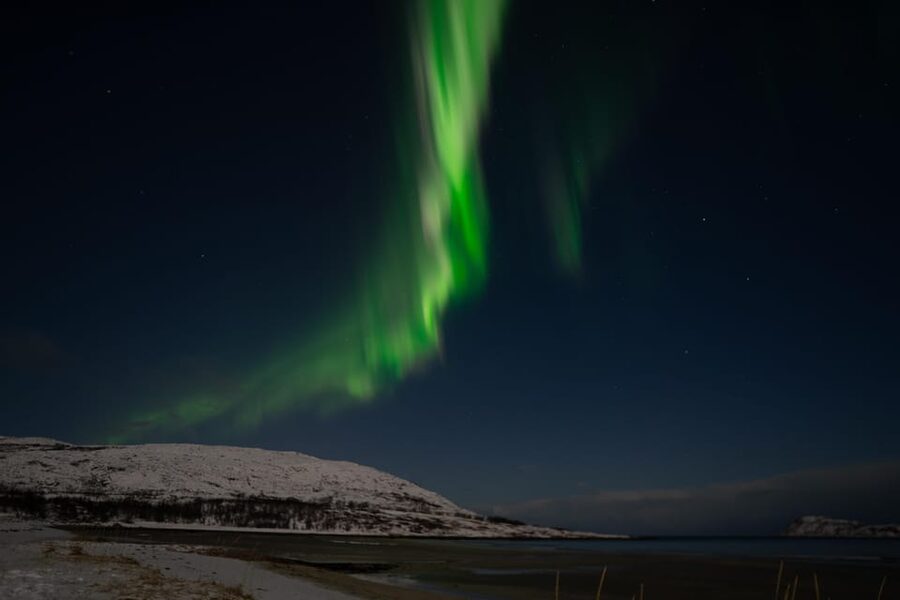
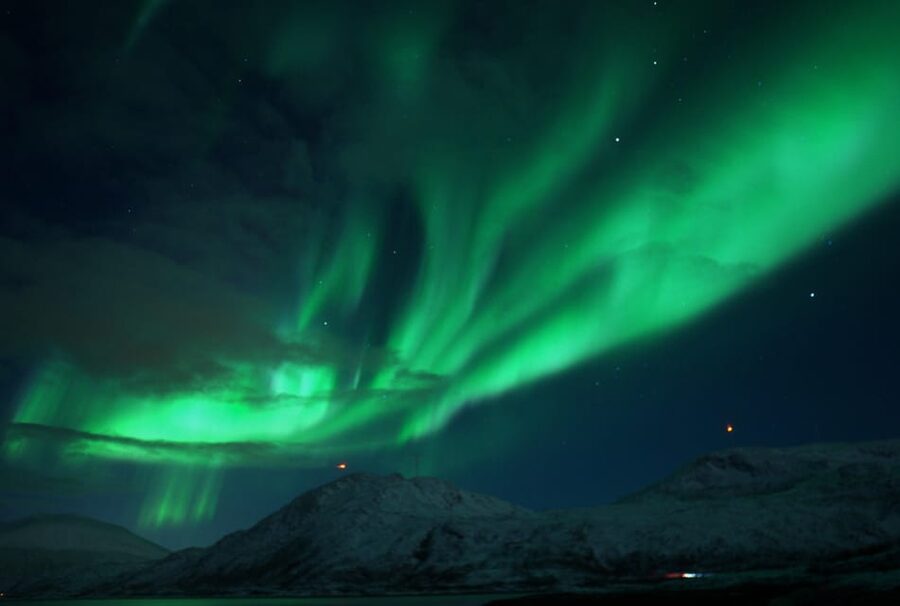
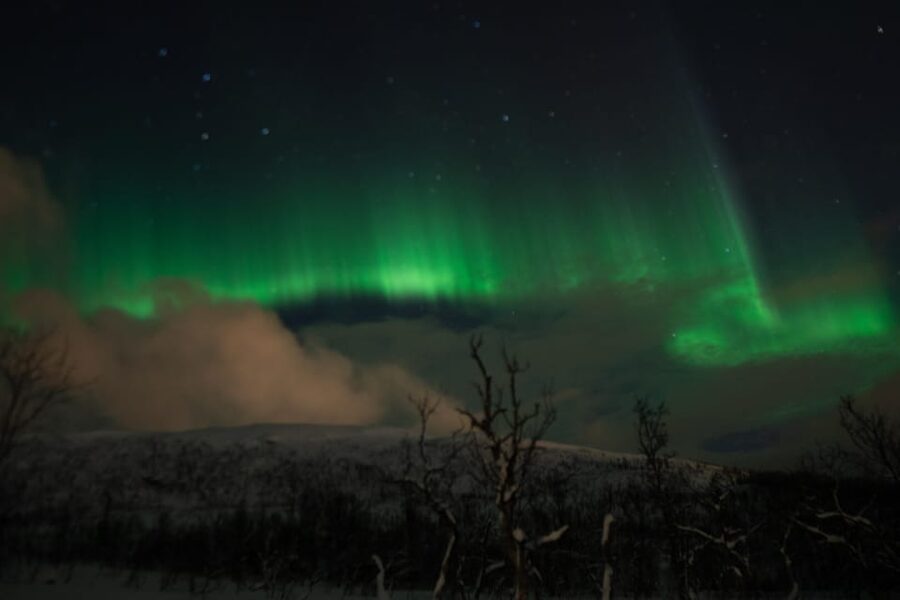
This is also why you’ll often hear about viewing from places with natural framing—like the view over mountains or near frozen water. Those settings don’t “create” the aurora, but they can make what you see feel bigger and more cinematic. It’s the difference between watching lights and watching lights over something.
Snow walks and quiet viewing: when you’ll hike and when you’ll stay put
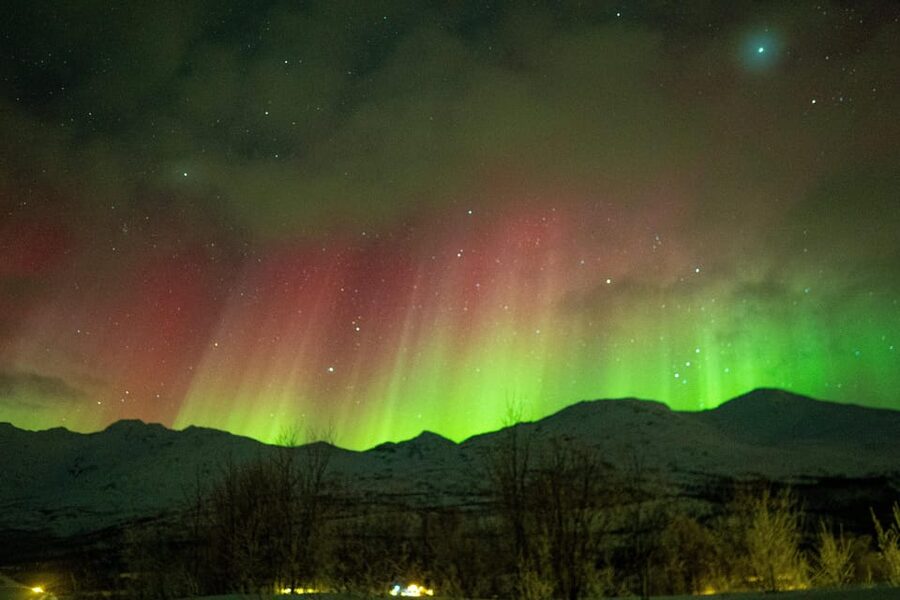
Sometimes the tour includes a short guided hike through snow to reach secluded areas away from artificial lights. When that happens, it’s usually because conditions make it worthwhile—clear enough to justify the effort, safe enough to do it, and comfortable enough for the group.
If you get that snow-walk moment, you’ll be glad you packed for real winter. Comfortable shoes and warm layers are not optional here. One helpful reminder from experience: snow can get deep enough that you’ll likely need boots or sturdy footwear, and your pants can get wet on the edges even if you’re careful.
If conditions don’t support hiking, you won’t be left hanging. You still have viewing stops from the minibus and from safe areas close enough to stay comfortable. That flexibility is the key benefit: you’re not “all or nothing.” You’re either hiking briefly and meaningfully, or you’re watching from a warm base with the same goal—clear skies and dark light.
Campfire warmth: the cozy part that keeps the night from feeling long
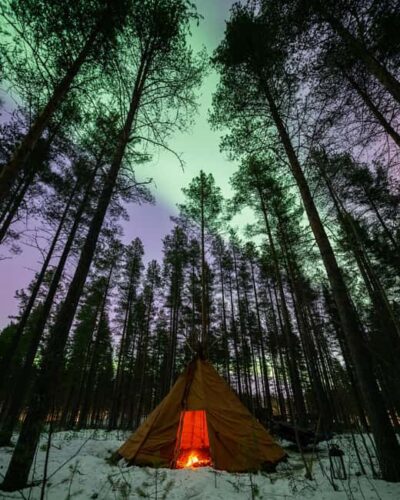
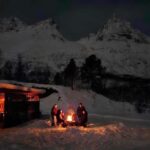
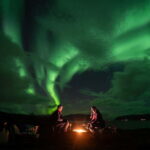
This is one of the most consistent strengths: you’re not just freezing while waiting for the aurora. When the timing and conditions work out, the tour includes a cozy campfire, along with warm drinks. Many evenings add treats like cookies, and some descriptions include hot soup during the stop.
That matters for two reasons.
First, it turns waiting into a comfortable ritual. Northern Lights can be slow to arrive, especially after you head out. Warmth keeps you in the moment instead of calculating how much longer you can stand being uncomfortable.
Second, the campfire stops give your guide time to do the human part of the job—sharing stories and helping you settle into better viewing habits. Several accounts mention relaxed photo moments, small conversations, and guidance that doesn’t feel rushed. Even if you’re not a “campfire person,” this part helps you enjoy the entire night, not only the brief peak moments when the sky puts on a show.
In at least some stops, the setup includes extra touches like tripod chairs, which can make a real difference if you’re trying to frame your shot and avoid awkward standing all night.
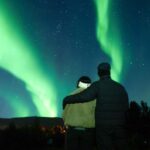
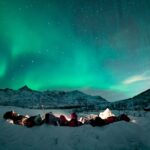
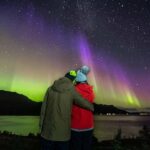
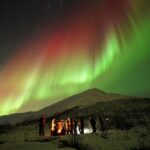
Aurora photography guidance and high-resolution photos after the tour
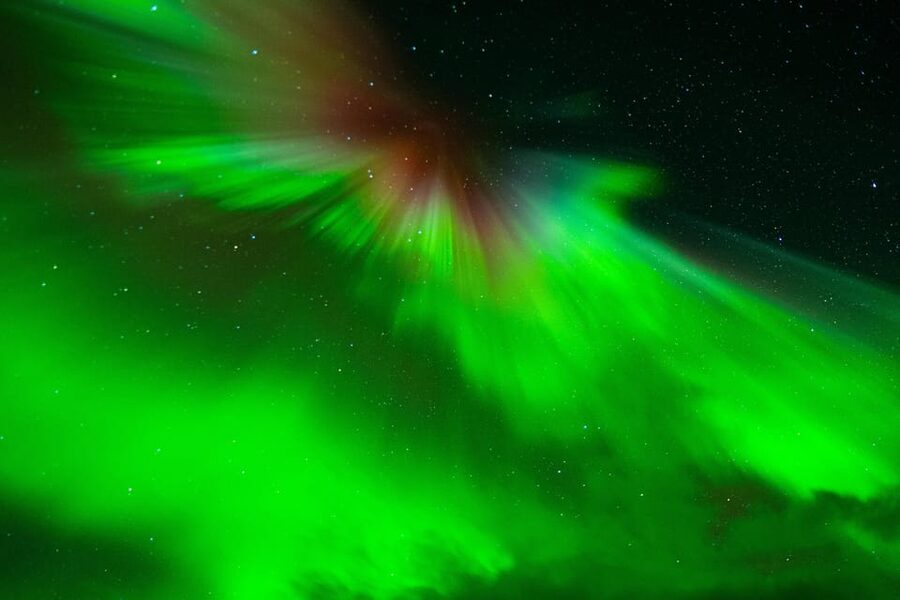
You don’t need to be a professional photographer to get something beautiful. What helps is that your guide focuses on how to capture the Northern Lights—often using practical advice that you can apply on your own camera or phone.
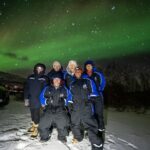
The guide also takes photos during the tour and shares them afterward as high-resolution images. For many people, this is the perfect safety net: even if your own settings are off, you still leave with images you can actually use.
There are two photography angles here:
- Live coaching: you get tips while the lights are in the sky, when it’s most useful.
- After-the-fact backup: the guide’s photos reduce the risk of leaving with only blurry attempts.
If you love photography, you’ll appreciate that the experience gives you something to learn and try, not just a “good luck out there” vibe. If you’re not into camera settings, the high-res handoff lets you relax and enjoy instead of troubleshooting.
And the best part is simple: once you see the aurora clearly, you can spend your energy on watching it, not suffering over the perfect frame.
Safety and the Finland passport wrinkle
This is an Arctic wilderness outing, so safety is part of the plan. Routes and stops are chosen with security in mind, including for any snow hikes. That means you should expect careful timing and stops that prioritize getting you to a good viewing point without taking reckless chances.
One detail you should not ignore: the tour may cross into Finland. Your passport or ID is important. If you forget it, you might lose the chance to participate in a route that depends on moving across borders for better viewing.
Also plan for the reality of outdoor nights: toilet access may be limited. Bring a calm mindset about that. If nature calls, you’ll want to handle it before you’re deep into the dark.
Finally, Northern Lights sightings aren’t guaranteed. It varies from night to night, and cloud cover is the big villain. This tour is designed to maximize your odds, not promise a specific show.
Price in Tromsø: what $118 really buys you
At $118 per person for a roughly 3 to 6 hour adventure, the value comes from what’s included and what’s avoided.
You’re paying for:
- transport in a modern, comfortable Mercedes Sprinter
- an experienced driver/guide who can adapt routes
- warm drinks and a campfire stop
- photo help during the night
- high-resolution photos shared afterward
You’re not paying for:
- hotel pickup
- any guarantee of the aurora
So what’s the deal? This is best viewed as an investment in chance plus comfort plus results. The aurora is never “sold” as a product you can control, but the guide’s route flexibility and the emphasis on dark viewing spots can materially improve your outcome. Add the included warmth and the photo handoff, and the price feels more reasonable than tours that focus only on driving you to a single pull-off.
If you’re comparing options, I’d also weigh group size and the likelihood you’ll actually get photo coaching. A cheaper tour that drops you at a roadside and disappears can be a gamble. A tour that gives you warm drinks, a fire, and photos afterward is often the steadier play—even on nights when the lights are faint.
Who should book this aurora hunt (and who should skip it)
This works best if you:
- want a small-group Northern Lights experience
- appreciate having a guide actively searching, not just waiting
- want help with aurora photography
- don’t want to spend the whole night freezing without a plan
It’s less ideal if you:
- need wheelchair access (the tour is not suitable for wheelchair users)
- are traveling with kids under 10 (not suitable)
- dislike cold-weather hikes or outdoor waiting (you can reduce discomfort with layers, but you’ll still be outside at times)
If you’re a first-timer in Tromsø and you want a structured, comfortable way to chase the lights, this is a strong match. If you’ve tried other tours and felt frustrated by roadside viewing, the darker-spot focus is the main reason to consider switching.
Should you book this Northern Lights hunt?
Book it if you want the best mix of comfort, chance, and photos in one evening. The small-group feel, warm drinks and campfire warmth, and the extra effort to find quieter viewing spots make a real difference in how the night feels. And if Ramazan is your guide, the repeated praise for his energy and persistence suggests you’ll be in hands that care about the outcome.
Don’t book it only if you’re expecting a guaranteed aurora performance. You’re going out into real weather, and that’s always the wildcard. What you’re buying is a smart search, good guidance, and a comfortable Arctic experience that maximizes your probability.
If you can pack warm layers, bring your passport/ID, and stay flexible about where the minibus drives, you’re set up for a night you’ll remember—one way or another.
FAQ
Where is the meeting point for the tour?
You’ll meet at the front of Magic Ice Bar Tromsø, where staff will be waiting with a black minibus.
How long does the Northern Lights tour take?
The experience usually lasts 3 to 6 hours, and the listed duration is 6 hours.
What vehicle is used for the hunt?
The tour uses a comfortable, modern Mercedes Sprinter minibus.
Is a Northern Lights sighting guaranteed?
No. Northern Lights sightings are not guaranteed and vary night to night.
What’s included in the price?
Included items are an experienced local driver/guide, transportation in the minibus, warm drinks, a cozy campfire, and high-resolution photos shared after the tour.
Are high-resolution photos included?
Yes. High-resolution photos are taken during the tour and shared with the group after.
Do I need a passport?
You should bring your passport or ID because the tour may cross into Finland.
What should I wear or bring for the tour?
Bring comfortable shoes, warm clothing suitable for Arctic conditions, a camera, and your passport/ID.
Is there toilet access during the tour?
Toilet access may be limited during the tour, so it’s smart to plan ahead.
What language will the guide speak?
The guide offers live interpretation in Norwegian, Turkish, and English.