REVIEW · ABISKO
Abisko: Aurora Snowshoeing
Book on GetYourGuide →Operated by Abisko Adventure · Bookable on GetYourGuide
Cold night, bright sky, quiet snow.
In Abisko’s winter darkness, snowshoe walking turns the arctic into a slow, silent experience you can actually feel in your legs. I love how the route leans into the night itself: moon and stars create long shadows across the snowfields, and the guide keeps you noticing the small stuff. I also love the animal-track element—your evening isn’t just a stroll, it’s a guided read of the birch forest, with possibilities like forest hare, ptarmigan, foxes, lemmings, and even moose tracks.
One drawback to consider: the Northern Lights are never guaranteed. Even so, the hike is still built around the night—frozen lakes, quiet landscape time, and a warm break with berry juice—so if you come for the overall experience (not only the lights), you’ll be happy.
In This Review
- Key Highlights You’ll Care About
- Where Abisko Sets the Tone for an Aurora Night
- Price and What You’re Actually Getting for It
- Pickup, Van Ride, and the Start Timing You Should Plan For
- Learning Snowshoe Movement in a Birch-Forest Night
- What You See on the Hike: Tracks, Frozen Lakes, and Long Shadows
- The snow becomes a wildlife page
- Frozen lakes and night views
- Moon and stars: why the light detail isn’t a gimmick
- The Warm Break: Berry Juice and a Reset for Your Body
- Northern Lights: How the Tour Sets You Up for Your Best Chance
- When the Sky Is Perfect: Abisko Mountains and Lapporten Views
- Guides Make the Difference: Robin, Erik, and Rebecca’s Style
- What to Wear and Bring (So You Don’t Spend the Night Miserable)
- Who This Tour Suits Best (and Who Should Pick Something Else)
- Should You Book Aurora Snowshoeing in Abisko?
- FAQ
- How long is the Abisko Aurora Snowshoeing tour?
- What does the price include?
- Where does pickup and drop-off happen?
- Do I need to speak Swedish or English?
- Is it a small group tour?
- Is the Northern Lights guaranteed?
- Is the tour wheelchair accessible?
Key Highlights You’ll Care About
- Moon-and-star shadows make the forest feel unreal, even on a normal winter night
- Animal tracks in the birch forest give you something specific to look for
- Small group (up to 8) helps the pace and keeps the group together
- Warm drinks and a berry-juice break keep you comfortable on snowshoes
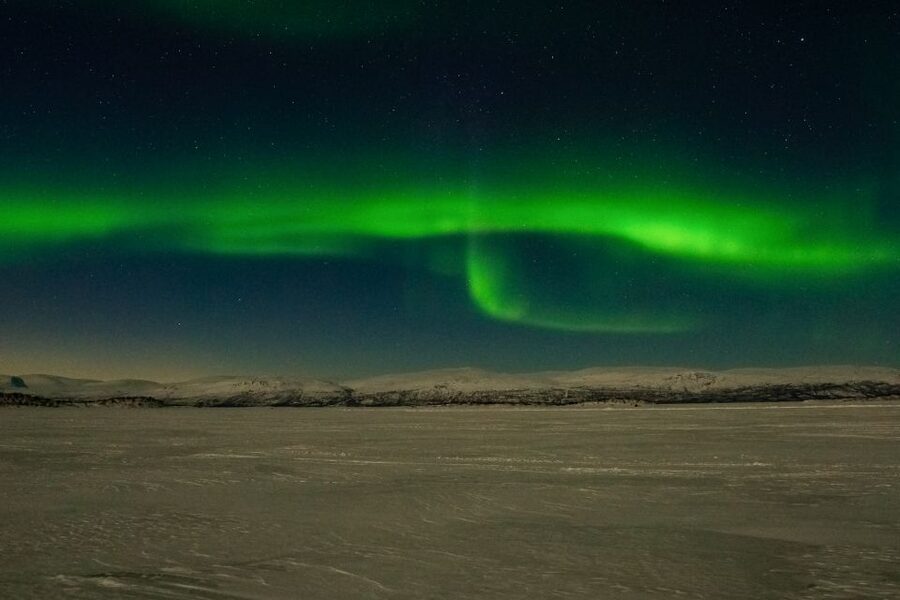
- Aurora hunting around Torneträsk and mountaintops if conditions allow
Where Abisko Sets the Tone for an Aurora Night
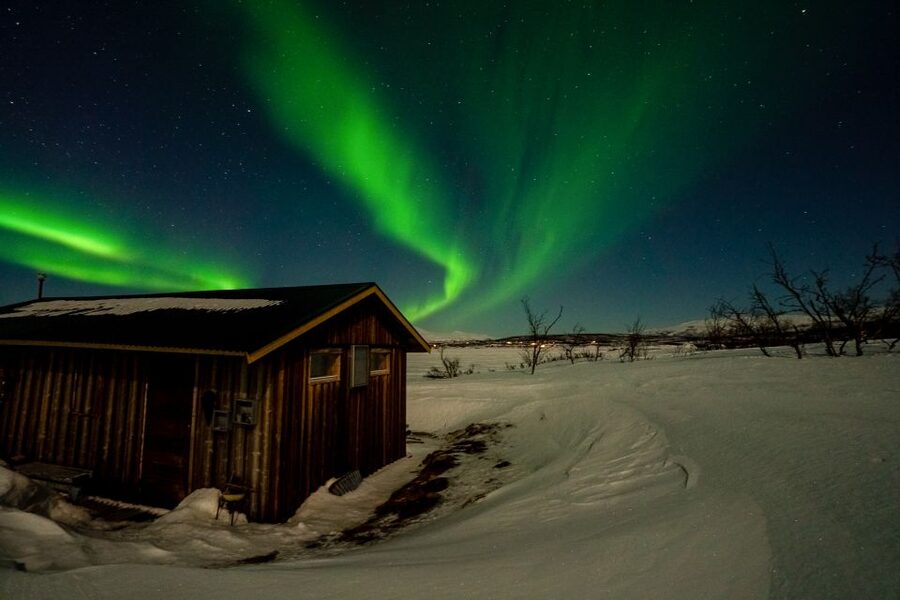
Abisko sits in Sweden’s far north (Norrbotten County), and that location matters. Winter nights here can be crisp and clear enough to make the sky feel close. When you go out after dark in this kind of darkness, you stop thinking about sightseeing and start paying attention to night itself: the texture of snow, the sound of your steps, and the way the world goes dim except for what’s overhead.
This is a 3-hour experience built for that mood. You’re not rushing from one photo spot to another. You’re guided through a winter route that’s meant to slow you down.
The group stays small—limited to 8 participants—which I like for winter activities. It reduces the chaos factor and makes it easier for the guide to explain snowshoe movement while still keeping an eye on everyone.
You can also read our reviews of more tours and experiences in Abisko.
Price and What You’re Actually Getting for It
At $110 per person, this is not a budget add-on. But it does include the big “winter hassle” items: you get hotel pickup and drop-off plus hot drinks.
What you’re paying for is the mix of:
- A trained guide in English and Swedish
- Snowshoe instruction and support on snow (so you’re not figuring it out alone in the dark)
- Time outdoors (about 2.67 hours of guided walking)
- The chance—based on conditions—to see the Northern Lights
There’s also a human factor from the guide experience in real evenings. Guides like Robin and Erik are praised for keeping everyone together, encouraging you to slow down and notice the forest, and pointing out tracks and local details. That sort of calm attention is exactly what you want in winter, when mistakes are harder to fix.
If you’re the type who needs a guaranteed aurora to feel like you got your money’s worth, then treat this as an evening with strong odds, not a lighting ceremony with guaranteed results.
Pickup, Van Ride, and the Start Timing You Should Plan For
The evening is set up around pickup. You’ll be collected from one of several Abisko-area locations, including places like Hotell Fjället, STF Abisko Turiststation, Abisko Hostel, Abisko Mountain Lodge, and other nearby accommodations. The pickup instructions are specific, so take them seriously.
Plan to arrive 5 minutes early at your chosen pickup point. The schedule is designed so the van ride is short—about 10 minutes in each direction. Then you’ll get into the guided walking portion and come back after.
Why that matters: in winter, being late doesn’t just mean you miss the start—it can throw off the whole group timing. Also, the best sky windows move fast in the arctic.
Learning Snowshoe Movement in a Birch-Forest Night
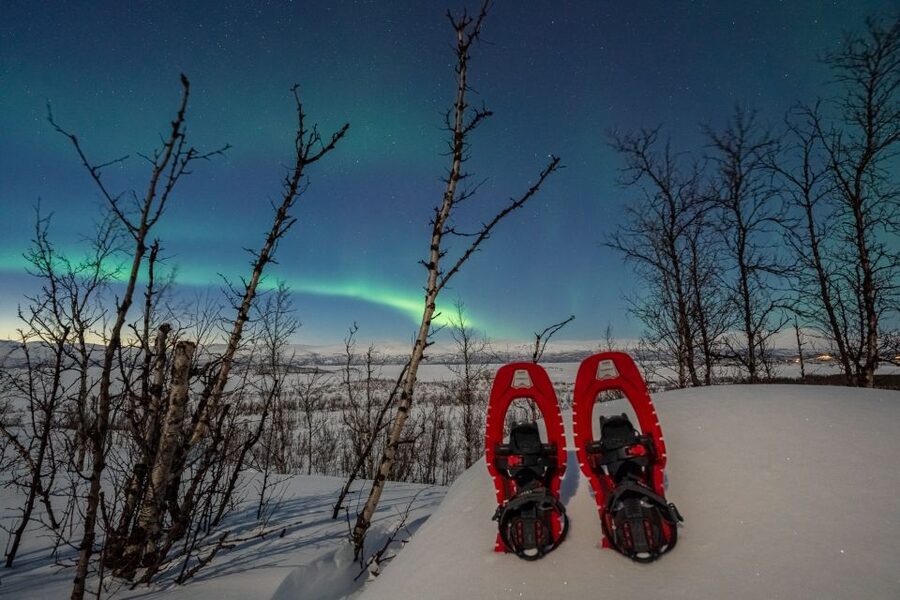
The core of the tour is learning how to move with snowshoes. Expect the guide to show you how to walk and adjust your steps so you don’t thrash around in the snow. One review praised the learning curve as manageable: you do need a little adaptation, but the snowshoe design helps you stay on the surface instead of sinking into soft spots.
You’ll be walking through arctic wilderness with the birch forest playing a starring role. Birch trunks and branches make a winter maze, but under moonlight the shapes are crisp instead of scary. You get that Narnia-ish feeling people talk about—quiet, cold, and oddly magical.
The guide also steers attention to the night sky. With a clear view away from village lights, you’ll see more stars than you’re used to. That matters because the Aurora can be hard to spot if you’re busy checking your phone screen every two seconds.
What You See on the Hike: Tracks, Frozen Lakes, and Long Shadows
This tour is built like a guided winter scavenger hunt.
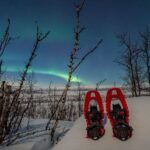
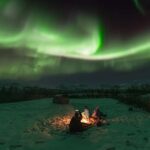
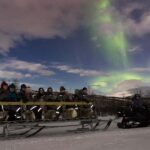
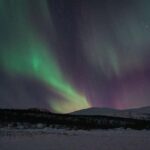
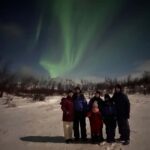
The snow becomes a wildlife page
In Abisko, animals move through the landscape even during winter. That’s why the track component is a big deal. You’ll look for prints and signs, and your guide will help you interpret them.
Possible tracks include:
- Forest hare
- Ptarmigan
- Foxes
- Lemmings
- And, if you’re lucky, moose tracks
The key value here is that you’re not guessing. The guide helps you connect what you see to what’s likely been moving through the area.
Frozen lakes and night views
At some point during the evening, you may go past frozen lakes. One guide is described as making sure the route included views that helped aurora spotting, and another evening mentioned the lights dancing over lake Torneträsk and the mountaintops.
You won’t know in advance which exact viewpoint you’ll get, because it depends on weather and conditions. But the point is consistent: you’re in dark country where the sky has room to show off.
Moon and stars: why the light detail isn’t a gimmick
The tour emphasizes how moon and star light cast shadows over snowfields. That isn’t just poetic. In practice, it helps you move better because you can see the ground texture and the snow contours. It also makes the landscape feel three-dimensional even when it’s covered.
On a clear night with snow on the ground, that contrast can make everything look sharper and stranger—in the good way.
The Warm Break: Berry Juice and a Reset for Your Body
Winter snowshoeing works your legs in a different way than walking on pavement. Your core stays busy, but your breathing can sneak up on you.
So there’s a break. You’ll stop and enjoy something warm—described as hot drinks—and you’ll also have a sip of warm berry juice. It’s a small detail, but it’s a smart one. It gives you a chance to warm hands, loosen shoulders, and stop rushing your next steps.
Also, the break is part of the rhythm of the evening: after you’ve been focused on tracks and shadows, you get a moment where the only sound is the forest and the feeling that you’re the only people out there.
Northern Lights: How the Tour Sets You Up for Your Best Chance
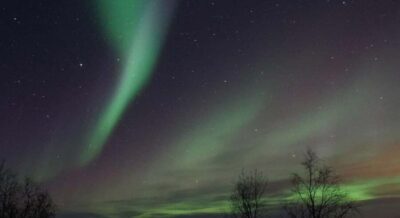
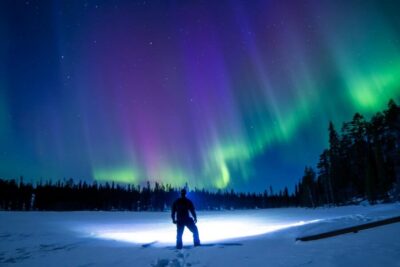
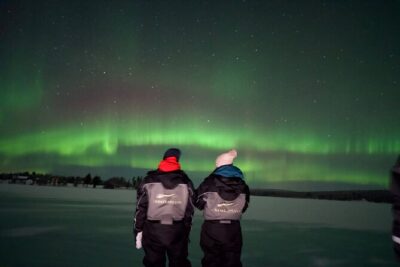
Let’s be honest. The aurora is the reason many people book this. And the tour doesn’t promise a specific result. You’ll go out hoping to see the Northern Lights, and if you’re lucky, you’ll catch them during the walk.
What helps your odds:
- You’re outdoors in a dark area away from heavy lights
- The timing is in the evening, when aurora visibility can improve under clear skies
- Your guide is actively watching conditions and timing
One review said the guide kept ordering or watching for the aurora during most of the trip, and another described aurora coming and going throughout the hike. That’s the best-case scenario.
The “good to know” version: even without aurora, you still get a memorable night walk with stars, long shadows, track spotting, and mountain views. One guide, Rebecca, was praised for explaining nature and aurora observation from the darkness, which tells me the experience keeps working even when the lights don’t cooperate.
If your trip is flexible, plan your aurora time for nights with better cloud forecasts. When conditions are good, the sky becomes part of the itinerary rather than a gamble.
When the Sky Is Perfect: Abisko Mountains and Lapporten Views
If the sky is clear and you have a full moon, you may get a stronger set of mountain views—especially over the Abisko mountain range.
The tour description calls out Lapporten, one of Sweden’s most famous mountain formations, shaped into a U-valley by ice age carving. That’s a rare kind of view: a “wow” moment that isn’t dependent on having the aurora.
So even if the aurora is faint or absent, a full-moon night can still deliver a standout payoff: a readable outline of the mountains plus bright sky contrast.
Guides Make the Difference: Robin, Erik, and Rebecca’s Style
On snowshoe nights, the guide isn’t just there to lead you. They’re there to keep the group steady, explain what you’re seeing, and prevent the experience from turning into cold chaos.
From the reviews you can pick up patterns:
- Robin is described as encouraging people to enjoy the quiet birch forest, pointing out recent and older tracks, and giving local context about trees and the area.
- Erik is praised for extensive explanations about the region and animal life, plus good aurora handling.
- Rebecca is noted for being kind and for teaching you about nature and the auroras, using the darkness as part of the experience.
So when you book, you’re not just buying snowshoe time. You’re buying an interpreter for the winter world.
What to Wear and Bring (So You Don’t Spend the Night Miserable)
The tour info doesn’t list a clothing checklist, so I’ll stick to what’s practical. This is winter snowshoeing at night. Your goal is to stay warm and dry enough that you can focus on tracks and the sky.
Bring layers you can move in, and plan for gloves and warm socks. If your hands get cold, you’ll stop enjoying the walk and start thinking about survival mode. The included hot drinks help, but they won’t replace good winter clothing.
If you’ve never used snowshoes, don’t stress—but do expect a bit of learning in the first part of the walk. One review notes that snowshoes take some adjustment. The good news is that, with instruction, you can walk on soft snow without falling into holes.
Who This Tour Suits Best (and Who Should Pick Something Else)
This tour fits best if you:
- Want an authentic arctic winter night, not a short photo stop
- Enjoy wildlife signs, track spotting, and learning as you walk
- Are okay with the aurora being a bonus, not the only goal
- Prefer a small group outdoor experience with a guide who keeps you together
It’s not suitable for wheelchair users, which is something to consider if mobility is a concern.
If you’re traveling with older kids who can handle a nighttime winter walk and you’re okay with snowshoe learning, it can be a great family activity—though the tour’s suitability for children isn’t stated here, so you’ll want to confirm with the operator before assuming.
Should You Book Aurora Snowshoeing in Abisko?
I think you should book this tour if you want a real winter evening in the north—one where the guide helps you notice wildlife tracks, moonlit shadows, and the rhythm of the forest after dark. The price feels fair when you factor in pickup, a small group, snowshoe instruction, hot drinks, and the guided outdoor time.
Skip it (or at least adjust expectations) if you’re mainly hunting for a guaranteed aurora. Even with great guides and smart timing, the lights depend on conditions. If you go in wanting the full package—the night sky, the landscape views when the moon is strong, and the warm break—you’ll get your money’s worth regardless of whether the aurora puts on a show.
FAQ
How long is the Abisko Aurora Snowshoeing tour?
It runs about 3 hours total, with roughly 2.67 hours of guided hiking on the snow.
What does the price include?
The tour includes hotel pickup and drop-off plus hot drinks.
Where does pickup and drop-off happen?
Pickup and drop-off are offered at multiple locations in Abisko. Examples include Hotell Fjället, STF Abisko Turiststation, Abisko Hostel, Abisko Guesthouse, and Abisko Mountain Lodge, among others listed in the pickup schedule.
Do I need to speak Swedish or English?
No. The live tour guide works in English and Swedish.
Is it a small group tour?
Yes. The group is limited to 8 participants.
Is the Northern Lights guaranteed?
No. You may see the Northern Lights if conditions and luck are on your side.
Is the tour wheelchair accessible?
No. The tour is not suitable for wheelchair users.