REVIEW · REYKJAVIK
8-Days Northern Lights Exploration Tour from Reykjavík
Book on Viator →Operated by GJ Travel · Bookable on Viator
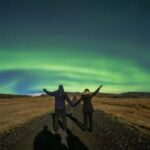
Dark skies can change your whole trip. This 8-day drive through Iceland pairs Northern Lights Academy science lessons with real nightly sky-watching.
I love how much time you get out of the city and into the winter sights, from mossy lava to powerfully boiling springs. I also like that the trip includes real, guided stops like Vatnshellir cave, not just photo stops from the bus window.
One consideration: auroras depend on weather. You’ll still be out at night, so plan for cold, and don’t expect perfect skies every single evening.
In This Review
- Key things I’d watch for on this tour
- Northern Lights Academy: how the hunt really works
- Reykjavik intro and wrap-up: use the city before the bus
- Winter West Iceland essentials: Grábrók, Deildartunguhver, and the Lava Falls
- From Kirkjufell to Vatnshellir: going underground and shooting icons
- Thingvellir to Geysir and Gullfoss: classic Iceland in winter timing
- Fridheimar and geothermal culture: horses plus greenhouse learning
- Volcano science days: Lava Centre, Skógar Museum, and Eyjafjallajökull
- Black sand, basalt columns, and big waterfalls on the South Coast
- Jökulsárlón, Diamond Beach, and Vatnajökull National Park
- Seljalandsfoss and the Blue Lagoon: a geothermal reward, with a real-world twist
- Price and value: what $3,186.01 actually buys
- Who should book this northern lights exploration tour
- Should you book it
- FAQ
- How long is the tour?
- What language is the tour offered in?
- Is airport transfer included?
- Where is the tour meeting point in Reykjavik?
- Do I get equipment for winter and northern lights viewing?
- Is Vatnshellir Cave visit guided?
- What meals are included?
- Is Blue Lagoon included?
Key things I’d watch for on this tour
- Northern Lights Academy mixes presentations, film, and actual aurora searches
- Vatnshellir guided cave time goes underground into a lava tube
- Geothermal highlights include Europe’s most powerful hot spring area and hot spring bread-and-egg tasting
- Big ice day(s) at Jökulsárlón and Fellsfjara, with a chance to spot seals
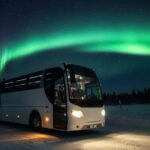
- Comfort on the move: air-conditioned vehicle, WiFi onboard, and a cap of 40 travelers
- Provided winter gear includes snow and ice grippers plus a flashlight for night viewing
Northern Lights Academy: how the hunt really works
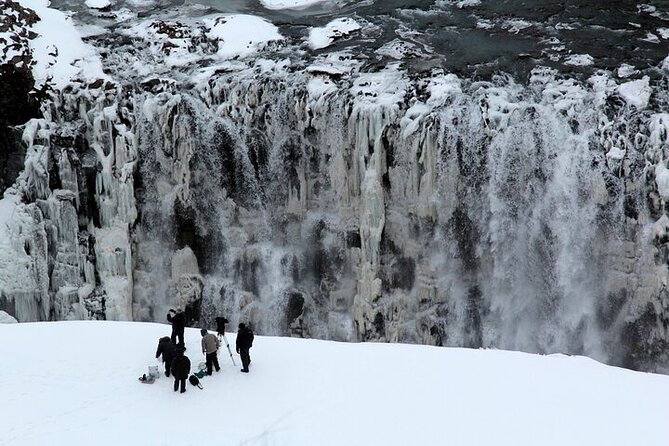
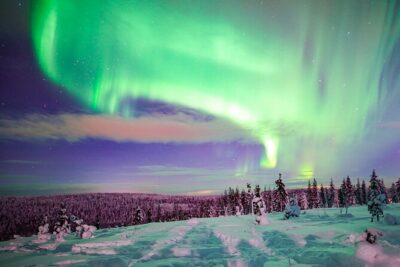
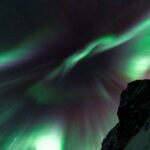
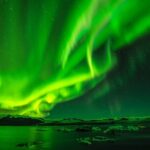
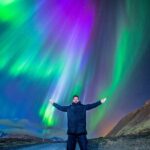
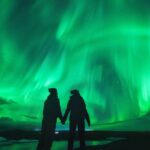
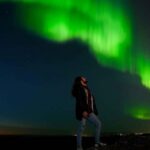
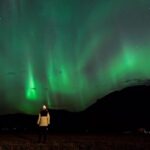
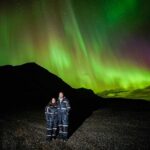
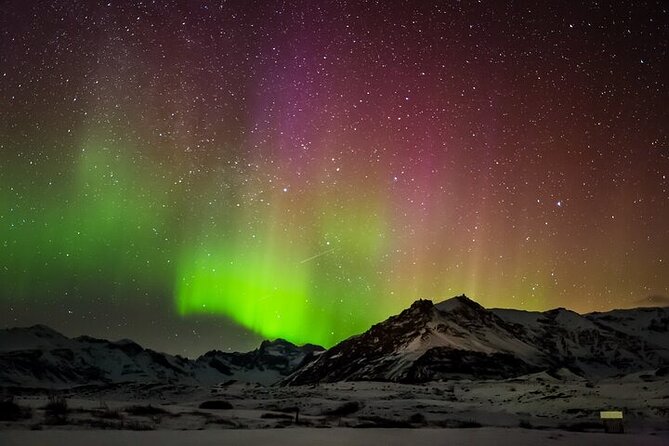
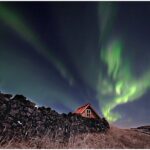
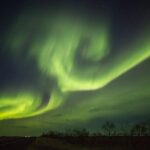
This is the part of the trip that most people remember, and it’s built into the schedule in a clear way. The Northern Lights Academy isn’t just a casual mention of the aurora. You get a mix of presentations, film, and then nighttime searches, so you understand what you’re looking for while you’re standing outside with the rest of your group.
The tour also gives you practical help for winter nights. You get a flashlight and snow and ice grippers for your shoes, which is a big deal when you’re trying to move safely in icy conditions. Even if you’ve seen the northern lights before, the added structure helps you “read” the sky instead of just hoping.
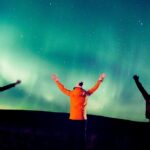
Now, the honest bit: the aurora is never guaranteed. What you can count on is effort. This tour keeps watch nightly, and that matters because it increases your odds over a multi-day stay. A recent review even noted seeing northern lights twice, which is exactly what the multi-night approach is designed to make more likely.
You can also read our reviews of more tours and experiences in Reykjavik.
Reykjavik intro and wrap-up: use the city before the bus
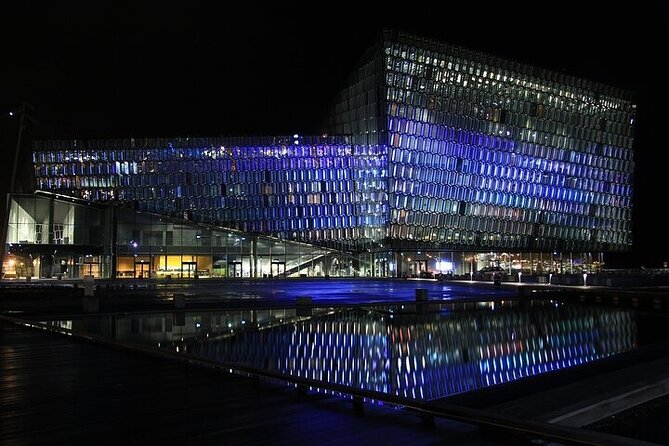
Your trip is anchored in Reykjavik, and you get real time to use the city without losing the whole schedule to long drives. Before the touring days get going, you can relax at the hotel or head out on your own. The hotel is in a spot where Laugavegur, the main shopping street, is just around the corner, so you can walk, warm up, and grab dinner at street level instead of chasing a single planned meal.
On the final day, you’re back in Reykjavik again with time to breathe. That’s a smart rhythm for winter. You’re not fighting the clock on the last afternoon, and you can do simple things you’ll actually enjoy in Iceland: a relaxed meal, a final look at the harbor, or just a stroll in the center.
One note I’d keep in mind: the tour includes airport transfers by Flybus Plus shuttle, but those transfers are “no guide.” So your first touchpoint is more logistical than storytelling. The good part is that you know the pick-up system and you have a clear meeting point for the guided portion.
Winter West Iceland essentials: Grábrók, Deildartunguhver, and the Lava Falls
The early days lean into what Iceland does best in winter: geology that looks unreal even when you’re standing right next to it. You’ll start with a Reykjavik morning, then head west to sights that are easy to love, even in cold weather.
Grábrók crater is built for short effort. You can climb toward the crater rim (about 20 minutes of walking) and look out over a moss-covered lava field. The view is the pay-off, and the pacing is friendly if you’re not trying to “out-hike” Iceland’s winter conditions.
Then comes Deildartunguhver, described as Europe’s most powerful hot spring area. It produces 180 liters per second of nearly boiling water at about 97° Celsius. Even if you’ve visited hot springs elsewhere, this one has a scale that hits you fast. It’s not just warm water; it’s industrial-level geothermal power you can sense in the air and the steam.
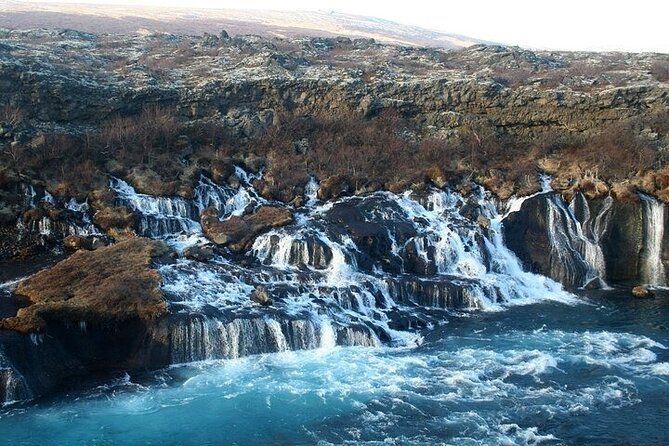
Next are the Hraunfossar Lava Falls and then Barnafoss. Hraunfossar is a broad, surprising waterfall spilling under a birch-covered lava field, as if the water is somehow escaping from the rock itself. Barnafoss is nearby and shaped by the river carving strange rock figures, plus it has its own tragic tale. These are the kinds of stops that don’t need a long explanation. You just show up, look at what water and time did, and move on.
If you’re the type who likes variety, this cluster of stops is a win. You get volcano and lava, then high-power geothermal flow, then a waterfall scene that feels almost cinematic.
From Kirkjufell to Vatnshellir: going underground and shooting icons
Some Iceland stops are famous for a reason, and Kirkjufell is one of them. You’ll have a photo stop at the mountain jutting into the bay. It’s short on purpose, because on an 8-day schedule you’re always balancing time on the road with time outside.
The bigger wow-factor is Vatnshellir Cave. You’ll go 35 meters underground and walk about 200 meters into a lava tube under the glacier Snæfellsjökull. That’s not just a “walk-through.” It’s a guided experience into a natural system formed by ancient volcanic activity. The fact that it’s underground gives you a different kind of winter feel: less wind, more silence, and a cool, mineral world you can’t replicate by looking at photos.
This is also a good spot for people who don’t want to gamble on weather-dependent activities. Even if the sky is messy, the cave still happens.
When you come out, the day shifts toward the historical and political heart of Iceland: Thingvellir.
Thingvellir to Geysir and Gullfoss: classic Iceland in winter timing
Thingvellir National Park is UNESCO World Heritage, and it carries both natural drama and human history. You’ll stroll through the country’s most sacred site, tied to the Alþingi, the oldest existing national parliament in the world. The park is also a geological spectacle, with wide fissures and a dramatic setting by Thingvallavatn.
What I like about Thingvellir in winter is that it doesn’t feel like a museum. You’re walking outdoors on open ground with huge geological cues right there, so your brain gets filled with scale fast.
Then you go to Geysir, where the famous “original” geyser is dormant and Strokkur takes the spotlight. Strokkur erupts every 5 to 10 minutes, which makes timing easier. It’s also where the tour adds a food moment: you’re invited to taste freshly baked hot spring bread served with Icelandic butter, boiled eggs, and herring. That’s not just a snack. It connects the heat of geothermal systems to something you can actually taste.
After that you reach Gullfoss, the Golden Falls. It’s a double cascade dropping about 32 meters. On a sunny day, you’re likely to see a rainbow in the massive spray. In winter, Gullfoss can be pure motion and sound, and it’s one of those stops where you feel small in the right way.
One small caution: winter spray and slick surfaces mean you should watch your footing. The tour provides winter shoe grips, which helps.
Fridheimar and geothermal culture: horses plus greenhouse learning
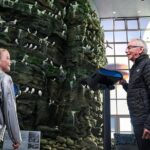
Not all geothermal stops are about steam vents. At Fridheimar, you learn about the Icelandic horse and its unique qualities and history. You’ll also visit a geothermal greenhouse, which is a smart way to see how Iceland uses heat beyond tourism.
This stop works well if you want culture that doesn’t feel like a lecture. You’re not only seeing nature; you’re seeing a real adaptation. Icelandic horses have a strong identity here, and the greenhouse angle makes the geothermal theme more practical.
It’s also a nice shift in tone after the big waterfalls and hot springs. Instead of peak drama, you get a calmer look at how Iceland life connects to geothermal energy.
Volcano science days: Lava Centre, Skógar Museum, and Eyjafjallajökull
As you head toward the South Coast, the tour leans into two themes: how Iceland’s volcano system works, and what daily life looked like before modern comfort.
At the Lava Centre, you get an interactive high-tech exhibition about geology and active volcanoes. The point isn’t just facts. It’s helping you see Iceland as an active engine, where eruptions and land changes aren’t “past tense.” The exhibition format also helps you stay engaged on a winter day when the weather might limit how long you want to stand outside.
Then you visit Skógar Museum, one of Iceland’s finest folk museums. You’ll see farm and domestic artifacts, several turf-built houses, and the kind of everyday objects that make history feel real. Turf construction is one of those things that looks simple until you realize how it solved a problem: insulation in a harsh climate.
After that, there’s a stop for the Eyjafjallajökull eruption story through a multimedia presentation at the Volcano Information Center under the glacier. It references the 2010 eruption and the disruption to air traffic across Europe for a week. That context is useful because Iceland’s volcanoes affect not only landscapes, but people’s routines far beyond the island.
Black sand, basalt columns, and big waterfalls on the South Coast
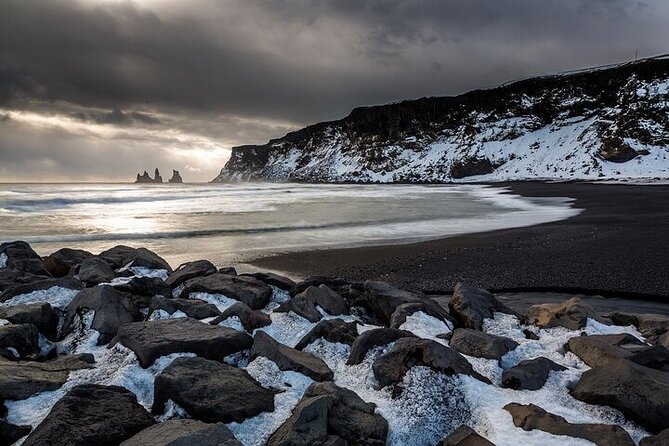
If you like dramatic coastlines, the South Coast day delivers. You’ll stroll along Reynisfjara Black Sand Beach, famous for black lava sand and bird cliffs. The area has caves and impressive rock formations, including columnar basalt.
This isn’t a long beach walk. The value is in watching the rock shapes and understanding that basalt columns are a real volcanic process, not just a pretty pattern. It helps you connect what you saw in the Lava Centre to the coastline in front of you.
Then it’s on to Skógafoss, a waterfall about 60 meters high. It’s one of Iceland’s easiest “wow” moments because it’s loud, wide, and photogenic. In winter, it can feel especially powerful because the spray cuts the air.
Between coastline geology and waterfalls, this section gives your eyes variety without requiring long hikes.
Jökulsárlón, Diamond Beach, and Vatnajökull National Park
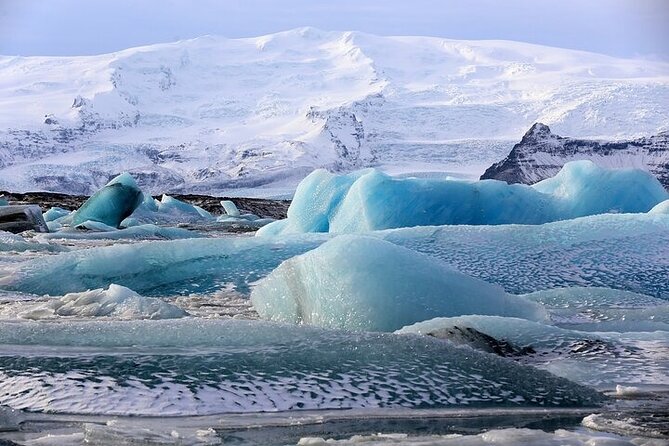
The glacier day is where the trip really stretches your sense of scale. You’ll visit Jökulsárlón, a glacial lagoon filled with floating icebergs. The tour also notes a possible seal sighting in arctic waters. Even if you don’t see animals, the movement of ice and water is the point. It looks alive in a way that static photos rarely capture.
Then you cross to Fellsfjara, the so-called Diamond Beach, where large icebergs from Jökulsárlón get stranded. The “diamond” effect comes from ice pieces scattered over black sand. It’s a very Iceland pairing: dark volcanic ground with bright ice.
You’ll also have a photo stop at Hof, with a tiny turf church built in 1883, described as the youngest turf church in Iceland. It’s quick, but it gives you a human-sized stop in a day that’s otherwise all about massive nature.
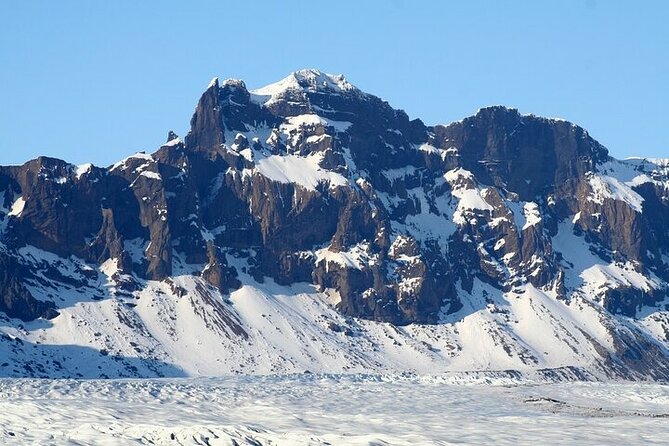
Finally, you spend time at Vatnajökull National Park, Europe’s largest national park, with Iceland’s highest mountains, an alpine environment, and Europe’s largest glacier, Vatnajökull. This is where the trip becomes more about breadth than single icons. You get the sense of Iceland’s scale in one region, not just one waterfall or one beach.
Seljalandsfoss and the Blue Lagoon: a geothermal reward, with a real-world twist
On the last full tourism day, you hit two geothermal heavy hitters.
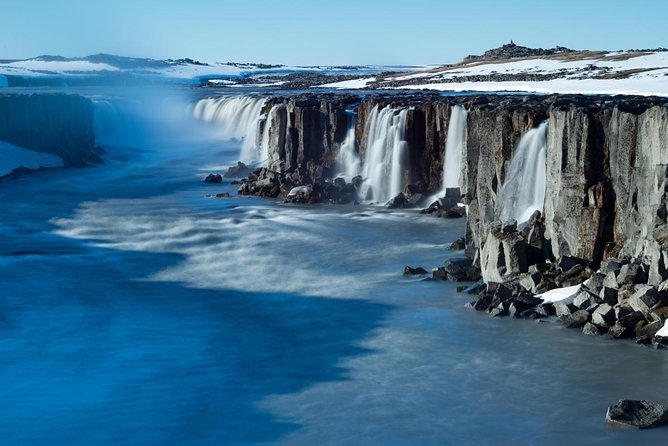
Seljalandsfoss is a graceful ribbon-like waterfall dropping from an overhanging lava cliff. You can walk behind it, though you should not expect to stay dry. That behind-the-falls angle is the kind of thing you remember later because it changes your perspective from watching to experiencing.
Then comes the Blue Lagoon. Admission and a towel are included, and it’s described as a geothermal pool in a large dramatic lava field, fed by a nearby geothermal power plant. This is a classic “soak after the miles” moment, and it fits winter travel logic perfectly: you’ve been outside, you’re cold, and then you get warm water and a place to reset.
One practical note from a recent review: when Blue Lagoon was closed due to volcanic activity, the tour rebooked the group to the Sky Lagoon instead, and the guest reported it was awesome too. That suggests the operator can adapt if a major stop becomes unavailable. Don’t treat it like a guarantee, but it’s a helpful sign that rerouting can happen.
Price and value: what $3,186.01 actually buys
At about $3,186.01 per person for an 8-day trip, this isn’t a budget Iceland plan. It’s closer to a bundled winter “all-in” experience.
Here’s why it can still feel fair. Your package includes 7-nights accommodation in comfort tourist-class hotels with breakfast, plus fully escorted touring on a 6-day bus segment with an English-speaking guide or driver-guide. You also get the Northern Lights Academy program (presentations, film, and nightly searches), plus use of winter/aurora equipment like shoe spikes and a flashlight. On top of that, you get several specific paid inclusions: a guided cave visit to Vatnshellir, Thingvellir and Geysir-related inclusions (including the hot spring bread-and-egg tasting), a Fridheimar visit, the Lava Centre and Skógar Museum, plus the Blue Lagoon admission and towel.
If you were to build something similar yourself in winter, you’d pay separately for lodging, transportation, guides/entrance tickets, and aurora-style equipment or tours. This price doesn’t mean you’re paying for more “scenery.” It means you’re paying for logistics to work without you stitching it together.
The main thing to weigh is your winter priorities. If your top goal is northern lights, the multi-night academy approach and the provided gear add real value.
Who should book this northern lights exploration tour
I’d point you to this tour if you want a structured Iceland winter experience with a strong focus on aurora odds and geothermal sights. It’s also a good fit if you like a mix: famous icons (like Gullfoss and Skógafoss), geology education (Lava Centre and volcano info), and hands-on stops (Vatnshellir cave, plus walking behind Seljalandsfoss).
If you’re traveling with someone who hates uncertainty, note that the sky can stay clouded. Still, you’re not just doing one “chance night.” The nightly watch pattern is the buffer here.
And because the group size is capped at 40 and the vehicle includes WiFi and air-conditioning, it’s built for comfort during long winter drives.
Should you book it
If northern lights are your top reason for coming to Iceland, I’d lean yes. The mix of Northern Lights Academy education, provided night gear, and multi-night searches is exactly what boosts your odds and makes the experience more meaningful than random waiting.
If your budget is tight, you might look for a shorter trip or a rail-thin version that focuses on fewer regions. But for travelers who want a full Iceland winter sampler with major highlights lined up and hotel included, this package is hard to beat.
Just go in with the right expectation: auroras are a bonus from the skies, but the guided learning, geology stops, and glacier day are guaranteed parts of the deal.
FAQ
How long is the tour?
The tour is listed as 8 days (approx.).
What language is the tour offered in?
It is offered in English.
Is airport transfer included?
Yes. Arrival and departure airport transfer is included via Flybus Plus shuttle (no guide).
Where is the tour meeting point in Reykjavik?
The tour guide meets at Hotel Klettur, Mjölnisholt 12-14, Reykjavik 105. The guide meets you before the 09 AM departure.
Do I get equipment for winter and northern lights viewing?
Yes. The tour includes winter and Northern Lights equipment such as snow and ice grippers (spikes) for shoes and a flashlight.
Is Vatnshellir Cave visit guided?
Yes. There is a guided tour into Vatnshellir cave.
What meals are included?
Breakfast is included for 7 mornings. Other meals and drinks are not included.
Is Blue Lagoon included?
Yes. Admission and a towel are included. One provided review also reported that when Blue Lagoon closed due to volcanic activity, the tour rebooked the group to Sky Lagoon.