REVIEW · REYKJAVIK
Small-Group Premium Northern Lights Tour from Reykjavik
Book on GetYourGuide →Operated by Northern Lights Bus · Bookable on GetYourGuide
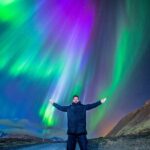
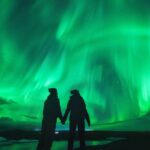
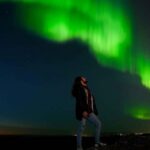
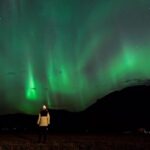
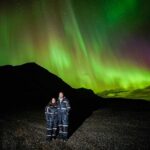
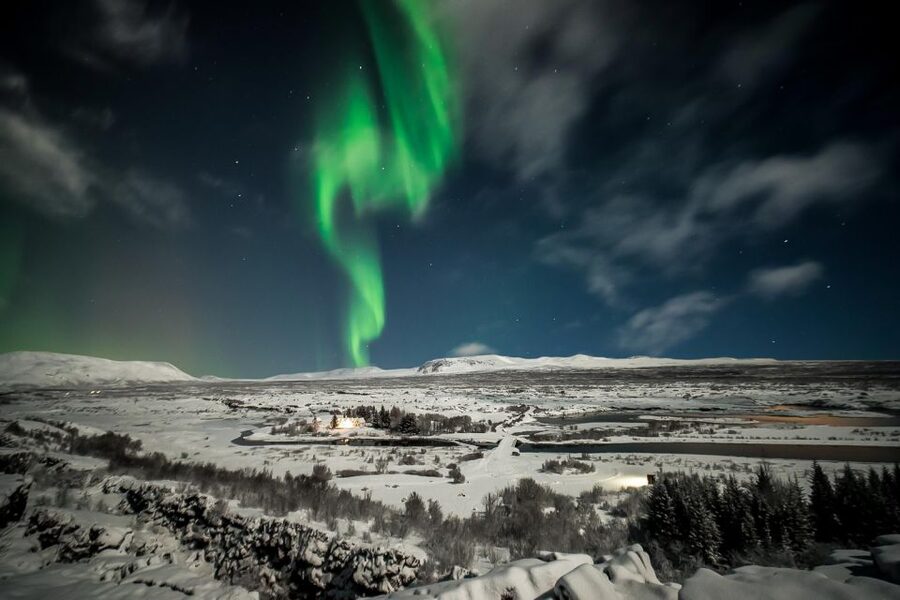
Your chance at the aurora starts at dusk. This small-group Northern Lights chase from Reykjavik keeps things focused and easier to manage when the sky starts moving.
I like that the guides don’t just point upward. You get hands-on help, plus real explanations of how the aurora forms, with guides such as Ody and JP often bringing extra energy and structure to the hunt.
One thing to weigh: the Northern Lights are never guaranteed, and the cold is real. If you end up waiting in the wrong spot or the activity is slow, it can test your patience, especially with long outdoor stops.
In This Review
- Key Things to Know
- Reykjavik to the Dark: How the Aurora Hunt Actually Works
- Small-Group Premium Comfort: Why the Group Size Matters
- The Role of the Guide: Science, Myths, and Photo Help
- From City Lights to Dark Skies: What You’ll Do During the 4 Hours
- Timing the Stops: Why “Meteorologist Predictions” Still Need a Human Eye
- What to Wear: Cold-Proofing Makes or Breaks the Night
- Hot Chocolate and Refreshments: Small Detail, Big Value
- Photo Tips That Actually Match This Tour
- Price and Value: What $107 Really Buys in Iceland
- If the Aurora Doesn’t Show: How the Free Retry Changes Your Risk
- Who This Tour Fits Best (And Who Might Want a Different Option)
- Should You Book This Northern Lights Tour From Reykjavik?
- FAQ
- How long is the Northern Lights tour?
- Is pickup included from Reykjavik?
- Are Northern Lights sightings guaranteed?
- What happens if I don’t see the aurora on the scheduled tour?
- What’s included in the ticket price?
- What language are the guides?
- Do I need to bring anything?
- Is there a child age limit?
Key Things to Know
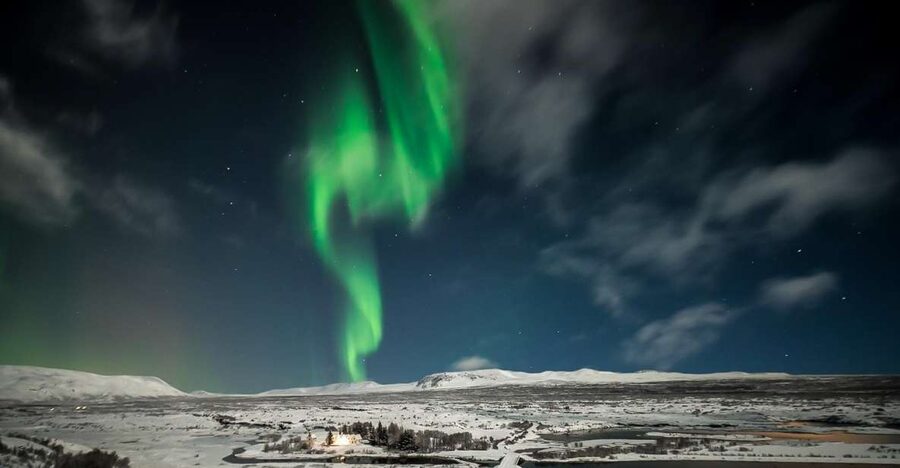
- Small-group hunting: you’re usually in a minibus-sized group, so you can access better viewing spots than huge coaches.
- Dark-sky focus: you aim for areas with less light pollution, which matters as much as the forecast.
- Photo-friendly stops: you’ll get time outside to look up and shoot.
- Guides who explain the sky: you learn the science and also hear myths and constellations.
- Hot drinks included: hot chocolate and refreshments help you stay out longer.
- Free retry for 3 years: if you don’t see the aurora on your scheduled night, you get another chance via an open ticket.
Reykjavik to the Dark: How the Aurora Hunt Actually Works
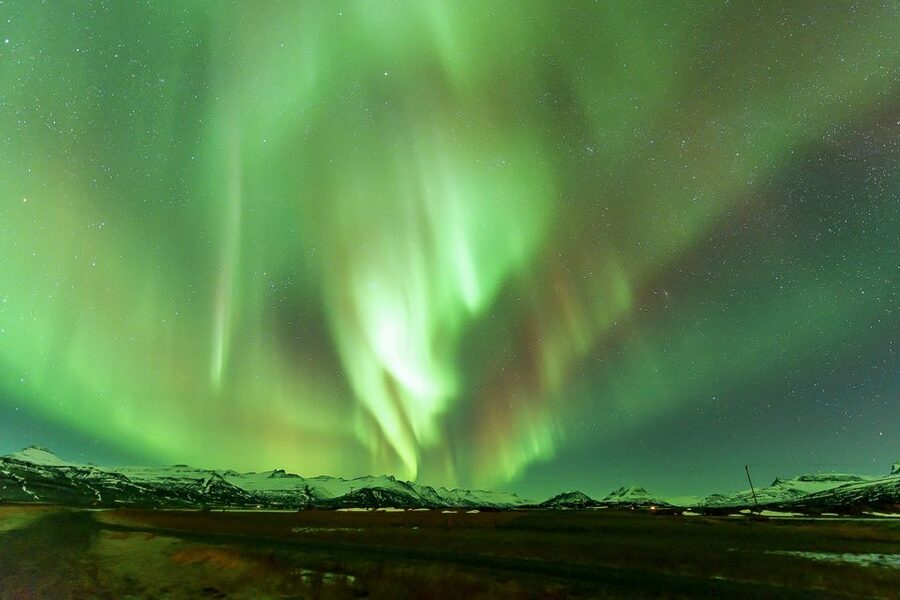
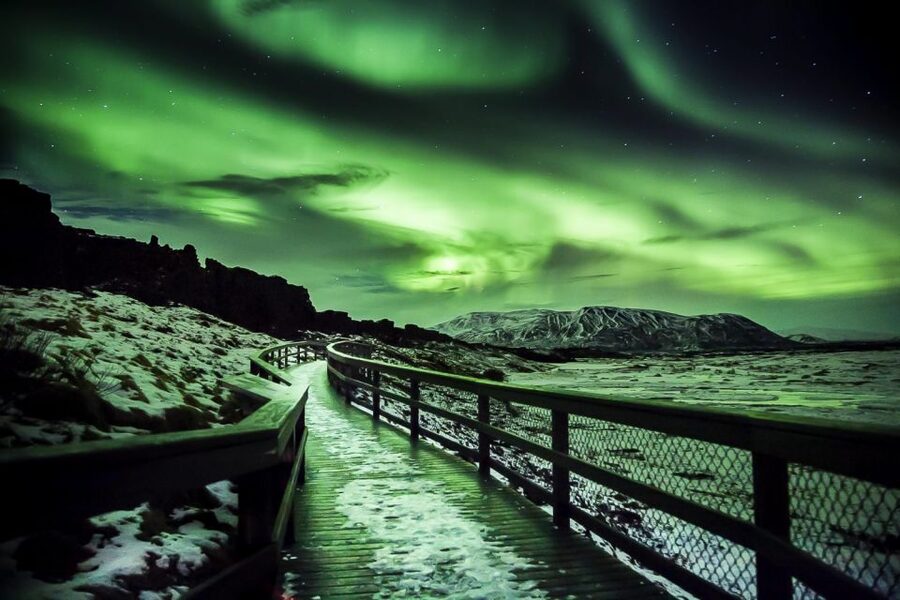
This tour is built around one simple idea: the best Northern Lights viewing needs dark skies. So after pickup in central Reykjavik, you’re pointed away from city light and toward where the aurora has the best chance to show up that night.
The pace is part of the experience. You’ll drive in the direction meteorologists predict might be strongest, then stop and scan the sky. If things look slow, the guides keep moving. That chase mindset is what turns a “maybe” night into a “we’re out there trying” night.
You’ll also notice the tour is very weather-dependent. Iceland can look cooperative one hour and cloudy the next. The tour’s structure accepts that reality. The goal isn’t to guarantee a show. The goal is to put you in the best position, with the best guidance, for as long as possible.
You can also read our reviews of more tours and experiences in Reykjavik.
Small-Group Premium Comfort: Why the Group Size Matters
At $107 per person, you’re paying for more than a bus ride. You’re paying for fewer people and faster, smarter repositioning—exactly what you want on a night when timing and darkness matter.
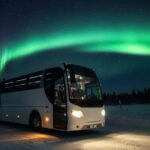
Many people describe it as a minibus-sized group (around twenty seats). That’s a big deal. With a smaller group, you can:
- get closer to the “right” viewing direction without elbow-to-elbow crowds
- roll into tight areas where larger vehicles don’t fit as well
- keep your attention on the sky instead of the chaos of a big coach line
And comfort isn’t a luxury here—it’s survival. You’re outdoors in winter conditions, then back on the vehicle to warm up. The evening stays manageable because the group isn’t huge.
If you’re the type who likes to watch, wait, and then react when something changes, a small-group format makes that feel natural instead of stressful.
The Role of the Guide: Science, Myths, and Photo Help
This tour is led by an aurora hunting guide, and that role is way more important than it sounds. The best guides read the whole situation: sky conditions, cloud movement, where people should look, and when it’s worth staying put versus driving.
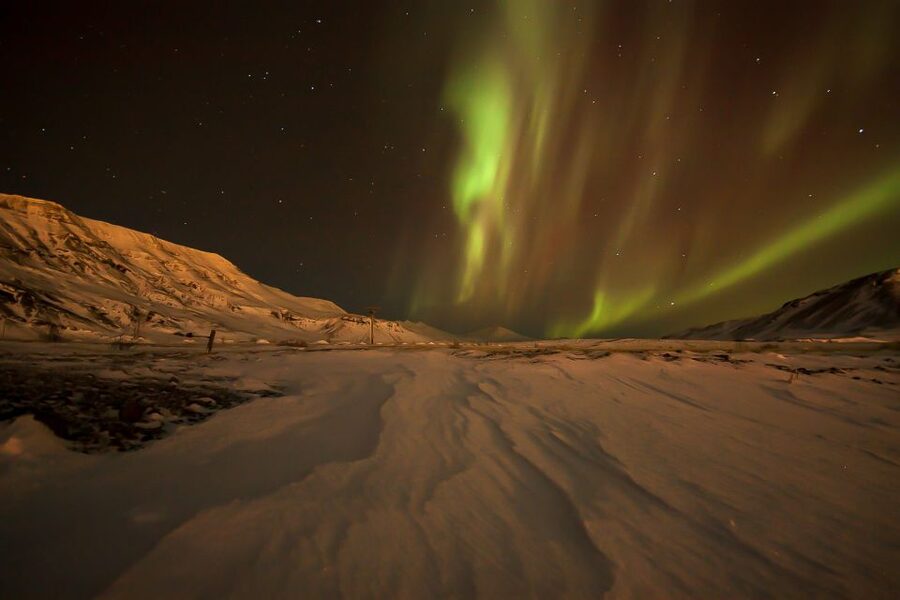
You’ll hear explanations of what causes auroras: charged particles released from the sun collide with gases in Earth’s atmosphere. That’s the core science, but the stronger part is how it’s presented. Guides often connect the science to what you’re seeing, which helps you stop guessing and start noticing patterns—color shifts, intensity changes, and the moments when activity “pops.”
A lot of the positive energy comes from the guides’ personalities and effort. People mention guides like Ody, Sammy, Axel, Michael, Roman, Jonas, and JP—each bringing their own vibe, but all sharing a common theme: they work hard to find spots with low light and they help you shoot better photos.
If you care about pictures, you’re not left alone with a camera and hope. You’ll get tips and guidance on how to capture what’s happening in the sky, and in many cases guides help directly so you’re not missing the moment while troubleshooting settings.
From City Lights to Dark Skies: What You’ll Do During the 4 Hours
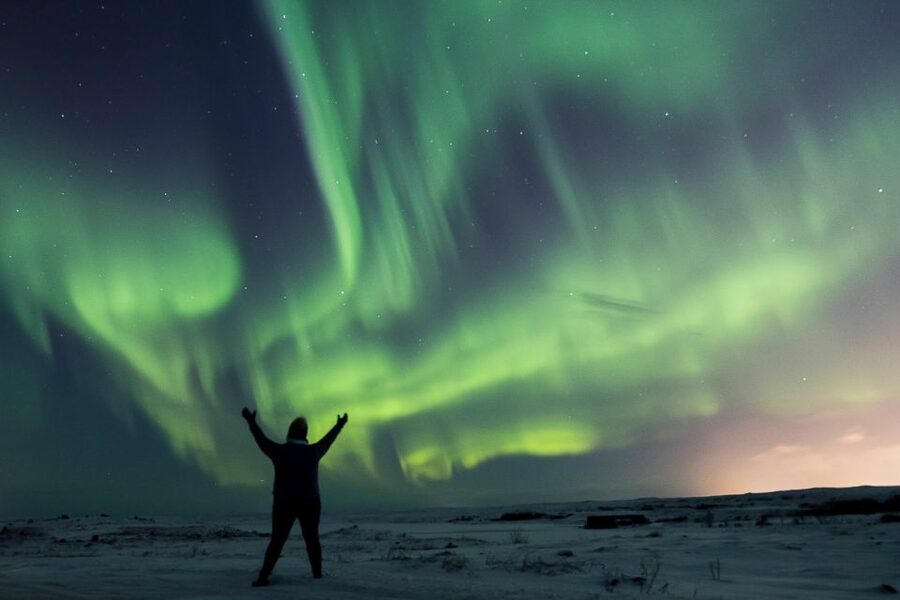
The tour runs about 4 hours, starting in Reykjavik and ending back in town later that night. Exact timing can shift based on conditions, and the evening can feel longer when the aurora turns on early and the guide keeps scanning between stops.
The typical flow looks like this:
- Pickup in central Reykjavik, then drive out into darker areas
- Outdoor viewing time at one or more stops
- Quick warm-up breaks in between
- More scanning, more repositioning, then a return toward Reykjavik
Many people report being taken to multiple locations—sometimes three—so you can compare what the aurora looks like as cloud cover changes and as darkness improves. That also gives you multiple chances to get a great view even if activity fades briefly.
One caution from real-world experience: outdoor waiting in wind and cold can become the hardest part, especially if you’re in the wrong “holding pattern.” Some travelers felt a stop for hot chocolate and waiting could have been shortened when no aurora appeared at that time. In contrast, others say the hunt stayed tight and didn’t waste minutes.
So mentally plan for both outcomes. You’re on a chase. Some nights get fireworks early. Some nights require patience.
Timing the Stops: Why “Meteorologist Predictions” Still Need a Human Eye
Even with forecasts, Iceland is Iceland. That means the tour relies on both prediction and in-the-moment decision-making.
You’ll drive toward where the aurora has the best chance based on predictions, then the guide checks what the sky is doing right now. That’s how you get the best of both worlds:
- You’re not guessing from Reykjavik with zero direction.
- You’re not stuck following a plan that ignores clouds and real conditions.
The guides also seem tuned to what works visually. People often describe being shown exactly where to look, and at times they notice the aurora starting “quietly” before it bursts into something obvious. The best moments can happen fast, so the guide’s ability to time stays pays off.
If you’re hoping for a calm, guaranteed sunset-to-aurora script, this isn’t that. If you’re okay with a night built on observation and adjustments, it can be the most rewarding way to see the Northern Lights.
What to Wear: Cold-Proofing Makes or Breaks the Night
Your clothing choice matters more than your camera model.
The tour is outdoors at night in winter. You’ll want warm, weatherproof layers and gear that handle wind. The most common practical advice from experienced aurora watchers is:
- lots of layers you can vent or re-stack
- weatherproof outer clothing
- face coverage like a balaclava (wind can bite)
- gloves that let you manage your camera
- water to stay functional
There’s also a practical comfort factor: you may not have toilet stops along the way. So plan ahead. You’ll likely spend most of the time on the move and outside in short bursts, then warm back up.
If you tend to get cold easily, don’t trust how you feel in the warm bus. Once you’re outside, the wind finds the gaps.
Hot Chocolate and Refreshments: Small Detail, Big Value
Hot chocolate isn’t just a nice perk here. It’s part of how the tour keeps you outside long enough to catch a show.
People repeatedly note that the hot chocolate hits the spot during freezing waits. It also turns the group into one calmer unit instead of everyone rushing back the second their fingers go numb.
So when the guide offers breaks and warm drinks, treat it as part of the plan. It helps you stay patient if the lights don’t arrive immediately.
Photo Tips That Actually Match This Tour
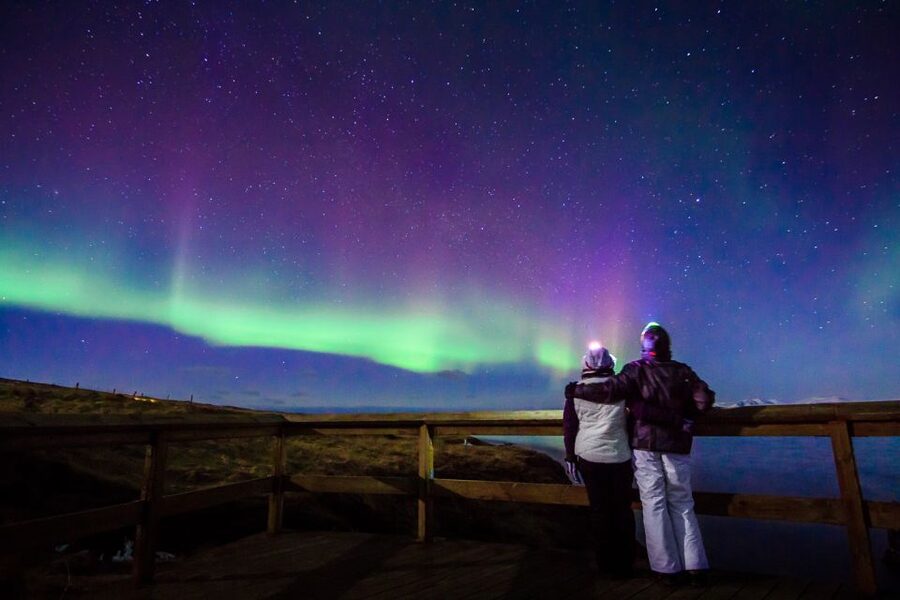
The tour is designed for people who want photos, not just views. You’ll get time outside at stops, and guides often assist with photography so you’re not stuck missing the action.
Here’s what you should do before you go so you can use that time:
- Bring a camera or smartphone you know how to operate in the cold.
- Keep extra battery storage in a warm inner pocket. Cold drains power fast.
- Use steady support if possible (tripod or brace), since auroras move and exposure times can be longer than normal night shots.
- Don’t look only at your screen. Watch the sky too. Some of the best moments happen while you’re trying to frame.
Also, your guide will often coach where to stand and which direction to look. The “best” photos aren’t only about settings. They’re about timing and location—two things this tour chases hard.
Price and Value: What $107 Really Buys in Iceland
$107 per person sounds specific, but the value comes from the package logic.
You’re getting:
- bus fare
- an aurora hunting guide
- guided tour time and multiple viewing stops
- hot chocolate and refreshments
- and, most importantly, an open ticket for a free retry over 3 years if you don’t see the lights on your scheduled night
That free retry is the real insurance policy. Northern Lights nights are unpredictable, and cloud cover can sabotage even the best forecast. By extending the retry option for 3 years, the tour removes some of the stress that comes with traveling in a limited winter window.
In plain terms: you’re not just buying a chance to see the aurora tonight. You’re buying the structure and guidance to keep trying if tonight fails.
If the Aurora Doesn’t Show: How the Free Retry Changes Your Risk
The Northern Lights are a natural phenomenon, not a theater show. So you should go in expecting uncertainty.
The tour handles that with an open ticket valid for 3 years. If you don’t see the lights during your scheduled attempt, you get the chance to join a Northern Lights Bus tour free of charge.
That shifts your decision from:
- Will I see the aurora this single night?
to:
- If I don’t, can I try again without eating the full cost?
That’s exactly what makes a premium, guided chase worth considering in Iceland’s winter season.
Who This Tour Fits Best (And Who Might Want a Different Option)
This tour works well if you:
- want a guided aurora hunt without being trapped on a huge coach
- like learning the science and myths behind what you’re seeing
- care about photography help and clear directions on where to look
- get excited by a flexible, chase-style plan rather than a fixed schedule
It may not be ideal if you:
- travel with small children under 8 (this tour doesn’t allow them)
- hate cold outdoor waits, since the experience includes standing outside as you search
- need guaranteed results, since aurora visibility depends on cloud cover and solar activity
If you’re a solo traveler, a couple, or a small group of friends who want the night to feel manageable, this format is a strong match.
Should You Book This Northern Lights Tour From Reykjavik?
I’d book it if you want the best odds that night, plus a safety net for the next attempt. The combination of a small-group setup, guided positioning away from light pollution, and hot drinks to keep you outside makes it feel like a real aurora hunt instead of a long drive with hope.
The only real downside is the honest one: you’re chasing a natural light show that can disappear under clouds. But that risk is softened by the free 3-year retry option.
If your dream is to see the aurora in Iceland and you’re willing to dress for the cold and stay patient, this is one of the more practical ways to do it from Reykjavik.
FAQ
How long is the Northern Lights tour?
The tour lasts 4 hours.
Is pickup included from Reykjavik?
Yes. Pickup is included from selected hotels and bus stops, and the local partner may take around 30 minutes to arrive.
Are Northern Lights sightings guaranteed?
No. Viewings are not guaranteed.
What happens if I don’t see the aurora on the scheduled tour?
You get a free retry tour using an open ticket valid for 3 years if you don’t see the Northern Lights on your scheduled attempt.
What’s included in the ticket price?
Bus fare, an aurora hunting guide, guided tour, hot chocolate, and refreshments, plus the open ticket for the free retry.
What language are the guides?
The live tour guide is in English.
Do I need to bring anything?
Yes. Bring warm clothing and weather-appropriate, weatherproof layers.
Is there a child age limit?
Yes. Children under 8 are not allowed on this tour.