REVIEW · REYKJAVIK
Iceland: Northern Lights Bus Tour from Reykjavik
Book on GetYourGuide →Operated by Northern Lights Bus · Bookable on GetYourGuide
Dark skies beat Reykjavík every time. This evening Northern Lights hunt takes you out of the city glow, then gives you real chances at catching the Aurora Borealis dancing overhead. I like that it is not just waiting and hoping: you get an organized search, plus clear explanations of how the lights form and why location and darkness matter.
Two things I’d pick out right away are the guided aurora education and the practical photo-focused stops away from artificial light. One drawback is baked in: sightings are never guaranteed, because this is nature and the weather decides a lot.
You start in Reykjavík and spend about four hours on the hunt, with transport, a live English-speaking guide, and time outside for photos. Pickup is optional at selected hotels/guesthouses and authorized central bus stops, so you can show up with fewer moving parts.
For me, the strongest signal is how many different guides keep the energy up and the search active. Names like Jessica, Petra, Sunny, and David come up often, with guides who talk through the science and even help with phone camera settings. Still, you’ll be standing in winter cold—dress for that first, and the rest falls into place.
In This Review
- Key points to keep in mind
- The real value of a Northern Lights bus tour from Reykjavík
- Getting out of Reykjavík’s light: the first step toward better views
- How the aurora hunt runs during those four hours
- Photo stops: more than just taking pictures in the cold
- The guides make or break the experience
- What happens if you miss the aurora on the first attempt
- Dress like the cold is the main attraction
- Price and value: is about $73 fair for four hours?
- Who should book this Aurora bus tour
- Should you book this Northern Lights bus tour from Reykjavík?
- FAQ
- How long is the Northern Lights bus tour from Reykjavík?
- What time does the tour start?
- Is pickup available in Reykjavík?
- What language is the live tour guide?
- Will I definitely see the Northern Lights?
- What happens if the aurora isn’t visible on the first attempt?
- What should I bring for the tour?
- Where does the tour end?
Key points to keep in mind
- Reykjavík glow off your eyes: you leave the brightest city areas for darker skies.
- Photo stops built into the plan: you are not stuck looking through glass.
- Science, myths, and real sky guidance: guides explain what causes the aurora and how to spot it.
- Weather changes the route: you drive toward where meteorologists predict better conditions.
- Free follow-up tour if you miss it: you can try again if the aurora doesn’t show on the first attempt.
- Warm layers are non-negotiable: comfortable shoes and multiple layers are the difference between fun and pain.
The real value of a Northern Lights bus tour from Reykjavík
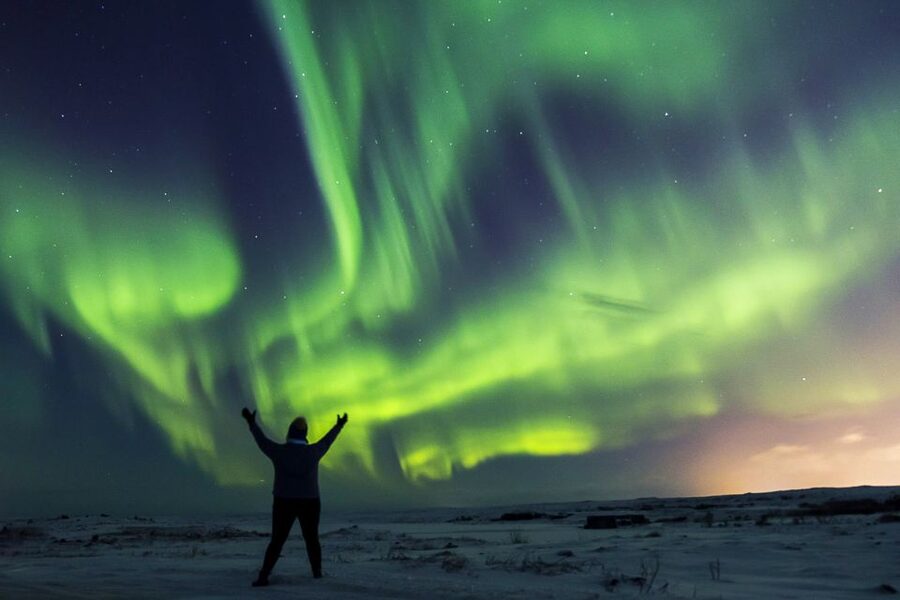
A bus tour can feel basic until you remember the hard part: finding dark, clear-ish sky at the right time. On this kind of Aurora Borealis outing, the value is the search process—transport plus local direction—so you are not gambling your entire evening on guesswork.
You also get structure. In a four-hour window, guides can reposition when clouds roll in, and they can help you understand what you are seeing instead of staring at the sky with a guessing face. That matters because aurora intensity can be subtle at first, and it helps to know what you’re looking for.
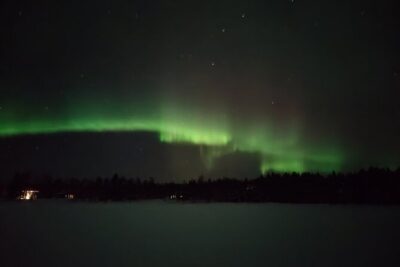
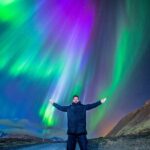
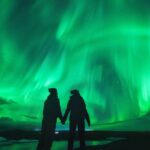
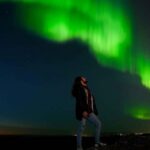
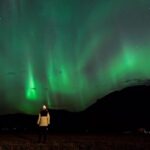
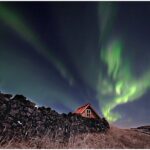
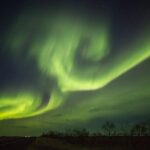
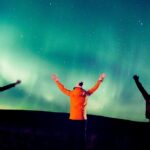
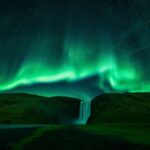
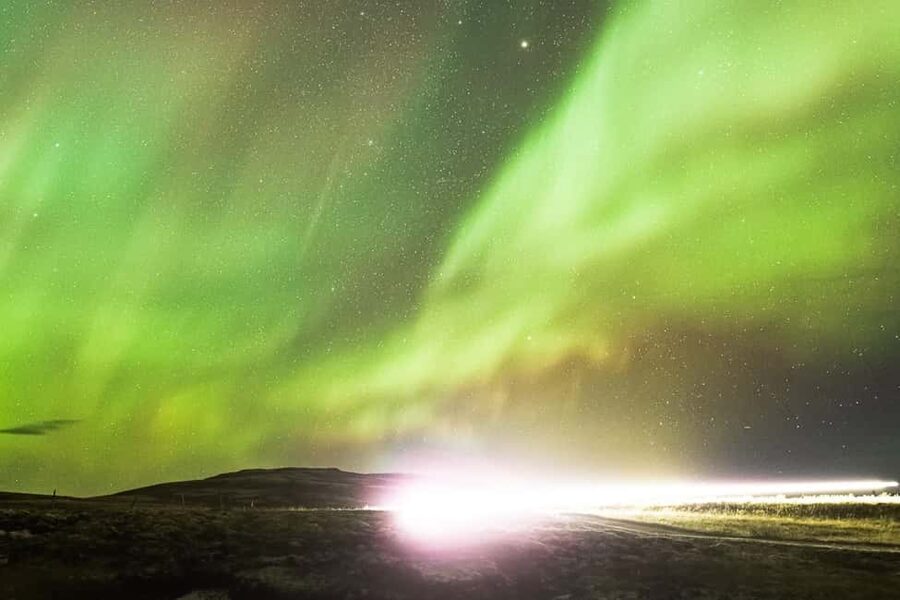
And then there’s the part most people care about: the payoff is huge when conditions line up. When it’s working, you get that moving, curtain-like glow across the sky that makes your brain go quiet for a minute.
You can also read our reviews of more tours and experiences in Reykjavik.
Getting out of Reykjavík’s light: the first step toward better views
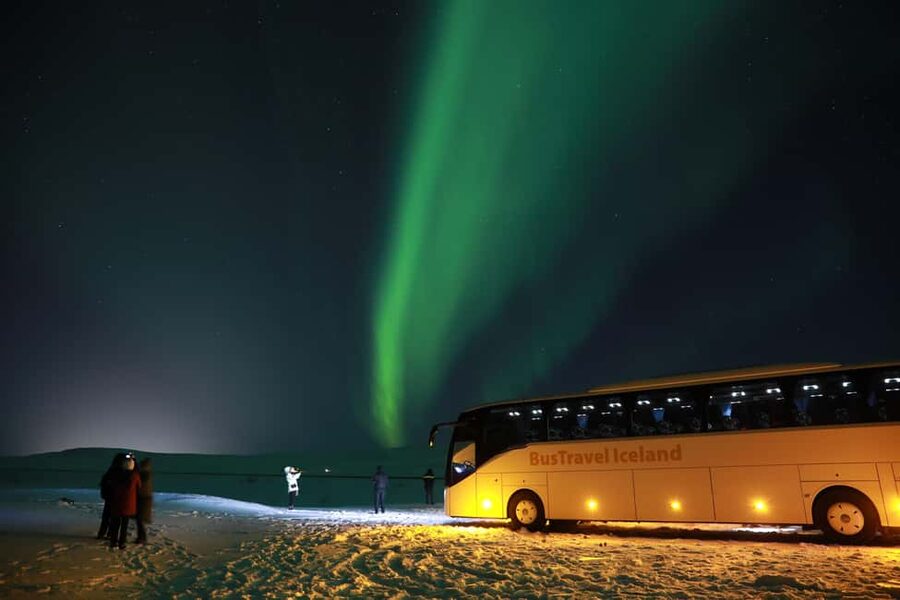
This tour is built around a simple idea: the aurora is easiest to notice when the sky is dark. You depart Reykjavík city center, then head in the direction with the best chance based on forecasts. The guide’s job is to move you away from artificial light sources so your eyes and your camera have a fighting chance.
Pickup can reduce friction. If you stay in or near central Reykjavík, pickup is included at selected hotels/guesthouses and authorized bus stops. If not, you meet at a spot that varies by booked option, then the bus run starts from there.
One practical tip: even though you are leaving the city, you can still be dealing with twilight for part of the outing. Several guide reports mention seeing lights before it was fully pitch dark, during sunset timing. So don’t dismiss the early minutes just because stars are not fully out yet.
How the aurora hunt runs during those four hours
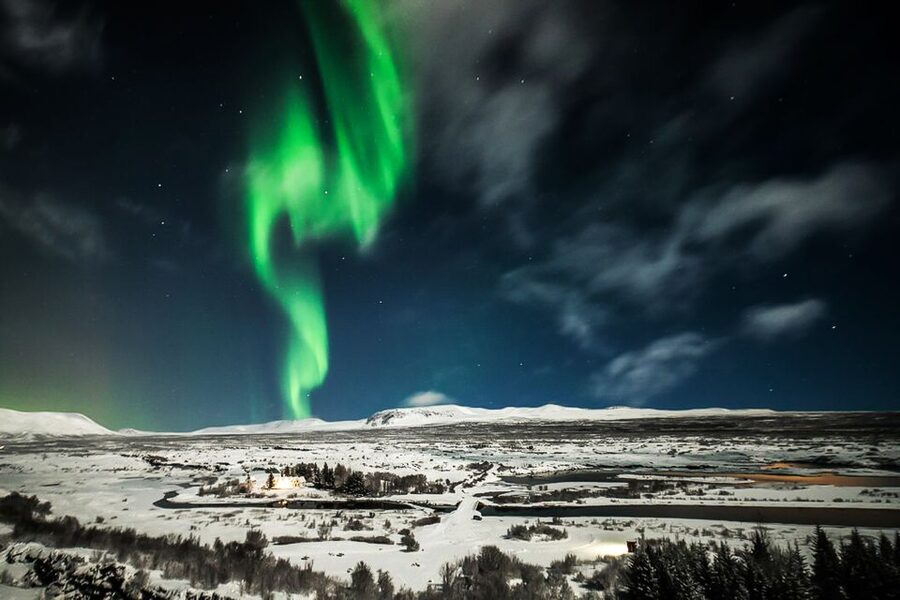
The rhythm is straightforward, and that’s good. You spend the evening driving toward areas expected to have the best visibility, then you stop outside so you can look up and take photos. The exact locations vary day to day, but the logic stays the same: aim for minimal light pollution and a good sky window.
Here’s what you should expect in a typical flow:
- Drive out from Reykjavík while the guide briefs you on spotting aurora.
- Stop in a darker area for standing time and photo chances.
- Adjust locations if clouds or sky conditions change.
- Repeat the stop-and-look pattern as long as the sky cooperates.
Timing can flex depending on activity. One guide-focused report mentions finishing a bit later because the aurora was active, and another mentions ending earlier after lights were spotted quickly. So treat the four hours as a plan, not a rigid clock.
Also, you will hear how the aurora forms. The explanation you’re given centers on charged particles released from the sun interacting with gaseous particles in Earth’s atmosphere. The guide connects that physics to what you see: moving shapes and color shifts that happen when the atmosphere lights up.
Photo stops: more than just taking pictures in the cold
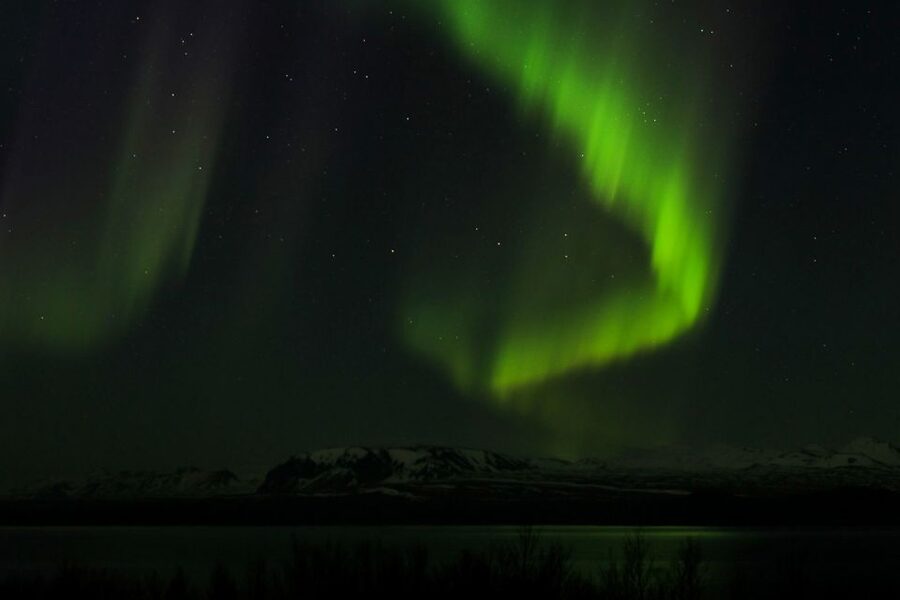
Yes, you can take photos yourself—but a guide who helps you set up makes a big difference. You’re scheduled for stops specifically to go outside and photograph, and that turns the tour from purely scenic into actually useful for your camera roll.
What I like most is the hands-on emphasis that comes up with different guides. Some guides are known for helping people get their phone camera settings right, so you are not just hoping your device guesses the exposure. If you’ve ever tried to photograph aurora from a dark spot and gotten a washed-out mess, you already understand why this is valuable.
A few practical things to keep in mind for your shoot:
- Expect to shoot with your body staying still while you wait. Bring warm layers and keep gloves on until you’re ready to touch your camera.
- Use the guide as your timing tool. When they point out where the aurora is appearing, that’s when you start shooting.
- Don’t rely only on what you see on the phone screen at first. Your eyes and your camera can perceive different intensity levels.
And remember: even if you don’t see strong color, aurora can still show as faint light movement. In those moments, the guide’s instructions help you recognize it before you decide it’s not happening.
The guides make or break the experience
This tour is built around the guide, and you can feel that in how people talk about their nights. Many reports highlight guides who keep the group energized while still staying focused on spotting and understanding the sky.
You’ll hear scientific explanations during the hunt, and you may also get cultural context and myth references. Names such as Daniel and David show up in reports for combining clear aurora explanations with a friendly, sometimes humorous approach that keeps you from feeling trapped in the cold.
What I think you’re really buying here is confidence. When a guide is alert, the group spends less time wandering through confusion and more time watching the correct part of the sky. Multiple reports mention guides changing the spot when clouds rolled in, or driving to different locations to improve chances.
There’s also the warmth factor. Several guide reports mention hot chocolate and sweets during the wait—spiced hot chocolate comes up often. That’s not the main reason to book, but it turns the wait into something you can actually enjoy.

What happens if you miss the aurora on the first attempt
This is the part that makes this tour feel like better value than a one-shot plan. The tour includes a free follow-up option if you do not see the lights on your first attempt. That means you can treat Night One as a scouting run rather than a make-or-break event.
In practice, this is useful because aurora can be unpredictable. Even when the forecast looks good, cloud cover and sky conditions can change quickly. A second attempt lets you avoid the classic mistake of going home disappointed because the timing wasn’t perfect.
One important note: the local partner does not offer refunds for joining but not seeing the aurora. Instead, the deal is the opportunity to reschedule for the free retry. If you are likely to want the lights no matter what, plan your dates with enough flexibility to use that second chance.
If you’re leaving Iceland before the next scheduled tour, the provider offers an open ticket for the next three years for when you return. That’s a huge reassurance if your itinerary is tight and you can’t guarantee you’ll be in Reykjavík for multiple nights.
Dress like the cold is the main attraction
For this tour, cold is not a side character. It is the setting. The essentials are simple: comfortable shoes and warm clothing, with multiple layers. You’ll stand outside during dark winter conditions, and even a short pause can feel long if you’re under-dressed.
What helps most:
- Layer systems you can adjust. When you’re waiting, you want warmth; when you’re walking to a stop, you don’t want sweat.
- Gloves you can work in. If you need to adjust a phone or camera, you want control.
- Footwear with grip and comfort, because you may be standing for stretches of time on uneven outdoor ground.
Also, the tour is not suitable for children under 6. If you’re traveling with a family, this matters because the experience depends on staying outside and looking up for long minutes.
Price and value: is about $73 fair for four hours?
At around $73 per person for about four hours, the price feels reasonable because you’re not just buying the moment—you’re buying the operation. You get transportation out of central Reykjavík, a professional guide, and the built-in hunt structure: drives toward forecasted areas and stops for photography.
The best value piece is the included free retry if you don’t see the aurora first time. If the sky doesn’t cooperate, this can turn your cost from a single attempt into effectively two organized evenings. That’s the difference between a holiday highlight and a frustrating night of freezing while nothing happens.
One more value angle: you’re learning while you hunt. The aurora explanation makes the experience more than a scenic background. You’ll understand the why behind the dancing lights, and that makes later aurora sightings—on your own or on other tours—much easier to recognize.
Who should book this Aurora bus tour
This is a great fit if you want:
- A guided way to hunt for the Northern Lights without needing specialized knowledge.
- Photo time included in the plan.
- A group atmosphere where a guide is watching the sky with you.
- More confidence through the free follow-up attempt.
It also suits solo travelers and couples who want an organized night. If you dislike the idea of driving yourself in winter darkness, the bus transport reduces stress fast.
It’s less ideal if you hate waiting outside in the cold or if your schedule has no flexibility for a second attempt. Since aurora sightings are not guaranteed, you’ll want at least some breathing room in your Reykjavik nights.
Should you book this Northern Lights bus tour from Reykjavík?
If your priority is a practical, guided shot at the aurora—with time to photograph and a plan that adapts—you should book. The combination of leaving Reykjavík’s glow, getting outside photo stops, and having a guide explain what you’re seeing makes it feel like real value rather than a gamble.
Book it with two expectations in mind: the aurora can be missed on the first try, and you will spend real time outdoors. If you can dress well and treat Night One as part hunt, part learning, you’re setting yourself up for a better outcome.
If you’re okay staying flexible with dates so you can use the free retry option, this tour becomes even more compelling.
FAQ
How long is the Northern Lights bus tour from Reykjavík?
The tour duration is about 4 hours.
What time does the tour start?
Starting times vary, so you’ll need to check availability for the specific options.
Is pickup available in Reykjavík?
Pickup is optional and included at selected hotels and guesthouses as well as authorized bus stops in the central areas of Reykjavík.
What language is the live tour guide?
The tour guide provides live commentary in English.
Will I definitely see the Northern Lights?
No. Seeing the Northern Lights is not guaranteed because the lights and conditions depend on nature and weather.
What happens if the aurora isn’t visible on the first attempt?
You’re invited to join another Northern Lights tour for free if you do not see the aurora on your first attempt.
What should I bring for the tour?
Bring comfortable shoes and warm clothing, ideally multiple layers, because you’ll spend long periods outdoors in cold winter conditions.
Where does the tour end?
The activity ends back at the meeting point.