REVIEW · ALTA
A spectacular Northern Lights adventure by ATV
Book on GetYourGuide →Operated by Finnmark Adventure · Bookable on GetYourGuide
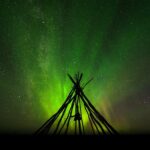
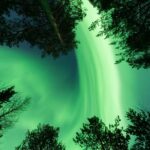
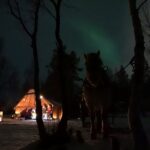
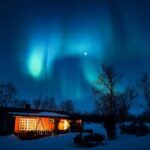
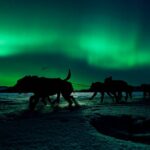
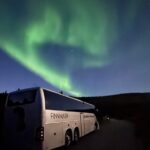
Green lights, roaring ATV engines, and cold wind.
This Northern Lights ATV adventure in Innlandet County pairs a short scenic drive with a real hunt in remote Arctic conditions, starting in the little village of Kviby. I like that the evening isn’t just a “sit and wait” plan. You get movement, guidance, and then you stop at the right spots when the sky gives you a chance.
Two things I really like. First, the team handles the basics well: you get warm overalls, gloves, and a helmet, plus a safety briefing and ATV instruction before you ride. Second, the guides treat the night like a search, not a script—guides like Oskar and Marius are described as patient and focused on finding opportunities when conditions shift.
One consideration: the lights are never guaranteed. If clouds roll in, you’re still out in the cold, and the best you can do is lean on your guide’s judgment and dress for it.
In This Review
- Key Takeaways Before You Go
- Kviby: The Short Drive That Sets the Tone
- Overalls, Helmet, ATV Instruction, and the Real Winter Rules
- Riding the Arctic Coast: Stops, Hills, and a Frozen-Water Moment
- Northern Lights Hunting: What Your Guide Actually Does
- Duration and Timing: Why 5 Hours Feels Just Right
- Price at $250: What You’re Paying For (and What You Get)
- Cold-Weather Practicalities: What to Pack and How to Feel Comfortable
- Who This ATV Northern Lights Tour Suits (and Who Should Pass)
- Should You Book This Northern Lights ATV Hunt?
- FAQ
- Do I need to drive the ATV, and is a driver’s license required?
- How many people are on each ATV?
- What’s provided to keep me warm?
- How long is the tour?
- Are Northern Lights guaranteed?
- What should I bring?
- Who can’t join this tour?
Key Takeaways Before You Go
- Small-group ATV riding along the coast keeps the night feeling personal, not like a factory tour.
- Kviby gear-up and safety coaching means you’re not guessing how to drive in winter conditions.
- Remote Arctic viewing spots are chosen for Northern Lights odds, and you may stop more than once.
- Warm-up breaks come with provided hot drinks and snacks in cold weather.
- English-speaking guides share local nature and culture as they drive you to the best chances.
Kviby: The Short Drive That Sets the Tone
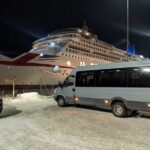
Your evening starts with a comfortable pickup—hotel, harbor, or the tourist information center. After a scenic drive of about 30 minutes, you arrive in Kviby, a small village that works well as a launch point for night viewing. The vibe here is calm and local, which matters. In the dark, you want your group to feel settled before you hit the Arctic roads.
Once you’re there, you’ll do the “ready phase” first: clothing, helmet, gloves, and a clear explanation of how to drive your ATV. Reviews mention quick pickups and smooth transitions from the vehicle to the ATV prep area, which tells you the operator knows how to keep winter timing tight.
If you’ve been dreaming about Northern Lights, Kviby also does something practical: it moves you away from the brightest areas faster. Less light pollution can make the sky feel more dramatic, especially on nights when the clouds thin out.
You can also read our reviews of more tours and experiences in Alta.
Overalls, Helmet, ATV Instruction, and the Real Winter Rules
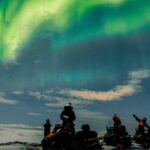
This is one of the better-planned Northern Lights tours because it takes the cold seriously. You don’t just get a suggestion to dress warmly. You’re provided overalls, gloves, and a helmet, and that changes the whole experience. You’ll spend less time worrying if you’re underdressed and more time watching the sky.
Before you ride, the guide gives a thorough safety briefing and ATV driving instruction. That’s not just legal checkbox stuff. It’s what lets the ride feel confident, even if it’s your first time on an ATV.
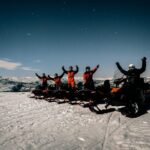
A useful detail: the tour has two guests per ATV. That affects how close you feel to your partner on the machine and how your driver input is coordinated. If you’re the one driving, plan to focus on steady control in slippery conditions. If you’re a passenger, sit back, hold on, and let the guide worry about route decisions.
Also note the driver requirement: if you’re driving, you need a valid driver’s license for a car. If you don’t plan to drive, the instruction still helps you understand how stops and starts work on the trail.
On top of that, the rules are clear for keeping things safe and calm. The tour does not allow weapons or sharp objects, alcohol or drugs, and it’s not set up for party groups or bachelor/bachelorette party groups. This matters because it keeps the group focused when the sky finally cooperates.
Riding the Arctic Coast: Stops, Hills, and a Frozen-Water Moment
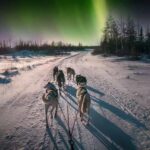
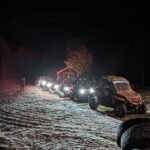
After you’re equipped and briefed, you’ll ride in small groups along the coast. This part is about motion and scenery, but it’s also tactical. Coastal routes can give you dark-sky windows and better viewing angles when you stop.
In practice, you can expect more than one viewing moment. Reviews mention getting hints of lights within minutes for some nights, then continuing to higher or more open spots. One person described driving up to a hill with a view over the fjord, which is exactly the kind of place that can help you see lights without nearby obstructions.
You might also get a scenic stop off the route. One of the most memorable extras in the descriptions is a stop at a frozen waterfall by the road. Even if the Northern Lights are faint that night, that kind of stop gives you something real to look at while the sky decides what it’s doing.
And when the cold bites back, the guides build in breaks. Reviews mention warming up with hot drinks and cookies, especially when it’s windy and temperatures drop sharply. Think of it as your reset button: warm hands, calm breathing, then back outside for another attempt.
Northern Lights Hunting: What Your Guide Actually Does
Let’s be honest. You’re buying a chance, not a guarantee. The guides can’t control cloud cover. Still, the hunting style is where this tour seems to shine.
Guides like Oskar are described as actively searching and willing to wait longer at the right spot. One review specifically praises him for staying with the group even when the weather looked rough, which is the behavior you want. Northern Lights aren’t always instantly visible. Sometimes they build slowly, and you need patience more than you need luck.
You’ll also benefit from the way the guide reads the night. Reviews mention a constant lookout for opportunities during the ride back, with the guide deciding when to stop and wait. That’s the difference between simply driving somewhere and actually working the conditions.
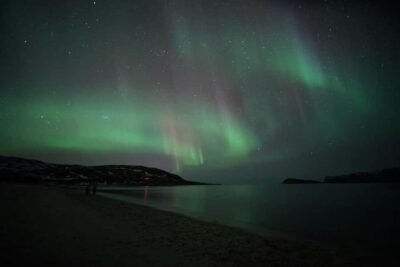
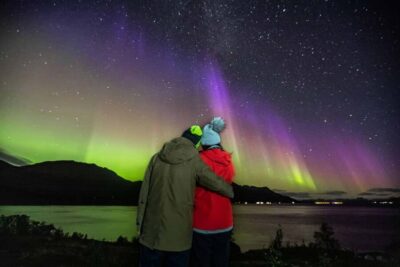
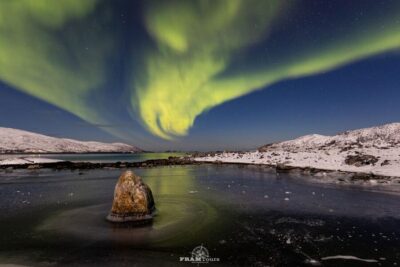
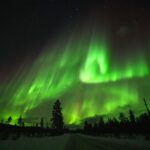
When the lights do appear, expect classic color possibilities. One account described hues including green, plus pink/purple tones. If you only see a faint glow through thin cloud, don’t assume it’s over. The accounts suggest that lights can show through gaps or intensify after a few minutes.
Finally, the guide story angle matters. You’re not just staring at a sky. You’re hearing about Northern Norwegian nature and culture while you ride, which makes the time feel like it has meaning even if the lights remain shy.
Duration and Timing: Why 5 Hours Feels Just Right
The tour runs for 5 hours, and that length is practical for winter. It gives enough time for pickup, gear-up, multiple stops, and at least one or two serious attempts at seeing the lights. It also avoids the all-night grind that can leave you exhausted and chilled long before the sky puts on a show.
A typical flow looks like this: pickup → short drive to Kviby → clothing + safety instruction → ATV ride in small groups along the coast → pauses in colder spots where viewing odds are better → return to your pickup point. Reviews suggest the early driving portion can be quick, with some first light sightings happening soon after starting, but you should still plan for slow weather variability.
If you’re trying to fit this into a tight Norway itinerary, the 5-hour format is one of the reasons it’s easier to justify. You’re not giving up your whole evening or forcing an awkward overlap with dinner plans.
Price at $250: What You’re Paying For (and What You Get)
At $250 per person, the key question is value. You’re not just paying for a ride and a telescope moment.
Your money covers:
- Round-trip transport from hotel/harbor/tourist info
- A professional, English-speaking guide
- Warm overalls, gloves, and a helmet
- Safety briefing and ATV driving instruction
- Small-group format
- A real Northern Lights hunt in scenic Arctic surroundings
That bundle is the difference between paying for equipment rental and paying for a guided system. In cold weather, kit quality matters. It also matters that someone knows where to stop and when to wait. Your guide’s patience—mentioned in descriptions by Oskar and also praised for effort by Marius—can be the reason you see anything at all.
If you’re comparing options, don’t just look at the price tag. Look at what’s included. Here, the operational parts are covered: transport, gear, guide, and the hunt plan.
Cold-Weather Practicalities: What to Pack and How to Feel Comfortable
The tour is in Norway’s Arctic season, so your clothing choice isn’t optional. You should bring warm clothing, then rely on the provided outer gear (overalls, gloves, helmet) to do its job.
If you’ve never layered in real cold, aim for a system: base layers that wick moisture, mid-layers for warmth, and outer warmth from the overalls. Also plan for wind. One account noted it becoming windy and colder around -20°C, and that kind of change can happen quickly once you’re stopped outside.
The best part is that the company doesn’t leave you alone with the cold. Hot drinks and snacks show up during the stops, and you’ll get a sense that warmth is scheduled, not improvised.
One more practical note: this isn’t a ride where you want to bring distractions. Keep your hands free, your focus on safety, and your attention on the sky when the guide calls for it.
Who This ATV Northern Lights Tour Suits (and Who Should Pass)
This experience is built for adults and older kids who can handle winter riding and cold waits. It is not suitable for children under 9 and it’s also not listed as suitable for pregnant women, people with back problems, or people with heart problems.
There are size and age limits too. You should not book if you’re over 287 lbs (130 kg) or over 80 years. Those limits are worth respecting. An ATV ride plus cold conditions isn’t the right mix if you need medical caution.
Also consider comfort with driving. If you want to drive, you’ll need the car license. If you’re not comfortable, that doesn’t mean you can’t go, but you should check how you’ll be assigned on the ATV and follow the instruction carefully.
Should You Book This Northern Lights ATV Hunt?
If you want Northern Lights with action, not just a roadside stop, I think you’ll like this. The strongest reasons to book are the small-group setup, the solid safety and ATV coaching, and the guide mindset described by Oskar and Marius—focused, patient, and willing to wait when conditions look bad.
Skip it if the idea of cold waits makes you nervous. The lights are not guaranteed, and you’ll still be outside riding and standing when weather changes. Also, if you fall into any of the listed medical or age restrictions, choose a different Northern Lights option that fits your needs.
My rule of thumb: if you dress for Arctic cold and you’re excited to ride as part of the experience, this is a strong use of your evening budget.
FAQ
Do I need to drive the ATV, and is a driver’s license required?
If you plan to drive, you need a valid driver’s license for a car. The tour information specifies this requirement for drivers.
How many people are on each ATV?
The tour lists two guests per ATV.
What’s provided to keep me warm?
You receive warm overalls, gloves, and a helmet, plus a safety briefing and ATV driving instruction.
How long is the tour?
The duration is 5 hours.
Are Northern Lights guaranteed?
No. Northern Lights sightings are not guaranteed, since it depends on weather.
What should I bring?
You should bring warm clothing.
Who can’t join this tour?
It’s not suitable for children under 9, pregnant women, people with back problems, people with heart problems, people over 287 lbs (130 kg), and people over 80 years.