REVIEW · ALTA
Alta:The Northern Lights Bus – a comfortable Arctic journey
Book on GetYourGuide →Operated by Finnmark Adventure · Bookable on GetYourGuide
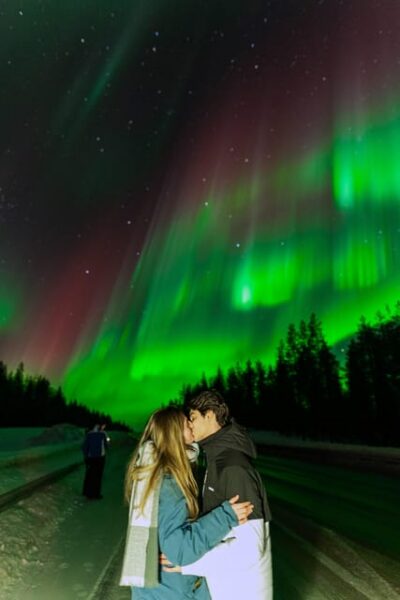
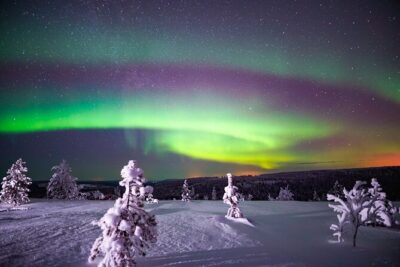
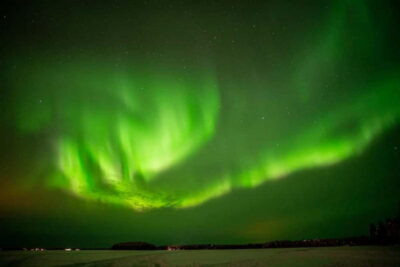
Three hours. One serious aurora chase. This Alta experience trades stiff tours and packed vans for a heated bus and local drivers who read the night and search for the best sky.
You’ll leave city light behind and travel into the Arctic dark, then step out when conditions look promising. One possible drawback: the aurora isn’t guaranteed, and the night can also feel more focused on the hunt than on deep aurora explanations.
Key points to know before you go
- Heated bus comfort keeps you steady while the Arctic night does its thing
- Local knowledge guides the hunt with a flexible plan based on conditions
- No fixed route means you chase opportunity, not a scripted schedule
- Small-group feel (and sometimes car instead of bus when there are six or fewer)
- Dress for real cold since the best part happens outside, not inside
In This Review
- Alta’s Northern Lights Bus: Comfort for the Arctic Night Hunt
- The Heated Bus Setup: What “Comfortable Arctic” Actually Means
- Pickup in Alta: Where to Find the Bus (and How Not to Waste Time)
- How the Hunt Works: Flexible Routing and Real-Time Decisions
- Stepping Outside: What You’ll Do Under the Arctic Sky
- The Guide Experience: Warmth, Responsiveness, and When You Want More Info
- What Happens If You Don’t See the Lights?
- Time and Pace: Why 3 Hours Can Be Just Right
- Price and Value: How $156 Fits the Real Costs of an Aurora Hunt
- What to Pack (and What to Skip)
- Who This Tour Is Best For (and Who Might Want Something Else)
- Should You Book the Alta Northern Lights Bus?
- FAQ
- How long is The Northern Lights Bus tour?
- Is the bus heated?
- Where do I get picked up in Alta?
- What languages is the live guide?
- Do I get help with northern lights photography?
- Can I bring food and drinks on the bus?
- Who is the tour not suitable for?
Alta’s Northern Lights Bus: Comfort for the Arctic Night Hunt
If you want the northern lights without turning your trip into a marathon of waiting in the snow, this is the kind of tour that makes sense. In Alta, you spend a lot of your time in winter darkness, and comfort matters. This tour uses a heated bus to keep you warm during the driving and repositioning.
What I like most is that it’s built around the idea that the aurora is unpredictable. The whole evening runs like a living plan: conditions change, and the driver adapts. That means you’re not stuck doing the same stop no matter what the sky does.
The second thing I really value is the local guidance. A good northern lights hunt is half forecasting and half weather-reading. Here, you’re not just dropped off and told good luck—you’re guided by people who know how the night behaves around the Arctic.
One thing to consider: if you’re looking for a classroom-style aurora lecture, this isn’t marketed that way. The tour can focus more on finding a view than on explaining every detail of solar wind and light formation.
The Heated Bus Setup: What “Comfortable Arctic” Actually Means
This tour is centered on transportation that’s made for winter. You’re riding in a heated bus, and the experience is described as warm, unhurried, and spacious. In practical terms, that’s what you want when temperatures are low and you’ll be stepping outside several times for sky checks.
You should also know how winter comfort can still meet a real-world problem: seat belts. One guest noted the seat belts felt too tight over thick winter layers. It’s not a dealbreaker, but it’s a smart reason to wear layers you can manage comfortably, not just the thickest possible padding.
Inside, the mood is calm. The tour is paced so you can stay warm, then step out when it’s time. That balance matters. Too many aurora tours treat comfort like an afterthought, then act surprised when your fingers are numb and you can’t enjoy the moment.
Also, there’s no photography assistance included. That doesn’t mean you can’t take photos. It just means you should be ready to handle your own camera settings.
You can also read our reviews of more tours and experiences in Alta.
Pickup in Alta: Where to Find the Bus (and How Not to Waste Time)
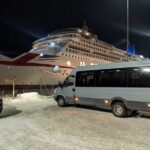
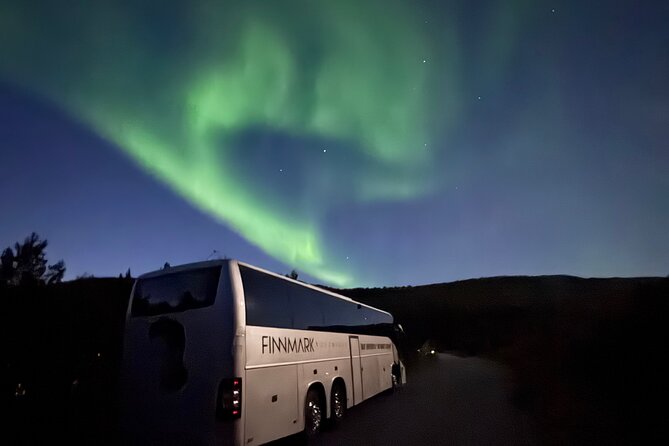
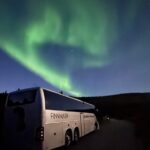
Pickup is included. You’ll look for the bus with the Finnmark Adventure logo outside your hotel or at the port area. For a 3-hour tour, you want your timing tight, so arrive a few minutes early and be ready to go when the bus pulls up.
Because pickup location depends on where you’re staying, the practical takeaway is simple: check the meeting point you’re given when you book. Winter light is limited and roads can be slow, so it’s best not to show up exactly on time and hope for the best.
This tour runs in a short window, so the start time is part of the value. You’re not dedicating half a day. You’re carving out the hours that usually matter most for aurora hunting.
How the Hunt Works: Flexible Routing and Real-Time Decisions
This is not a fixed-route “one stop only” plan. The tour is described as flexible, guided by the conditions of the moment, with the drivers tracking clouds and reading forecasts.
Here’s why you should care: aurora viewing is brutally dependent on cloud cover. Clear skies in one direction can still mean a blank sky elsewhere. A flexible hunt gives you the chance to reposition toward better conditions without turning the evening into chaos.
You’ll also hear that the hunt is based on experience and intuition, with a touch of Arctic instinct. That may sound poetic, but it translates into a very practical reality: snow, wind, and cloud movement can change faster than you’d expect, and the people driving you are focused on maximizing the chance of seeing light.
If you’re someone who hates “sit and wait” tours, you’ll probably appreciate the motion. It’s not constant driving for the sake of it. It’s repositioning for viewing odds.
And for those times when the aurora is low-intensity, flexible searching helps. One guest specifically noted they found what they called a perfect location even though the aurora that evening was weak. Low intensity doesn’t mean no show—it just means you have to be in the right place and stay attentive.
Stepping Outside: What You’ll Do Under the Arctic Sky
The core aurora moment is outside. The bus is warm, but the sky is outdoors. Your job is to dress for cold, step out when directed, and give your eyes a chance to adjust.
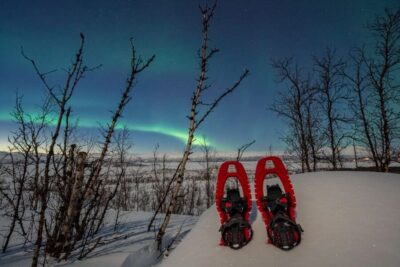
The tour’s guidance is to dress like a true northerner: layers, hat, gloves, and winter boots. That’s not just a style note. Your hands and feet are usually what ruin the experience first. If you bring the wrong gloves, you’ll cut your viewing short. If your boots aren’t winter-ready, you’ll start shifting your weight and losing patience.
There’s also a practical note about noise and behavior. The tour includes old Sámi legends about the northern lights being alive and powerful, with stories about respecting silence and not waving white objects or making too much commotion. You don’t have to treat it as science, but it’s a good reminder to keep the moment calm and not turn sky watching into a group performance.
One more reality check: the aurora can appear, fade, and reappear. It can also hide behind clouds. Even with an excellent hunt, some nights are just not cooperative.
The Guide Experience: Warmth, Responsiveness, and When You Want More Info
On board, you’ll have a live guide in English and Norwegian. The emphasis is on finding the lights, so the guide’s role is equal parts navigation and atmosphere—helping you stay comfortable and then pointing you toward when to look.
Some guides bring extra helpful context. One guest highlighted a guide named Mario as attentive and committed to the search, even doing two aurora tours with him. That kind of repeated effort usually comes from caring about the outcome, not just following a schedule.
That said, you should calibrate your expectations. A couple of guests felt the tour lacked information about how the aurora works and how to read what you’re seeing. Others described the hunt itself as smooth, but still wanted more background and communication during the ride.
So here’s the balanced advice: if you want more aurora education, come with a little curiosity already in your head. Learn a couple basics before you go—like how cloud cover affects visibility and why your eyes need time in the dark. Then, when the guide shares what they know, it lands better.
And if you’re the type who asks questions, you can likely get better answers in the moment. The tour environment is calm enough that you won’t feel rushed to keep up.
What Happens If You Don’t See the Lights?
This is the part people tend to fear, so let’s handle it plainly.
The aurora can be absent even on a good night. You’re chasing a natural phenomenon with no guarantee. One guest didn’t see the aurora on the first evening, then ended up with an extra upgrade involving a visit to a local farm and got another chance the next day with clearer conditions.
That outcome may not happen every time, and the tour itself doesn’t promise a specific result. But the overall pattern is clear: the people running the experience are focused on getting you somewhere with better viewing potential, not just collecting transport money.
If seeing the lights is your top goal, build flexibility into your plans if you can. Short, high-probability windows help, but the aurora doesn’t work on our calendar.
Time and Pace: Why 3 Hours Can Be Just Right
The duration is 3 hours. That’s a sweet spot for many people. You get time to travel away from the city glow, give your eyes a chance, and reposition if needed, without committing your whole evening.
The pace is described as unhurried. That matters in winter. If you’re constantly moving, you spend your energy on logistics instead of attention. Here, the warmth and the downtime on the bus let you reset so you can actually enjoy the time outside when it happens.
A 3-hour run also means you should treat your evening like a focused block: arrive on time, keep your layers ready, and don’t plan a dinner marathon afterward unless you’ve got enough buffer.
Price and Value: How $156 Fits the Real Costs of an Aurora Hunt
At $156 per person for a 3-hour experience, you’re paying for more than transportation. You’re paying for three things that add cost in the real world:
- Heated winter transport that makes long cold waits tolerable
- Local driving skill and flexible repositioning
- A live guide during the hunt
If you were to rent your own car or book a private driver, the costs could quickly climb, especially when you factor in parking, insurance, fuel, and the stress of driving in winter conditions. This tour’s value comes from removing that burden and keeping you in the hunt.
Is it cheap? No. But it’s not priced like a luxury private safari either. For most travelers in Alta who want a strong chance at a good viewing moment without a full-day commitment, it lands in a reasonable middle zone.
Just remember what you’re buying: effort, repositioning, and guidance, not a guaranteed glowing sky.
What to Pack (and What to Skip)
The basics are straightforward, and the tour’s guidance matches common Arctic sense.
Bring:
- Warm clothing and a winter jacket
- Hat and gloves
- Proper winter boots
- A camera if you plan to try photos
One important tip: prepare your camera settings in advance. The tour specifically says it’s not a photography workshop and photography assistance isn’t included. If your camera is set up wrong, you won’t have time to troubleshoot once you’re in the dark.
Skip:
- Food and drinks in the vehicle. That rule is listed, so plan snacks elsewhere or eat before you go. The goal is to keep the space clean and focused on the experience.
Who This Tour Is Best For (and Who Might Want Something Else)
This is a strong fit if you want a calm, comfortable northern lights hunt with local guidance. It’s also a good choice if you’re traveling as a couple or solo and don’t want a crowded bus vibe.
It’s not suitable for children under 10, and it isn’t recommended for people over 95. That’s likely about comfort and safety in cold conditions, stepping outside, and the overall physical demands of winter viewing.
If you’re traveling with someone who runs cold easily, a heated bus is a big advantage. If you want a deep science lecture, you may feel the information is lighter than you hoped.
And if you’re sensitive to timing, keep in mind the aurora follows its own schedule. This is best for people who enjoy the chase itself, not only the final “wow” shot.
Should You Book the Alta Northern Lights Bus?
Book it if you want the most comfortable way to chase the aurora without stress. The heated bus, local drivers who track conditions, and the flexible search approach are exactly what increase your odds compared with a simple drop-off.
Consider another style of tour if your main goal is learning a lot about auroras on the spot. A few guests wanted more explanation about how the lights work, and the tour also doesn’t include photography help, so you’ll want to arrive prepared if photos matter to you.
Also, think about your flexibility. The northern lights aren’t scheduled. If you can build a little extra time in Alta, you give yourself more chances when one night is cloudy.
If you’re ready for a winter evening that’s equal parts comfort and sky watching, this is a solid pick. Just dress for real cold, stay patient, and accept that the aurora may take its time.
FAQ
How long is The Northern Lights Bus tour?
The tour duration is 3 hours.
Is the bus heated?
Yes. Heated bus transport is included.
Where do I get picked up in Alta?
Pickup is included. Look for the bus with the Finnmark Adventure logo outside your hotel or in the port area.
What languages is the live guide?
The live tour guide speaks English and Norwegian.
Do I get help with northern lights photography?
No. Photography assistance is not included.
Can I bring food and drinks on the bus?
Food and drinks are not allowed in the vehicle.
Who is the tour not suitable for?
It is not suitable for children under 10 and people over 95.