REVIEW · REYKJAVIK
From Reykjavik: Northern Lights Chase with Expert Guide
Book on GetYourGuide →Operated by ICELANDIA · Bookable on GetYourGuide
The sky does the entertaining. I love dark-sky hunting away from Reykjavik’s glow, and I love that an expert local guide chooses the route based on the latest conditions. One real consideration: the lights are never guaranteed, so plan for cold waiting if clouds don’t cooperate.
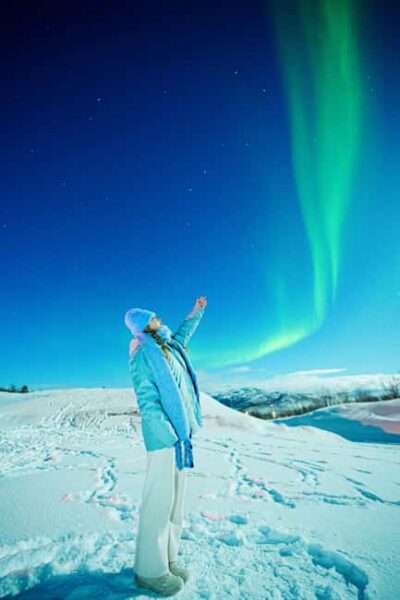
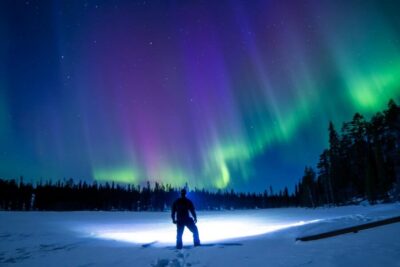
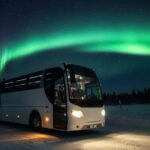
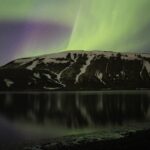
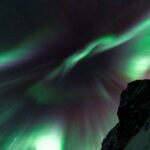
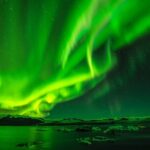
This is built around chasing, not just standing in one spot. You’ll travel out where the horizon is darker, stop for viewing and photos, and learn what’s happening in the sky as it comes alive with dancing greens and other colors.
It runs about 3.5 hours, mostly outside and on uneven ground, so your layers matter. You’ll also get onboard Wi‑Fi and an optional audio guide in multiple languages if you want extra facts while you ride.
In This Review
- Key things that make this tour work
- Darker Skies and a Real Plan: Why This Chase Beats a Random Hunt
- The Pickup Rhythm in Reykjavik: Board Fast, Stay Patient
- What You Actually Do on the Bus: Learning, Watching, and Waiting
- Aurora Hunting Stops: Dark Spots, Open Horizons, and Strategic Timing
- When the Lights Appear: How Guides Help You Catch the Moment
- Photo Stops vs. Waiting: Your Cold Comfort Checklist
- Guides Who Keep Trying: What Makes the Best Nights Happen
- Value for $73: What You’re Paying For (and What You’re Not)
- Timing, Duration, and Where You End Up After the Lights
- Who This Tour Fits Best (and Who Should Reconsider)
- Should You Book This Northern Lights Chase?
- FAQ
- How long is the Northern Lights chase?
- Where do I meet the tour in Reykjavik?
- Is seeing the Northern Lights guaranteed?
- What happens if I don’t see the Northern Lights?
- What should I bring and wear?
- Is food and drinks included?
Key things that make this tour work
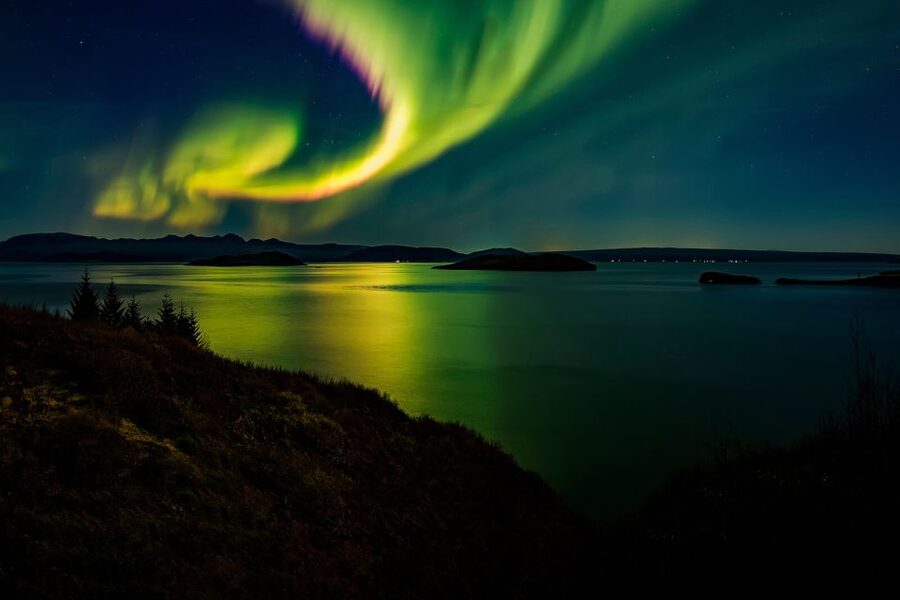
- Route changes with the sky: guides use weather and aurora activity reports, then drive to where conditions look best
- Dark-location photo stops: planned stops away from artificial light give you better odds
- You get real time outside: the tour builds in time for waiting and watching, not just a quick photo break
- Free retry options: if you don’t see the Northern Lights, you can join another tour free of charge (subject to availability)
- Photo support in the moment: guides help point you where to look when aurora activity ramps up
- Multiple pickup/drop options: a long list of Reykjavik stops makes it easier to match the tour to your hotel area
Darker Skies and a Real Plan: Why This Chase Beats a Random Hunt
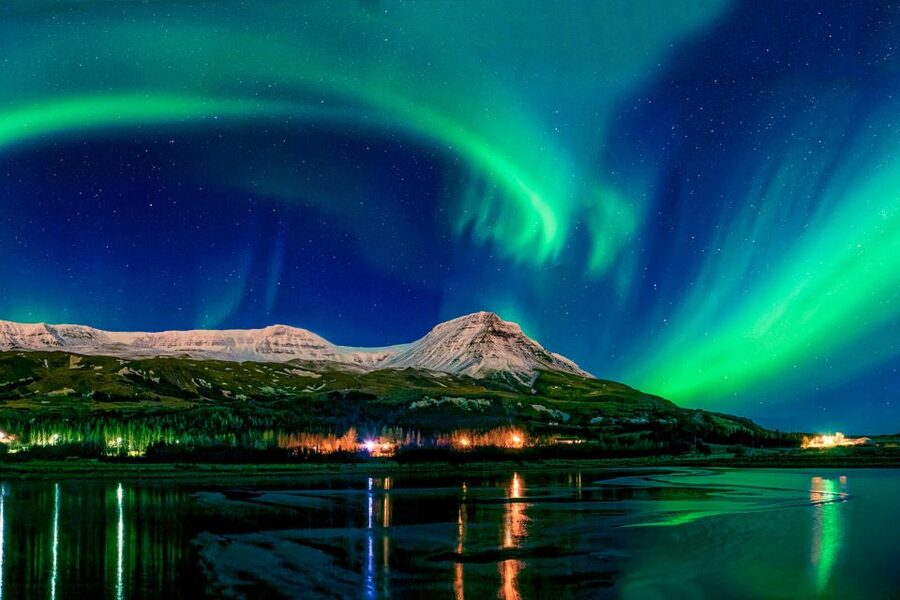
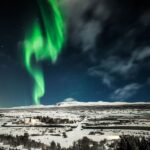
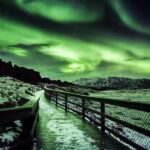
Reykjavik is beautiful at night, but the city glow makes the aurora harder to see. What I like about this tour is that it acts like a search mission: you leave town, go where the light pollution drops, and then you wait in spots with a darker view of the sky.
The guide’s job isn’t just “bring you to a spot.” Their real value is decision-making. On nights when clouds shift, the guide adjusts and moves toward better visibility. That’s why people often come home feeling like the team never gave up, even when the lights were slow to appear.
Still, you need to keep expectations realistic. This is a natural phenomenon tied to weather and solar activity, so it’s possible to get disappointed. The difference is that this tour is designed to reduce disappointment through smart routing and backup opportunities.
You can also read our reviews of more tours and experiences in Reykjavik.
The Pickup Rhythm in Reykjavik: Board Fast, Stay Patient
Most people start at BSÍ Bus Terminal. If you’re doing pickup from your hotel or a nearby designated stop, the vehicle can arrive up to 30 minutes before departure, and you may need to move between multiple pickup points. Waiting up to 20 minutes is considered normal when the bus has several stops.
Two practical notes from how this runs:
1) Plan to be early. Arrive at BSÍ at least 15 minutes ahead so you’re not stressed in the cold.
2) Expect a busy bus moment. A few reviews mention the boarding area getting chaotic, so keep your hands free and get your spot quickly.
Once you’re on board, the bus ride is more comfortable than you might expect for an aurora tour. You’ll have onboard Wi‑Fi, and you can use that time to check aurora-themed info on your own or just warm up before the next dark-sky stop.
What You Actually Do on the Bus: Learning, Watching, and Waiting
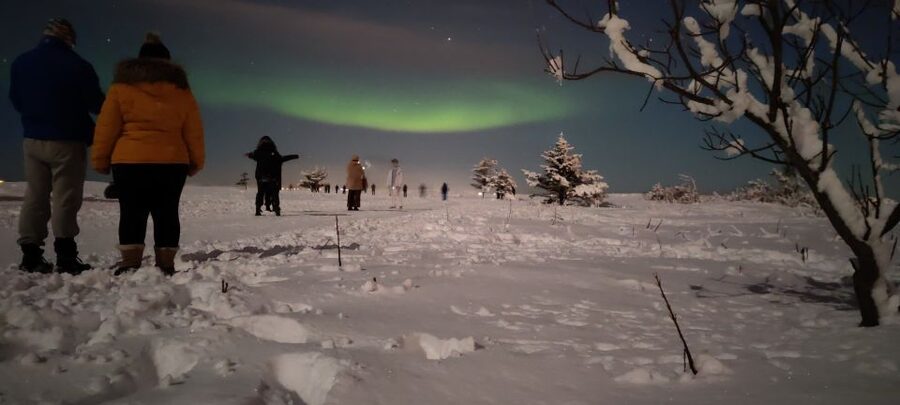
A Northern Lights chase has one job: you need patience without losing the thread. This tour helps with that by using the ride time well. You’ll get an English-speaking guide and, if you want, an app-based audio guide on your own smartphone in multiple languages.
The guide usually fills the travel time with how the aurora works and what to look for once activity begins. Some guides also bring humor and Iceland context, which helps pass the time when you’re bundled up and waiting.
Here’s the honest truth: you might sit still a while outdoors. The payoff can be worth it, but you should be ready for that slow stretch. One person described how the lights took a long time and only showed after a long wait, but the guide kept working the problem and eventually found a place where the sky delivered.
Aurora Hunting Stops: Dark Spots, Open Horizons, and Strategic Timing
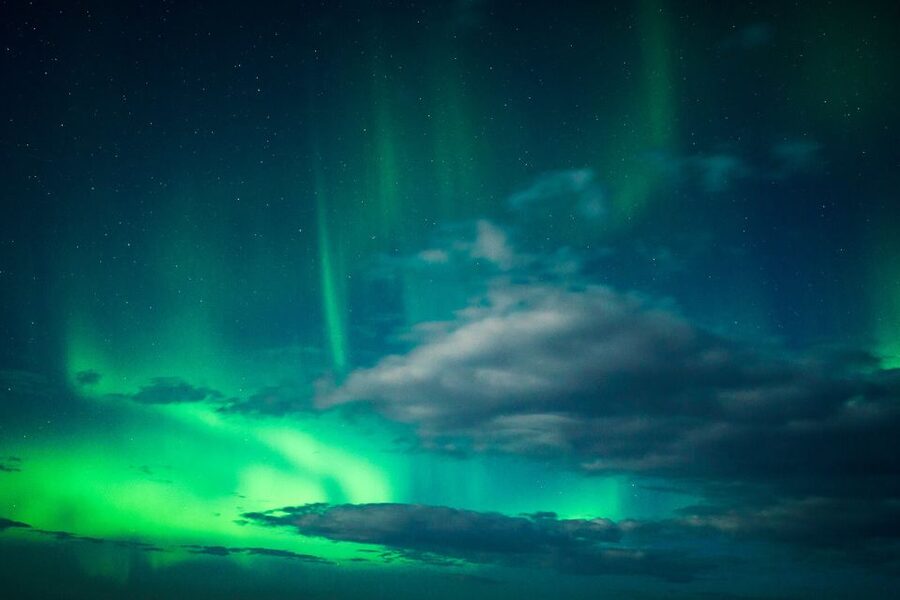
The core of the tour is stopping in darker areas so you can actually see the aurora. Early on, you’ll have a viewpoint/photo stop with some time for photos and sightseeing as you head out. Then you’ll make multiple planned stops for viewing and photography.
What matters most isn’t just darkness; it’s having enough open view of the sky to catch moving light. Some nights, that can mean coastal areas or lighthouse zones. In fact, a couple of people specifically mentioned seeing lights near lighthouse spots on the southern peninsula. When the sky clears, those open horizons help.
One big plus here: guides don’t wait passively. Reviews include moments where the driver and guide stopped suddenly when aurora activity increased, even if the original plan felt quiet. That’s the advantage of a flexible chase.
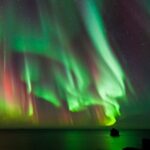
Still, don’t judge the night by your first five minutes outside. One review talked about faint activity that looked like brighter white at first and only became obviously “green” in photos. Your eyes adapt slowly in the dark, and your camera can reveal more than your naked eye on weaker nights.
When the Lights Appear: How Guides Help You Catch the Moment
This is where good tours separate from average ones. You don’t just want the lights; you want a chance to notice them fast and photograph them correctly.
On nights when the aurora shows up, guides tend to act quickly:
- They watch aurora conditions and keep an eye on activity.
- They direct you to where to look.
- They choose parking and viewing spots so people can step out and get a view with fewer obstacles.
Several reviews highlight this “we saw activity, then we moved fast” pattern. One person described an organized setup where the guide found a place to park for photos once the aurora became obvious. Another mentioned the bus stopped three times during the evening, with pleasant breaks built into the chase.
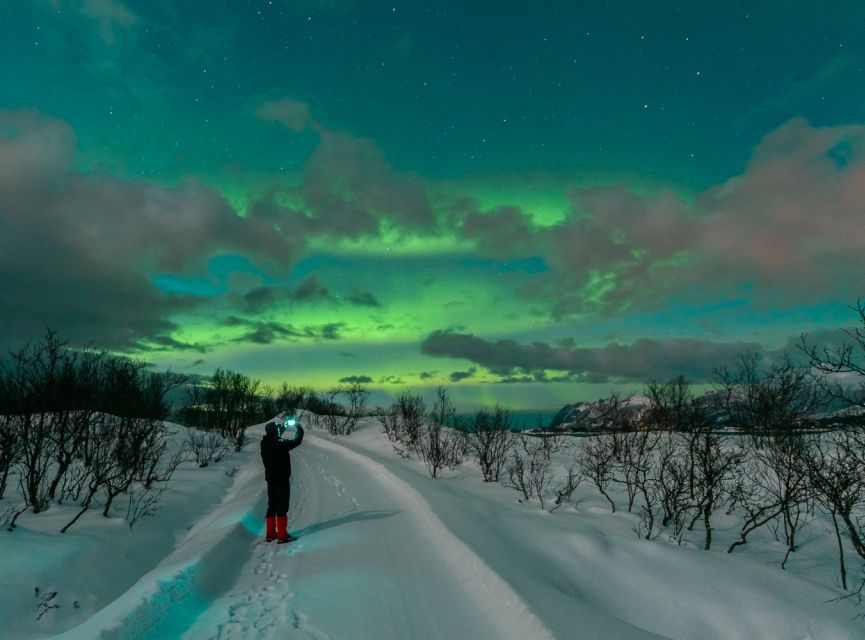
If you care about photos, this tour is also helpful. People referenced tips for phone setup and guidance on where to aim once activity starts. And if you’re using a camera, remember: aurora color and brightness can vary. Your goal is clear, dark frames first, then adjust settings once you see what’s happening.
Photo Stops vs. Waiting: Your Cold Comfort Checklist
You’ll spend real time outdoors, and the ground can be uneven. That’s not a minor detail. Uneven ground plus cold legs plus long waits can turn “magical sky watching” into “I’m trying not to freeze.”
So here’s my practical advice: dress like you plan to be outside longer than you think. Multiple layers are key. Comfortable shoes matter too, since you’ll stand and walk in cold, possibly on rough ground.
Also plan for the warm-up factor. You might expect the bus to feel like a heater, but one review mentioned that the bus wasn’t warm during a supposed warm-up period. That doesn’t mean it’s always like that, but it does mean you shouldn’t count on major warmth while you wait.
If you run cold easily, bring a hat and gloves you truly like wearing for hours. It sounds basic, but it’s the difference between enjoying the aurora and just tolerating the experience.
Guides Who Keep Trying: What Makes the Best Nights Happen
What people consistently praise is effort. A guide who gives up early turns a chase into a drive. The guides behind this tour seem to work the problem all night.
Names come up in reviews:
- Arman is described as attentive, funny, and explaining how auroras work while staying focused on when the lights improve.
- Rene is mentioned as super informative and friendly, with a route that led to strong viewing by two lighthouse areas.
- Oliver is described as lovely and very informative, with the lights eventually appearing after a clear-sky window.
- Darren appears in multiple mentions as fantastic and photo-helpful, including advice on how to set up phones for aurora photography.
- Kat is described as giving quick, clear direction about the lights and helping people photograph them.
One of the best signals is the “don’t leave too soon” attitude. Reviews include accounts where the guide allowed extra time when aurora activity arrived late, rather than rushing everyone off. That flexibility often changes outcomes.
And when clouds or rain spoil the first attempt, a second attempt becomes part of the story. One person described not seeing lights on the first day but seeing them on the second night thanks to the tour’s free follow-up.
Value for $73: What You’re Paying For (and What You’re Not)
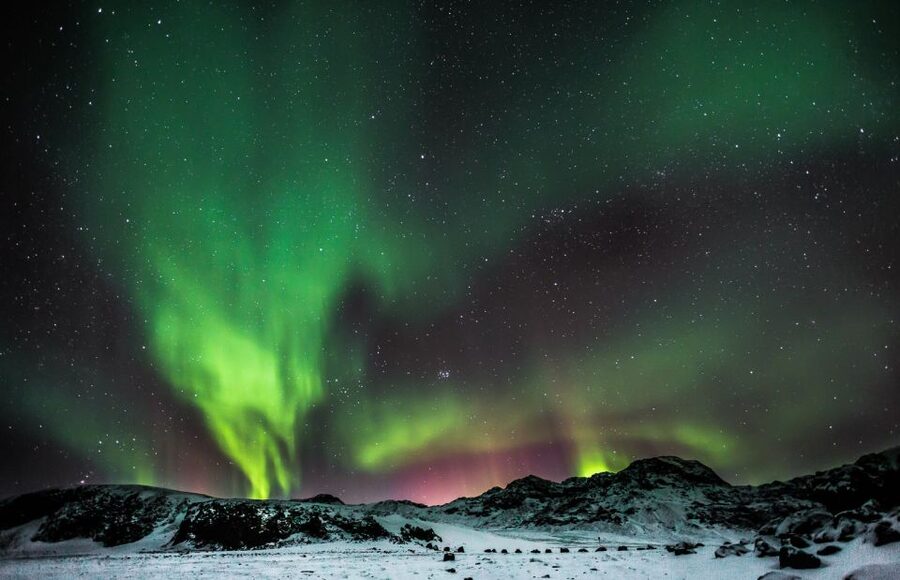
At about $73 per person for roughly 3.5 hours, the value depends on what you need most. If your priority is convenience, guides, and moving to dark sky locations without planning, this is a solid price point. You’re paying for transportation into the countryside, planning around weather/aurora reports, and multiple viewing opportunities.
You’re also getting extras that help you feel prepared:
- Wi‑Fi onboard
- An English-speaking guide
- Planned dark-location stops for viewing and photography
- An optional audio guide in several languages
- A free follow-up if the aurora doesn’t show (subject to availability)
What you’re not paying for is food and beverages. You’ll want to plan ahead with a snack or drink before you go, especially if you’re prone to getting hungry while outside.
Also remember the ceiling: no tour can control cloud cover. But this one tries to reduce risk by changing locations during the night and by offering retry options later.
Timing, Duration, and Where You End Up After the Lights
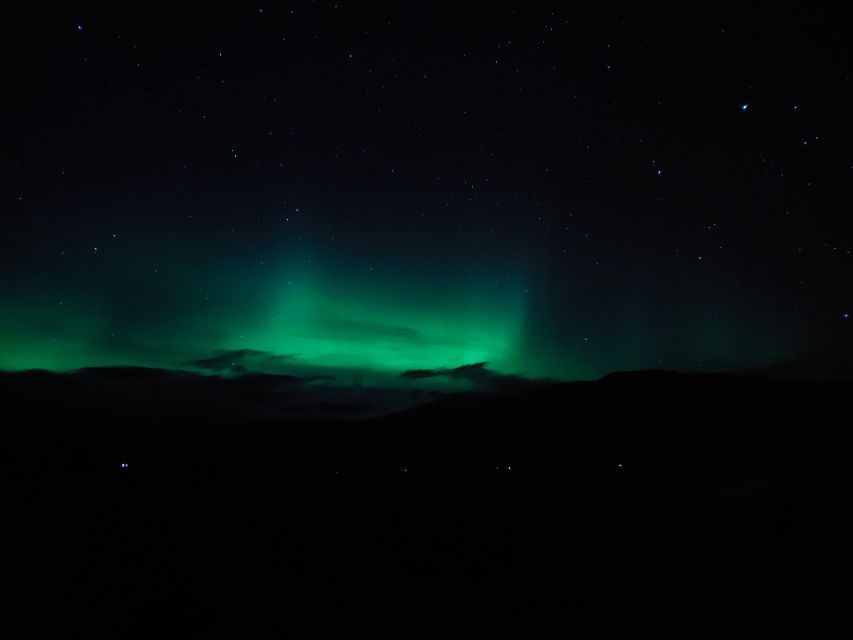
The tour is designed as an evening block: you’ll leave Reykjavik, search the countryside for better conditions, and return afterward.
The route has multiple pickup and drop points across the city. The list is long, which usually means your return can be close to where you started. Drop-offs include major areas and well-known stops like bus terminals and places near Harpa and Hallgrímstorg. If your hotel isn’t on a pickup list, you’ll still likely find a designated stop nearby.
Because pickup timing can vary with multiple stops, I recommend planning nothing immediately after the tour ends. You’ll be cold, and you’ll probably want time to decompress, review photos, and warm up.
Who This Tour Fits Best (and Who Should Reconsider)
This tour is a strong fit if:
- It’s your first Northern Lights chase and you want a guided route with photo stops
- You don’t want to rent a car and make your own weather call
- You’re okay with waiting outdoors until the sky cooperates
- You want a structured experience with photo help and aurora explanations
It’s not a fit for everyone. The tour specifically isn’t suitable for children under 6. Also, if you hate standing outdoors for long stretches or you struggle with uneven ground, you’ll want to think carefully before booking.
Solo travelers often like it because group dynamics reduce the stress of planning. Couples and small groups usually appreciate the guidance and the built-in chance to adjust the plan when conditions shift.
Should You Book This Northern Lights Chase?
Book it if you want the best odds you can buy: dark-sky driving, planned stops, a guide who watches aurora activity, and a free follow-up option if the aurora doesn’t show on your night. The guide names that come up in reviews point to a consistent theme: they keep working until they find conditions that deliver.
Skip it if you’re looking for a guaranteed show or you hate waiting in the cold. Even on strong nights, the lights can be faint, delayed, or blocked by clouds. This tour solves many problems, but it cannot rewrite Iceland’s weather.
FAQ
How long is the Northern Lights chase?
The tour runs for about 3.5 hours.
Where do I meet the tour in Reykjavik?
Meet at BSÍ Bus Terminal at least 15 minutes before departure. Pickup from selected hotels and designated points is also optional, with multiple pickup stops (waiting up to about 20 minutes can happen).
Is seeing the Northern Lights guaranteed?
No. Northern Lights sightings depend on weather and are never guaranteed.
What happens if I don’t see the Northern Lights?
If you don’t see the Northern Lights on your tour, you can join another Northern Lights tour free of charge (subject to availability). Free retry tickets are valid for up to 2 years.
What should I bring and wear?
Wear comfortable shoes and dress in warm clothing with multiple layers. You may spend time outdoors on uneven ground.
Is food and drinks included?
No. Food and beverages are not included.