REVIEW · KIRUNA
Guided Northern Lights Tour at Kiruna
Book on Viator →Operated by Kiruna Guidetur AB · Bookable on Viator
Sitting under the right sky matters here. This Kiruna northern lights tour is built for aurora chasing, with local guides who look for the best viewing conditions within about 125 km of town and give you time to photograph. I especially like the English-speaking, local guide focus and the included hot non-alcoholic beverages to take the edge off a long winter night.
One thing to factor in: you can’t control weather. Even on nights when the lights get strong, the ride and stops depend on cloud cover, and a small number of reports mention comfort issues with the vehicle heat or shorter time outdoors.
In This Review
- Key highlights
- Kiruna’s Aurora Advantage: Why this chase radius matters
- The 8:00 pm start and 4-hour arc: what you should expect
- Stop 1: Kiruna’s aurora hunt and the built-in photo window
- Hot drinks, winter gear, and those fire-lit moments
- Local guides and aurora coaching: when Søren, Emily, and Matt show up
- Driving strategy: chasing clouds, not just chasing the lights
- Comfort and equipment reality: what to pack mentally
- Admission to cultural and tourist stops: why it’s part of the value
- Price and value: is $192.59 fair for a 4-hour aurora chase?
- Who this Northern Lights tour suits best
- Should you book this Kiruna northern lights tour?
- FAQ
- How much does the Kiruna guided Northern Lights tour cost?
- How long is the tour?
- What time does the tour start in Kiruna?
- Where do I meet the guide?
- Is the tour offered in English?
- What’s included during the tour?
- What happens if the northern lights can’t be seen due to weather?
Key highlights
- Chase within 125 km of Kiruna to improve your odds when conditions shift
- Small group size (max 8) for more personal attention in cold weather
- Hot non-alcoholic drinks included plus snacks/fires mentioned in the field
- Time set aside for photos once the sky turns cooperative
- Local guides with aurora expertise (I saw named examples like Søren, Emily, and Matt)
- Admission into cultural/tourist stops included, so your evening isn’t only driving
Kiruna’s Aurora Advantage: Why this chase radius matters
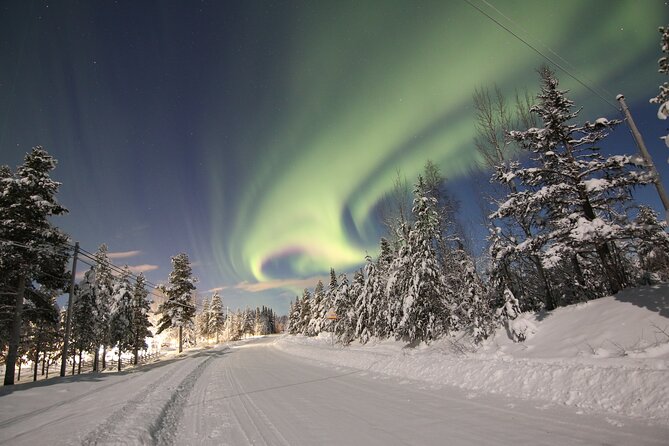
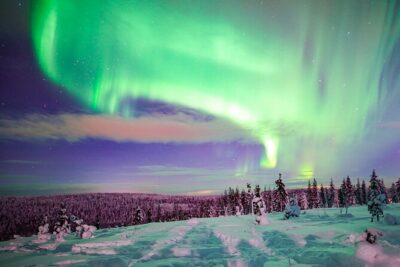
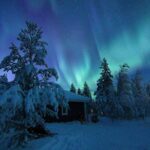
Kiruna is one of those northern Sweden bases where your odds are often more about decisions than luck. The tour’s key promise is simple: you’re not stuck in one place all night. The guide works the plan to chase the aurora within roughly 125 km of Kiruna, which matters because clouds can form, clear, then re-form while you’re out there.
Think of it like this: aurora hunting is weather roulette. By widening the search area around Kiruna, you buy yourself more chances for a clear patch of sky. That’s exactly what I want when I’m paying for a guided experience, not just a bus ride with a vague hope.
And it’s not only about chasing. Guides also talk about what you’re looking at and help you time your photos when the lights decide to show up. That photo time is a big deal, because the sky moves fast and you don’t want to be fumbling with settings while the show is already fading.
You can also read our reviews of more tours and experiences in Kiruna.
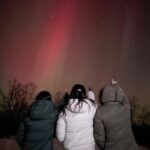
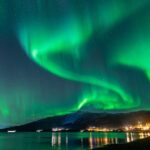
The 8:00 pm start and 4-hour arc: what you should expect
This tour runs about 4 hours and begins at 8:00 pm. You meet at Torggatan 4, 981 30 Kiruna, and you return to the same meeting point at the end. That structure makes planning easy: you’re not guessing which neighborhood you’ll end up in after dark, and you can still fit the evening into a day of sightseeing.
In real-world terms, the night typically follows a rhythm:
- travel to the best viewing zone based on conditions,
- stay and watch until the sky behaves,
- then wrap up and head back.
Because you’re out at night, being mentally ready for waiting helps. Several experiences describe long stretches of cloud cover followed by sudden aurora breakthroughs. If you go in expecting a guaranteed light show the minute you arrive, you’ll probably get grumpy. If you go in expecting a chase and a bit of patience, you’ll be happier with the overall experience.
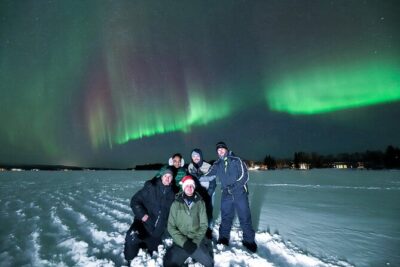
Also note: the group size is capped at 8 travelers, which usually means less crowding around people with cameras and more flexibility for the guide to manage stops. In aurora country, calm groups tend to make better photos and a more relaxed vibe.
Stop 1: Kiruna’s aurora hunt and the built-in photo window
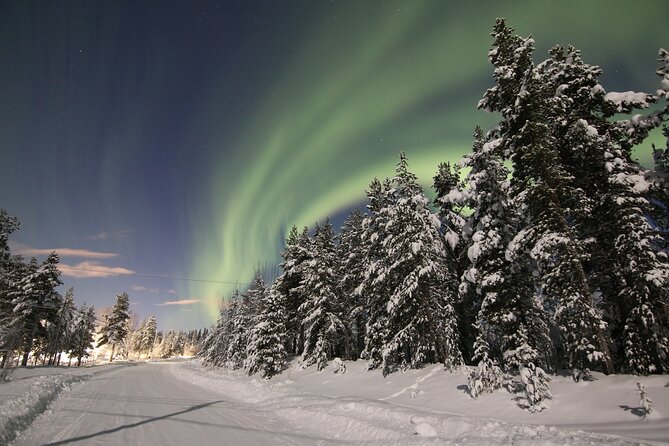
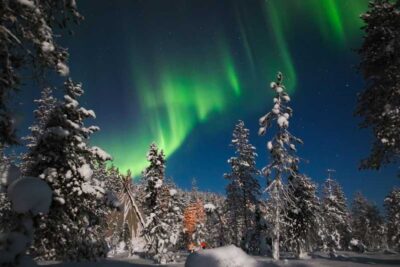
Your first major phase is the Kiruna stop, where your guide takes you toward the best chance for aurora viewing. The tour is designed to keep you within about 125 km, so you’re not aiming for some far-off plan that only works on the clearest nights.
What I like most here is that the guide doesn’t treat it like a quick stop-and-go. You’re given plenty of time to take photos once conditions look right. That means you can settle in, adjust your camera or phone, and actually learn what’s working for aurora shots instead of rushing in the cold.
If you’ve never photographed the aurora, here’s what usually makes the difference: you need enough darkness, a sky that’s not washed out by haze, and time to capture changing intensity. When guides build in that pause, you benefit even if you’re not a serious photographer. And if you are, that extra waiting window is where the best color changes often happen.
One practical tip from what I’ve seen reflected in guides’ approaches: strong aurora sightings can happen in bursts. Staying longer in the right place can be the difference between a faint green hint and something dramatic—one report describes lights so intense they had to pull over so people could step out and see them clearly.
Hot drinks, winter gear, and those fire-lit moments
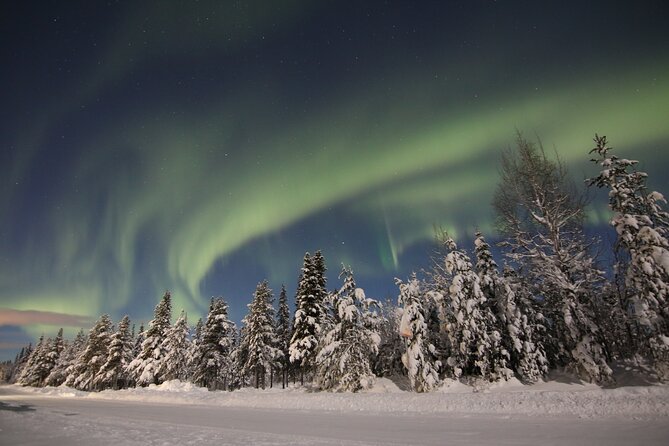
The tour includes hot non-alcoholic beverages, which sounds small until you’re outside for real. Cold night touring has a way of draining your mood fast, and a warm cup helps you stay present instead of counting minutes until the van heats up.
Some experiences add even more warmth through a practical setup: guides have made small fires at remote stops, served warm juice, and provided snacks. In one described outing, a guide lit a fire on a frozen river, and that moment became part of the memory, not just the comfort plan.
Now, a balanced note: not every vehicle and every night feels equally comfortable. There are mentions of minibus heat not working as well as expected, and even gear that felt a little awkward in deep snow. That doesn’t mean the tour is unsafe, but it does mean you should treat winter layering as your job, not the tour’s.
So my advice is straightforward: dress like you’re going to stand still outdoors for a while. Even with included warming drinks, you’ll enjoy the night more if you’re already warm before you need it.
Local guides and aurora coaching: when Søren, Emily, and Matt show up
This is the part that can make a night feel magical or merely okay. The tour is led by local guides, and the difference often comes down to two things: how they read conditions and how they manage the group when the sky changes.
In named examples from past experiences, guides like Søren, Emily, and Matt come up with very specific strengths: strong aurora instruction, flexible routing when clouds block the view, and a calm persistence that keeps people engaged.
Emily is described as watching weather information during the drive, going beyond the initial idea when the sky didn’t cooperate, and eventually shifting to darker spots. Another guide (Matt) is tied to finding the aurora and sharing stories about the region. Those details matter because aurora chasing isn’t only logistics—it’s also explanation. When you understand what you’re seeing, you notice the subtle changes and you take better photos.
But I also want you to have the other side of the coin. A smaller number of reports complain about a rushed guide, short outdoor time, or not chasing hard enough compared with what was advertised. That means your outcome may depend on the specific guide and night conditions.
My practical takeaway: if you’re picky about pacing and comfort, look for clear communication at the start of the tour. If you hear talk that sounds vague or rushed, pay attention. And regardless of guide, go in knowing the aurora isn’t booked in advance like a museum ticket.
Driving strategy: chasing clouds, not just chasing the lights
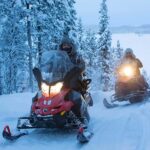
Aurora tours succeed or fail based on one skill: reading and responding to weather fast. The tour is built around getting you away from town and into the wilderness area where viewing conditions can be better. Some experiences describe the guide attempting one area first, then shifting when clouds stayed stubborn.
One example mentions driving toward Abisko when the original sky wasn’t cooperating, then moving further west after waiting. Another describes the guide finding darker and more remote spots after a first attempt. Even if the route varies, the pattern is consistent: guides keep repositioning until the sky offers a window.
This is why the 125 km chase radius helps. You’re not limited to one viewing horizon, and you’re not stuck hoping a single patch of sky stays clear for the entire night.
Comfort and equipment reality: what to pack mentally
The tour includes winter gear in some reports, and people have noted the guides brought appropriate winter layers when weather was harsh. Still, there are also complaints about gear that felt too touchy around deep snow and a vehicle that wasn’t well heated.
So treat this as a “helpful setup,” not a guarantee that you’ll be comfortable no matter what you wear. You’ll have the best time if you:
- wear warm base layers,
- bring insulated gloves and warm socks,
- cover your neck and face area (wind finds weak spots),
- keep your outer layer dry and ready.
If you’re using a camera, expect cold to slow you down. Batteries drain faster in low temperatures, and your fingers get clumsy. Plan to manage your gear before you’re out there hunting color in the sky.
Admission to cultural and tourist stops: why it’s part of the value
The tour includes admission into cultural and tourist sites. That’s not just a line item—it can improve the night because you’re not only sitting at the edge of a road waiting.
When you’re in Kiruna, aurora season can make it easy to treat each evening like a one-idea night. But including ticketed stops means your guide can fit in short cultural moments alongside the light chase. And since the tour runs about 4 hours, those extra stops make the time feel fuller even when the aurora is faint or delayed.
If you’re the type who likes understanding place, that inclusion tends to pay off. You’re seeing wilderness views, learning how aurora behavior works, and also getting small context about the area—without having to plan separate attractions on a tight schedule.
Price and value: is $192.59 fair for a 4-hour aurora chase?
At $192.59 per person, you’re paying for more than “standing outside at night.” You’re paying for:
- a local guide who actively searches for better conditions,
- transportation away from Kiruna into the wider region,
- included hot non-alcoholic beverages,
- photo-focused time when conditions turn favorable,
- admission to cultural/tourist sites.
Because group size is capped at 8, you’re not competing with a busload of people for attention. That matters for timing, photo support, and keeping the group warm and organized.
Now, the part you should be honest with yourself about: the aurora can be invisible. The tour requires good weather, and some experiences end without lights. In those nights, your value becomes heavily dependent on how the guide performs—how well they manage expectations, where they take you, and whether the comfort and storytelling still deliver.
If you want a sure thing, no aurora tour can sell that. But if you want the best chance with real guidance plus thoughtful extras (drinks, included admissions, photo time), then this price starts to make more sense.
Who this Northern Lights tour suits best
This tour fits you if:
- you want an English-speaking guide and clear aurora instruction,
- you’re traveling on a schedule where you can spare about 4 hours at 8:00 pm,
- you’d rather chase conditions within a radius than sit in one spot,
- you want a small group experience (max 8).
It might not be ideal if:
- you have strong sensitivity to cold and expect perfect vehicle heating,
- you need a very fixed itinerary with zero chance of early wrap-up,
- you’re planning around a single strict photo plan and can’t tolerate some waiting.
For most people, the best mindset is this: aurora night is partly guided exploration, partly weather luck. When the guide is proactive and patient, you feel like you’re doing something smart. When conditions cooperate, it’s the kind of night you remember for years.
Should you book this Kiruna northern lights tour?
I’d book it if you want a guided chase with time for photos, included warmth, and local knowledge—and you’re comfortable with the fact that nature can shut the show down. The strongest sign in the information is how often guides are credited for making a difference, including named examples like Søren, Emily, and Matt.
I’d think twice if comfort matters a lot to you and you’re worried about vehicle heat or gear fit. And if you hate the idea of variability, make sure you’re mentally prepared for the night to shift based on cloud cover.
Bottom line: for $192.59, you’re buying effort—active searching, guided explanation, and added value with drinks and ticketed stops. If you go in ready to dress warm and stay flexible, this is the kind of northern lights experience that can feel both practical and genuinely unforgettable.
FAQ
How much does the Kiruna guided Northern Lights tour cost?
It costs $192.59 per person.
How long is the tour?
The tour runs about 4 hours.
What time does the tour start in Kiruna?
It starts at 8:00 pm.
Where do I meet the guide?
The meeting point is Torgatan 4, 981 30 Kiruna, Sweden. The tour ends back at the meeting point.
Is the tour offered in English?
Yes, it’s offered in English.
What’s included during the tour?
The tour includes local guide-led chasing within about 125 km from Kiruna, hot non-alcoholic beverages, time to take photos, and admission into cultural and tourist sites.
What happens if the northern lights can’t be seen due to weather?
The experience requires good weather. If it’s canceled due to poor weather, you’ll be offered a different date or a full refund.