REVIEW · LEVI
Levi: Aurora Borealis Tour and Stargazing Experience
Book on Viator →Operated by Keo Wilderness · Bookable on Viator
Northern Lights feel close here. This Levi tour takes you out past the glow of town to a frozen-lake night in Lapland, with stargazing tools and a real hunt for clear skies. I like that it’s built for comfort and learning, not just standing around: you get a telescope and a sky app to follow the constellations and even spot the Moon if conditions cooperate.
I also like the simple “warmth first” setup. You’ll have a campfire with hot drinks and grilled treats, plus access to a heated shelter if the cold bites back. One possible drawback: thermal clothing isn’t included, so you’ll want to dress for serious winter temperatures.
In This Review
- Key Things to Know Before You Go
- What You’re Really Paying For: $131.25 of Aurora-Ready Comfort
- From Levi to Köngäs: Your Night Starts in the Van
- Stop at Köngäs: A Small Base for Big Quiet
- Rautusjärvi on a Frozen Lake: Campfire Waiting, Aurora Watching
- Warmth and food first
- Stargazing with real tools
- Aurora moments when conditions line up
- Telescope and Sky App: The Part That Makes You Feel Smart, Fast
- Optional Snowshoes on the Frozen Lake: Worth It If You Want a Stretch
- Cold-Weather Reality Check: Dress Like You Mean It
- Small Group Size and a Stress-Free Flow
- Weather and the Chance Factor: How the Tour Handles Uncertainty
- Who This Northern Lights Tour Suits Best
- Should You Book This Levi Aurora Borealis Night?
- FAQ
- How long is the Aurora Borealis and stargazing experience?
- What time does the tour start?
- Where do we meet for the tour?
- Is pickup and drop-off included?
- What stargazing equipment is provided?
- Is snowshoeing included?
- Are thermal clothing items included?
- Will there be a place to warm up?
- What happens if the Northern Lights can’t be viewed due to weather?
Key Things to Know Before You Go
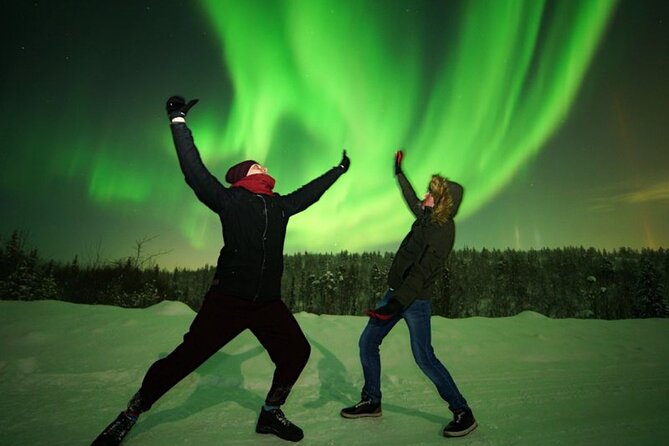
- Remote frozen-lake viewing away from city lights at night
- Telescope + real-time stargazing app to guide what you’re seeing
- Campfire comfort with hot drinks and grilled sausages (plus marshmallows or cookies)
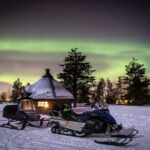
- Heated shelter on standby when you need to warm up
- Optional snowshoe walk on the frozen lake (not required)
- Small group size capped at 17 for a more controlled experience
What You’re Really Paying For: $131.25 of Aurora-Ready Comfort
At $131.25 per person, this tour isn’t just “watch the sky and hope.” You’re paying for logistics that matter when it’s cold and dark: pickup and drop-off, a guide who scouts for the best viewing spot, and gear support like a telescope and a stargazing app. That turns a high-stress night (will we see anything?) into something that feels more methodical.
You also get a real comfort package. There’s a campfire with hot drinks, and grilled food options that keep energy up while you wait for aurora conditions. When you need a reset, there’s a heated shelter available. That combination is the difference between an enjoyable night and a survival mission.
And there’s one more value piece: you’ll have photo shooting with a professional camera. Even if you come for the aurora first, you’ll usually appreciate having someone else handle the “how do I frame this” part in low light.
You can also read our reviews of more tours and experiences in Levi.
From Levi to Köngäs: Your Night Starts in the Van
The experience starts at 9:00 pm, with a meeting at Levi turistbyrå, Myllyjoentie 2, 99130 Sirkka, Finland. If you choose pickup, plan to be at the departure location 10 minutes early, because the schedule is firm.
That early part of the night matters. In Lapland, the aurora isn’t guaranteed on demand. So the drive time and route decisions are part of the game plan. By the time you reach Köngäs area—this small village in Northern Ostrobothnia—you’re already moving away from light pollution and toward the type of quiet sky you came for.
You’ll also get a sense of the evening’s tone early. The guides keep things upbeat while you travel, and you’re not just being transported. You’re set up for the night ahead with context on what to look for and how the whole viewing block works.
Stop at Köngäs: A Small Base for Big Quiet
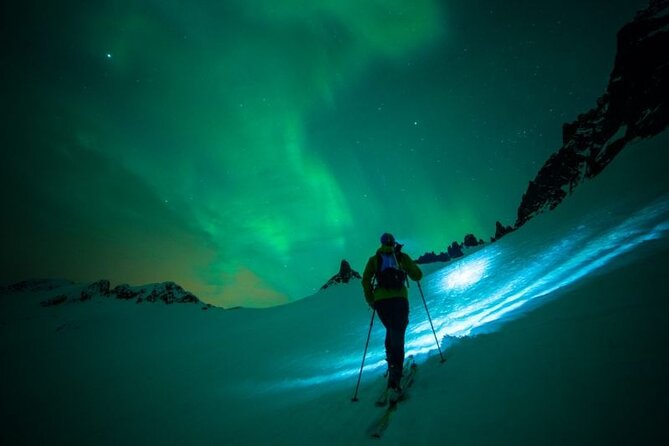
Köngäs is small, and that’s the point. This region is known for forests and lakes, which means you get the kind of dark, open sky that makes aurora viewing more dramatic. It’s a place where the night feels slower.
What I like here is that the tour doesn’t rush past the “meaning” of the location. You’re not just hopping from one postcard to another. You’re being positioned for the best viewing opportunity—away from city light and with the right kind of winter stillness.
This stop also helps you mentally switch gears. In daylight, Lapland can look like a winter wonderland. At night, Köngäs and the surrounding area make it feel like you’ve stepped into a different rhythm.
Rautusjärvi on a Frozen Lake: Campfire Waiting, Aurora Watching
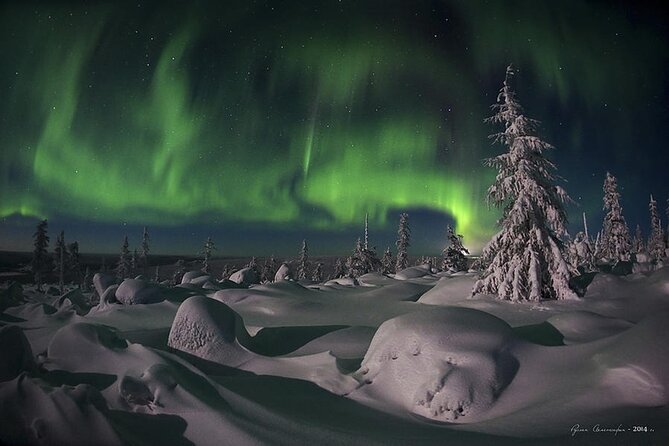
The main viewing time happens at Rautusjärvi, where you spend the night in Lapland’s Arctic wilderness. The plan is simple and effective: you drive to a peaceful frozen lake far from city lights, then settle in at a quiet spot surrounded by snowy forest.
This is where your night becomes a mix of waiting and doing.
Warmth and food first
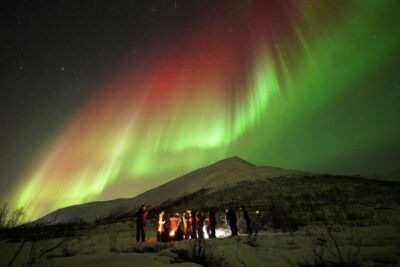
You light up a cozy campfire and grill sausages. You’ll also have hot drinks, with marshmallows or cookies as part of the treat. That might sound like “typical cold-weather snacks,” but it matters more than it seems. When you’re comfortable, you can actually look up for longer without constantly rotating back and forth between freezing and thawing.
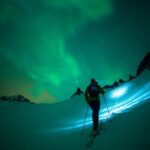
Stargazing with real tools
Then it’s telescope time. With clear skies, you can view stars and constellations, and you may even be able to see the Moon in detail. The guide also uses a stargazing app so you can understand the sky in real time instead of guessing.
That’s a big deal for first-timers. The aurora can be hard to describe in the moment because your eyes are adapting. Having an app that points out what’s happening gives you something concrete to focus on while you wait.
Aurora moments when conditions line up
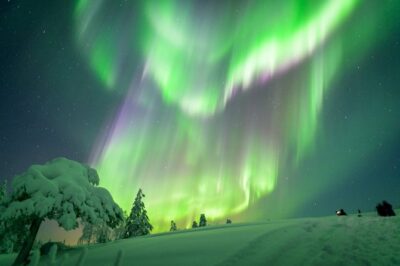
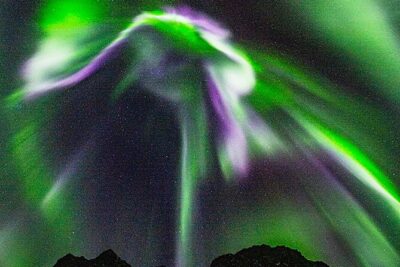
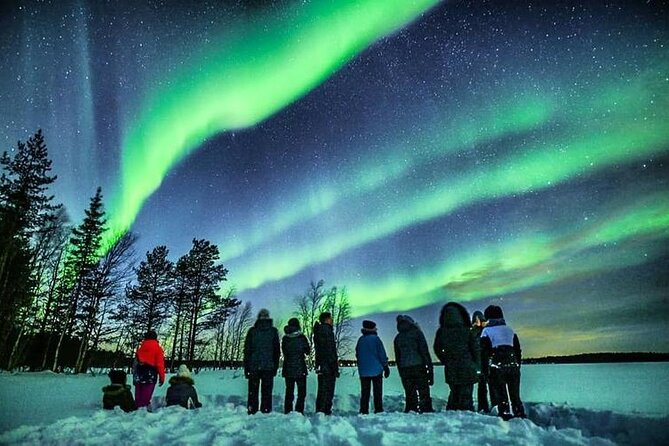
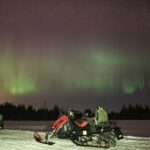
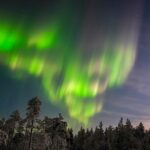
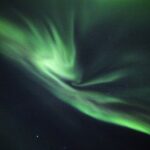
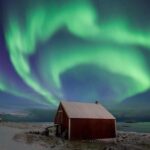
As the night deepens, the tour watches the sky. If the conditions are right, the Northern Lights appear and the guide helps you capture the moment—often with that extra magic of light reflecting on ice, creating a mirror-like effect.
Even if auroras vary night to night, the experience stays worthwhile because you’re not just standing in one place hoping. You’re in an organized, warm-and-cold rhythm built for this specific environment.
Telescope and Sky App: The Part That Makes You Feel Smart, Fast
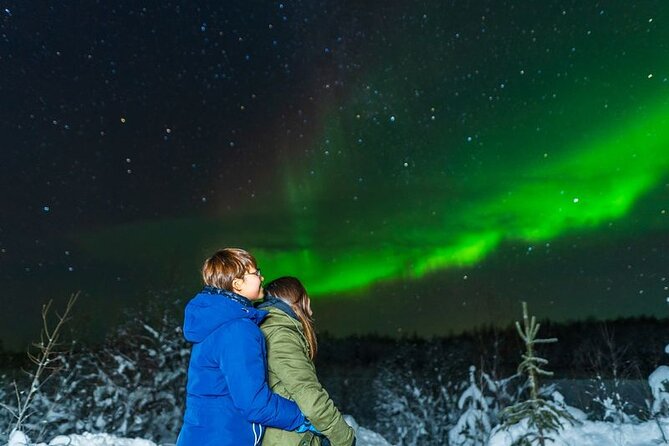
One reason people get hooked on aurora nights is that the sky changes faster than your brain can process. This tour helps you get your bearings quickly using two layers of support:
- A telescope for stars, constellations, and possible Moon viewing
- A stargazing app used in real time on your phone
You’re not stuck staring at a blank sky and trying to “interpret.” You’ll see guidance on where to look, which constellations are visible, and how the view ties together. It’s a practical way to turn a cold night into an actual learning experience.
Also, the guide is actively involved. They choose the best viewing location for photos and adjust as needed. That’s worth it, because even perfect skies can look disappointing if you’re pointed in the wrong direction or standing where it’s too bright.
Optional Snowshoes on the Frozen Lake: Worth It If You Want a Stretch
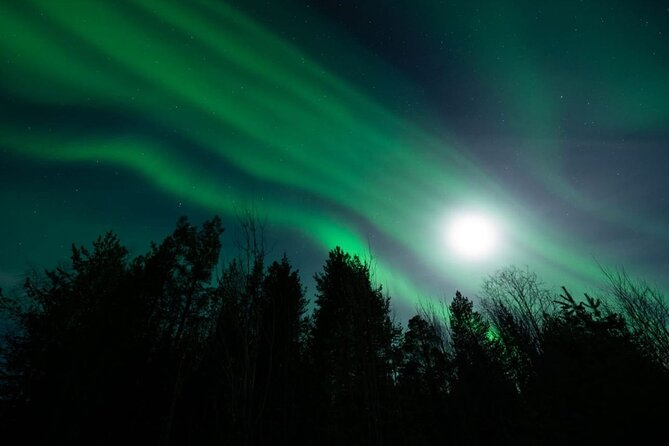
The tour includes an optional snowshoe walk on the frozen lake. It’s not required, but it can add something special: movement, wider views, and a chance to feel how open and quiet that winter world really is.
The tour asks for moderate physical fitness, which is a polite way of saying you should be comfortable standing for periods and handling uneven cold conditions. Since you’ll likely wear heavy layers and walk on snow and ice, snowshoes can be easier than bare boots, but they still require balance.
If your priority is just the aurora and stargazing, you can simply opt out of the snowshoe portion and focus on the warm shelter, telescope time, and campfire viewing.
Cold-Weather Reality Check: Dress Like You Mean It
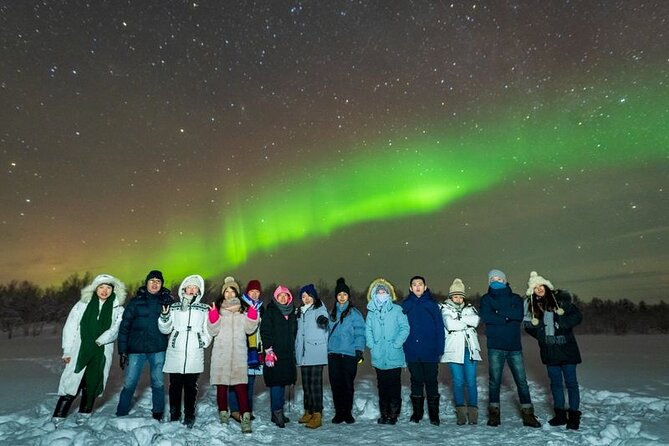
Here’s the truth about northern sky tours: the weather doesn’t care about good intentions. This experience runs at night, on a frozen surface, in sub-freezing conditions often severe enough that your clothing choices matter.
The big practical point is direct: thermal clothing is not included. The tour provides comfort through hot drinks and a heated shelter, but it can’t replace proper winter gear. I recommend packing thermal base layers, warm socks, insulated outerwear, gloves, and something for your face and ears.
Also, since the tour is described as not recommended for travelers with mobility impairments, it’s worth thinking honestly about how you’ll handle standing outside in cold and walking on snowy ground and ice.
If you dress right, the cold becomes a background factor. If you don’t, it can take over the whole night.
Small Group Size and a Stress-Free Flow
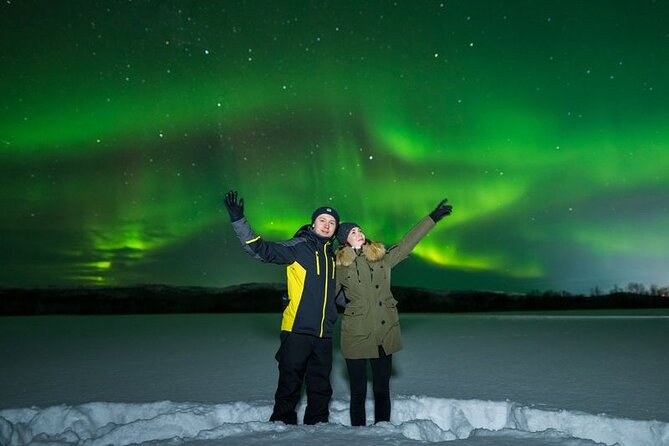
With a maximum of 17 travelers, you’re less likely to feel lost in chaos. The guide can manage pacing, keep everyone positioned for stargazing, and handle the warm shelter/campfire transitions without long waits.
This matters on an aurora night because timing is everything. When aurora activity picks up, you want the group to shift smoothly—out of the cold, into a clear view, then back to warm up, all without friction.
Pickup and drop-off also reduce the “what if I’m late” stress. Just make sure you’re on time at the departure point, since being late doesn’t qualify you for refunds or rescheduling.
Weather and the Chance Factor: How the Tour Handles Uncertainty
Northern Lights tours depend on weather. Clouds can block the aurora, and poor visibility can kill the night even when the aurora would otherwise be active.
This experience is transparent about that: it requires good weather. If it’s canceled due to poor conditions, you’ll be offered a different date or receive a full refund.
And during the hours you’re out there, the guide’s job is to keep searching for a better spot. That’s the key to turning uncertainty into results. You’ll be more relaxed because you know the plan includes persistence, not a single-location gamble.
Who This Northern Lights Tour Suits Best
This is a great match if you want:
- A guided night experience with more than “just waiting”
- Practical stargazing support (telescope + real-time sky app)
- A warm setup with campfire snacks and a heated shelter
- A small-group pace that works for families and mixed ages
It may not be the best choice if:
- You’re not comfortable with cold and want minimal outdoor time
- You need strong accessibility accommodations, since it’s not recommended for mobility impairments
- You dislike walking on snowy/icy ground, even if snowshoeing is optional
For families, it tends to work because the evening has structure: van travel, warm moments, telescope time, and a planned chance for aurora viewing.
Should You Book This Levi Aurora Borealis Night?
If you’re in Levi and you want the best balance of comfort + guided sky viewing, this tour is an easy yes. The included warmth (campfire, hot drinks, heated shelter), plus the telescope and sky app, makes it feel “built for real nights in Lapland,” not a vague tour concept.
I’d book it if you’re willing to dress properly for the cold and you’re okay with weather being out of everyone’s control. The small group size and the guide-led search for good viewing spots also make it feel like your time in Finland is being used wisely.
If you tell me your travel dates and whether you’re traveling as a couple, family, or solo, I can help you decide whether this is the right timing choice versus a more flexible plan.
FAQ
How long is the Aurora Borealis and stargazing experience?
It lasts about 3 to 4 hours.
What time does the tour start?
The start time is 9:00 pm.
Where do we meet for the tour?
You meet at Levi turistbyrå, Myllyjoentie 2, 99130 Sirkka, Finland.
Is pickup and drop-off included?
Yes. Pick-up/Drop-off service is included, if you choose that option.
What stargazing equipment is provided?
The tour includes use of a telescope for stargazing, and stargazing with telescope in real time on your phone using a stargazing app. Moon viewing is included if skies are clear.
Is snowshoeing included?
Snowshoeing is optional. If you want to try it, you can do it as part of the frozen lake walk.
Are thermal clothing items included?
No. Thermal clothing is not included.
Will there be a place to warm up?
Yes. You have access to a heated shelter during the tour.
What happens if the Northern Lights can’t be viewed due to weather?
This experience requires good weather. If it’s canceled due to poor weather, you’ll be offered a different date or a full refund.