REVIEW · SIRKKA
Levi: Aurora Borealis Tracking & Photography Tour By Car
Book on GetYourGuide →Operated by Balkarctic Adventures · Bookable on GetYourGuide
Hope is not a plan here. This car tour in Lapland turns Northern Lights hunting into a guided, real-time strategy session, with Hana leading many of the experiences and teaching you what to watch for in the sky and on your phone. You start in Sirkka, then head out with a plan that shifts as conditions change.
What I like most is the mix of science and practicality. You get a personalized Aurora Probability Report the night before that’s based on things like cloud coverage, solar wind, hemispheric power, and magnetometer data, so you’re not walking in blind.
The main drawback is also the nature of the phenomenon: even with good tracking, the aurora depends on conditions. You’ll want serious cold-weather gear, and you should be ready for a 3–6 hour night that may include driving toward clearer skies.
In This Review
- Key points to know before you go
- Lapland Northern Lights, but with real-time strategy from Sirkka
- The Aurora Probability Report: your night-before decision tool
- Learning to track the Northern Lights using free apps and live data
- Chasing the clearest skies: how the car tour stays flexible
- Photography support and professional images you can actually use
- Warm drinks, snacks, and a realistic aurora waiting game
- Price and value: why $200 can make sense for a science-led night
- Who this tour is best for (and who should skip)
- Practical tips so your night runs smoothly
- Should you book this Northern Lights tour by car?
- FAQ
- How long is the Aurora Borealis tracking and photography tour?
- Where does pickup happen?
- What’s included in the tour price?
- Do I get professional photos?
- What happens if the aurora forecast looks poor?
- What should I bring?
- Is the tour wheelchair accessible?
Key points to know before you go
- Night-before Aurora Probability Report to guide decisions before you leave
- Hands-on tracking using free apps and live space-weather-style data during the tour
- Flexible routing so you can chase darker, clearer skies when clouds roll in
- Warm drinks and local snacks while you wait under the stars
- Night photography support plus edited professional images (typically 15–30 per booking)
- Small group size with pickup in the Levi area and a max of 8 participants
Lapland Northern Lights, but with real-time strategy from Sirkka
This is the kind of aurora tour that respects your time. You’re not just bundled up and sent into the dark with vague instructions. Instead, you get a guide who thinks like a weather analyst and a photographer in the same breath.
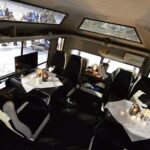
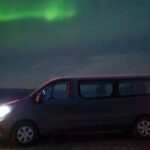
The night begins with pickup in Sirkka, then a van ride (about 30 minutes) that gets you out into the right region for observation. From there, the tour becomes a living plan: you’ll pause, check conditions, and move again if the sky isn’t playing along. That flexibility matters, because in winter, clouds and haze can move fast, and even light pollution can spoil the contrast you want.
Small group size (up to 8) also helps. You’re not fighting crowds for a spot to set up a tripod, and the guide can actually coach you while you’re learning.
You can also read our reviews of more tours and experiences in Sirkka.
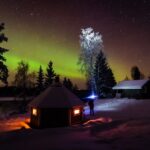
The Aurora Probability Report: your night-before decision tool
The most “adult” part of this experience happens before you even show up. The night prior, you receive a personalized Aurora Probability Report designed to estimate how likely you are to see the aurora.
It’s not a generic forecast. It’s built from multiple inputs that affect visibility, including cloud coverage, solar wind conditions, hemispheric power, and local magnetometer data. In plain terms: it tries to answer the question you really care about—what are the chances the sky will cooperate where you’re going?
And the tour gives you an out when the odds are poor. If the chance of visibility is under 50%, you can reschedule or cancel for free. That’s a huge value point because it reduces the stress of committing to a night that might turn into a long, cold wait.
When the odds look better, the tour goes all in. That can mean changing the route during the evening to chase clearer sky, and it also means you’ll spend time learning the tools you’ll use on future nights, not just collecting a single memory.
Learning to track the Northern Lights using free apps and live data
One reason this tour feels different is that you don’t leave with a vague story. You leave with methods.
During the tour, you’ll learn how to track the aurora yourself using free mobile apps and live space-weather style data. The guide also uses live magnetogram-style information (basically real-time readings that relate to aurora activity) to steer what you do next.
Here’s how that helps you as a traveler:
- You’ll understand what you’re looking at instead of guessing.
- You’ll be able to sanity-check the forecast while you’re standing outside.
- If you’re the type who wants to improve, you’ll get repeatable habits for later nights in Lapland.
The guide’s coaching is also useful for photographers. If you’re using a tripod and planning longer exposures, knowing when aurora activity is rising (and when it’s likely to fade) helps you choose the right timing—so you’re not just shooting continuously and hoping.
Chasing the clearest skies: how the car tour stays flexible
You’ll be based around Levi and Sirkka, but the tour won’t treat the area like one fixed viewpoint. Instead, the drive and stopping points are shaped by real conditions—especially clouds and light pollution.
The tour is set up with a “go where it’s better” mindset. You might drive to a darker patch, pause for checks, and then shift direction mid-tour if the sky stays cloudy where you first land.
That flexible routing is a practical edge, because the Northern Lights aren’t just about whether activity exists. They’re about whether you can actually see it above you.
Also, the tour duration is variable: 3–6 hours depending on distance and conditions. That’s normal for aurora nights, but it’s something you should plan around—keep your schedule loose, and give yourself buffer time for the drive and any extra waiting.
Photography support and professional images you can actually use
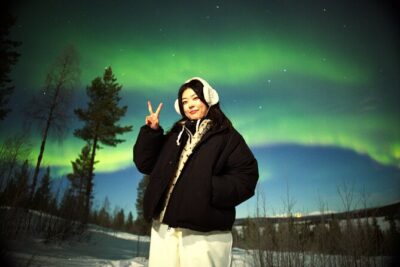
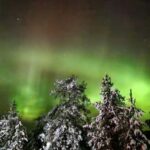
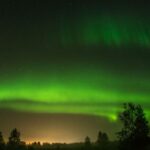
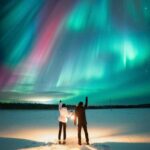
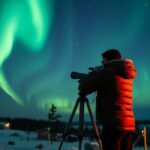
If you care about photos (even a little), this tour is worth paying attention to. You’ll get night photography support while you’re out there, plus professional guidance for capturing the aurora.
They also provide professional photos from your guide if conditions allow. You’ll receive an edited selection, typically 15–30 photos per booking.
What makes this valuable is that it removes one common aurora-tour problem: everyone has a camera, but not everyone knows how to turn aurora conditions into sharp, usable images. With the guide helping with night shooting, you’re more likely to come home with something more than a blurry souvenir.
What you should bring so you can take part well:
- A charged smartphone (you’ll use it for tracking)
- A tripod (recommended/required for the night photography side)
One more practical point: the tour rules say no open-toed shoes and no bare feet. That might seem minor, but it matters when you’re stepping around in snowy terrain at night. Wear proper boots so you can focus on the sky.
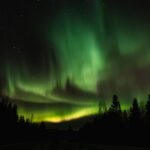
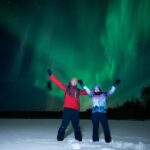
Warm drinks, snacks, and a realistic aurora waiting game
Northern Lights tours can be cold, and waiting is part of the deal. This one helps with that by offering warm drinks and local snacks under the stars.
That sounds simple, but it’s a big quality-of-life upgrade. You’re likely to spend time outside while the guide checks conditions and decides whether to move. Warm drinks keep your hands steadier (and your mood higher), and snacks prevent you from burning out early.
You’ll also get more than just logistics from the guide. People have noted Hana’s friendly, explanatory style—she doesn’t just point at the sky. She teaches you what’s happening and how to interpret it, which makes the waiting feel purposeful rather than random.
Price and value: why $200 can make sense for a science-led night
At about $200 per person for a roughly 4-hour experience (with 3–6 hour variability), this isn’t the cheapest way to see the aurora. But it’s not overpriced for what you get.
You’re paying for:
- A personalized night-before probability report
- Live tracking coaching using free tools
- Flexible routing to improve visibility odds
- Warm drinks and local snacks
- Night photography help and professional edited photos (when conditions allow)
- Pickup and transport from the Levi/Sirkka area
- A small group cap (up to 8), which makes the coaching more personal
The big value lever is the reschedule/refund option when the odds drop under 50%. That reduces the chance you’ll pay for a night that turns into mostly weather watching.
So if you’re thinking, I want better odds than a basic aurora bus tour, or I want to learn how to hunt effectively in future nights, this price starts to look fair.
Who this tour is best for (and who should skip)
This tour fits best if you’re willing to take aurora viewing seriously but still want a guided experience.
You’ll likely enjoy it if you:
- Want to learn aurora tracking instead of just hoping
- Bring a tripod and care about improving your night photos
- Prefer a small group with pickup and active guidance
- Are okay with a schedule that changes based on clouds
You might want to skip if:
- You’re traveling with very young kids (it’s not suitable for children under 10, and babies under 1)
- You hate uncertainty. Even with the report and tracking, the sky can still refuse cooperation.
Practical tips so your night runs smoothly
Before you go, set yourself up to succeed. Aurora nights are short on comfort and long on patience, so small preparation wins.
Do this:
- Dress for real winter exposure, not just warm. The tour asks you to bring warm clothing.
- Bring a charged smartphone so tracking apps work when you need them.
- Bring your tripod if you want the photography side to pay off.
- Stay within tour rules: no alcohol or drugs, and no alcoholic drinks in the vehicle.
Wear choices matter too. The tour disallows high-heeled shoes, open-toed shoes, and bare feet, which is a reminder that this is a night outdoors, not a casual stroll in town.
Should you book this Northern Lights tour by car?
If your main goal is to maximize your odds and actually learn something, I think this is a strong booking. The Aurora Probability Report gives you a smarter starting point than a vague forecast, and the live coaching with free tracking tools makes the experience useful even if the aurora is shy.
It’s also a good pick if you care about photos. Between night photography support and professional edited images when conditions permit, you’re more likely to leave with results you can share.
Book it if you can handle a 3–6 hour winter night, bring the right gear, and you want a guided, flexible hunt rather than a fixed viewpoint gamble. Skip it only if you’re looking for a guaranteed aurora. This tour is designed to improve your chances, not to promise the impossible.
FAQ
How long is the Aurora Borealis tracking and photography tour?
The duration is typically 4 hours, but it can run 3–6 hours depending on conditions and distance.
Where does pickup happen?
Pickup is included, and the meeting point is set up in advance for pickup within the Levi area. The tour starts from Sirkka.
What’s included in the tour price?
You get an Aurora Probability Report, warm drinks and local snacks, night photography support, a professional guide & driver, and pickup/transport.
Do I get professional photos?
Yes. If conditions allow, the guide will take professional photos during the tour, and you’ll receive an edited selection, typically 15–30 photos per booking.
What happens if the aurora forecast looks poor?
If the forecast shows a visibility chance under 50%, you can reschedule or cancel for free.
What should I bring?
Bring warm clothing, a charged smartphone, and a tripod.
Is the tour wheelchair accessible?
Yes. The tour is listed as wheelchair accessible.