REVIEW · SIRKKA
Rovaniemi: Aurora Treasure Expedition & Refund. Small Group.
Book on GetYourGuide →Operated by The Treasure of Lapland · Bookable on GetYourGuide
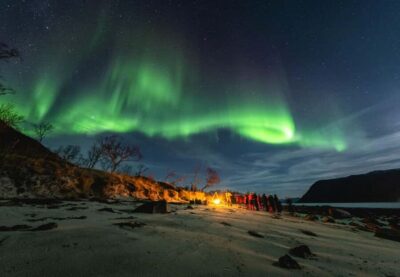
Aurora nights in Lapland feel like a game of patience and math. This Rovaniemi Aurora Treasure Expedition builds the hunt around space-weather tracking and getting you to clear-sky spots fast, not around vague promises. I like the way the team explains aurora formation before you start chasing it, and I also like the practical results focus: professional photography help, plus 500+ verified viewing locations across Finnish and Swedish Lapland. One thing to consider is the reality of nature—low solar activity or cloud cover can still shut the show down, and the tour’s refund terms reflect that.
What really makes it worth your attention is the “treasure hunt” mindset backed by disciplined decision-making. Denis/Dennis (the guide praised in multiple bookings) is described as someone who keeps working—using real-time feeds, meteorological updates, and flexible routing—until the sky gives you something worth capturing. I also like that you get a brief aurora lecture, hot drinks, and HQ photos delivered within 72 hours, so the night doesn’t end with only blurry memories. The main drawback for some people is the long cold stretch: you’re out for hours and you’ll be riding in a van across a wide area.
If you want an aurora tour that’s honest about uncertainty, but still high-effort about finding the lights, this one deserves a serious look.
In This Review
- Quick take: what makes this tour tick
- Entering the Aurora Treasure Mode in Rovaniemi
- Denis/Dennis and the Small-Group Advantage (Plus the Photo Edge)
- Before You Chase the Lights: The Aurora Lecture That Actually Helps
- Space Weather Planning and the 500+ Verified Spot System
- The Road Trip Stops: Kemijärvi to Sweden’s Kiruna and Gällivare
- Kemijärvi (photo stop + guided look)
- Salla (photo stop and sightseeing break)
- Sodankylä (more of the same, in a good way)
- Levi / Sirkka (scenic pause with guided sightseeing)
- Pajala (photo stop and guided sightseeing)
- Kiruna (cross-border scenery and another photo moment)
- Gällivare (final push and viewing area potential)
- Photos With Less Guesswork: Professional Camera Help and HQ Delivery
- Refund Reality Check: Partial vs Full When the Sky Stays Silent
- Packing for Hours Outside: Your Cold-Proof Checklist
- Who Should Book (and Who Should Skip It)
- Is It Worth $123? Value in the Small Details
- Should You Book the Aurora Treasure Expedition & Refund?
- FAQ
- What time does the Rovaniemi aurora tour start?
- How long is the experience?
- Where do you get picked up and dropped off?
- How many people are in the group?
- Is seeing the aurora guaranteed?
- What refunds are offered if aurora is not seen?
- Do you provide aurora photos?
- What languages is the guide available in?
- What should I bring for the tour?
Quick take: what makes this tour tick
- Science-led planning with daily space weather checks and real-time monitoring
- Small group size (up to 8) so you can actually hear the plan and move as a unit
- 500+ verified aurora spots across Finland and Sweden to improve your odds
- Pro camera + HQ photos delivered within 72 hours
- Refunds that match reality with partial or full options depending on package
Entering the Aurora Treasure Mode in Rovaniemi
This isn’t sold as a casual night stroll. It’s built as a result-oriented treasure hunt where you’re guided to pursue aurora viewing in the most practical way possible. The tour title may use words like guaranteed sightseeing, but the operation itself is pretty clear: aurora watching depends on solar wind intensity and clouds, and nobody can control those variables.
That honesty matters. Aurora tourism has a lot of marketing fog. Here, the messaging stays focused on what the team can do well: interpret forecasts, drive to better conditions, and keep trying with a flexible plan. The “treasure” theme also helps you stay mentally engaged. Instead of waiting, you’re watching the sky with a method—like you’re part of a field team rather than a passenger hoping for luck.
You’ll start between 17:00 and 22:00 and the full run can last 4 to 12 hours, depending on the package and how conditions evolve. In the 9-hour experience you’re considering, you should expect a longer night with multiple viewpoints and photo stops, not one single roadside pull-off.
You can also read our reviews of more tours and experiences in Sirkka.
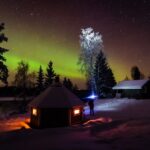
Denis/Dennis and the Small-Group Advantage (Plus the Photo Edge)
Most aurora tours promise expertise. What you want to know is whether that expertise becomes action. The guide experience here is heavily centered on real-time decision-making and also on photography support.
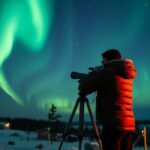
In recent feedback, the guide Denis/Dennis is repeatedly praised for two big things: he explains the science clearly, and he works hard to get people shots that actually reflect what happened. That’s not just a nice-to-have. In aurora viewing, there’s a mismatch between what you see with your eyes and what a camera can capture. A guide who understands lighting and composition can help you avoid the most common problems: missed timing, wrong settings, and an unproductive “stand there and hope” moment.
Small-group format helps, too. With a max group size of 8 people, you’re more likely to stay together, get more attention, and keep the flow when the guide changes the plan. It also makes the return drive and viewing rhythm smoother—less chaos, more focus.
One more practical win: you get hot drinks included. That sounds small until you’re sitting still in the Lapland night for hours.
Before You Chase the Lights: The Aurora Lecture That Actually Helps
You don’t just get dropped at a field and told to look up. After pickup, you get a short lecture focused on how aurora forms and the factors that change what you can see.
This matters because aurora watching has a lot of “why is it doing nothing?” moments. The lecture gives you a framework: aurora activity links to solar wind and geomagnetic conditions, cloud cover can wipe out your view even when activity is there, and moonlight can affect visibility too. You also get tips for successful sightseeing—like what to monitor, and how to stay patient without turning the night into stress.
The best part of this approach is that it turns uncertainty into something you can track. When the guide then shares forecast updates during the tour, you’re not starting from zero.
Space Weather Planning and the 500+ Verified Spot System
This tour’s core promise is simple: you’ll be positioned where aurora chances are better, not just where the tour bus can park. The operation is built around three ideas:
1) Daily space weather analysis
2) Real-time monitoring of meteorological data and conditions
3) Flexible routing when the first location doesn’t cooperate
They also draw from a large library of known good locations—500+ verified observation spots across Finnish and Swedish Lapland. That number matters because aurora tourism isn’t only about going far north. It’s about finding dark skies, workable access, and locations that match the conditions of the moment.
And the team makes adjustments fast. In the feedback, guides are described as making smart moves when the original plan looked weak, including driving northwest instead. That kind of flexibility is the difference between a tour that “does aurora” and a tour that actively hunts for it.
The Road Trip Stops: Kemijärvi to Sweden’s Kiruna and Gällivare
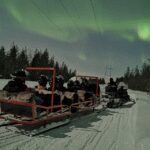
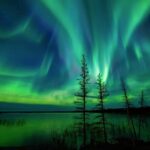
Your night has a travel rhythm: van rides, brief scenic breaks, and photo stops. The itinerary uses multiple segments, with stops like Kemijärvi, Salla, Sodankylä, Levi/Sirkka, Pajala, Kiruna, and Gällivare. Each one is positioned as a chance to regroup, get photos in natural light when possible, and move toward better skies.
Here’s how to think about each stop:
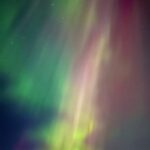
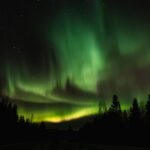
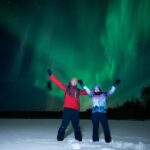
Kemijärvi (photo stop + guided look)
You’ll pull over for a photo stop and a guided moment, plus scenic driving time as you reposition. The value of this early stop is practical: it helps you settle before the darkness gets serious, and it breaks up the night so you don’t feel like you’re trapped on the highway until “maybe later.”
Salla (photo stop and sightseeing break)
Salla functions like another reset point. Even if aurora doesn’t show immediately, your guide can keep you in the loop with forecast updates and set expectations. A short guided stop here helps prevent the common disappointment spiral when the sky stays quiet early.
Sodankylä (more of the same, in a good way)
You’ll get another photo stop with sightseeing. The takeaway: these stops aren’t filler. They’re time-efficient ways to keep the group warm, oriented, and ready to move quickly when conditions change.
Levi / Sirkka (scenic pause with guided sightseeing)
Levi and Sirkka are part of the run where you’re likely to have varied scenery and lots of opportunities for winter night photos—again, likely more helpful earlier in the evening or during breaks. Even if the aurora is absent, these pauses keep the experience feeling active rather than waiting in silence for hours.
Pajala (photo stop and guided sightseeing)
Pajala is where the drive begins to feel like a bigger expedition across Lapland. You’re building time in the region, and that matters because aurora can appear, fade, then return later. Your guide is using the van time to position you smartly, not just clock miles.
Kiruna (cross-border scenery and another photo moment)
Once you reach Kiruna, you’ve entered Swedish Lapland territory. This is part of why the tour boasts 500+ spots across both countries. A cross-border move can put you under different cloud patterns and in different viewing conditions—no guarantee, but it increases your options.
Gällivare (final push and viewing area potential)
Gällivare is another key spot used during the run, with a photo stop and guided sightseeing. By now, you’re already in the mode: listen for forecast updates, dress for stillness, and be ready to stay flexible. The value of having multiple possible end-point locations is that you’re not locked into one “this is where we wait” plan.
One practical note: the van segments include multiple ~30-minute drives between stops. That’s long enough that you’ll want to be comfortable, and it’s also long enough that your warm clothing choices really matter.
Photos With Less Guesswork: Professional Camera Help and HQ Delivery
If you care about photos, this is one of the strongest parts of the tour. You get free photos taken with a professional camera, and the HQ images are delivered within 72 hours via a link.
That means you’re not spending the entire night fighting with camera settings while trying to stay cold and still. You can focus on staying oriented, listening to the guide, and moving when asked.
Also, it’s worth knowing what not to do: flash photography isn’t allowed. That’s common on aurora tours, but it still matters—bring a plan for your own gear if you’re photographing. If you’re using your own camera, you’ll likely want to follow the guide’s instructions so you don’t disrupt other participants or ruin your own shots.
The guide’s photography background is also a major reason people mention coming away with images they actually love. The aurora is tricky: sometimes the lights look different to the eye than to the camera, and moonlight can change what’s visible. A guide who handles both the sky and the camera angle helps you get closer to the result you came for.
Refund Reality Check: Partial vs Full When the Sky Stays Silent
This is where the tour gets unusually transparent. A lot of aurora marketing hides behind language like guaranteed sightings. This operation calls out the problem directly: nobody controls solar wind intensity, cloud cover, or the exact timing of aurora bursts.
So instead of promising certainty, it offers refunds tied to what’s realistically outside anyone’s control.
Here’s what you should know:
- If the tour can’t find a good aurora viewing outcome, you’re covered with refunds that depend on the package.
- Partial refund applies to the Standard and Private options if you couldn’t see aurora, or they couldn’t take an aurora photo.
- Full refund is tied to the Premium package.
- If weather conditions are bad, the operator may cancel with a full refund or change the date if possible.
The key value for you: you’re not just paying for hope. You’re paying for an organized hunt, and the business is willing to stand behind the process—within the limits nature sets.
Packing for Hours Outside: Your Cold-Proof Checklist
This tour depends on you being comfortable enough to stay outside. The essentials are spelled out:
- Warm clothing: hat, gloves, warm boots, thick socks, and a winter coat
- Thermal clothing
- Headphones (recommended or required)
- Warm shoes
- Passport or ID card
Also plan for no onboard meals like a BBQ-style stop. You should either bring a few snacks or eat dinner beforehand, because the experience can run long and you can’t count on food being provided.
And read the rules for yourself before you go:
- Flash photography isn’t allowed
- Pets, oversize luggage, and large bags aren’t allowed
- No smoking in the vehicle
- Alcohol and drugs aren’t allowed
- No open-toed shoes, slippers, or similar footwear
- No littering
- No strong fragrances
If you’re the type who tends to overthink clothing, good. This is one case where overpacking warmth is smarter than underpacking.
Who Should Book (and Who Should Skip It)
This expedition is a winter drive-and-wait experience. It’s not designed for everyone.
Not suitable if you have:
- Children under 7
- People with back problems
- Mobility impairments, wheelchair users
- Claustrophobia
- Heart problems
- Vertigo
- Respiratory issues
- Anyone over 200 cm
- Over 130 kg
- People prone to seasickness / motion sickness
- People over 80
- People with pre-existing medical conditions
And there’s a time-pressure warning: you should avoid booking if you have a flight or train departing before 5:00 a.m. The tour can run late depending on conditions.
If you’re generally healthy, enjoy the outdoors, and can handle a long cold night sitting still, this kind of expedition fits well.
Is It Worth $123? Value in the Small Details
At $123 per person for a roughly 9-hour outing, the value depends on what you want from an aurora tour.
You’re paying for:
- A small group (up to 8)
- An operation that can drive up to 600 km or more as needed
- A short aurora formation lecture plus tips and forecast interpretation
- Hot drinks
- A guide who uses real-time monitoring and flexible routing
- Professional camera photos, delivered as HQ images within 72 hours
- Package-based refund protection when you can’t see aurora or can’t get a photo
Compared to tours that only offer transportation and vague promises, this feels like you’re buying effort plus documentation. The pro photos alone can justify the cost if you care about returning with images you’ll actually print or share.
If you’re mainly chasing aurora with your phone and don’t care about photography support, you might decide it’s more than you need. But if you want a guided hunt where someone actively works the plan, it’s priced like a real service, not a cheap bus ride.
Should You Book the Aurora Treasure Expedition & Refund?
Here’s my straight take.
Book it if you want:
- A small-group aurora night with real planning
- A guide-led approach with science explained, not just instructions to look up
- Better odds through flexible routing and many verified spots
- Professional HQ photos after the tour
- Refund structure that respects the reality of nature
Skip it if:
- You need a fixed end time for travel the next morning before 5:00 a.m.
- You’re not set up for hours in winter cold
- You have health or mobility concerns listed as not suitable for this format
If you’re doing Lapland in winter and you want to maximize your chances without pretending you can control the sky, this is the kind of tour that makes sense.
FAQ
What time does the Rovaniemi aurora tour start?
Tours start between 17:00 and 22:00, and the exact pickup time is shared a few hours before the start since the schedule can shift with weather conditions.
How long is the experience?
The duration is usually 4 to 12 hours, and the experience you’re considering is listed as 9 hours.
Where do you get picked up and dropped off?
Pickup is from Sampokeskus. Free pickup and drop-off depend on the package: within 10 km of the city centre for Standard and Private, and within 20 km for Premium.
How many people are in the group?
The tour is run as a small group with a maximum of 8 people.
Is seeing the aurora guaranteed?
No. The wording in tour titles about guaranteed sightseeing does not mean you will see aurora. Aurora visibility depends on solar wind intensity and clouds.
What refunds are offered if aurora is not seen?
If you couldn’t see aurora or they couldn’t take an aurora photo, Standard and Private offer a partial refund, while Premium offers a full refund. If weather is bad, the tour can be canceled with a full refund or a date change if possible.
Do you provide aurora photos?
Yes. You receive free photos taken with a professional camera, and HQ photos are delivered within 72 hours via a link.
What languages is the guide available in?
The live guide is listed as available in Chinese, English, and Aymara.
What should I bring for the tour?
Bring warm clothing (hat, gloves, warm boots, thick socks, winter coat, thermal clothing), headphones, and your passport or ID card. Dinner/snacks are not included, so eat beforehand or bring some snacks.
If you tell me your travel dates and whether you’re doing Premium or Standard/Private, I can help you decide which package best matches your risk tolerance and photo goals.