REVIEW · REYKJAVIK
Winter Whale Watching and Northern Lights Cruise from Reykjavik
Book on Viator →Operated by Elding Whale Watching · Bookable on Viator
Seeing whales and aurora in one outing is a smart Iceland shortcut. This combo pairs a classic afternoon whale-watch cruise with an evening northern lights chase from the water, with warm gear and English live commentary built in.
I especially like the sighting guarantee idea. If you miss the whales, you get a chance to try again for free. And when the aurora is elusive, the operator’s approach feels like they want you to leave with results, not just a ticket stub.
One drawback to plan for: weather can shift the timing. If the northern lights portion can’t run when conditions are poor, you may be rebooked rather than refunded immediately, depending on what went wrong and when.
In This Review
- Key takeaways before you go
- Why this 5-hour combo matters for whales and aurora
- From Elding to the sea: timing, meeting point, and how the day flows
- Whale watching first: what you’re really doing on the 3-hour cruise
- Northern lights from the water: what to expect on the 2-hour cruise
- Staying warm at sea: coveralls, blankets, and smart packing
- Inside lounge comfort: the small details that make cold weather bearable
- What costs extra and what you can ignore
- Price and value: is $198 worth it
- Weather reality: what happens when the sky or sea won’t cooperate
- Who this winter combo is best for
- The value of the wildlife exhibition stop
- Should you book this winter whale and northern lights cruise combo?
- FAQ
- How long is the Winter Whale Watching and Northern Lights Cruise?
- Where does the tour start and end?
- Is whale viewing guaranteed?
- What happens if you don’t see the northern lights?
- What’s included in the price?
- Is food included?
- Do children need life-vests?
Key takeaways before you go
- Guaranteed whale sightings: if you don’t see whales, try again for free.
- Boat-based aurora hunting: you’re not stuck waiting on shore.
- Warm gear included: coveralls and blankets help a lot in Iceland winter cold.
- Inside lounge + outdoor viewing: you can warm up and still keep an eye out.
- English live commentary: wildlife and aurora context without guessing.
- Up to 150 people: small enough to feel like a real tour, not a floating stadium.
Why this 5-hour combo matters for whales and aurora
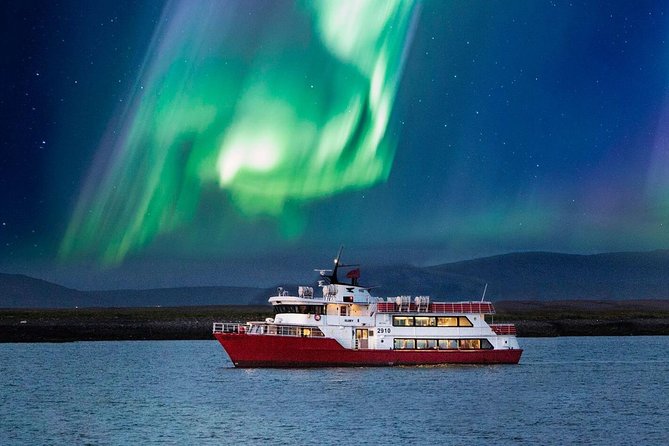
Reykjavik in winter can be a test of patience. You might plan a whole evening around the northern lights, then get cloud cover. Or you might chase whales and come up empty.
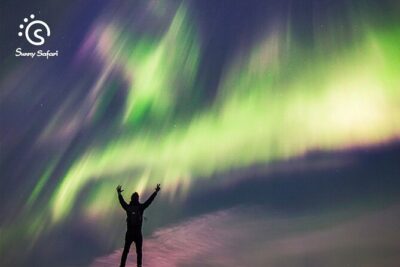
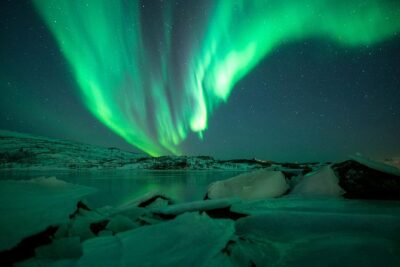
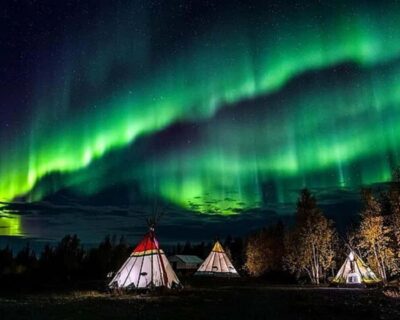
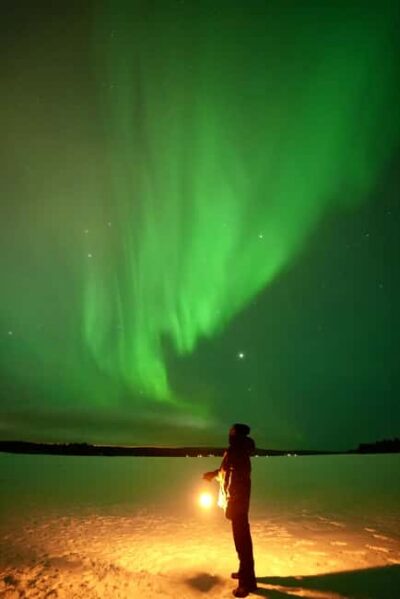
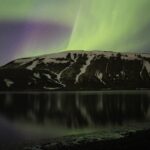
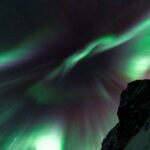
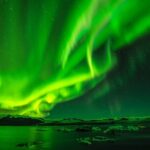
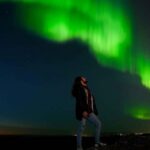
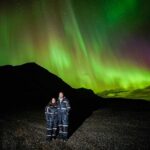
This tour reduces the stress by stacking two best-shot experiences into one day. You start with whales in the afternoon, then pivot to aurora at night. If the sky cooperates, you can end the day with the green-gold glow everyone dreams about. If it doesn’t, you’ve still had a real wildlife outing on the water.
I also like the “boat-first” logic. Ice and wind make shore viewing miserable fast. Out on the sea, you have the chance for a better view of the sky, plus you’re already geared up for cold weather in a controlled way.
You can also read our reviews of more tours and experiences in Reykjavik.

From Elding to the sea: timing, meeting point, and how the day flows
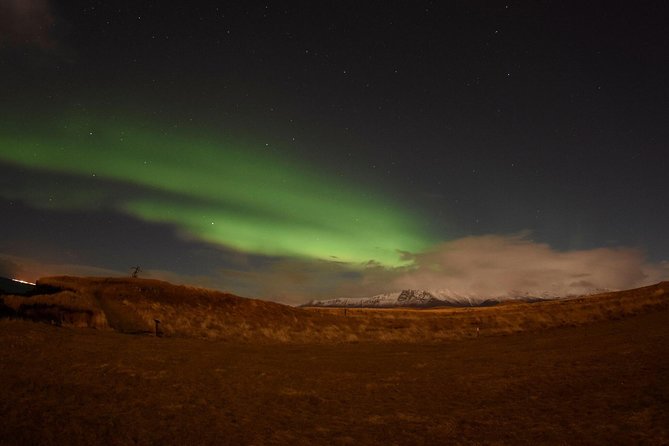
The meeting point is Elding Whale Watching, Ægisgarður 5c, 101 Reykjavík. The experience ends back at the same place, which keeps your evening simple.
Expect an afternoon whale watch for about 3 hours, then a northern lights cruise for about 2 hours. Total time is roughly 5 hours, give or take, depending on sea conditions and light.
Most departures are run with the rhythm of a working port: you arrive, check in, get your warm coveralls and blankets, then get moving. It’s also capped at 150 travelers, so you shouldn’t feel like you’re stuck in a long line for everything—at least compared with bigger mass tours.
If you hate the logistics, there’s an upgrade option for Reykjavik-area pickup and drop-off, but it’s not automatic. You arrange that directly with the operator for a fee.
Whale watching first: what you’re really doing on the 3-hour cruise
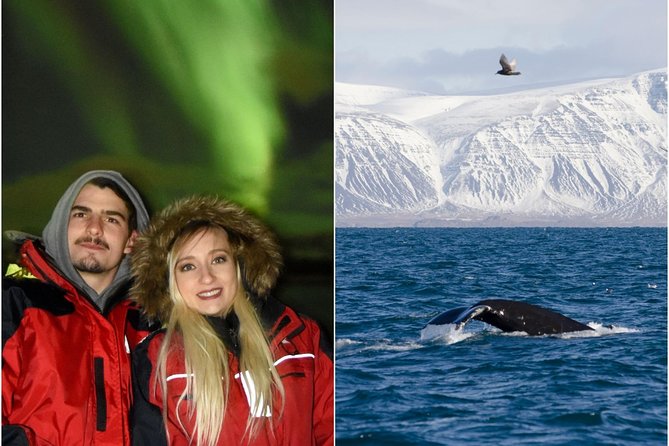
The afternoon is your wildlife focus. You’ll head out on a boat designed for real viewing—there’s an inside lounge to warm up and ample outdoor space for scanning the water. That matters because in Iceland winter, you don’t want to be stuck freezing through the whole search.
The live narration in English isn’t just filler. It gives you the “what you’re looking for” framing—how whales feed, where they might show up, and what local wildlife means. If you’re the type who likes meaning behind the moment, this format helps you connect the sighting to behavior, not just luck.
Warm gear is a big deal here. The tour provides warm coveralls and blankets, which is a practical time-saver. It also reduces the chances you’ll rush to buy the cheapest gloves you can find at the last minute.
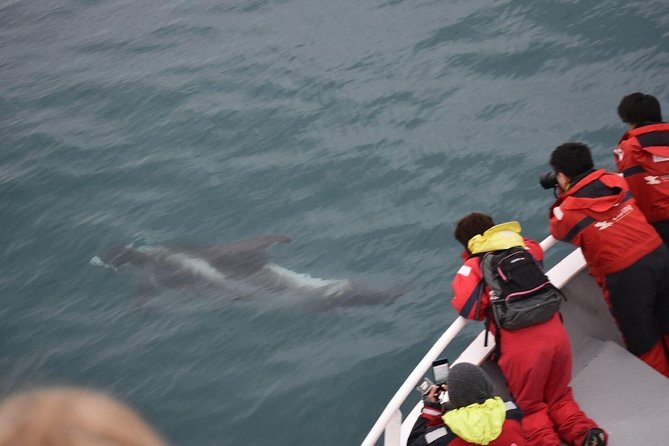
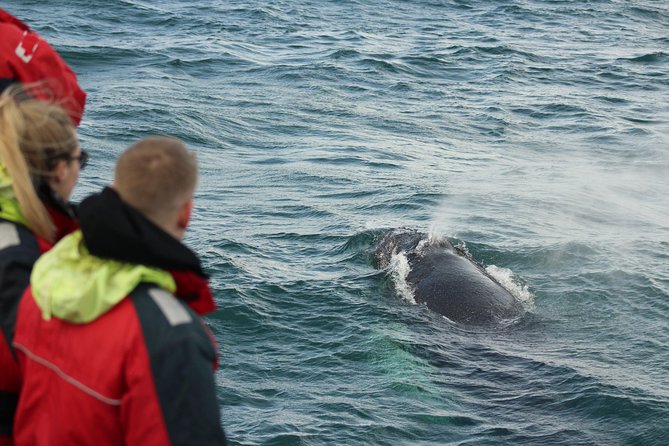
In terms of what you might see: humpbacks and minke whales show up on these trips, and there are even reports of close sightings near the harbor. Dolphins also appear sometimes, and that’s a nice backup when whales are harder that day.
The tour’s biggest selling point is the sighting guarantee. If whales aren’t spotted during your outing, you can try again free of charge. That turns whale watching from a gamble into a plan.
Northern lights from the water: what to expect on the 2-hour cruise
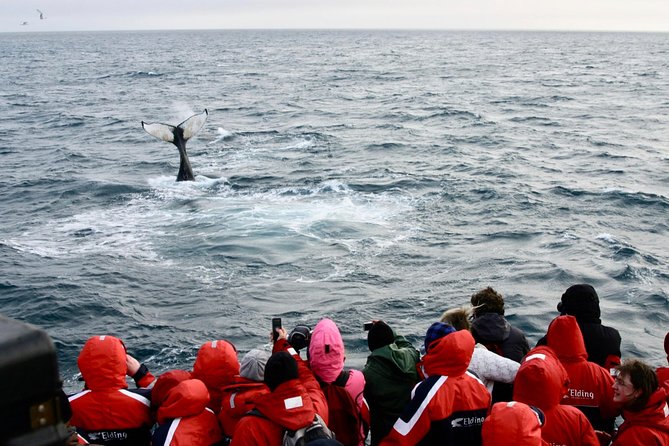
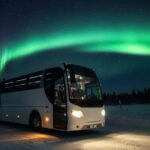
After the whale cruise, you shift gears from “find animals” to “find the sky.” The northern lights portion is a 2-hour cruise, and the guiding idea is simple: hunt for aurora on a boat rather than on land.
Why does that help? On shore, you fight buildings, glare, and wind right at street level. On the water, you’re working in open conditions with a more natural line of sight. Plus, you’re already on the right kind of boat for viewing: comfortable indoors when needed, with places to look outside when the lights might appear.
The onboard experience also blends aurora watching with local wildlife education. That’s useful because the night can be long. If the lights take a while to show, you still have something to pay attention to beyond just hoping.
One more practical point: aurora sightings aren’t guaranteed in the same way whales are, because the sky controls everything. But the operator’s approach in real life looks supportive. If the lights aren’t visible, you may receive a voucher or return opportunity for another attempt—so you’re not left with only disappointment.
Also note: the northern lights cruise can be rescheduled due to weather. On at least some trips, that turned out to be good news, not a problem.
Staying warm at sea: coveralls, blankets, and smart packing
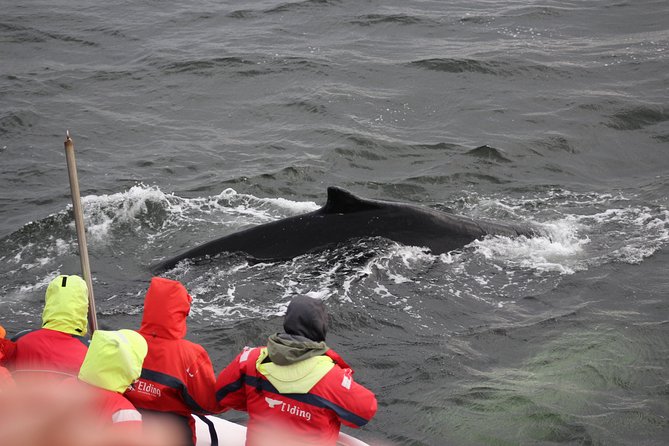
Winter in Iceland can be brutal. The tour helps you avoid the usual mistake—underpacking and then spending the rest of the trip miserable.
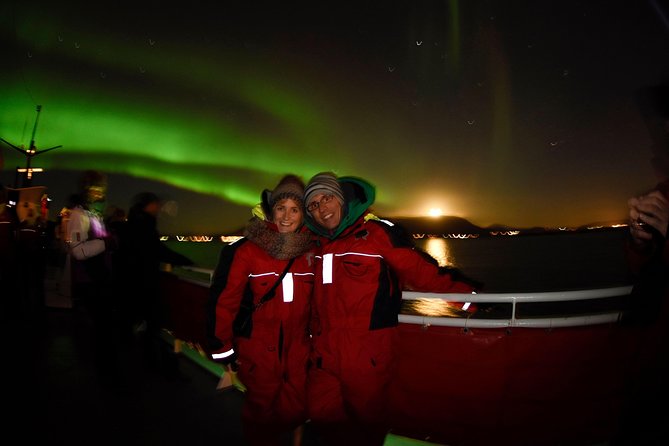
You’ll have warm overalls and blankets provided, which means your main job is dressing correctly underneath. Wear layers that breathe. If you pack bulky clothes, you’ll feel trapped and sweaty when you get inside the lounge. If you pack too light, the cold will creep in during outdoor watching.
A good approach is: base layer + warm mid-layer + waterproof outer layer only if you already own it. The provided coveralls handle most of the “outer” work, but your inner layers still decide whether you feel comfortable while waiting for the next sighting.
Don’t forget hats and gloves. Even with coveralls, wind and wet air can chill hands and head fast. And bring sunglasses if it’s clear—ice-bright winter light can be surprisingly intense.





Inside lounge comfort: the small details that make cold weather bearable
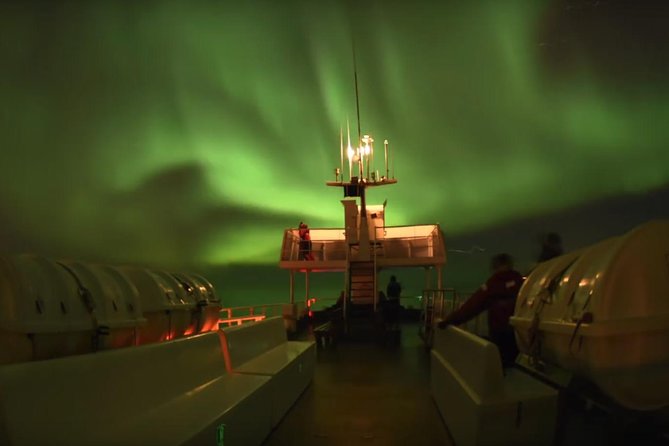
A standout detail from these cruises is the ship layout. There’s an inside lounge for warming up, and there’s enough outdoor viewing space so you’re not peering through tiny gaps.
That balance is the difference between enjoying the chase and counting minutes. You can step inside during rough patches, warm up, then return outside when conditions improve. It also helps if you’re traveling with someone who gets cold quickly.
The crew also takes an active role during the outing. People mention help from staff during the whale portion, which is what you want when you’re new to boat viewing—someone who can show you where to look and how to spot behavior on the water.
If the crew takes photos, that’s included as well, so you might leave with at least a couple of clear shots without needing to gamble on your camera settings in the cold.
What costs extra and what you can ignore
Food and drinks are not included. You can buy them onboard. That means you’ll want to plan for either snacks in advance or a cash/card plan for the ship’s purchases.
Pick up and drop-off are also not included by default. You can arrange that upgrade directly with the operator for a fee.
Everything else that matters for comfort and learning is covered: the two separate tours, wildlife exhibition access, English live commentary, warm coveralls and blankets, and the whale sighting guarantee approach.
If you’re budgeting, the big idea is that the price is really for the whole run: whale cruise + aurora cruise. That’s why the combo pricing works better than booking each trip separately.
Price and value: is $198 worth it
At $198 per person, this is not a cheap Reykjavik impulse buy. But for a whale-and-lights doubleheader, it can be good value—especially because you’re paying for two guided sea experiences plus included warm gear and commentary.
The reason the price can make sense is the structure:
- Two tours in one day means fewer transfers and less time hunting for the “right” tour slot.
- The whale sighting guarantee lowers your risk. You’re not simply paying to hope.
- The aurora cruise includes the boat advantage and education, so the experience isn’t just passive staring.
What tips the scale against it? If you’re traveling during a period where the sky is often clear, you might find cheaper aurora options. And if you’re only interested in one component—either whales or lights—this combo can feel like you’re buying “extra” you don’t care about.
For most people, though, the $198 price feels fair because it bundles the two things winter in Iceland is famous for, and it keeps you warm and guided.
Weather reality: what happens when the sky or sea won’t cooperate
Iceland weather is not polite. This tour requires good weather, and that affects whether and how everything runs.
The good news: if the experience is canceled due to poor weather, you should be offered a different date or a full refund. That’s the kind of Plan B you need when your only goal is seeing whales and aurora.
You also might hear about rescheduling. In at least one case, the northern lights portion shifted, and the later attempt delivered aurora after all. That tells me the operator is trying to protect your night, not just cancel and shrug.
One caution: if you’re juggling other bookings that evening, build in buffer time around the combo. If anything changes, you’ll want breathing room so you’re not stressed about being somewhere else on time.
Who this winter combo is best for
This tour fits a wide range of travelers because it’s guided, structured, and includes gear. It’s also capped at 150 people, which helps keep the experience manageable.
You’ll like it most if:
- You want the best use of limited winter daylight.
- You’re planning Reykjavik for a short stay and don’t want to gamble on multiple separate tour days.
- You care about getting context, not just photos.
- You’re comfortable with cold, or you trust the provided coveralls and blankets.
There are a few key rules to keep in mind. Service animals are allowed. And if you’re traveling with kids: children under 13 must wear life-vests for the duration of the tour by law.
If you get motion sick easily, this is something to consider since you’ll be on boats. The tour doesn’t state motion-sickness specifics, so pack what works for you and plan accordingly.
The value of the wildlife exhibition stop
One of the included perks that often gets overlooked: access to the Wildlife Exhibition.
It’s not “live whale watching” but it can make the rest of the day more rewarding. When you’ve seen a bit of the background, you notice more on the water—what behavior might mean, what the animals are doing, and why certain sightings feel more exciting than others.
It’s also a good way to reset your expectations. If the ocean decides to be quiet for a while, the exhibition helps you stay in a learning mode rather than just scanning helplessly.
Should you book this winter whale and northern lights cruise combo?
I’d book it if you want two major winter Iceland experiences in one outing and you like the idea of reducing risk with a whale sighting guarantee. The combination format is practical: warm gear, indoor-outdoor viewing, English commentary, and a clear day plan.
I’d think twice if:
- You only care about one half of the experience.
- You have a tight schedule that can’t handle rescheduling for weather.
- You hate cold and don’t want to rely on provided coveralls.
If you’re deciding, go with your priorities: if whales and aurora are both on your list, this combo is a strong bet.
And if the sky doesn’t deliver, the support shown by the operator—free return options for whales and return vouchers when aurora fails—means you’re not starting from zero. You’re starting from a plan.
FAQ
How long is the Winter Whale Watching and Northern Lights Cruise?
The experience runs about 5 hours total: roughly 3 hours for whale watching and about 2 hours for the northern lights cruise.
Where does the tour start and end?
You start at Elding Whale Watching, Ægisgarður 5c, 101 Reykjavík, Iceland. The activity ends back at the same meeting point.
Is whale viewing guaranteed?
Yes. The tour includes a sighting guarantee—if you don’t see whales, you can try again for free.
What happens if you don’t see the northern lights?
The tour promotes a come-again-free approach for sightings, and the information provided indicates you may receive a voucher/return opportunity if the aurora isn’t seen.
What’s included in the price?
Included are two separate tours (whale watching and northern lights cruise), wildlife exhibition access, English live commentary, warm overalls and blankets, and crew-taken pictures if any.
Is food included?
No. Food and drinks are available for purchase onboard.
Do children need life-vests?
Yes. Children under 13 are required by law to wear life-vests for the duration of the tour.