REVIEW · ABISKO
Abisko: Guided Autumn Aurora Chase with Hotel Transfers
Book on GetYourGuide →Operated by Lights Over Lapland · Bookable on GetYourGuide
Aurora hunting feels like living on a timer. This guided chase around Abisko National Park uses local know-how to get you to the best sky conditions, not just the closest dark spot. It’s a short outing, but it’s built for the real drama of autumn nights.
What I especially like is how smoothly hotel pickup and drop-off handle the logistics. I also like the way the guides keep you moving with a plan, with names like Felix and Sara repeatedly highlighted for staying upbeat while they try location after location when the weather shifts.
One possible drawback: this is a nature experience. If the sky stays cloudy, your best-view moment might come late, and you’ll still be outside in cold air while the team searches.
In This Review
- Key takeaways before you go
- Aurora chasing around Abisko National Park in autumn
- Hotel transfers in Abisko: six pickup points, one easy start
- The up-to-90-km game plan: chasing the clearest sky
- Where you might see the aurora: Lake Torneträsk, mountains, and fjordlike night views
- Lake Torneträsk shoreline and bays
- Björkliden mountain lookouts
- Bear Mountain near the Sweden–Norway border
- A remote fishing village by the Torne River mouth
- Learning as you hunt: aurora basics plus Abisko National Park context
- The hot drink and warm-up moments you’ll appreciate
- Photo tips that won’t slow you down
- Cold-weather reality: what to wear and what’s available to rent
- Price and value: is $121 for 3.5 hours fair?
- What to know before you book
- Should you book this Abisko guided autumn aurora chase?
- FAQ
- FAQ
- How long is the aurora chase?
- Do I get hotel pickup and drop-off?
- How far will we travel during the tour?
- Is the tour guide available in English?
- Is a hot drink included?
- Are warm overalls and Arctic boots included?
- Does the tour include camera gear?
- Will the guide help with taking aurora photos?
- What should I wear?
- Is this suitable for small children?
Key takeaways before you go
- Hotel transfers that remove the hardest part of aurora logistics in Swedish Lapland
- Up to 90 km of weather chasing so you can hunt openings in cloud cover
- Warm drink during the hunt, with some nights including tipi-style warmth by the fire
- Photo help that’s practical, with basic camera pointers plus on-the-ground guidance
- Multiple likely viewing zones, from Lake Torneträsk to mountain lookouts and the Torne River area
Aurora chasing around Abisko National Park in autumn
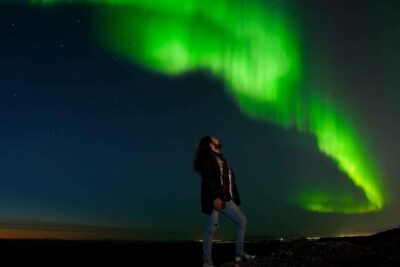
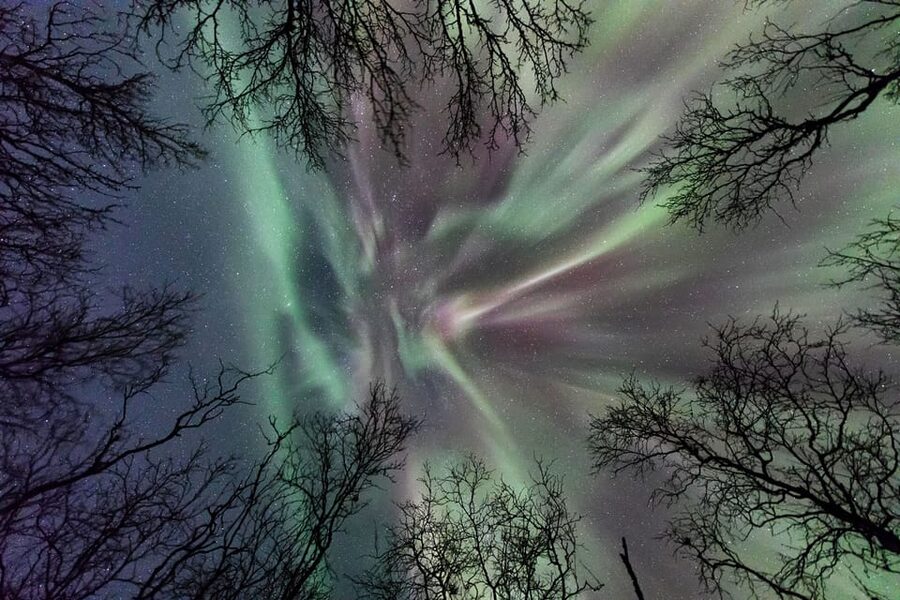
Abisko is one of those places you visit specifically for the northern lights. In autumn, you get longer nights without the extreme midwinter cold pinch being quite as brutal as later seasons. The core idea of this experience is simple: the aurora is not guaranteed, so you concentrate your chances by going where conditions look better.
You’ll spend about 3.5 hours in the system: pickup, driving, a guided look-and-learn session, then time at one or more aurora-viewing points. The tour is designed around the reality that aurora spotting is mostly weather management. One hour can look promising, then clouds roll in. The team’s whole job is to react quickly.
The best part is that you’re not doing this alone. A guide is making decisions using a mix of aurora forecasts and local weather experience. Even when the sky plays hard to get, the guides tend to keep the evening active instead of letting it turn into a long, cold wait.
You can also read our reviews of more tours and experiences in Abisko.
Hotel transfers in Abisko: six pickup points, one easy start
In Abisko, your evening should start warm and simple. This tour picks you up from multiple hotel and lodging locations, including Abisko Mountain Lodge, Abisko Hostel, Hotell Fjället, Abisko Guesthouse, STF Abisko Turiststation, and Abisko Fjällturer AB. After the chase, you’ll also return to one of the same drop-off points.
That matters more than it sounds. If you’re unfamiliar with the area or you don’t want to drive at night in winter conditions, transfers are a big part of the value. You get to focus on the sky.
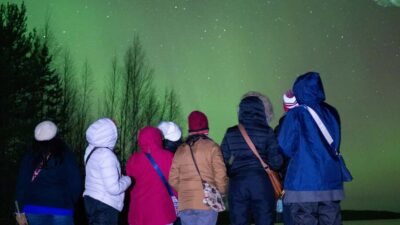
There’s also a real comfort factor: you wait for pickup in the lobby, then you’re whisked off in a bus or van. In peak season, the vehicle can have up to 30 seats, so expect a group experience rather than a private one.
The up-to-90-km game plan: chasing the clearest sky
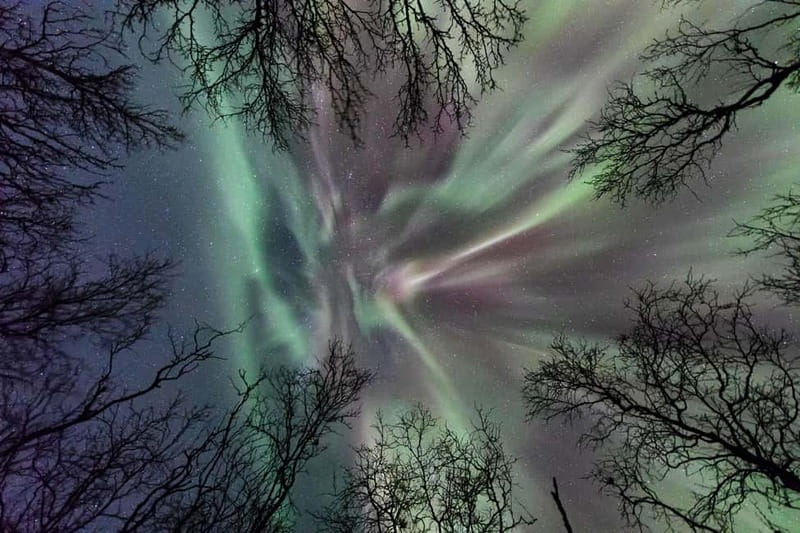
The tour can drive up to 90 km from Abisko to find better viewing conditions. That’s the heart of why guided chasing usually beats DIY. You’re not just choosing a single spot and hoping. You’re giving yourself multiple chances by letting the guide reposition when the sky changes.
This also explains the pacing. You’ll typically stop for photo breaks and short guided moments, then move again if the team thinks the odds improve elsewhere. On cloudy nights, guides often spend extra time waiting for cloud breaks. Several guide descriptions highlight patience and flexibility, including situations where the lights appeared only after shifting locations.
A practical note: your guide’s aurora photography help is described as basic. That doesn’t mean you’re left on your own. It means you’ll get helpful pointers, but you should still plan to bring your own camera approach. If you’re trying to shoot aurora, practice settings at home when possible, and be ready for quick adjustments once you arrive.
Where you might see the aurora: Lake Torneträsk, mountains, and fjordlike night views
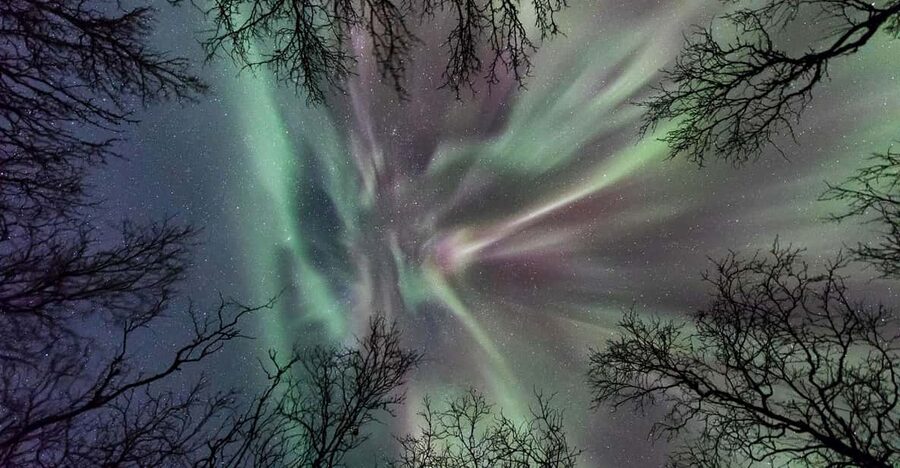
The evening is built around a set of potential viewing areas. You won’t be locked into one location, which is exactly what you want when autumn weather can flip quickly.
Here are the types of stops you might get:
Lake Torneträsk shoreline and bays
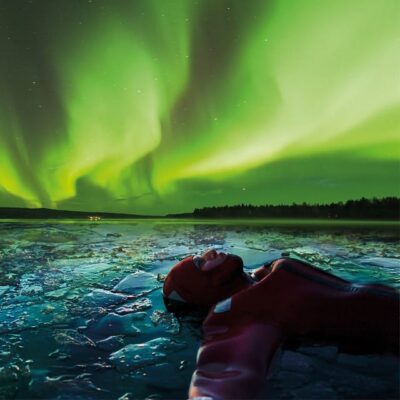
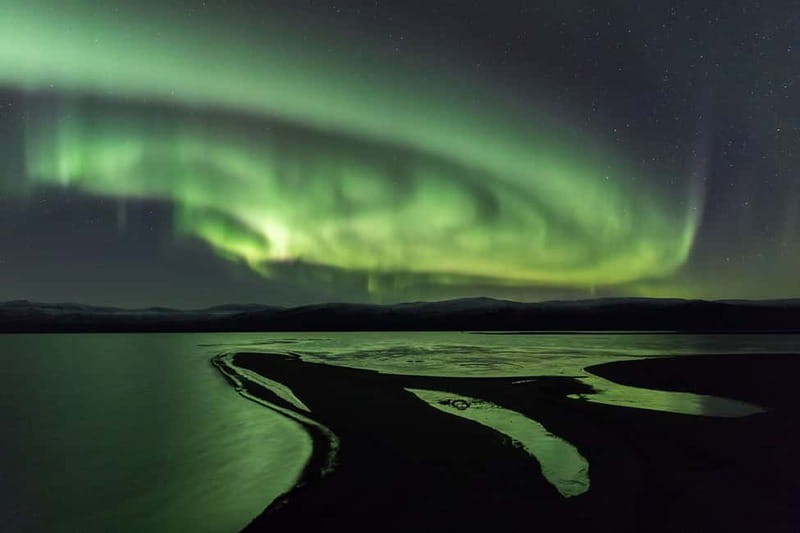
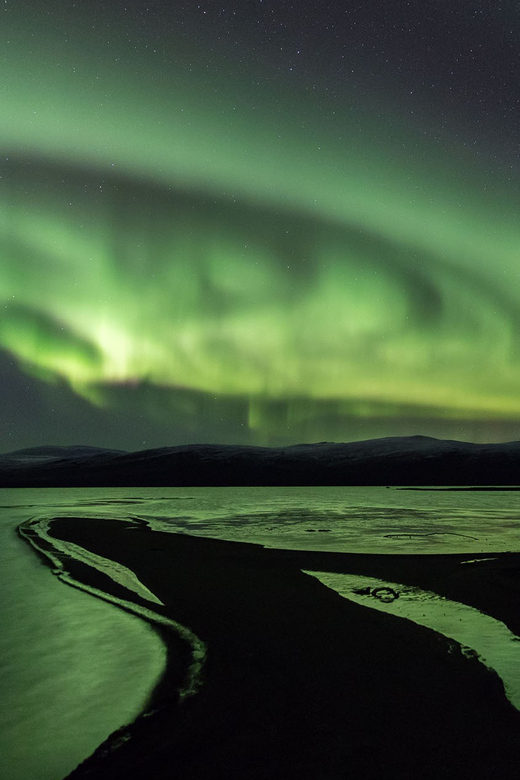
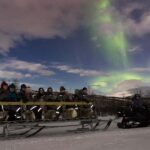
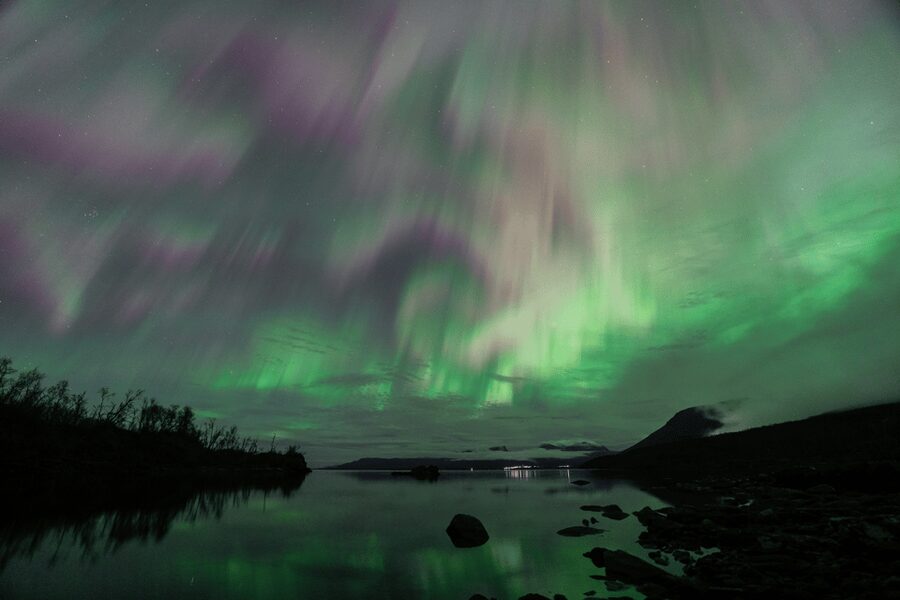
Lake Torneträsk is a favorite for a reason: it gives you wide, open sightlines. If you’re lucky, you’ll also see reflections when the aurora appears over the water. Some nights aim for the scenic shoreline of the lake, and other nights go for a calmer bay toward the northwest end, depending on where the sky looks clearer.
Even if the aurora is faint, water can make the whole scene feel bigger. The guide’s job here is positioning, meaning they’ll help you orient toward the direction of best activity and keep you in an area with decent viewing angles.
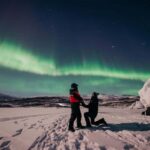
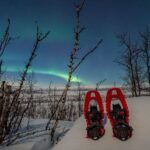
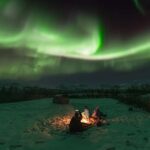
Björkliden mountain lookouts
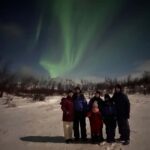
If the aurora activity lines up well, mountain-area viewpoints around Björkliden can offer a dramatic sky. Mountains can help with composition because your horizon becomes more defined, but they can also mean you’re dealing with cold winds. That’s why a guided, weather-aware approach helps. The guide can decide whether conditions at a mountain spot are worth the effort that evening.
Bear Mountain near the Sweden–Norway border
Another possible stop is the top of Bear Mountain near the border of Sweden and Norway. In aurora country, border regions can feel especially “event-like” because you’re in a high-visibility area. The guide will choose it when the night’s cloud gaps and aurora forecast line up.
A remote fishing village by the Torne River mouth
On some nights, the plan may shift to a remote fishing village near where the Torne River flows out of Lake Torneträsk. Remote areas can help by reducing light interference. The tradeoff is that you’ll want to dress like you mean it, because you’ll be outside waiting for the sky to perform.
What I like about this variety is that it prevents the tour from feeling repetitive. You’re not just driving to one spot and standing around for 90 minutes. You’re moving through different types of terrain and viewpoints until the sky cooperates.
Learning as you hunt: aurora basics plus Abisko National Park context
This tour is not only about staring up. Along the way, you’ll get a guided explanation of aurora borealis and also some context about Abisko National Park. That kind of framing changes how you watch.
Instead of seeing the lights as random blinking, you start noticing patterns. You may also learn what to look for when the aurora is active but faint, when it’s starting to intensify, and how to avoid common viewing mistakes like turning away too soon.
If you’re a first-timer, this is a comfortable way to learn. You’re not forced into technical lectures. The guide’s explanations are geared toward helping you enjoy the moment and understand what you’re seeing in a way that sticks.
The hot drink and warm-up moments you’ll appreciate
This tour includes a hot drink at the viewing location. That’s not a small detail. In aurora season, you don’t just need “warm enough.” You need to be able to stay focused while your fingers and toes remain functional.
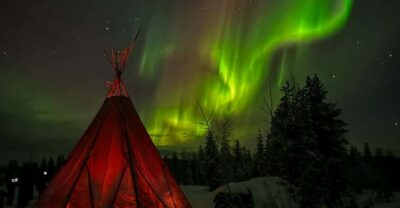
Some guide accounts mention warm-ups that go beyond the drink alone, including getting inside a tipi with a fire. Others describe a cozy stop with a fireplace feel during the coldest periods. Whether your night includes extra shelter moments or it’s mainly standing and waiting, the hot drink acts like a reset button between spotting bursts.
One specific treat that shows up in accounts is lingonberry juice, sometimes paired with gingerbread cookies. It’s a very Scandinavian comfort pairing: sweet and warm against the cold, and it gives the evening a “we made it through winter night” vibe.
Photo tips that won’t slow you down
If you bring a camera, you’ll get some guidance. The guide support is described as very basic in photography understanding, but in practice that often translates to clear, practical help: simple setup pointers, advice on staying patient, and encouragement that helps you keep your settings from falling apart in the cold.
Several guides are singled out for hands-on assistance with camera settings. The repeated theme is that they focus on helping you get ready before the moment hits, not after. That’s when aurora chasing becomes frustrating for people: they set up too late, fumble in the dark, and miss the first flare-up.
The other key photo lesson is timing. Aurora waves can build, fade, then return. You’ll want to be ready for repeats. A good guide helps you keep your head up, not just your viewfinder.
Cold-weather reality: what to wear and what’s available to rent
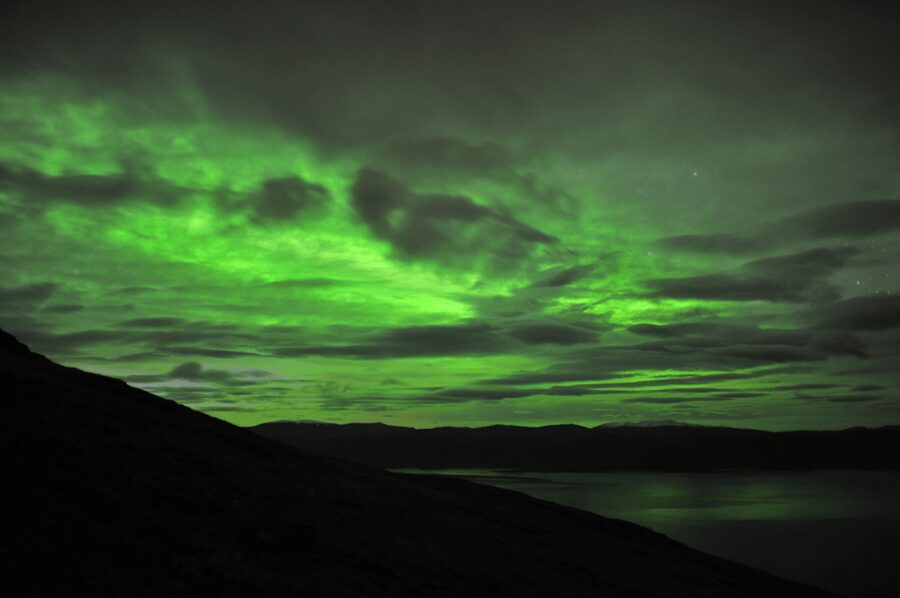
You’ll want to treat this like proper winter time outdoors. The tour explicitly asks you to wear warm clothing and warm insulated winter boots. If you don’t have winter gear, warm overalls and Arctic boots are available to rent for an extra charge.
Here’s the practical approach I recommend:
- Wear layered clothing you can move in, not just a single heavy coat.
- Bring gloves you can actually operate with. You’ll need them for your camera and for handling your phone in cold air.
- Use insulated boots or rented Arctic boots. A warm upper body isn’t enough if your feet go numb.
Also remember: the tour doesn’t include warm overalls and Arctic boots automatically. So don’t pack a “city winter” outfit and hope for the best.
Price and value: is $121 for 3.5 hours fair?
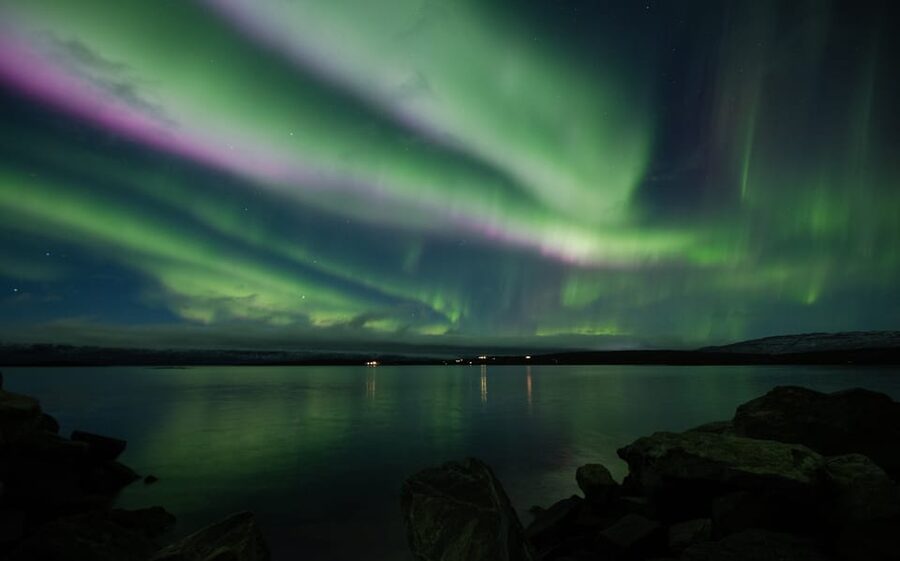
At about $121 per person for a 3.5-hour guided chase, you’re paying for three things: coordination, transportation, and increased probability through chasing.
You get hotel pickup and drop-off from multiple locations, plus bus or van transport that can cover a lot of distance. That alone is a value argument because winter driving and night navigation aren’t things you want to DIY in Abisko’s dark season.
You also get a guide who makes real-time decisions and helps you understand what you’re seeing. When weather ruins a single plan, the guide’s job is to re-plan fast. A short tour that stays active beats a long, static wait.
The hot drink is included, and that small comfort makes the cold feel more manageable. Add in the possibility of being positioned for reflections on Lake Torneträsk or a sheltered fire moment, and it’s a lot of “winter experience” in a fairly compact time window.
If you’re already planning to stay near Abisko and you want the best shot at aurora spotting without sorting out driving, this is priced like a sensible add-on, not a luxury splurge.
What to know before you book
A few details matter for comfort and expectations.
- This tour is live-guided in English.
- Children under 5 are not suitable.
- You’ll be outside in winter conditions, so bring real cold-weather gear.
- Your guide can help with photo tips, but photography help is described as basic.
- The night’s outcome depends on the sky. Even when aurora appears late, the tour is structured to keep searching.
If your priority is pure certainty, nothing in aurora land can promise it. If your priority is maximizing your chances with guidance and smart repositioning, this tour fits.
Should you book this Abisko guided autumn aurora chase?
Book it if you want:
- Hotel pickup and drop-off, so you can avoid night driving stress
- A plan that accounts for weather changes, with repositioning up to 90 km
- A guided aurora outing that includes a warm drink and practical understanding of what you’re seeing
Skip it (or at least rethink it) if:
- You don’t want to spend time outdoors in cold air while you wait for cloud breaks
- You expect the guide to be a full-time professional photography instructor
If you’re in Abisko for autumn northern lights and you want a focused, efficient evening, this kind of guided chase is often the difference between a frustrating night and a story you keep telling.
FAQ
FAQ
How long is the aurora chase?
The tour runs for about 3.5 hours.
Do I get hotel pickup and drop-off?
Yes. Pickup and drop-off are included, with multiple lodging options around Abisko.
How far will we travel during the tour?
You may travel up to 90 km (55 mi) to locations chosen for aurora viewing conditions.
Is the tour guide available in English?
Yes. The live tour guide speaks English.
Is a hot drink included?
Yes. You’ll be provided a hot drink during the experience.
Are warm overalls and Arctic boots included?
No, not included. Warm overalls and Arctic boots are available to rent for an extra charge.
Does the tour include camera gear?
No. Camera gear is not included.
Will the guide help with taking aurora photos?
You’ll get some aurora photography pointers, described as basic.
What should I wear?
Wear warm clothing and warm insulated winter boots.
Is this suitable for small children?
No. It is not suitable for children under 5 years old.