REVIEW · ABISKO
Abisko: Guided Aurora Chase with Hotel Transfers
Book on GetYourGuide →Operated by Lights Over Lapland · Bookable on GetYourGuide
Northern lights in Abisko feel like a game of weather chess. This tour is built around that idea: a guide uses local conditions and aurora forecasts, then chases gaps in the sky up to a roundtrip distance of 100 km.
What I especially like is the mix of practical logistics and comfort. You get hotel pickup and drop-off, a warm drink, and stops that can include lakes or rivers where the lights may reflect in polished winter ice. The main thing to consider is that you’re still at the mercy of clouds and moonlight, so this is a smart-chasing night, not a guaranteed lights show.
You’ll start from Abisko-area hotels (not Kiruna) around 8:00–8:30 PM, and you’ll spend about 210 minutes on the move and at stops, trying for clear sky. Recent guides such as Joey and Romy are known for staying upbeat and helping people with photos, even when the forecast looks rough.
In This Review
- Key moments that make this tour worth your time
- Why Abisko’s “Blue Hole” Effect Matters for Aurora Nights
- Hotel Transfers and Pickup Timing From Abisko (No Kiruna Stops)
- How the Guide Chooses Stops: Forecasts, Weather, and Up to 100 km
- Your Evening Flow: Scenic Drive, Photo Stops, and Fire-Warmed Breaks
- Aurora Photography Help: What’s Included and What to Bring
- What You Learn While You Chase: Auroras and Abisko National Park
- Price and Value: Is $109 Good for a 210-Minute Aurora Chase?
- Who This Tour Fits Best (And Who Might Want a Different Plan)
- Should You Book This Abisko Aurora Chase With Transfers?
- FAQ
- How long is the tour?
- What’s included in the price?
- What time are pickups?
- Is there pickup from Kiruna?
- What should I bring?
- Is this tour suitable for kids?
Key moments that make this tour worth your time
- Up to 100 km roundtrip in search of clearer sky, not just one fixed viewpoint
- Hotel transfers from Abisko-area pickup points, with convenient drop-offs afterward
- Fewer regrets on photo day because your guide helps with camera setup and group photos
- Warm drink and a fire stop, including treats like lingonberry juice and cookies
- Abisko’s frequent clear-sky opportunities, since the area can offer sky breaks when elsewhere is blocked
Why Abisko’s “Blue Hole” Effect Matters for Aurora Nights
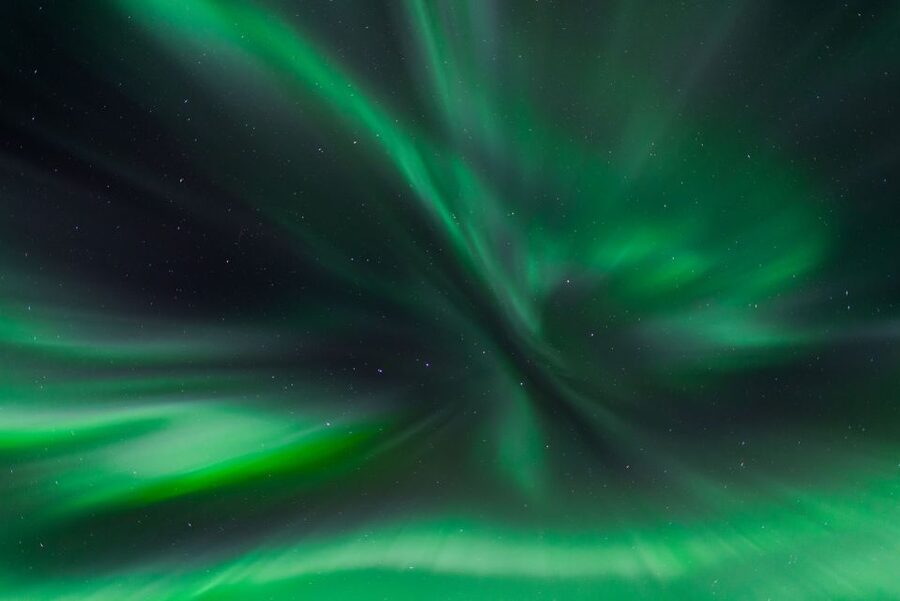
Abisko has a reputation for clearer sky than many nearby spots, and this tour leans hard into that. The guide’s approach is simple and effective: rather than hoping the sky clears where you happen to be, you use the local advantage to hunt for openings.
I like that the tour is designed around what makes aurora nights succeed in real life: clouds. Even with a good forecast, the sky can be wall-to-wall grey in one direction and open to the north somewhere else. Multiple stops help, but the real difference is that the guide makes decisions with live conditions and forecast info, aiming for a view that’s actually usable.
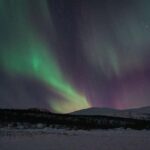
One review highlighted the Abisko “blue hole” effect, with the sky turning clearer in the right moment. That’s the kind of detail you can feel thankful for during a winter night when you don’t want to spend hours staring at the same cloud sheet.
Practical takeaway for you: go in with flexible expectations. You’re paying for a system that improves your odds, not for a promise.
You can also read our reviews of more tours and experiences in Abisko.
Hotel Transfers and Pickup Timing From Abisko (No Kiruna Stops)
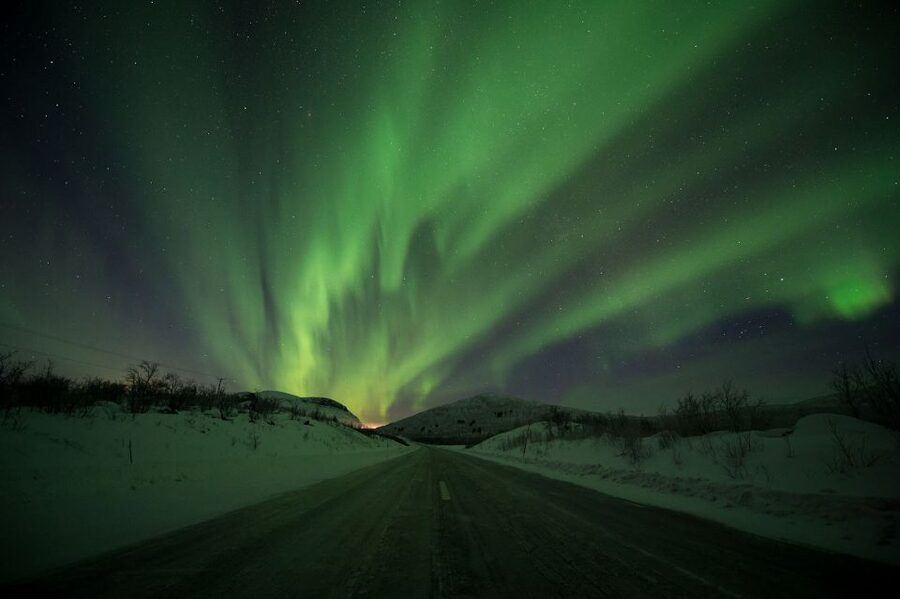
This tour is set up for people who want the easy route: you don’t have to rent a car, arrange a taxi, or study the road conditions in the dark.
Pickup is offered from several Abisko-area locations, with slightly different timing depending on where you stay. For example:
- Björkliden / Hotel Fjället or Kåppas Cabin: 8:00 PM
- STF Abisko Turiststation: 8:15 PM
- Abisko Guesthouse, Abisko Fjällturer (Abisko.net), Abisko Mountain Lodge: around 8:15–8:30 PM
That matters because aurora hunting is time-sensitive. Lights can appear early or late, and the tour’s start window helps you get out when the sky is most likely to cooperate.
Also important: there is no pickup from Kiruna. If you’re basing yourself in Kiruna, you’ll need a different plan to reach Abisko.
Practical takeaway for you: be ready before pickup. In winter, a few minutes of delay can mean fewer chances to try different sky conditions.
How the Guide Chooses Stops: Forecasts, Weather, and Up to 100 km
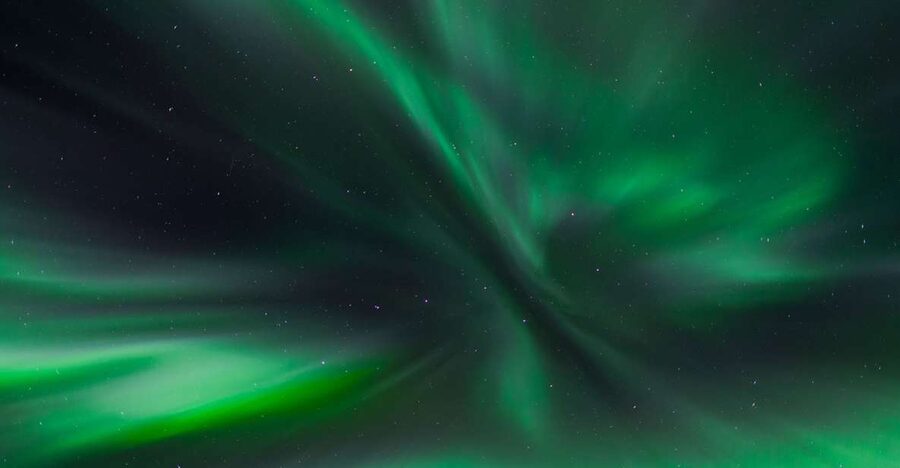
After collecting everyone, your guide uses the group’s experience and local forecasting to choose where to go. The tour is designed to use motion as a tool. Instead of waiting, you can travel up to 100 km roundtrip to reach locations with a strong record and a higher chance of clearer aurora activity.
This is the big “value engine” of the experience: the guide’s job is to turn information into decisions. You’ll also hear explanations during the night—about auroras and about the history of Abisko National Park—so the chase doesn’t feel like random driving.
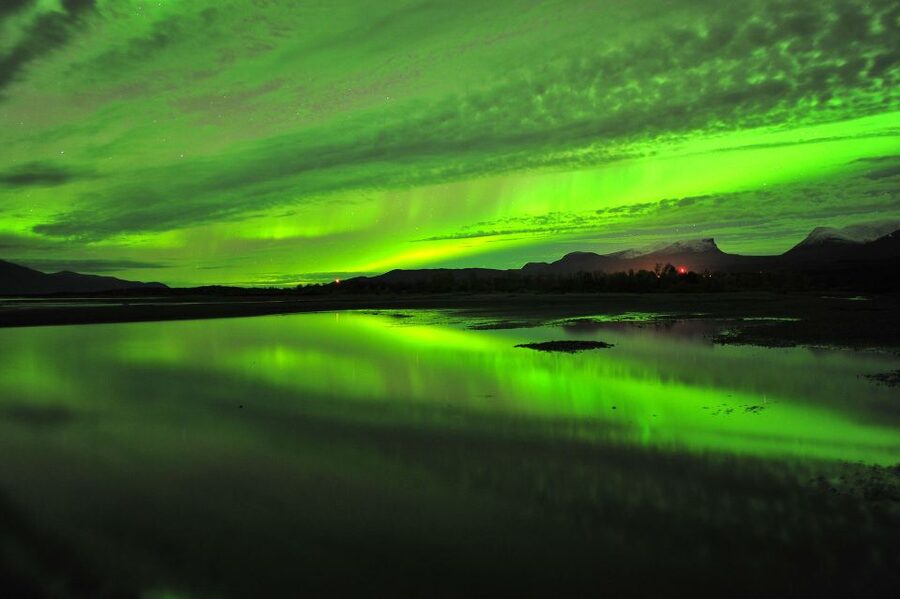
Where it gets especially interesting is the range of viewpoints. The tour description notes that many stops are near lakes and rivers. That’s not just a pretty detail. In winter, those water surfaces and the surrounding ice can create reflection. When auroras are strong, a reflection can add depth and make the lights feel even closer.
What to watch for: sometimes the first stops are present-but-not-impressive. A few guide-led nights include moments where the lights were there but not bright, and then a later location delivered a clearer show. That’s exactly why the tour moves.
Practical takeaway for you: if your goal is photos, don’t pack up early. The best light might be at stop number three.
Your Evening Flow: Scenic Drive, Photo Stops, and Fire-Warmed Breaks
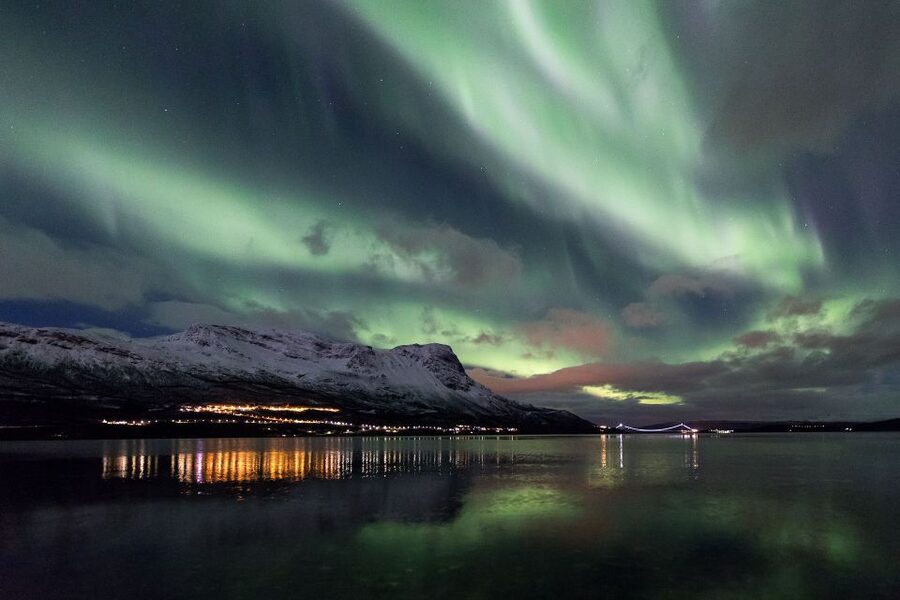
The night is built like a sequence: transit, lookout time, then more searching if needed. You’ll get a photo stop and sightseeing on the way through Abisko, with scenic views from the bus.
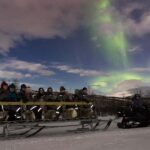
The bus part is more than comfort. In real aurora chasing, you want to stay warm between stops so you can stay alert, not just endure it. Several people mention the bus staying warm and the driving feeling smooth.
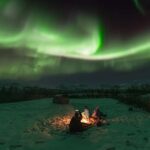
Then comes the part that adds warmth and atmosphere: a hot drink stop and often a fire. In multiple accounts, this has included treats such as lingonberry juice, crackers, and cookies. One person described a setup by fire right where they could still enjoy the night sky without rushing every time the clouds shifted.
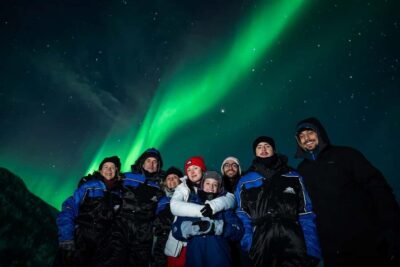
A lot of people also mention the group-photo rhythm:
- your guide finds a spot,
- helps you get into position,
- and keeps things moving without turning it into a chaotic stampede.
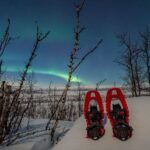
There can be a downside. On one night, a stop involved a longer walk in darkness and a participant wished for head torches because it was hard to keep track in the cold. The tour doesn’t list head torches as included, so if you have one, bring it.
Practical takeaway for you: pack for darkness and short walks, not just for standing still.
Aurora Photography Help: What’s Included and What to Bring
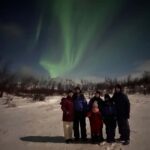
Here’s where this tour is unusually practical for photographers. Camera equipment isn’t included, but your guide may help with camera setup and takes group photos for the group. In multiple accounts, guides like Joey are described as photographers who help many people get better results than they could manage alone in the cold.
That’s huge, because aurora photography is mostly about timing and stability. You also need to be able to see what you’re doing. Even if your photos aren’t perfect, having someone guide your setup can prevent the most common mistake: missing the moment because you’re fumbling with the camera.
Another nice detail: some accounts mention photos being shared afterward online. That means you don’t have to rely only on what you capture yourself in the dark.
Also note the reality check: moonlight can affect how dramatic the aurora looks. One person mentioned catching aurora even with a full moon, but likely in a subtler way. Cloud cover can do the same thing—lights might be visible but not super strong to the eye.
Practical takeaway for you: bring a camera if you want it, dress for cold handling, and listen when the guide explains positioning. If the aurora gets active, you want to be ready in seconds.
What You Learn While You Chase: Auroras and Abisko National Park
This isn’t only a photo mission. The guide also talks during the evening about auroras and about the history of Abisko National Park. That matters because it turns the night from a checklist into something you understand.
You’ll also get guide commentary about what they’re watching for—like where the sky might open up or how to react when clouds move fast. When the guide is enthusiastic, the whole group settles into the pace of the hunt instead of getting nervous or frustrated.
In several accounts, guides named Joey, Romy, and others were praised for keeping energy high while searching for clear sky. Drivers were also praised for getting everyone safely back, and one person even noted a moose sighting on the return drive.
Practical takeaway for you: ask questions if you have them. This is the kind of tour where a simple question can make the next stop more rewarding.
Price and Value: Is $109 Good for a 210-Minute Aurora Chase?
At about $109 per person for 210 minutes, this tour costs less than you’d expect if you had to recreate the logistics yourself.
You’re paying for:
- a professional English-speaking guide
- transportation
- pickup and drop-off from the Abisko-area hotels listed
- a hot drink
And that’s the core of the value. Aurora nights don’t just need a viewpoint. They need driving, decision-making, timing, and staying warm while conditions change.
What you still cover yourself:
- warm clothing
- your own camera equipment (if you want to shoot)
If you already have winter gear and you’re not planning to rent a car, the cost can feel fair because you’re outsourcing the hard parts: navigation, spot selection, and weather-based chasing.
Practical takeaway for you: this is strong value if you want the easy route and care about your chances. If you’re comfortable driving in winter and don’t want guidance, you might compare alternatives—but this tour is built for people who want fewer problems and more chances.
Who This Tour Fits Best (And Who Might Want a Different Plan)
This is a great match for:
- first-time aurora seekers who want a real plan and help
- people staying at Abisko hotels who want a straightforward evening out
- photographers who want guidance and group photos
- anyone who prefers a warm bus and a structured night over DIY chasing
It isn’t a match for:
- children under 5 (explicitly not suitable)
- people who hate cold and dark walking segments, especially if you’re sensitive to winter conditions
There’s also a group-size reality to keep in mind. A couple comments mention that on a longer stop, someone got left behind and it would have helped to have head torches. That doesn’t mean it’s unsafe—it means you should follow the guide and keep close during any walks.
Practical takeaway for you: stay with the group at stop points. In winter darkness, distance can grow fast.
Should You Book This Abisko Aurora Chase With Transfers?
If your priority is improving odds without dealing with winter driving, I’d book this. The tour’s whole design is about changing locations based on actual conditions, up to 100 km roundtrip, and then pairing that with comfort (warm drinks, bus warmth, fire breaks) and real help (photo assistance and group photos).
I would not book it if you’re expecting a guaranteed show no matter the weather. The northern lights are still a natural event, and clouds can win. But you’re not being asked to gamble blindly. You’re paying for a system that’s built to respond when the sky changes.
If you’re traveling during a season with lots of uncertainty in forecast quality, this is exactly the kind of tour that reduces your stress and increases your chance of a strong night.
FAQ
How long is the tour?
The duration is 210 minutes (about three and a half hours).
What’s included in the price?
The tour includes a guide, transportation, pickup and drop-off, and a hot drink.
What time are pickups?
Pickup times vary by location, with common starts around 8:00 PM to 8:15–8:30 PM depending on where you’re picked up.
Is there pickup from Kiruna?
No. There is no pickup from Kiruna.
What should I bring?
Bring warm clothing. Camera equipment is not included.
Is this tour suitable for kids?
It is not suitable for children under 5 years old.
If you want, tell me where you’re staying in Abisko (or your pickup hotel name), and I’ll help you figure out whether the pickup timing and the night’s walking parts sound comfortable for you.