REVIEW · SWEDEN
Autumn Abisko Aurora Chase
Book on Viator →Operated by Lights Over Lapland · Bookable on Viator
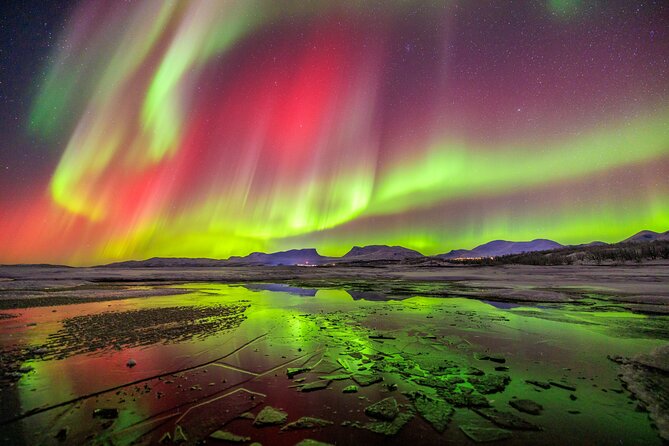
If you want the best odds for auroras, Abisko is the move. This Autumn Abisko Aurora Chase sends you out on a 4-hour bus hunt, aiming for dark skies where the chances improve. I like that it includes a warm drink for the waiting game, and I also like the focus on actually finding the sky show rather than just stopping in one spot and hoping.
The potential downside is simple: you’re on the move. Depending on conditions, you may do quick relocations rather than staying put for a long, slow stare at one view.
In This Review
- Key Points That Matter Before You Go
- Where This Aurora Chase Starts (STF Abisko Turiststation at 8:00 pm)
- The 4-Hour Bus Search: How the Tour Feels in Real Life
- Chasing Clear Skies: Up to 100 km Roundtrip Makes Sense
- The Photo and Physics Part: Guides Like Joey Tristan
- What You Actually Do Outside (Warm Drink, Fires, and Waiting)
- What’s Included vs. What You Need to Bring
- Group Size and Pacing: Small Max Group, Big Opportunity
- Autumn in Abisko: Why the Timing Works
- Value Check: Why This Tour Feels Worth It
- Should You Book Autumn Abisko Aurora Chase?
- FAQ
- What time does the tour start in Abisko?
- Where is the meeting point?
- Do you get hotel pickup?
- How long is the aurora search?
- How far will you travel during the hunt?
- What’s included in the price?
- What should I bring?
- Is the tour offered in English?
- What happens if the weather is poor?
- What is the group size?
Key Points That Matter Before You Go
- Hotel pickup in Abisko and Björkliden saves you the hassle of sorting transport on an icy schedule.
- Up to 100 km roundtrip by bus gives the guide flexibility to chase clearer skies.
- 4 hours of aurora searching keeps the hunt going long enough to matter.
- Warm drink included takes the edge off while you wait for the lights.
- Small max group size (8 travelers) helps the guide manage the night.
- Guides help with aurora spotting and photos (many guests specifically praise guides like Joey Tristan, plus Felix, Gavin, and Romy in other nights).
Where This Aurora Chase Starts (STF Abisko Turiststation at 8:00 pm)
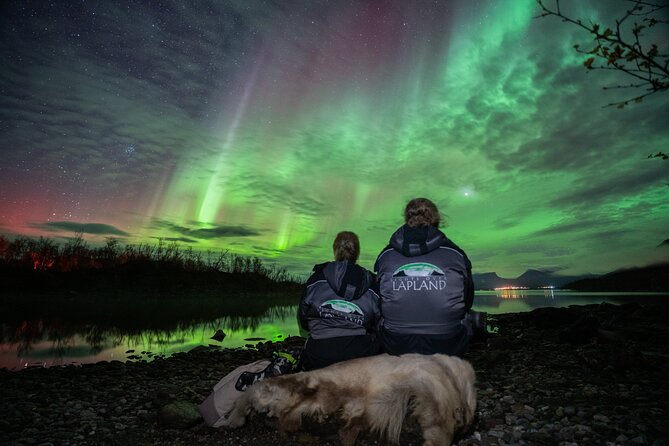
Your night begins at STF Abisko Turiststation in Abisko. The scheduled start time is 8:00 pm, and the tour returns back to the same meeting point when the search is done. That round-trip structure matters: you don’t need to plan the final leg after you’re chilled and sleepy.
If you’re staying in the area, the tour offers pickup from hotels. If you’re in Björkliden, be ready by 7:30 pm. If you’re in Abisko village, be ready in your lobby by 7:45 pm. Your guide meets you somewhere between 7:45 pm and 8:00 pm, so don’t show up right at 8 and assume everything will wait for you.
You can also read our reviews of more tours and experiences in Sweden.
The 4-Hour Bus Search: How the Tour Feels in Real Life
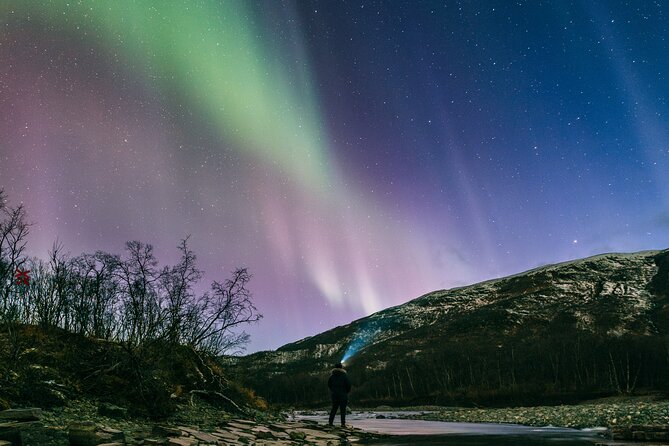
This is a bus-based aurora chase, built around time on the move and time spent scanning the sky. You’ll spend about 4 hours searching for northern lights, and the whole point is to improve your odds by changing your position when the sky isn’t cooperating.
One thing I really like about this style is that the bus is practical. If conditions turn windy or bitter, you’re not trapped outdoors with no option. Several guests noted the bus can stay close by for quick warmth breaks, which is exactly what you want in Abisko in the autumn cold: get your bearings, watch for the lights, then warm up when needed.
Another detail to watch for: since it’s a bus group, the group can feel a touch larger than tiny “two people + guide” setups. Still, the cap is 8 travelers, and that keeps the vibe manageable while still letting the guide operate efficiently.
Chasing Clear Skies: Up to 100 km Roundtrip Makes Sense
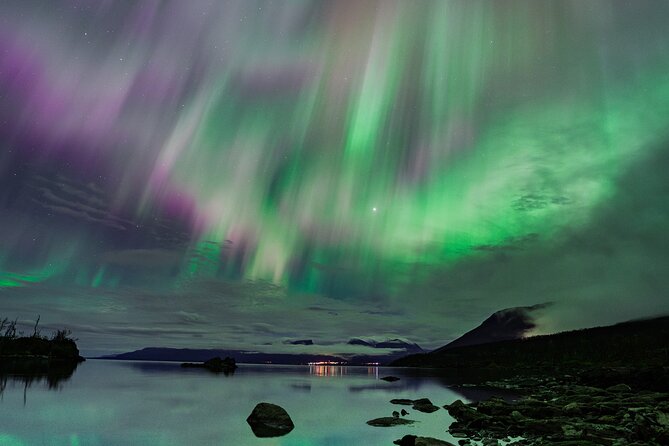
The tour aims to travel up to 100 km roundtrip, choosing among several locations with a strong track record for aurora viewing. In plain terms, this matters because the aurora doesn’t care about your itinerary. Cloud cover, haze, and wind can change fast.
So the guide’s job is to look at the conditions and react. You’ll likely get multiple viewing opportunities through the night—short moves, then time outside scanning. Some guests described being taken to several spots in a single tour night, which is useful because it increases the odds that at least one location has the clearer sky you need.
There’s a trade-off though. One guest pointed out a key truth about aurora viewing: sometimes the best plan is staying in one spot with clear skies, not constantly shifting. This tour can still work great, but if you’re the type who wants total stillness for a long time, you might feel a little restless with relocations.
The Photo and Physics Part: Guides Like Joey Tristan
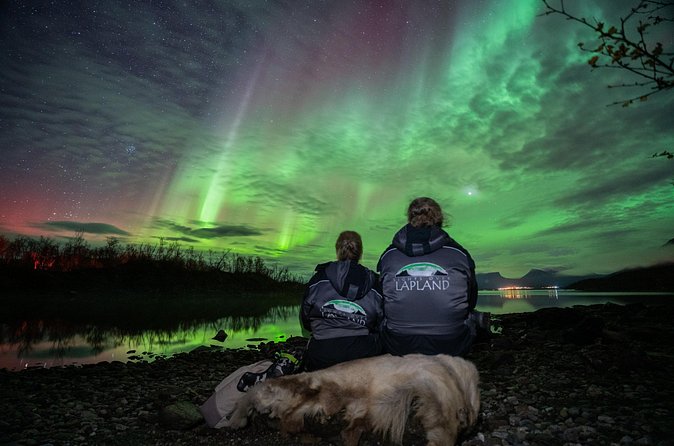
What turns an aurora tour from okay to memorable is the human element. This operator’s guides tend to be hands-on: they help you find the aurora and they help you capture it.
Guests have shared especially strong praise for Joey Tristan, including how she approaches photography carefully and explains what’s happening in the sky. One person highlighted her patience with questions and her meticulous way of getting photos. Another described Joey using smart, practical problem-solving—even trying to clear a frozen lake’s surface by using boiling water on thick ice in order to see what’s underneath.
That last detail is very “Abisko night” in spirit: if you’re going out into winter, you don’t just chase light—you also notice the environment. Guests also described learning about features of the aurora, including a corona aurora, and getting answers about what they were seeing.
Other guides mentioned by guests for this company include Felix and Gavin, and Romy as well. The consistent theme across names is that the guide helps with both the viewing and the getting-the-shot part, plus keeping you warm and comfortable when the cold presses in.
What You Actually Do Outside (Warm Drink, Fires, and Waiting)
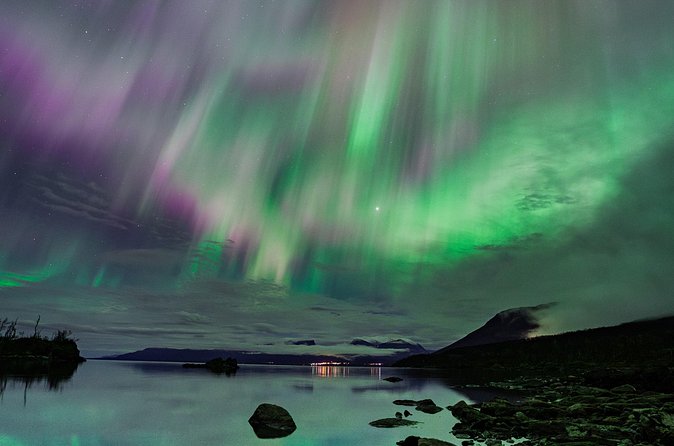
You’re not just driving and hoping. The tour includes time outdoors scanning, plus comfort touches that keep you from burning daylight shivering.
You’ll get a warm drink as part of the experience. Some guests also mentioned cookies and a campfire atmosphere, which fits the general setup: stop, get warmed up, check the sky, and wait for the aurora to show itself.
A cool, specific bonus from one shared experience: the guide showed a frozen lake without a layer of snow, which added a different visual texture to the night beyond just clouds and light. Even if you don’t get that exact moment, it’s a good hint that the guides pay attention to small environmental details that make the evening feel more than routine.
And yes, wind can be brutal. More than one guest mentioned cold and windy nights, but still described the guide as staying with the group and adding extra stops when needed. That kind of responsiveness is a big deal when the aurora is faint and the sky keeps changing.
What’s Included vs. What You Need to Bring
Included:
- Tour guide
- Warm drink
- 4 hours of aurora searching by bus
Not included:
- Camera gear
- Warm clothing
This is where you should get smart before you arrive. The tour provides warmth in small ways (drink, and the comfort of the bus/fire situation), but your biggest protection is your own layering. If you’re missing true winter gear—hat, gloves, warm socks, a real jacket—you’ll spend more time managing discomfort than watching the sky.
On the camera side, since gear isn’t included, decide early what you’re aiming for:
- If you’re using a phone, focus on keeping it steady and managing battery life in the cold.
- If you want better results with a camera, you’ll want your own setup and a plan for cold-weather handling.
Group Size and Pacing: Small Max Group, Big Opportunity
This tour caps at 8 travelers, which is a sweet spot. It’s small enough that the guide can pay attention to people who are new to aurora viewing. It’s also big enough to feel lively and share the night.
The pacing can vary based on conditions. The core plan is time outside searching, plus bus travel between likely viewing spots. Several guests described moving to multiple locations during the night, and one person emphasized that having the bus parked nearby helps you warm up as needed.
Just keep one expectation realistic: you’re hunting a natural event. The guide can make smart choices, but you’re still working with weather. That’s why this kind of flexible “go where the odds improve” approach is usually a better bet than a single fixed stop.
Autumn in Abisko: Why the Timing Works
This is an autumn aurora chase in Abisko, Sweden. Autumn is a strong season for northern lights because night hours are longer, and the region is well-known for good viewing opportunities when conditions line up.
The tour structure fits autumn reality: you’ll watch for a few hours, you’ll get chances to relocate if cloud cover shifts, and you’ll have enough warmth breaks to stay patient.
One subtle but important point: the guide’s ability to change the plan based on aurora probability is part of the value. Guests specifically called out that the guide adjusted viewing spots according to conditions, rather than treating the itinerary like a script. That responsiveness is what helps you keep your chances alive through the night.
Value Check: Why This Tour Feels Worth It
There’s no magic—aurora tours cost effort, because nature decides the final outcome. So the value here comes from the structure.
You’re paying for:
- A real guide who helps you spot and photograph
- Transportation that can move you up to 100 km roundtrip
- Time (about 4 hours) to increase your odds
- Practical warmth via a warm drink, plus the comfort of bus/fire stops
Because the group is capped at 8, it’s not the chaotic crowd experience that can distract you from watching. And because pickup is offered from Abisko and Björkliden hotels, you avoid the extra mental load of finding your way in the dark.
If you want to maximize your odds without turning the night into a logistics project, this setup is a sensible match.
Should You Book Autumn Abisko Aurora Chase?
Book it if you want:
- An organized aurora hunt with real driving flexibility
- Hotel pickup and a predictable start at 8:00 pm
- A guide who helps with viewing and photo guidance, with multiple guests praising guides such as Joey Tristan
- A tour that stays focused on aurora time for about 4 hours
Skip it (or at least go in with the right mindset) if you strongly prefer:
- Staying in one single spot for a long stretch without moving
- Spending the night far from any comfort options, because this is still a cold-weather experience and the guide balances viewing with warming breaks
If your main goal is seeing the northern lights and you’re willing to hunt smart—then this is a strong choice for Abisko in autumn.
FAQ
What time does the tour start in Abisko?
The tour starts at 8:00 pm.
Where is the meeting point?
You meet at STF Abisko Turiststation, Abisko Turiststation 2, 981 07 Abisko, Sweden.
Do you get hotel pickup?
Yes. Pickup is offered from hotels in Abisko and Björkliden. Björkliden guests should be ready by 7:30 pm, and Abisko village guests by 7:45 pm.
How long is the aurora search?
The tour includes about 4 hours of searching for auroras by bus.
How far will you travel during the hunt?
You may travel up to 100 km roundtrip to one of several locations with a high likelihood of success.
What’s included in the price?
Included items are a warm drink, 4 hours of searching for auroras by bus, and a tour guide.
What should I bring?
You should bring warm clothing and your camera gear (camera gear is not included).
Is the tour offered in English?
Yes, it is offered in English.
What happens if the weather is poor?
This experience requires good weather. If it’s canceled due to poor weather, you’ll be offered a different date or a full refund.
What is the group size?
The tour has a maximum of 8 travelers. Confirmation is received at the time of booking, and a mobile ticket is included.