REVIEW · SWEDEN
Northern Lights Photo Expedition Dinner Included from Abisko
Book on Viator →Operated by Northern Wilds Expeditions · Bookable on Viator
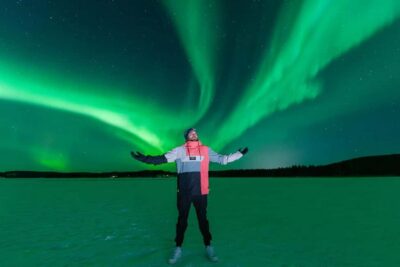
Northern lights look easy from a brochure, but they are a science-and-sky job. This Abisko expedition is built for the real thing: a late dinner, dark-sky driving, and aurora photography help on the edge of the Arctic.
I especially like the combo of hands-on guidance plus astronomy basics, so you are not just staring up and hoping. You’ll also get included two-course dinner and a photography-focused night plan, with tour photos provided after.
One consideration: the sky is never guaranteed. The whole experience is weather-dependent, and even when you’re scheduled, poor conditions can lead to changes or cancellation and refunds that take a few days to land in your account.
In This Review
- Key Highlights You’ll Care About
- Abisko At 8pm: Dinner First, Then the Aurora Hunt
- Small Group Energy: Why a Max of 8 Works for Photography
- The 4×4 Van Plan: Dark Skies Beat Easy Convenience
- Chasing Conditions: How the Stops Are Chosen
- Aurora Photo Coaching: Camera Settings and Composition That Actually Help
- Waiting in the Cold: What You Do While You Watch the Sky
- Warm Breaks and Local Hospitality on a Long Arctic Night
- Photos Included: Better Than Hoping Your Best Shot Works
- Price and Value: What You’re Really Paying For at $235
- Who This Tour Fits Best (and Who Might Want a Different Style)
- A Quick Checklist for Your Aurora Night
- Should You Book Northern Lights Photo Expedition from Abisko?
- FAQ
- What time does the tour start?
- How long is the experience?
- Where does the tour begin?
- Is dinner included?
- Do I get photos from the tour?
- Is the tour offered in English?
- How many people are in each group?
- What happens if it’s canceled due to weather?
- Can I cancel and get a refund?
Key Highlights You’ll Care About
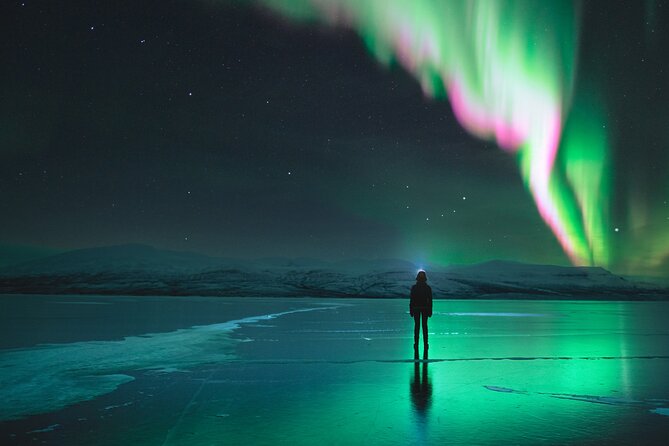
- Max 8 travelers means more room for questions and less crowding at the stops
- Up to 300 km of dark-sky driving to reduce light pollution and improve odds
- Aurora photo coaching with practical camera settings and composition guidance
- Two-course dinner included before you head out, so you’re not rushed or underfed
- Tour photos included, so you leave with more than a handful of usable frames
Abisko At 8pm: Dinner First, Then the Aurora Hunt
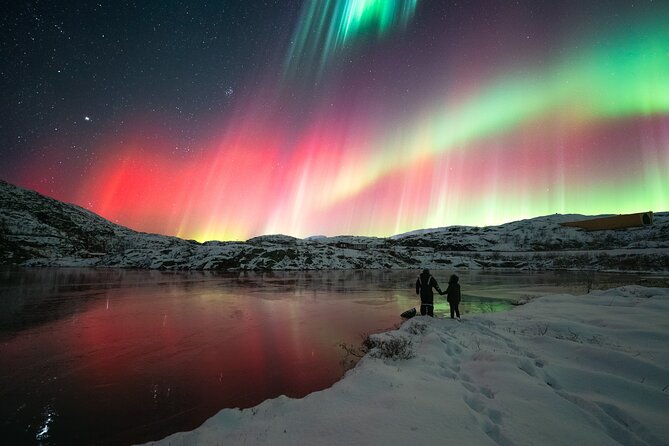
The tour starts at 8:00pm in Abisko, at Abisko Mountain Lodge. If you’re staying in Abisko, Björkliden, or Riksgränsen, pickup and drop-off are included for your hotel, and your guide will contact you to confirm where to meet.
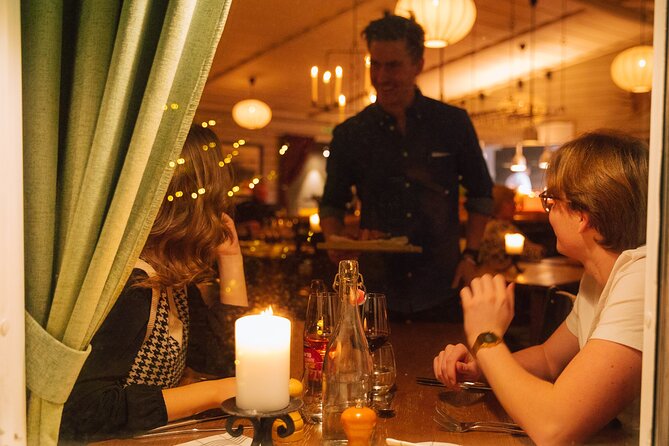
What I like about the dinner-first setup is simple: it reduces stress. You can eat properly in a local restaurant while you’re still in a warm, normal-feeling environment, then focus on the sky once you’re geared up. This is also a nice pacing choice for an experience that runs about 4–6 hours depending on conditions.
Dinner is two courses, and alcohol isn’t included. That matters because you’ll be waiting outside in cold night air, and staying clear-headed is a big help for both photography and enjoying the show.
You can also read our reviews of more tours and experiences in Sweden.
Small Group Energy: Why a Max of 8 Works for Photography
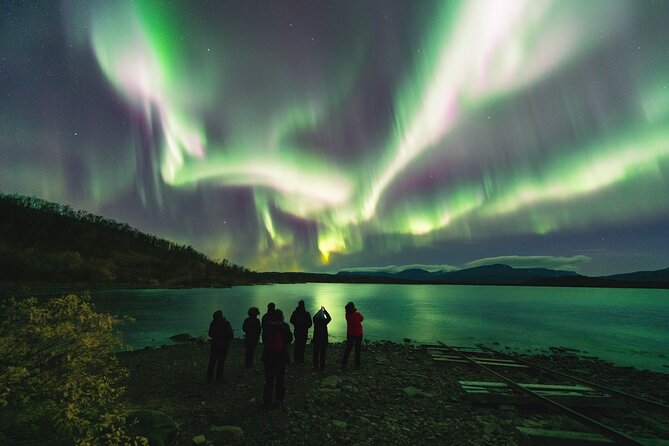
This is a night expedition with a tight group size: up to 8 travelers. That’s a big deal when everyone is trying to frame the sky at the same time. Smaller groups help you get camera coaching without the guide having to triage everyone in a line.
It also makes it easier to move quickly when conditions change. Aurora viewing is often a timing game—cloud cover, wind, and how quickly the sky clears can shift fast. A small group lets the guide make adjustments without turning the whole night into a slow-moving parade.
The tour is offered in English, and it’s described as suitable for most travelers. Service animals are allowed too, which is useful information if you’re traveling with one.
The 4×4 Van Plan: Dark Skies Beat Easy Convenience
A big part of the value here is the vehicle strategy. You’ll travel by 4×4 van into remote areas, far from light pollution, and the drive can go as far as 300 km.
That means you’re not just “going somewhere nearby and waiting.” You’re moving into genuinely darker territory, where faint aurora activity has a better chance of showing up and camera noise is easier to manage. For photography, darkness is not a luxury—it’s one of the main ingredients.
Also, don’t picture a rushed tour where you only stop for a few seconds. The whole night is structured around waiting for the aurora and photographing it. The driving is part of the hunt, not the entire event.
Chasing Conditions: How the Stops Are Chosen
The guiding idea is straightforward: you’re taken to locations known for strong viewing chances, and the timing depends on weather and aurora activity. On paper, that sounds like a vague promise. In practice, it’s exactly how aurora tours work—because you can’t control the sky.
What you can control is getting to the right place when the sky cooperates. This expedition is designed around that logic: you’ll be traveling to darker spots and then settling in to shoot and watch.
One useful detail from the way guides operate on these trips: they may make small pacing decisions based on aurora conditions—like speeding up or adjusting the flow of the evening if the forecast signals better activity soon. That kind of flexibility can turn a mediocre night into a memorable one.
Aurora Photo Coaching: Camera Settings and Composition That Actually Help
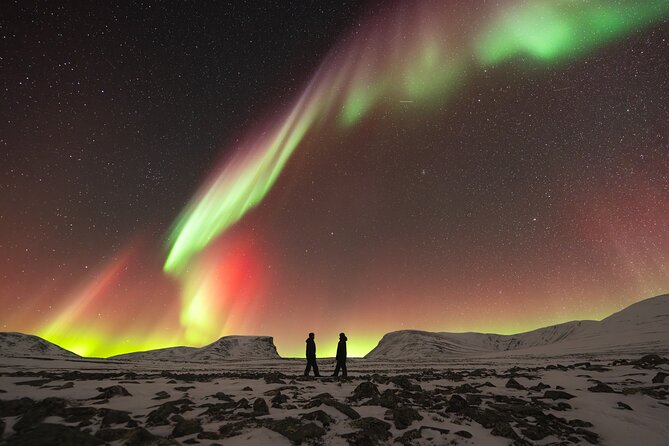
If you’re bringing a camera or you’re hoping your phone will do better than usual, this is where the tour earns its keep. You’ll get a basic astronomy lesson and focused photo guidance from the guide/photography expert, including how to think about camera settings and composition for the northern lights.
Here’s why that matters: aurora photography isn’t just about pointing upward. You need to manage exposure, reduce blur, and frame the sky in a way that makes the light look dramatic instead of random. Even if you are an intermediate photographer, having someone help you think through settings in real time is a shortcut to better results.
If you’re new, you’ll still benefit. The coaching is aimed at helping you capture what you see, not requiring you to already know aurora basics. And if you’re not into photography, you’re still out there for the show—the difference is that you can relax your attention and enjoy the night without worrying that you’re missing the “right” way to shoot.
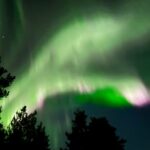
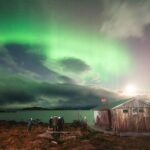
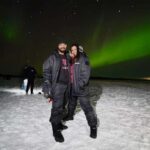
Waiting in the Cold: What You Do While You Watch the Sky
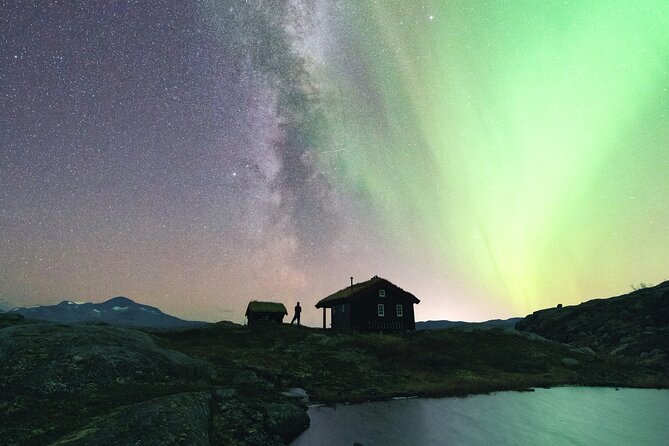
A northern lights hunt is mostly waiting. The tour handles that time with two key ideas:
1) You’re taken to viewing locations far from light pollution, so when the aurora appears, it has a better chance to be visible.
2) While you wait, you get a basic astronomy lesson.
That astronomy time isn’t just trivia. It helps you understand what you’re seeing—so the lights stop being an abstract “green glow” and start being something with cause and motion behind it. It’s also practical for photographers because it ties into how auroras behave and how you might time your shots.
In one example of how these nights can feel, guides also include warm pauses and hot drinks during breaks, like lingonberry tea, which makes a huge difference when the waiting stretches a bit.
Warm Breaks and Local Hospitality on a Long Arctic Night

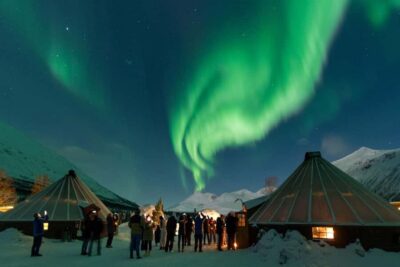
This tour includes dinner, but the best northern lights nights also handle comfort during the waiting. Some departures include warm breaks, such as a short pause around a Sami-style tent setting by a fire, with warm drinks. You may not get the exact same setup every time, but the theme is clear: warmth and small rest stops matter when you’re outside for hours.
Even in early autumn, temperatures can be serious at night in this region. One of the most appreciated touches is that you may be provided with winter suits, which can take the edge off the cold while you focus on shooting and watching. If you’re the type who tends to feel chilled easily, this is worth paying attention to—your night quality can hinge on comfort.
Photos Included: Better Than Hoping Your Best Shot Works
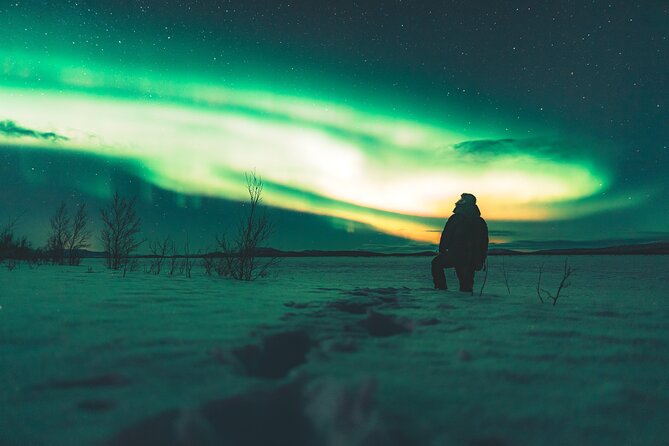
A common frustration after aurora tours is leaving with either no images you like or a handful of frames that don’t do the sky justice. This tour includes photos of the tour, which is a huge safety net.
That means you’re not solely betting on your own camera settings. You get additional images from the expedition’s photography work, so even if your personal shots are hit-or-miss, you still come home with a set worth keeping and sharing.
This is also where booking a guided expedition can feel smarter than DIY. You get help when the sky is changing and you also get coverage from someone who is used to turning aurora light into a photograph that actually looks like the night you experienced.
Price and Value: What You’re Really Paying For at $235
At $235.33 per person, the price isn’t just for a vehicle ride and a vague sky-watching session. You’re paying for:
- The cost of getting you into darker areas by 4×4, potentially far from Abisko (up to 300 km)
- The guide’s time, including astronomy explanation and photo coaching
- A proper two-course dinner in a local restaurant
- The included tour photos, which reduces the risk of coming home disappointed
The value gets even clearer if you consider how expensive time and mistakes can be. If you’re trying to do aurora photography on your own, you’re spending money on gear trials, gas, location scouting, and still dealing with light pollution. Here, the plan is built for the problem: darkness, timing, and instruction.
The one thing you can’t buy is a guaranteed clear sky. The tour is described as weather-dependent, and if it’s canceled due to poor conditions, you’ll be offered another date or a full refund.
Who This Tour Fits Best (and Who Might Want a Different Style)
I think this is a great match for three types of travelers:
- You want northern lights plus a structured photography plan, not just passive viewing
- You like learning while you wait, with practical astronomy context
- You’d rather join a small group and let experts handle driving, timing, and spot selection
If you’re traveling with someone who only cares about the lights, it still works. The night is designed so non-photographers can enjoy the show and the lesson, while photographers get extra coaching.
On the other hand, if you dislike cold-weather waiting, or you need your experience to be tightly predictable down to the minute, you might feel the “depends on the sky” part more than you’d like. The duration adjusts based on aurora activity and weather.
A Quick Checklist for Your Aurora Night
You’ll have a much better time if you come prepared for real Arctic nighttime conditions. Keep it practical:
- Dress in layers you can move in, with a warm outer layer
- Bring gloves and something warm for your head and neck (the kind you’ll actually wear outside)
- If you have a camera, bring it fully charged and ready; if you only have a phone, still bring it—this tour is built to help you capture better results
- Expect to be outside waiting for stretches of time, even with warm breaks and hot drinks
If winter suits are offered for your departure, take advantage of that rather than assuming your clothing will be enough. Comfort is part of photography success.
Should You Book Northern Lights Photo Expedition from Abisko?
I’d book it if you want the northern lights night to feel guided, thoughtful, and focused on results. The strongest reasons are the dark-sky driving, the fact that you get photo coaching plus included tour photos, and the simple comfort of having dinner included before you head out.
I’d hesitate only if your plans are inflexible and you can’t handle the weather-dependent nature of aurora viewing. If you can be flexible and you’re excited about learning while you wait, this is the kind of tour that turns a scary, hit-or-miss sky into a structured, enjoyable Arctic evening.
FAQ
What time does the tour start?
The tour starts at 8:00 pm.
How long is the experience?
The expedition portion runs about 4–6 hours, depending on aurora activity and weather.
Where does the tour begin?
The meeting point is Abisko Mountain Lodge, Lapportsvägen 30, 981 07 Abisko, Sweden. Pickup and drop-off are available for hotels in Abisko, Björkliden, or Riksgränsen.
Is dinner included?
Yes. You’ll have a two-course dinner in a local restaurant before the expedition.
Do I get photos from the tour?
Yes. Photos of the tour are included.
Is the tour offered in English?
Yes, English is offered.
How many people are in each group?
The maximum group size is 8 travelers.
What happens if it’s canceled due to weather?
If it’s canceled due to poor weather, you’ll be offered a different date or a full refund.
Can I cancel and get a refund?
Yes. Free cancellation is available up to 24 hours before the experience’s start time for a full refund.