REVIEW · FAIRBANKS
Fairbanks: Aurora Borealis Northern Lights Tour
Book on GetYourGuide →Operated by Greatland Adventures · Bookable on GetYourGuide
Chasing the northern lights beats guessing. This Fairbanks tour uses aurora forecasting tech to choose where you’ll go, and it keeps things intimate with a max of eight people. I like the way the tour builds a plan around weather and aurora strength, but I also want you to know the big downside: cloudy skies can still shut down sightings.
In the field, guides like Ben and Shannon have worked the plan hard—driving, waiting, and searching—so you’re not just dropped off in the dark. The experience runs with comfortable vehicles (basically your moving base), plus refreshments, and you’ll start with hotel pickup within Fairbanks hotel zones only.
In This Review
- Key Things That Matter Most on This Fairbanks Aurora Tour
- How Aurora Forecasting Changes the Odds in Fairbanks
- 6 Hours in the Dark: Timing, Pickup, and the First Drive Out
- Inside the Comfortable Base Camp: Waiting Without Losing Your Night
- First Viewing Spot: Getting Off the Beaten Path From City Lights
- The Aurora Chasing Part: When Plans Change Mid-Night
- Why the Guide Matters More Than You Think
- Price and Value: Is $321 Fair for a Northern Lights Tour?
- When to Book: Use Your First Night for Maximum Chances
- Who This Tour Suits Best (And Who Might Want to Skip It)
- Quick Tips That Actually Help on Northern Lights Nights
- Should You Book This Fairbanks Northern Lights Tour?
- FAQ
- Where does the tour take place?
- How long is the Fairbanks Northern Lights Tour?
- What time does the tour start?
- How many people are in a group?
- Is hotel pickup included?
- How far do you drive from Fairbanks?
- Does the tour include aurora forecasting?
- What makes it harder to see the Aurora Borealis?
- Is the tour suitable for children?
- What are the cancellation and payment options?
Key Things That Matter Most on This Fairbanks Aurora Tour
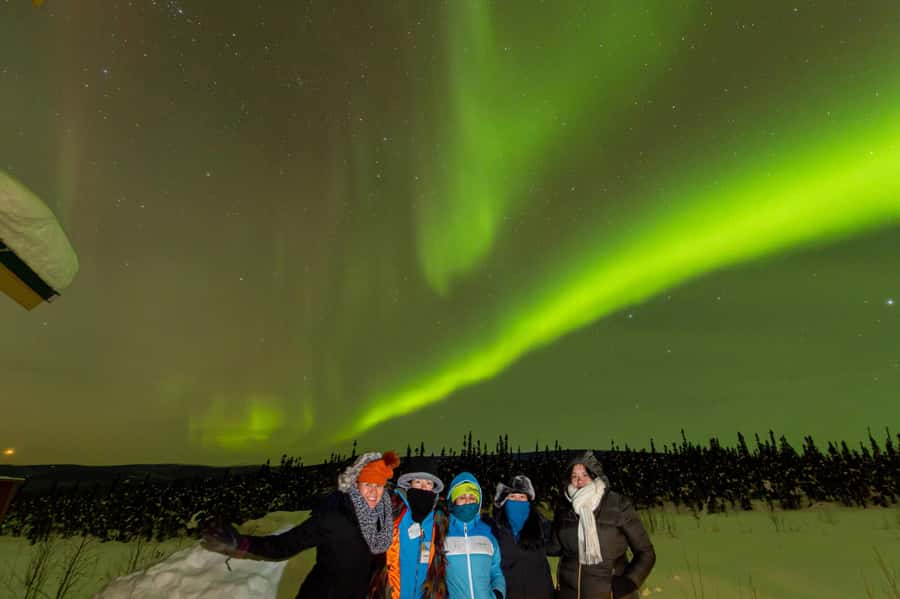
- Forecasting picks the location using weather, aurora strength, and distance from Fairbanks
- Small group feel with a limit of eight participants, so the guide can focus on you
- Comfort while you wait via comfortable tour vehicles that act like traveling base camps
- Dark-sky mission with driving up to 3 hours outside Fairbanks to escape light pollution and clouds
- Chances improve with timing because you can book multiple nights and start with your first night in town
How Aurora Forecasting Changes the Odds in Fairbanks
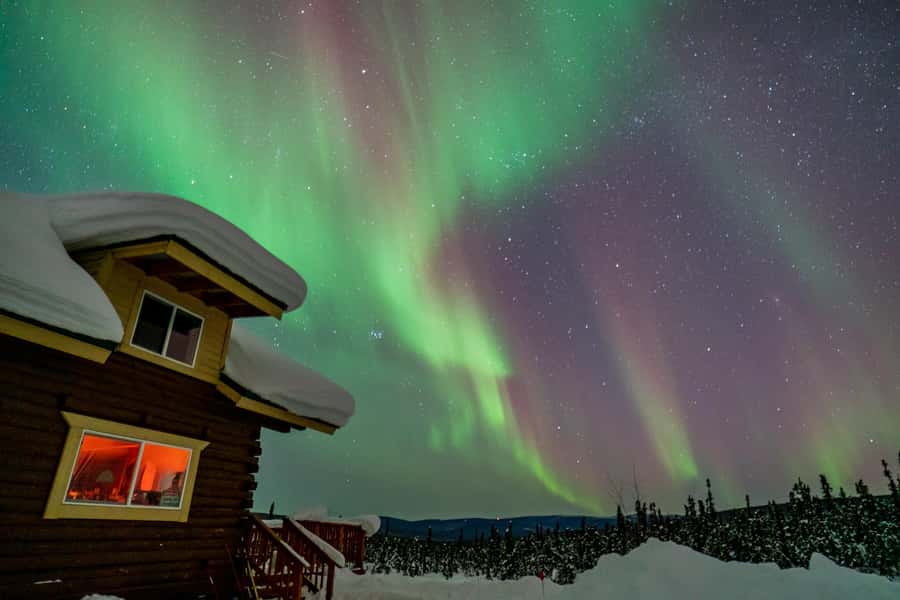
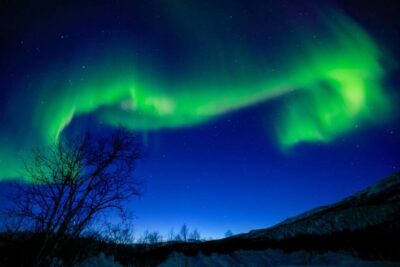
Here’s the heart of this tour: it doesn’t treat the Aurora Borealis like a lottery. Greatland Adventures uses an aurora forecasting service and then selects where to watch based on three big variables—weather forecast, aurora strength, and how far the spot is from Fairbanks.
That matters because auroras are real, but seeing them is math plus sky conditions. Even in Alaska, you can have aurora activity and still miss it if clouds swallow the view or if lights brighten the sky too much. This tour is built around that reality, so you’re not just hoping—you’re going where the odds are better that night.
You can also read our reviews of more tours and experiences in Fairbanks.

6 Hours in the Dark: Timing, Pickup, and the First Drive Out
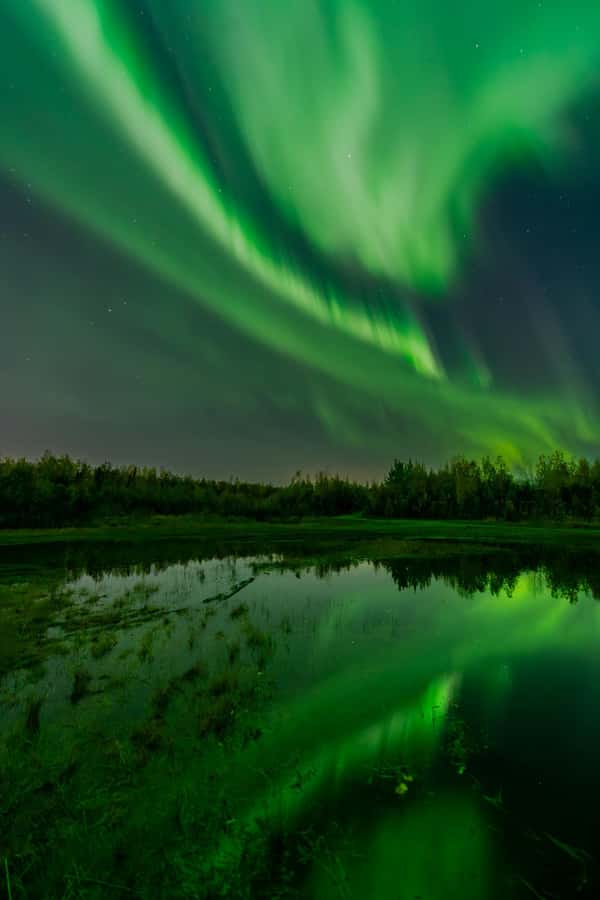
The tour runs from November 2 through April 14, and the night is usually a late start. Departure times vary between 8 and 11 PM, and the return time depends on the season and the forecasted conditions.
Your evening begins with transportation—hotel pickup is included, but only for Fairbanks hotel locations (not private residences like Airbnb or VRBO). If you’re staying just outside those hotel zones, you’ll need to plan your start accordingly, because the pickup limitation is real.
Once you roll out, expect a serious push toward darker skies. The tour can drive up to 3 hours outside Fairbanks, and that’s a big deal: you’re buying time and distance to escape light pollution and give the sky the darkness it needs.
Inside the Comfortable Base Camp: Waiting Without Losing Your Night
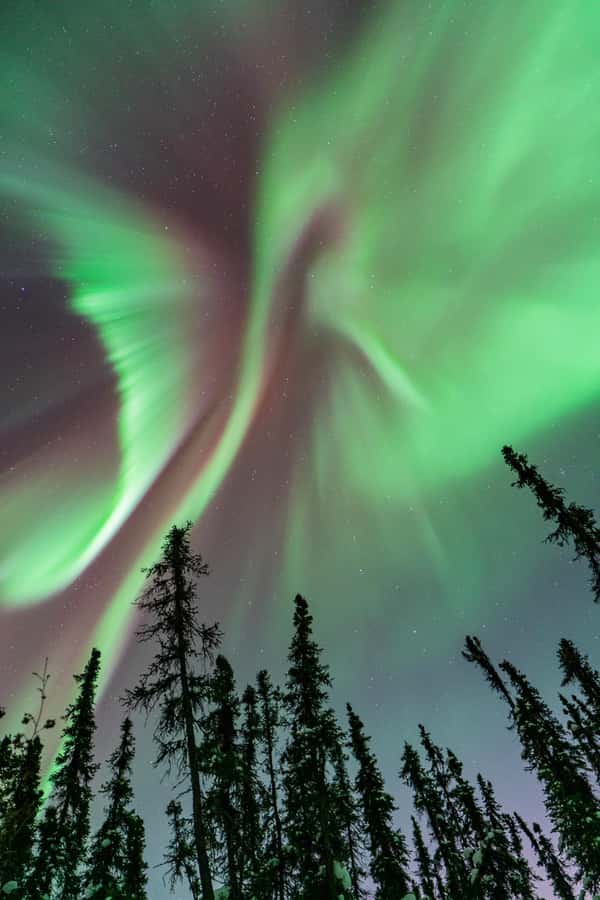
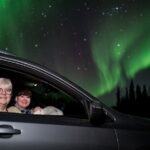
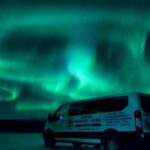
One thing I really like about this style of aurora tour is that you’re not constantly freezing on the roadside for hours with no comfort plan. The tour vehicles are described as comfortable and serve as traveling base camps, which means you’ll have a place to regroup as the sky changes.
You’ll also have refreshments included. That sounds small, but on a long winter night, it helps you stay patient. Aurora hunting is about waiting for the sky to do its thing, and comfort makes that waiting feel less like punishment and more like part of the experience.
Also, the group size is small—up to eight—so you’re more likely to feel like you’re on a focused hunt rather than standing in a crowd. That’s a key difference between a chaotic bus tour and one that actually tries to find the best possible conditions.
First Viewing Spot: Getting Off the Beaten Path From City Lights
The goal each night is simple: get you to a strategic spot where the sky is dark enough and the aurora odds are strongest. The tour uses forecasting to choose location, then drives there with the weather and aurora strength in mind.
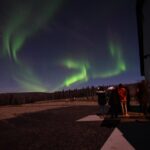
In at least one example, Shannon found a viewing spot that was off the highway, which is exactly the kind of detail you want. It’s not about being far just to be far—it’s about reducing stray light and giving your eyes a real chance to adjust to the dark.
Once you reach the first stop, you’ll settle in and watch. How long you stay can vary based on conditions, and that variability is worth understanding before you set expectations. The aurora isn’t on a schedule, and neither is the tour response.
The Aurora Chasing Part: When Plans Change Mid-Night
This is the section people remember, and for good reason: aurora tours live or die based on what the sky does after you arrive. If conditions don’t cooperate—especially if clouds move in—the tour team may go chasing to try to improve your view.
The forecasting element helps you choose smarter locations at the start, but chasing is still part of the process. You can see that attitude in guide efforts described with Ben, where the group was taken to multiple locations in an attempt to make the experience happen even when the sky was overcast.
The good news: the chasing isn’t random. It’s tied to the same logic the tour uses all night—weather, aurora strength, and distance. That means changes in location are about optics, not just road time.
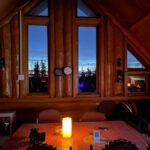
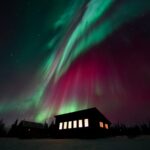
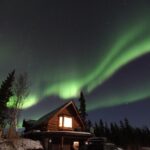
You might also end up staying put longer if conditions are promising at a particular spot. In one case, the group remained at a cabin for several hours, and the overall night ran shorter than the advertised total time. The lesson for you: even with a planned “about 6 hours,” the real length can shift based on what the sky gives you and how the team responds.
Why the Guide Matters More Than You Think
On paper, this tour is about auroras, forecasting, and transportation. In practice, the guide is the difference between a passive night and an active search.
Guides like Ben and Shannon have been highlighted for being energetic and knowledgeable, but the more useful takeaway is their persistence and decision-making. When the sky isn’t cooperating, you want someone who keeps working the plan: adjusting stops, looking for better angles, and sticking with the group until there’s something worth seeing—or until you’ve done what you can.
A small-group format helps here. With fewer people, the guide can manage timing better, respond faster when conditions change, and spend less time herding and more time guiding attention to what matters.
Price and Value: Is $321 Fair for a Northern Lights Tour?
Let’s talk money plainly. The tour costs $321 per person for a 6-hour outing, and that’s not cheap compared with some other Fairbanks northern lights options that can run far lower.
So what are you paying for here?
You’re paying for:
- Aurora forecasting service that guides where you go
- A professional aurora guide
- Transportation (including the longer drive away from town)
- Small group size (max eight), which generally means more individualized attention
- Comfort and refreshments to make waiting more tolerable
Is it always worth it? If the night is clear and the aurora cooperates, the value feels obvious. If the night is overcast, you may leave with less viewing than you hoped—and no tour can fully control cloud cover.
One review comparison also pointed out that a similar tour can be available for around $100–$150 per person, so you should take that seriously. If you’re cost-driven and you’re willing to accept a lower service level, cheaper options exist. But if you want forecasting, a focused small group, and a guide who actively chases using a plan, this price is easier to justify.
When to Book: Use Your First Night for Maximum Chances
Here’s a practical strategy that can pay off big in Fairbanks: book for each available night, starting with your first night in town. That recommendation isn’t just marketing. It recognizes a key reality about aurora viewing: visibility depends on darkness, weather, and timing.
You’re told auroras can be visible anytime you have adequate darkness, and the window in the region is from late August through mid-April. Even though this tour operates from early November to mid-April, the mindset still holds: the earlier nights give you more opportunities to catch a break in cloud cover.
Also remember the main obstacles are straightforward: cloud cover and light pollution. The tour addresses those with nighttime driving toward darker skies, but the sky still holds final power.
Who This Tour Suits Best (And Who Might Want to Skip It)
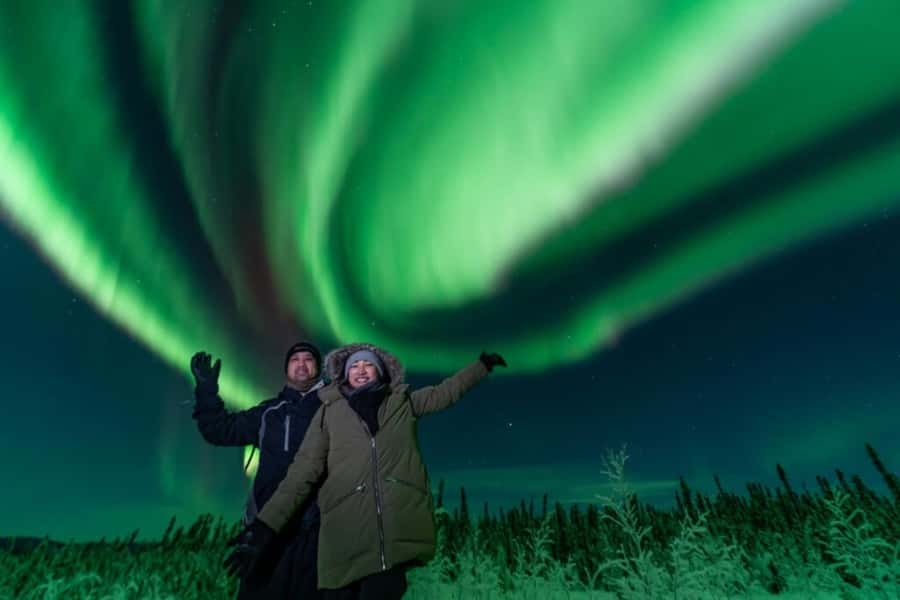
This tour is not for everyone.
It’s suitable if you want:
- A small-group aurora hunt rather than a large crowd experience
- A guide-led night built around forecasting and smart location changes
- A “comfort first” approach with vehicles that function as base camps
It’s not suitable if you’re traveling with kids under 12, since the tour specifies that age limit.
If you’re the type who enjoys planning and then being flexible when the sky changes, you’ll likely mesh well with how this operation runs. If you hate uncertainty and want guaranteed views, no aurora tour can promise that—your best move is stacking odds by booking multiple nights.
Quick Tips That Actually Help on Northern Lights Nights
I’ll keep this practical and simple since you’re dealing with Alaska winter nights and a moving schedule.
- Bring patience. Waiting is part of the deal, and the vehicles plus refreshments are there so you don’t burn out too fast.
- Choose your night strategy. Book starting on your first night, and consider adding extra nights if your schedule allows.
- Plan around the late start. Departure is between 8 and 11 PM, so treat it like a full-night commitment even though the tour is listed as about 6 hours.
- Expect some movement. The tour is set up to change locations based on forecast conditions, so staying ready to relocate helps your experience.
Should You Book This Fairbanks Northern Lights Tour?
If you want a Fairbanks Aurora Borealis experience that’s more than a random drive into darkness, this one makes strong sense. The aurora forecasting piece, the small-group limit, and the decision-making around weather and aurora strength are the core reasons to consider it, especially if you’re only in town for a few nights and need your time to count.
I’d book it if:
- you value a guided, structured hunt
- you want to escape city light and cloud cover with longer driving
- you’re okay with the fact that auroras are never guaranteed
I’d think twice if:
- you’re trying to minimize cost and are comparing against cheaper tours
- you can’t handle schedule variability (because the night can shift based on conditions)
Bottom line: pay attention to what you’re actually buying. You’re not buying a guaranteed aurora. You’re buying a smarter system for finding one, with comfort and a guide who keeps working the plan when conditions turn tricky.
FAQ
Where does the tour take place?
It’s in the greater Fairbanks area in Alaska, with viewing spots chosen outside of Fairbanks to find darker skies.
How long is the Fairbanks Northern Lights Tour?
The tour duration is listed as 6 hours.
What time does the tour start?
Departure times vary between 8 and 11 PM.
How many people are in a group?
The group is limited to a maximum of eight participants per guide.
Is hotel pickup included?
Yes, pickup is included for Fairbanks hotel locations only. Pickup is not available for private residences like Airbnb or VRBO.
How far do you drive from Fairbanks?
The tour may drive up to 3 hours outside Fairbanks to find clear, dark skies.
Does the tour include aurora forecasting?
Yes. The tour includes an aurora forecasting service to help predict viewing conditions and select nightly locations.
What makes it harder to see the Aurora Borealis?
The main obstacles are cloud cover and light pollution, and auroras need adequate darkness to be visible.
Is the tour suitable for children?
No. It is not suitable for children under 12 years.
What are the cancellation and payment options?
You can cancel up to 24 hours in advance for a full refund, and you can reserve now and pay later.