REVIEW · FAIRBANKS
Northern Lights & Arctic Circle Tour
Book on Viator →Operated by Alaska Wild Lights · Bookable on Viator
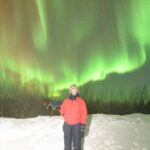
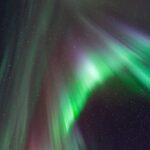
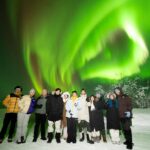
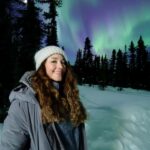
The Dalton Highway feels otherworldly at night. This Northern Lights & Arctic Circle tour turns a bucket-list drive into a guided, small-group night hunt, with people like Shannon and Jessica helping you make the most of the long dark hours. I like the hotel pickup in Fairbanks that actually gets you moving without logistics stress, and I also like how the guides chase the aurora from multiple roadside spots for better viewing odds.
One thing to weigh: it’s a long day in a climate-controlled van on a remote, bumpy road, and the lights aren’t guaranteed. If you’re picky about comfort or you hate the idea of cold-weather uncertainty, this tour may feel like a lot.
In This Review
- Key points to know before you go
- Fairbanks pickup and the small-group van setup that matters
- Price and what you’re really paying for on a 12–14 hour day
- Driving the Dalton Highway toward the Arctic Circle sign
- Pipeline views and why the Alyeska stop feels so real
- The Yukon River crossing and the wildlife odds you should plan for
- Arctic Circle Campground area and the “mile marker” feeling
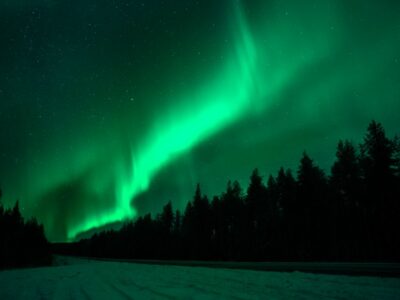
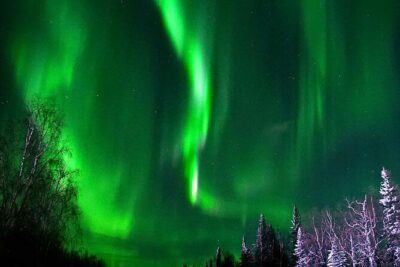
- Northern lights chasing: how the tour actually increases your odds
- What you eat and drink while you’re freezing on purpose
- How rough is the ride really? Comfort, gear, and seat strategy
- Cancellations, delays, and the “Alaska math” behind the risk
- Who should book this Northern Lights & Arctic Circle tour
- Should you book it: my practical call
- FAQ
- What time does the Northern Lights & Arctic Circle tour start?
- How long is the tour?
- Will I see the northern lights for sure?
- What food and drinks are included?
- Are gluten-free or vegan meals available?
- What transportation is used and how many people are on the van?
- Is cold-weather gear provided?
Key points to know before you go
- Hotel pickup within Fairbanks limits saves time and cuts out rental-car hassle
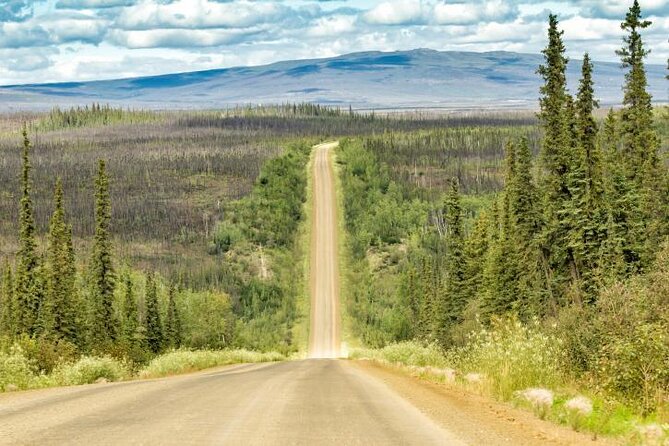
- Dalton Highway experience on one of the world’s most isolated roads, including famous stops
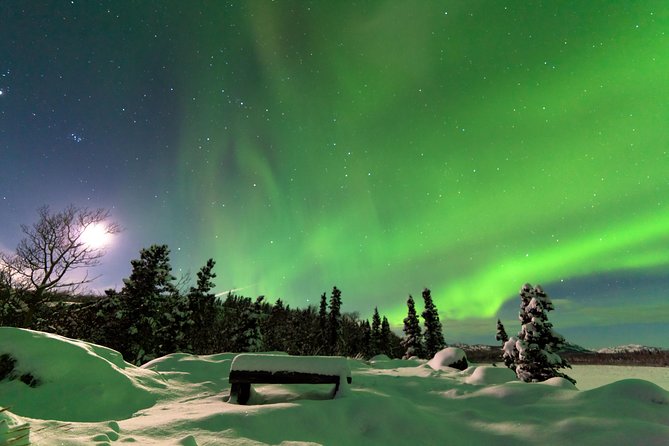
- Aurora chasing stops at places like Tolovana River and Wickersham Dome when the sky cooperates
- Arctic Circle moment at the 66°33’ north sign with an Arctic Circle certificate
- 8-person max small-group feel, capped in vans built for the long haul
- Warm food breaks including dinner at Yukon River Camp, plus coffee and homemade hot punch
Fairbanks pickup and the small-group van setup that matters
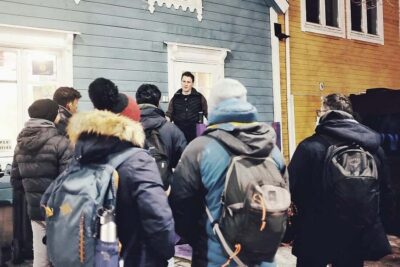
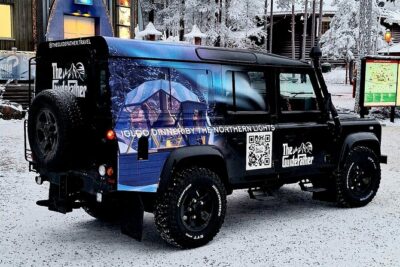
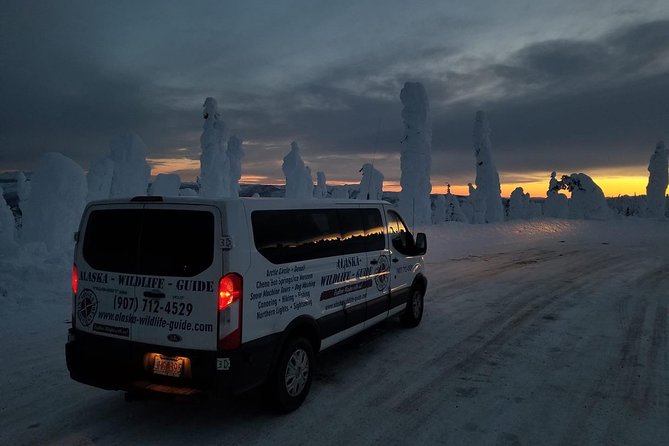
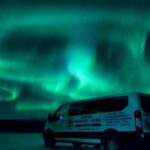
This tour starts with a straightforward game plan: an afternoon pickup inside the Fairbanks city limits, then a drive north into Alaska’s winter quiet. You’ll be on a climate-controlled van, and the operator caps each passenger van at 8 travelers, even though the vehicle type is a larger Ford Transit style. In practice, that smaller cap is the difference between feeling like a number and having a chance to actually hear your guide.
There’s also a smart tip that’s easy to miss until you’re on the road: rotate seats a few times. The van gets bumpy, and windows matter for aurora watching. If you stay stuck in one place the whole time, you’ll likely spend part of the trip with the wrong side of the van facing the sky. Swapping seats helps everyone get a better view without anyone hogging the “good” spot.
Your tour guide plays a big role here. A lot of the positive energy from guides comes through in the details: Coltin stopping repeatedly to help with photos, Guy keeping things smooth and informative, and Andrew and Leo making sure everyone had a shot at the best sky they could find. Names pop up, but what matters to you is the behavior: they watch conditions, they manage timing, and they help you get the shot without turning it into a free-for-all.
You can also read our reviews of more tours and experiences in Fairbanks.
Price and what you’re really paying for on a 12–14 hour day
At $330 per person, this isn’t a budget excursion. But it’s also not just a quick photo stop. You’re paying for several value elements that add up fast in remote Alaska:
- Long-distance transportation along the Dalton Highway, with a guide handling the drive
- Hotel pickup and drop-off in Fairbanks city limits
- Meals and warm drinks during a cold night hunt (including dinner at Yukon River Camp)
- Time at key landmarks tied to the Arctic Circle and aurora viewing
- A personalized Arctic Circle certificate
The trade-off is that you’re also paying for uncertainty. Northern lights are natural and not guaranteed, and too many clouds can mean fewer or no aurora sightings. If the lights are your only reason for going, understand the risk before you book.
Driving the Dalton Highway toward the Arctic Circle sign
The main draw here is the road itself. The Dalton Highway (also Alaska Route 11) runs north-south through Alaska and runs far toward the Arctic Ocean. It’s the kind of place where the distance between services can feel unreal. Along the way, you’ll stop to stretch, check photos, and manage the practical stuff: legs, breath, and restrooms.
The timing is built around an afternoon start. You’ll depart Fairbanks at 2:00 pm, and because of that late start, you’ll likely reach much of the arctic-area portion as daylight fades. That’s a drawback if you came only for scenery, since winter darkness arrives quickly. On the upside, it sets up your aurora window for the return leg when the sky is dark enough to search properly.
When you arrive at the Arctic Circle area, you get the big moment: photos at the Arctic Circle sign for 66°33’ north and a personalized certificate. This isn’t just a checkbox. It’s one of the few places where you can point and say: I really reached the Arctic Circle, not just saw it from a distance.
Pipeline views and why the Alyeska stop feels so real
Early on, you’ll make a stop at the Alyeska Pipeline Viewing Point. This is your up-close look at the Trans-Alaskan Pipeline System, transporting oil from Prudhoe Bay to Valdez. It’s impressive in size and engineering, but what makes it memorable on a winter tour is the contrast: huge infrastructure out in a place that feels empty.
Even if you’re not into engineering, it’s one of those stops that changes how you picture Alaska. You don’t just see wilderness. You also see how humans moved energy through a region that doesn’t make it easy.
This stop also gives your eyes a break from snow and darkness. A quick 15 minutes isn’t long, but it’s long enough to get oriented and take a few pictures before you keep pushing north.
The Yukon River crossing and the wildlife odds you should plan for
As you head deeper, you’ll cross the Yukon River via the EL Patton Bridge, the only vehicle bridge in Alaska that crosses the Yukon River. It also carries the pipeline, which means you get the rare combo of infrastructure and river scale at once.
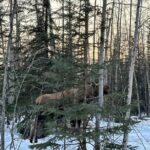
Wildlife sightings are never guaranteed, but the route is the kind of place where your chances are better than in town. The tour route includes stops where you can watch for foxes, moose, and possibly even bears, wolves, or lynx. In real terms, that means you should stay quiet, keep your eyes up, and don’t expect a wildlife encounter on schedule.
One more practical point: in winter, wildlife spotting often works best when you’re stopped and scanning rather than driving and hoping. So when the guide says the stop is for a reason, take it seriously and step out if you can.
Arctic Circle Campground area and the “mile marker” feeling
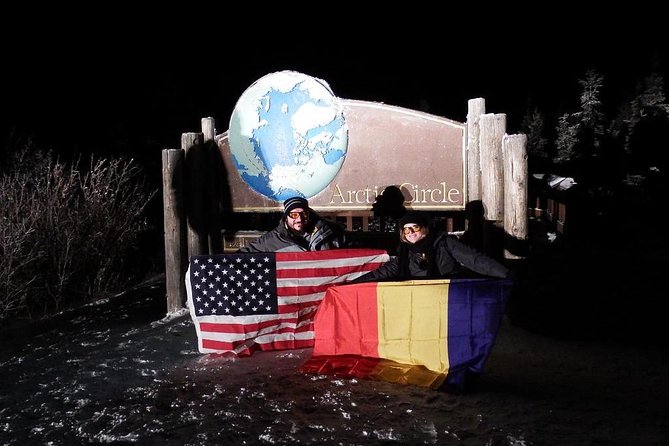
You’ll reach the Arctic Circle region around the Arctic Circle Campground (mile 115). Think of this as the physical transition from “road trip” into “the far north.” It’s not a theme park stop; it’s a checkpoint in cold country.
You may also notice how the guide manages timing here. The tour is designed so you can reach the Arctic Circle, take photos, and then start your return with enough time to chase aurora. If you linger too long at every photo spot, you can quietly mess up the aurora plan for everyone.
That’s why the tour is small-group: with a max of 8 people, the guide can keep the timing tight without feeling like a drill sergeant.
Northern lights chasing: how the tour actually increases your odds
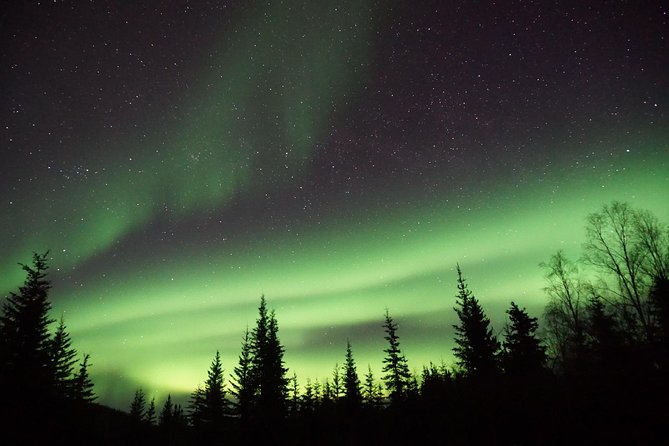
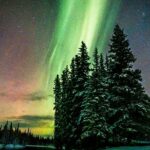
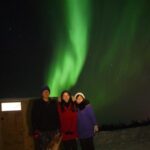
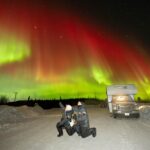
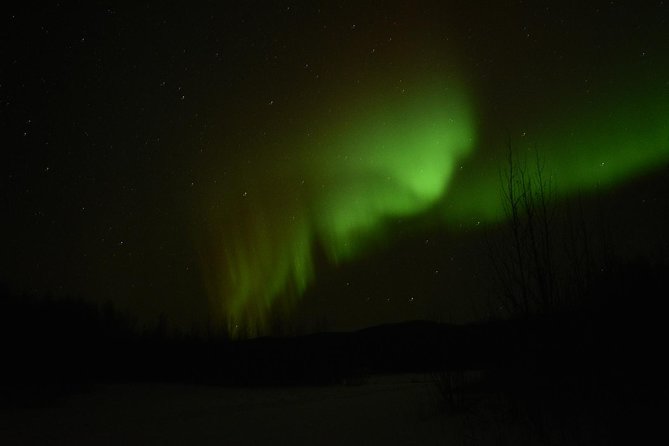
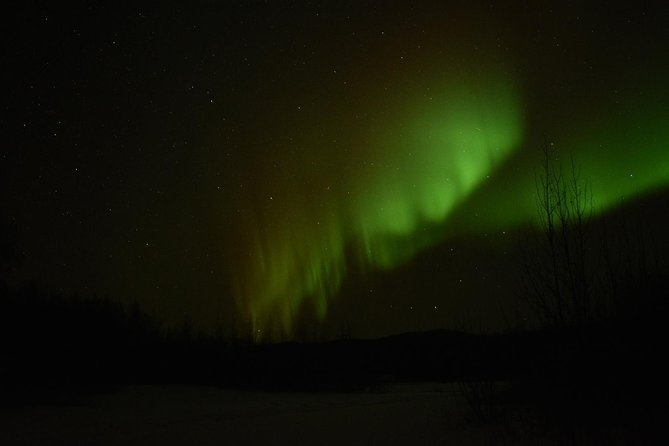
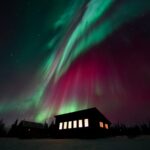
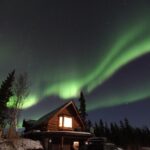
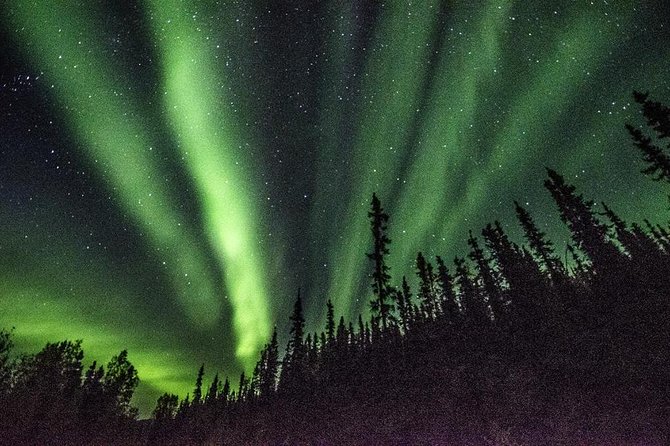
Here’s the reality: aurora can show up quickly and vanish quickly. This is why the tour doesn’t treat the lights as one single viewing moment. Instead, your guide starts watching as it gets closer to midnight and continues at multiple roadside stops on the return.
The plan described includes pull-offs at spots such as the Tolovana River and Wickersham Dome. The idea is simple: keep moving until the sky gives you a gap. In winter, clouds can be a deal-breaker, and weather is hard to predict in this part of Alaska.
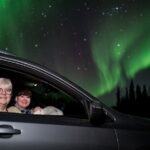
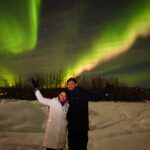
When the lights do appear, your guide typically helps you with practical photo behavior—where to stand, how long to wait, and when to swap positions. In the reviews, this comes through as guides who stop often and give you time to get photos instead of rushing everyone back in immediately. Some guides even help with phones, so you’re not stuck filming through a foggy windshield.
Even with the best chase, remember the tour cannot guarantee the aurora. If your expectations are realistic—some searching, some hope, and some patience—you’ll enjoy it more.
What you eat and drink while you’re freezing on purpose
This is one of the best “value” parts of the tour because cold makes everything harder: waiting, walking outside, and sitting in the dark.
You’ll get:
- Coffee and/or tea during the evening and/or stops
- Provided sandwiches, coffee, and homemade hot punch at the Arctic Circle time window
- Dinner at Yukon River Camp on the route
The Arctic Circle meal timing matters. You’re already bundled up and cold, so warm food at the right moment is what keeps people alert while watching the sky. If you’re hoping for cozy comfort, this is the closest thing to it without leaving the road behind.
Two dietary notes to plan around: there are no gluten-free or vegan lunch options available. A vegetarian option is available if you tell the operator at booking. So if you have serious dietary needs, you’ll want to sort that early.
How rough is the ride really? Comfort, gear, and seat strategy
The Dalton Highway in winter is not gentle. You’re on an isolated road with snow, ice, and uneven surface conditions. One of the most common practical complaints is that the ride can feel bone-jarring for a long time, especially if you’re sitting in the back row or if the roads are muddy and tricky.
A few things you can do that make a real difference:
- Dress in layers and plan for extreme winter cold. Cold-weather gear is not provided.
- Bring comfort aids you can manage in a van: a hat/hood that blocks wind, thick socks, and anything you can use to stay warm while you step out quickly.
- Rotate seats so you’re not stuck with the worst bumpiness all night.
- Consider bringing a pillow or something to support your head if you’re prone to neck fatigue. The trip is long and dark.
If you have mobility concerns, note the tour requires being able to enter and exit the van with limited assistance. Contact the office if you have any special needs so they can tell you what’s realistic.
Cancellations, delays, and the “Alaska math” behind the risk
This tour lives by the rules of winter travel. The weather can change fast. Too many clouds can reduce aurora chances, and the tour notes it won’t offer refunds for that. Road conditions can also lead to cancellation if it becomes unsafe.
That risk is worth thinking through in two ways:
- If you can be flexible with dates, you’ll handle cancellations better.
- If you only have one tight night in Fairbanks and you need guaranteed aurora, you might prefer a different style of plan where you can swap locations more easily.
There’s also a practical takeaway: because this is far outside normal services, the operator prioritizes safety when conditions turn dangerous.
Who should book this Northern Lights & Arctic Circle tour
This tour is a strong fit if you want:
- A guided way to reach the Arctic Circle without driving the Dalton Highway yourself
- A small-group pace with a cap of 8 people
- Someone managing the “where do we stop now” problem for northern lights
- Warm food and regular breaks during a long winter night
It’s not the best match if:
- You’re highly sensitive to rough rides or long periods in a van
- You need guaranteed aurora viewing no matter what
- You require gluten-free or vegan lunch options that aren’t available on this itinerary
- You’re traveling with children under 10, since the tour notes safety concerns for younger kids
If you want daytime scenery, consider pairing this with a different daytime arctic experience. This particular tour prioritizes the night hunt.
Should you book it: my practical call
Book this tour if your goal is the Arctic Circle plus a serious attempt at the northern lights, and you’re willing to accept that winter in Alaska means uncertainty. The combination of Fairbanks hotel pickup, a small-group van (8 people), and guides who keep chasing the sky—like Coltin, Shannon, Jessica, and Guy—turns a long, cold day into a story you’ll remember.
Don’t book it if you’re looking for comfort-first or scenery-first travel. The timing starts in the afternoon, darkness arrives fast, and the road can feel rough for many hours.
If you go in with realistic expectations, this is a good way to make the far north feel reachable—one carefully chosen road turn at a time.
FAQ
What time does the Northern Lights & Arctic Circle tour start?
Pickup happens from your hotel in Fairbanks city limits after a 2:00 pm start time. The exact pickup time is sent to you the day before your tour.
How long is the tour?
The tour runs about 12 to 14 hours (approximately), finishing with hotel drop-off in the early morning hours.
Will I see the northern lights for sure?
No. The northern lights are a natural occurrence, and they cannot be guaranteed. The tour notes that poor weather and clouds can affect sightings, and refunds are not available for cloudy conditions.
What food and drinks are included?
You’ll have dinner at Yukon River Camp, plus coffee/tea and sandwiches, coffee, and homemade hot punch during the Arctic Circle portion.
Are gluten-free or vegan meals available?
Gluten-free and vegan lunch options are not available. A vegetarian option is available if you tell the operator at booking.
What transportation is used and how many people are on the van?
You travel in a climate-controlled van, with a maximum of 8 travelers per passenger van.
Is cold-weather gear provided?
No. You should dress in layers for extreme winter temperatures, because cold-weather gear is not provided.