REVIEW · REYKJAVIK
Reykjavik: Northern Lights Adventure Tour with Hot Chocolate
Book on GetYourGuide →Operated by Soleil de Minuit · Bookable on GetYourGuide
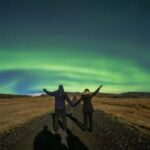
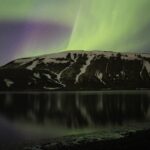
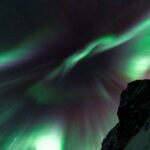
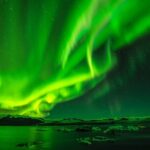
Aurora nights can be hit-or-miss. This Reykjavik Northern Lights tour tries to stack the odds with smart guiding, dark-sky driving, and warm hot chocolate. Two things I really like: the guide-led explanation of what’s happening in the sky, and the way you’re moved to better viewing spots when clouds or lighting get in the way. The main drawback? Seeing the lights isn’t guaranteed, because Iceland weather has veto power.
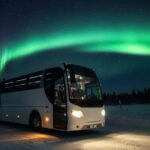
Pickup is spread across central Reykjavik, so you’re not stranded on the edge of town with everyone else. On the tour, you’ll get comfortable transport away from light pollution, then guided time outdoors to watch for the Aurora Borealis. It’s weather-dependent, and sometimes you’ll wait.
If you go in expecting a sure thing, you’ll be disappointed. If you go in prepared to dress warm, watch patiently, and work with your guide, this is a solid way to chase the aurora without doing the logistics alone.
In This Review
- Key points to know before you go
- Reykjavik Aurora Search: What a 3.5-Hour Tour Really Gives You
- Pickup Around Central Reykjavik: Choose Your Bus Stop
- Getting the Science Right: Why the Guide’s Explanation Helps
- Chasing Dark Skies: Drives, Photo Stops, and the Waiting Game
- Hot Chocolate Comfort on a Cold Night (And Why It’s Not Just a Cute Add-On)
- Photography Help: From Faint Arcs to iPhone Night Shots
- Value for $67: Why the Retry Option Changes the Math
- Who This Tour Suits Best (And Who Should Look Elsewhere)
- Practical Tips to Improve Your Chances (Without Promising Magic)
- Should You Book This Northern Lights with Hot Chocolate Tour?
- FAQ
- How long is the Northern Lights tour from Reykjavik?
- Where are the pickup points in Reykjavik?
- Is transportation included?
- Does the tour include hot chocolate?
- Can I guarantee seeing the Northern Lights?
- What happens if the Northern Lights are not seen on the tour?
- Will the tour be rescheduled if weather cancels it?
- Is the tour guide available in English?
- Is this tour suitable for kids or people with mobility issues?
Key points to know before you go
- Multiple Reykjavik pickup options: choose from City Hall, Culture House, Old Harbour area (Vesturbugt), FossHotel area (Höfðatorg), Hotel CABIN, and sometimes the cruise terminal area.
- A warm, practical setup: comfortable bus, warm hot chocolate, and time outdoors for real sky watching.
- The guide helps you read the sky: you’ll learn the science behind the aurora and why timing and cloud cover matter.
- You’re not stuck in one place: the route out of Reykjavik can change based on weather.
- Free retry if you miss it: if the aurora doesn’t show on your night, you can return the next day.
- Photos get attention: guide tips can help with low-light capture, including night settings on phones.
Reykjavik Aurora Search: What a 3.5-Hour Tour Really Gives You
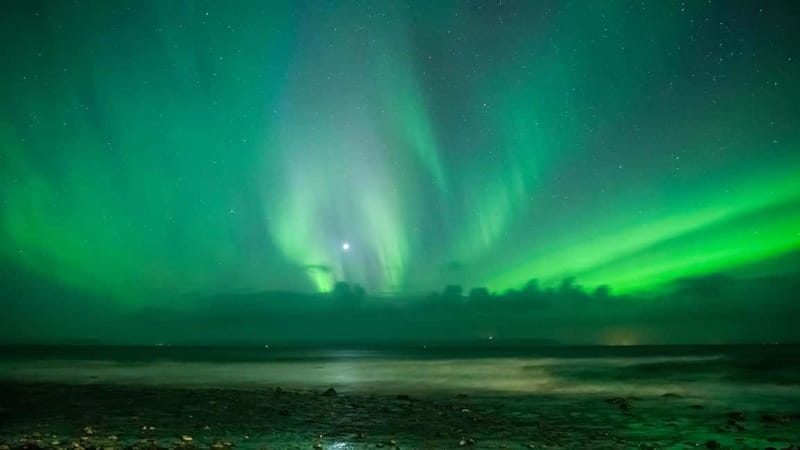
This is a short, focused outing—about 3.5 hours—designed for one mission: finding dark skies far from Reykjavik’s glow and watching for the aurora. That brevity matters. A lot of DIY plans fall apart because people spend hours driving, arguing with weather apps, and then arrive too late to enjoy the night properly.
Here, the structure is simple: you get picked up, you ride out away from city lights, you get guided context while you look up, and then you’re brought back. The tour also builds in flexibility by changing direction based on what the conditions look like. In plain terms: you’re paying for someone else to do the “where should we go now?” part.
You can also read our reviews of more tours and experiences in Reykjavik.
Pickup Around Central Reykjavik: Choose Your Bus Stop
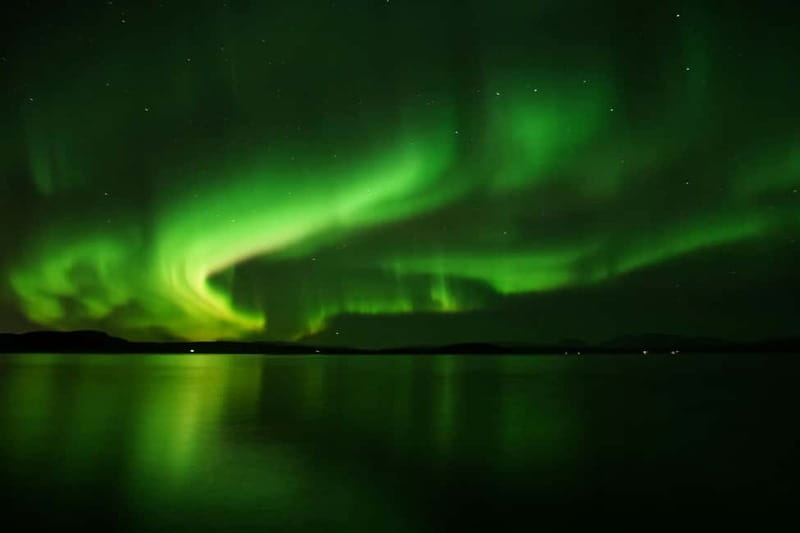
Pickup starts 45 minutes before departure, and you select one of several city-center meeting points. The most convenient stops tend to be the ones near major landmarks and areas people already use for walking routes—like City Hall, Culture House/Safnahúsið, and the Old Harbour vicinity (Vesturbugt).
A helpful way to think about it: the tour is built to be accessible from multiple neighborhoods. So if you’re staying near one cluster of hotels or apartments, you can usually avoid a long taxi ride to a single “official” pickup point. If you’re on a cruise or near the Skarfabakki area, that cruise terminal pickup option can also make things easier.
One caution: confirm your exact pickup point in advance. Reykjavik is compact, but at night, the few minutes walking between stops can feel long when you’re dressed for cold weather and standing around before the bus arrives.
Getting the Science Right: Why the Guide’s Explanation Helps
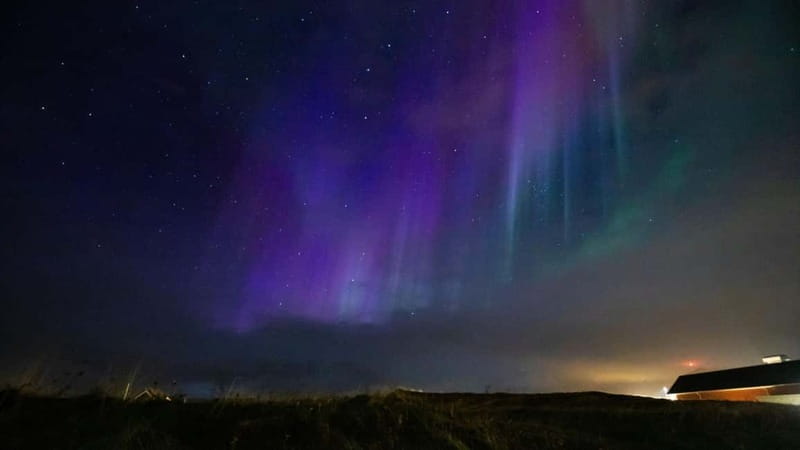
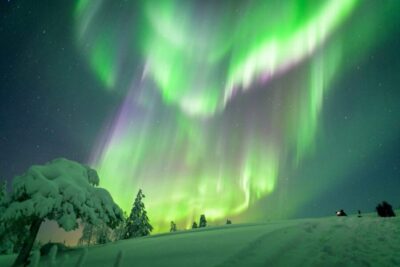
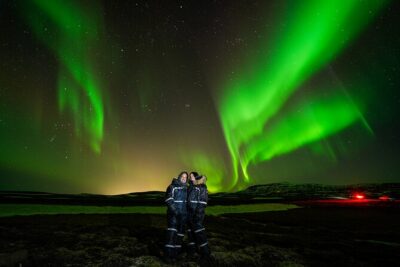
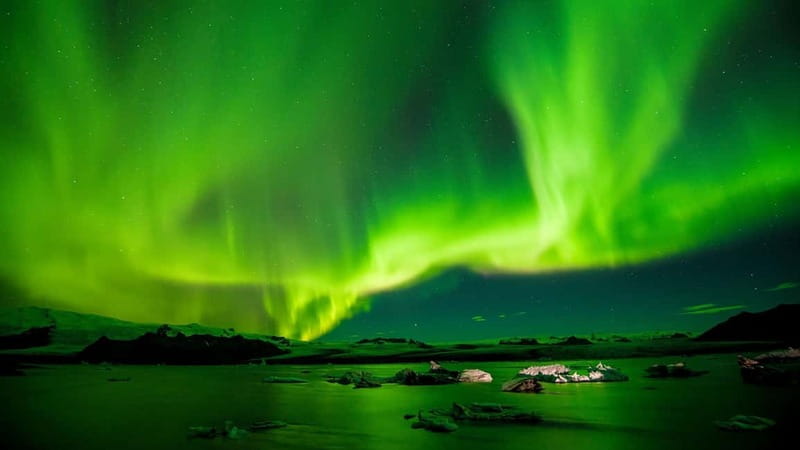
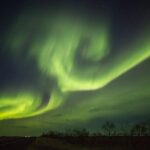
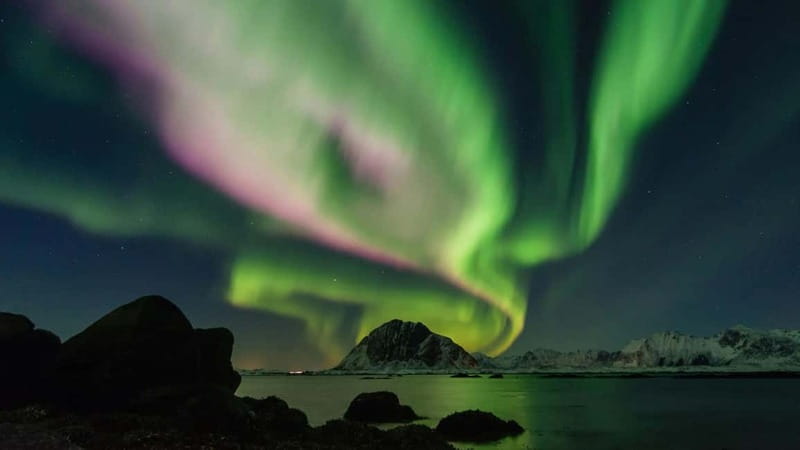
The tour isn’t just “bus → look at sky → bus back.” You’ll learn the science behind the Northern Lights, including the basic cause: charged particles from the sun interacting with Earth’s magnetic field and emitting light in the upper atmosphere. You’ll also hear why the colors you see—often greens, with possible pinks and purples—depend on the atmospheric process and how the aurora is behaving that night.
Why does this matter for your experience? Because it changes how you watch.
When you understand what affects visibility—dark skies, clouds, and aurora intensity—you stop treating missed sightings as total bad luck. You start recognizing what’s happening in the moment:
- If the sky is bright from nearby light sources, you know to reposition.
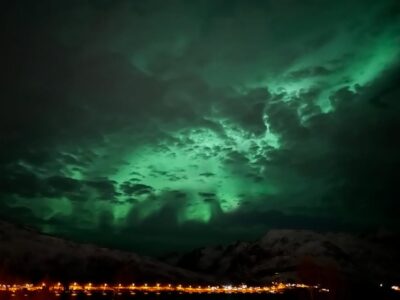
- If clouds roll in, you understand why your eyes might fail even when activity is happening somewhere else.
- If aurora forecasts show low confidence, you’re mentally prepared for faint arcs rather than dramatic ribbons.
Guides also play a big role in low-light survival. In the feedback I was given, names like Rachael and driver Clermont/Claremont show up as especially attentive—patient when clouds interfere, and quick to guide people on camera settings so you can capture what you might not see with your naked eyes.
Chasing Dark Skies: Drives, Photo Stops, and the Waiting Game
Expect a comfortable transfer from Reykjavik to a darker viewing area. The route out of town isn’t fixed. The description is blunt (and correct): which direction you drive depends on the weather. That’s one of those details that separates “a tour” from “a tour that actually adjusts.”
On the way and during the hunt, you’ll also have guided time outdoors. Your guide will talk as you watch, and you’ll get photo stops when conditions look promising. You might spend time at one location, then move again if the sky doesn’t cooperate.
This is where the best tours earn their money. The aurora is unpredictable, and sometimes your first stop is disappointing—faint at best, or blocked by cloud. The pattern I kept hearing about is: the team waits, checks what’s happening, and then moves when the timing improves. One person even mentioned less than 30 minutes of waiting before seeing aurora after the guide used forecast and cloud checks to time a better viewing window.
A practical tip for your mindset: plan for waiting to be part of the process. If you can stay calm and keep looking upward (instead of constantly checking your phone), your odds improve simply because you’re ready when the sky finally delivers.
Hot Chocolate Comfort on a Cold Night (And Why It’s Not Just a Cute Add-On)
Cold nights can make short outings feel much longer. Having hot chocolate included sounds simple, but it’s a real comfort lever. You’re standing outside, often in wind and darkness. Warmth helps your hands, your face, and your focus—so you can actually enjoy the sky instead of spending the whole time thinking about your next jacket adjustment.
In the feedback tied to this tour, the hot chocolate gets praised as genuinely good (not watered-down “tour cocoa”). People also liked the sense that the bus ride stayed comfortable, with one note about even having a small toilet onboard to handle the practical side of long waits.
If you’re the type who tends to get cold fast, this kind of built-in warmth is what turns the experience from tolerable to memorable.
Photography Help: From Faint Arcs to iPhone Night Shots
Most first-timers learn a tough truth quickly: what your eyes see and what your camera captures are not always the same. The northern lights can be faint. You might see a vague glow or arc, but your phone camera may pull out detail if it’s set up right.
This tour includes photo opportunities and guide guidance. A standout detail in the feedback: one guide taught night shooting on iPhones to improve results. That’s useful, because it saves you from experimenting with settings while the aurora is already changing.
What to do as you shoot:
- Keep your camera steady (even better with a stable surface or support if you have one).
- Expect to take multiple tries. Aurora timing shifts quickly.
- If a spot feels too bright due to nearby vehicles, position yourself so headlights aren’t blasting your view. One comment suggested better parking/placement could improve brightness for photos.
You don’t need to become a photographer to benefit. The point is to reduce frustration. If your guide helps you nail the basics quickly, you leave with images you can actually use—not just blurry attempts and cold regrets.
Value for $67: Why the Retry Option Changes the Math
At $67 per person, this tour isn’t just paying for a guide—it’s paying for risk management. Northern lights tours elsewhere often feel like a gamble with no safety net. Here, you get a meaningful buffer: if you don’t see the aurora during your scheduled trip, you get a free retry the next day.
That matters because aurora failure isn’t usually about effort. It’s about cloud cover, timing, and solar activity. If your first night is socked in, you shouldn’t be forced to pay again just to have another shot.
The tour also notes rescheduling if the tour is canceled due to weather. In Iceland, weather can be dramatic and decisive. A good company won’t treat your night like a stubborn plan. It treats it like reality.
So the best way to frame value: you’re paying for guided searching + transport + warmth on one night, with an extra chance if the sky doesn’t cooperate.
Who This Tour Suits Best (And Who Should Look Elsewhere)
This is a great fit if you want:
- A guided aurora experience without renting a car
- A short, efficient evening plan
- A tour that tries to move based on conditions rather than staying rigid
It’s also a good choice if you enjoy the “why” behind the sky—not just the wow factor. The guide’s science explanation is a core part of the value.
On the other hand, this one isn’t for everyone. It’s not suitable for children under 8, and it’s not suitable for wheelchair users or people with mobility impairments. Pets aren’t allowed either. If you’re traveling with someone who needs accessible support, you’ll want a different format of tour.
If you’re solo, this can also be a confidence boost. You get pickup logistics solved, you’re bundled into the right viewing timing, and you’re not negotiating dark-road decisions at night.
Practical Tips to Improve Your Chances (Without Promising Magic)
The aurora is real, but it’s also not obedient. So you want to stack the practical deck:
Dress for standing still. Wear warm clothing and bring layers you can adjust. One piece of advice that came up: dress warmer than you think, because you’ll be outside waiting. Hand warmers are also a smart idea if you run cold.
Arrive ready to move. You’re being driven away from light pollution and likely to multiple areas. That means quick transitions: winter boots, gloves you can keep on, and a hood that actually blocks wind.
Give your eyes time. Even when the aurora is present, it may be faint at first. Keep looking upward through your waiting period. A guide that checks conditions and times a better window helps a lot here.
Plan to be flexible about expectations. Sometimes you’ll get bright, green displays; sometimes you’ll get faint arcs and pinkish tones in photos. The tour’s science explanation makes that range easier to accept.
Should You Book This Northern Lights with Hot Chocolate Tour?
I’d book it if you want a low-stress Reykjavik aurora night with comfort built in and a real safety net (the free next-day retry) if the aurora doesn’t show. The guide-led approach is the difference-maker: learning the science while you watch helps you interpret what you’re seeing, and the extra attention to photo settings (including phone night shooting) can turn a faint sky into a usable memory.
I’d think twice if you need an always-guaranteed show, or if accessibility needs don’t match the tour’s comfort-outdoors setup. Also, if you’re extremely sensitive to cold standing and you don’t plan for it, you’ll feel the waiting more than the experience.
If you go in prepared, this is the kind of night that can deliver more than you expected—plus you’ll get warm cocoa while you wait for the sky to do its thing.
FAQ
How long is the Northern Lights tour from Reykjavik?
The tour duration is about 3.5 hours.
Where are the pickup points in Reykjavik?
Pickup is available from multiple central Reykjavik locations, including City Hall (Ráðhúsið), Culture House/Safnahúsið, Vesturbugt near the Old Harbour, Höfðatorg (FossHotel Reykjavik area), Hotel CABIN, and a cruise terminal area at Skarfabakki 312 depending on the departure.
Is transportation included?
Yes. You get transportation in a comfortable bus, and the tour includes pickup and drop-off.
Does the tour include hot chocolate?
Yes. Hot chocolate is included to keep you warm.
Can I guarantee seeing the Northern Lights?
No. Sightings depend on weather and sky conditions, so Northern Lights are not guaranteed.
What happens if the Northern Lights are not seen on the tour?
If the lights are not seen on your tour, you get a free retry the next day.
Will the tour be rescheduled if weather cancels it?
Yes. If the tour is canceled due to weather, you can get a free reschedule to the next evening.
Is the tour guide available in English?
Yes. The live tour guide operates in English.
Is this tour suitable for kids or people with mobility issues?
No. It is not suitable for children under 8, wheelchair users, or people with mobility impairments.