REVIEW · FAIRBANKS
Northern lights and Aurora Photgraphy with Warm Geodesic Dome
Book on Viator →Operated by Howling Bay Kennel · Bookable on Viator
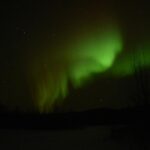
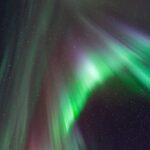
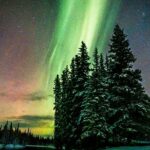
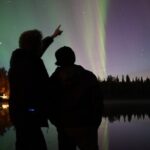
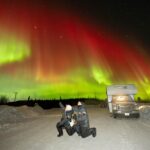
Northern lights feel close tonight in Fairbanks. This small-group night tour combines a warm geodesic dome with bonfire time and aurora-spotting north of town, so you’re not just standing in the dark hoping for the best. It’s built for people who want a comfortable plan, plus guidance for getting real aurora photos.
I like the comfort details that make a big difference in Alaska. You get hot drinks, snacks, and s’mores while the sky does its thing, which turns a cold waiting game into something you can actually enjoy.
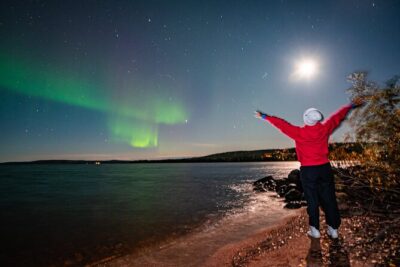
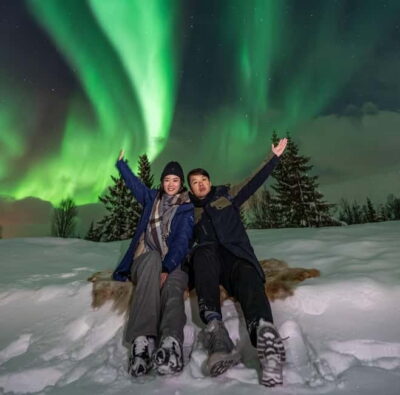
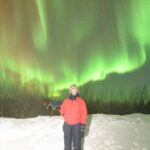
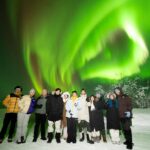
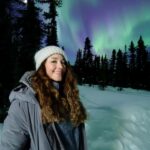
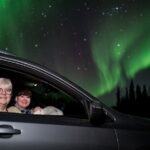
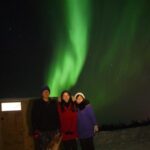
I also like the photo support. The team will take your picture under the lights and can help with your camera gear, so you’re not stuck guessing settings while the aurora moves.
One thing to consider: the Northern lights can be weather-dependent. The tour may move locations (including dome time versus driving for better viewing) based on conditions, so you should dress for real cold and stay flexible.
In This Review
- Key things to know before you go
- Why a warm geodesic dome changes the whole aurora hunt
- Pickup, timing, and how the night usually flows from 10 pm onward
- Stop-by-stop: White Mountain, Elliott Highway, and the Chena River areas
- White Mountain
- Elliott Highway
- Chena River Lakes Recreation Area
- Chena River State Recreation Area
- Aurora photography help that actually reduces stress
- Hot chocolate, snacks, and the bonfire homestead rhythm
- Who this tour suits best in Fairbanks
- Price and value: is $200 per person fair?
- The one drawback to plan for: aurora timing can change the script
- Should you book this Northern Lights + warm dome tour?
- FAQ
- Is the Northern lights viewing guaranteed?
- What time does the tour start and how long does it take?
- Do they pick me up in Fairbanks?
- Is there a warm geodesic dome during the tour?
- What warm drinks and snacks are included?
- Does the guide help with aurora photography and camera settings?
- What if the weather is poor?
Key things to know before you go
- Warm dome time means you can step inside to thaw without giving up your shot at the lights
- Small group (max 12) keeps the night feeling personal rather than chaotic
- Pickup in Fairbanks cuts down on logistics for your one late night
- Aurora photo help includes assistance with gear and guided portrait-style shots
- Multiple photo stops give you different angles through the night as conditions change
Why a warm geodesic dome changes the whole aurora hunt
In Fairbanks, the hard part isn’t only seeing the aurora. It’s staying outside long enough to catch it, especially when temperatures drop fast.
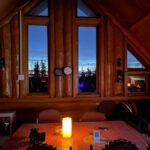
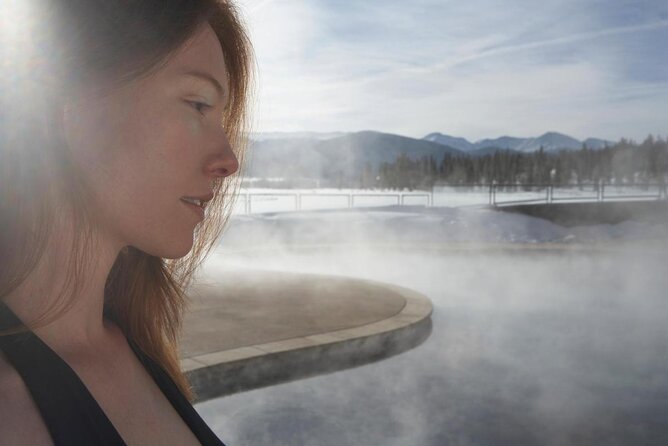
This tour uses a geodesic dome as a warm-up base. When the sky is being moody, you can return to heat, regroup, and then head back out when conditions improve. Past nights have included a wood fire stove vibe in the dome setup, and that kind of steady warmth makes a huge difference if you’re traveling with kids, or if you’re not used to long cold waits.
The dome also helps you focus. When you’re not shivering, you can actually watch the sky for movement and decide when to shoot. That’s when aurora photography goes from luck to skill—without turning the night into a technical workshop.
You can also read our reviews of more tours and experiences in Fairbanks.
Pickup, timing, and how the night usually flows from 10 pm onward
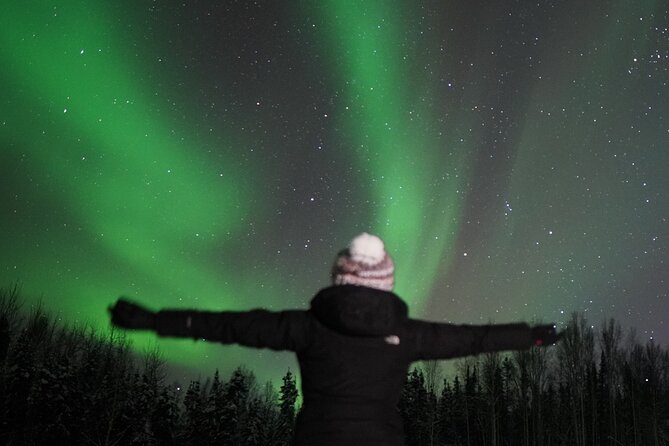
The tour starts at 10:00 pm and runs about 5 hours on average, returning you to the same Fairbanks meeting point area. They pick up from Fairbanks city locations with good access, so you’re not spending your night trying to figure out parking and road timing in the dark.
In the real world, aurora nights can stretch. If lights are weak early, the group may spend more time on scouting and photo stops before heading back. So I plan this as a late-night commitment, not a quick in-and-out activity.
The group size matters here. With a maximum of 12 travelers, the guide can respond to the moment—where people want to stand, who needs help, and whether it makes sense to stay put or relocate.
Stop-by-stop: White Mountain, Elliott Highway, and the Chena River areas
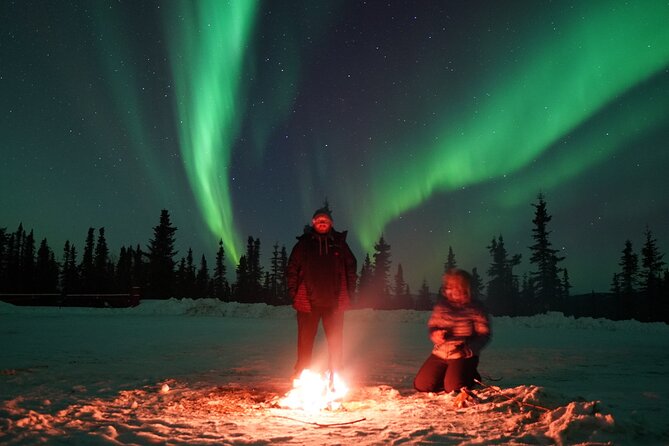
Your route is built around changing viewing chances, not one single magic spot. You’ll stop at White Mountain, then move along the Elliott Highway, and later hit Chena River Lakes Recreation Area and Chena River State Recreation Area, with Fairbanks as the final return point.
Here’s how I think about these stops, practically:
White Mountain
This is often where you go for open-sky viewing opportunities. Higher or more exposed spots can help you line up the stars and aurora with a clear view upward, which matters for photos.
Elliott Highway
This drive-and-pull-over stretch gives you flexibility. You can reposition when cloud cover shifts or when the aurora activity changes. It’s also useful because it’s easier to adjust angles for foregrounds—trees, road lines, or darker edges of the area—without losing too much time.
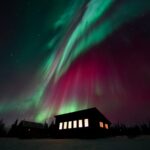
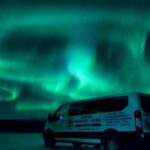
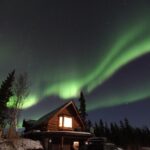
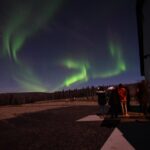
Chena River Lakes Recreation Area
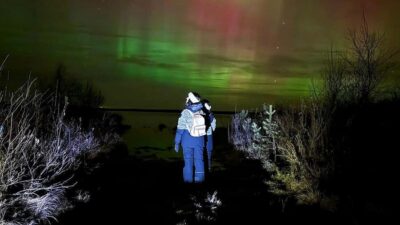
Water and open ground can make aurora reflections possible when conditions cooperate. Even when the lights aren’t super strong, you can still get interesting composition, especially with a long exposure and a darker foreground.
Chena River State Recreation Area
This is another attempt at better viewing chances. Multiple stops like this are about one thing: keeping your chances alive as the sky evolves.
Throughout all of this, the guide may mix in dome time. The plan can be dome-first, then drive; or drive-first, then dome; depending on conditions and the aurora forecast.
Aurora photography help that actually reduces stress
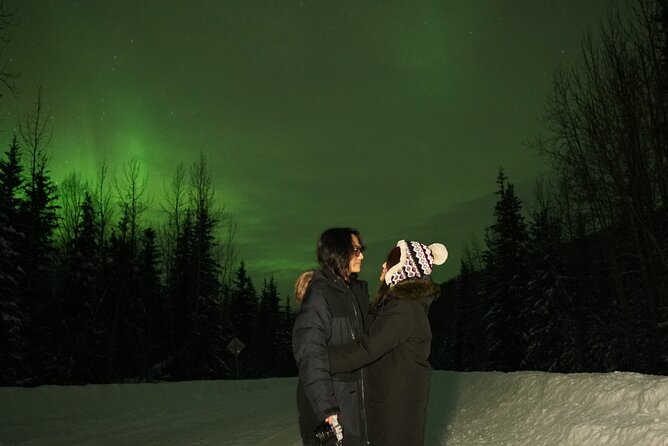
Aurora photography has two problems. The lights are faint sometimes, and your camera can get confusing fast (manual settings, focus, long exposures, tripod timing, and the fact that you’re cold).
This tour addresses both. The description includes time for aurora photo opportunities, plus help with camera gear. You’ll also have your picture taken under the lights, and the guide can assist with getting you a better shot.
In past experiences with guides like Tabitha and Kevin, people have specifically mentioned help with camera settings and portrait-style shots using long exposure. Another guide mentioned in feedback is Cynthia, with photos taken during the dome experience. That points to a pattern: this isn’t only about watching the sky; it’s also about helping you translate what you see into an image.
Still, I’d treat photos as a bonus, not the only reason you book. One downside showing up in feedback for similar experiences is that photo expectations can be tricky night-to-night. If photos are a major part of your budget, confirm how and when they’ll be delivered before you go.
Hot chocolate, snacks, and the bonfire homestead rhythm
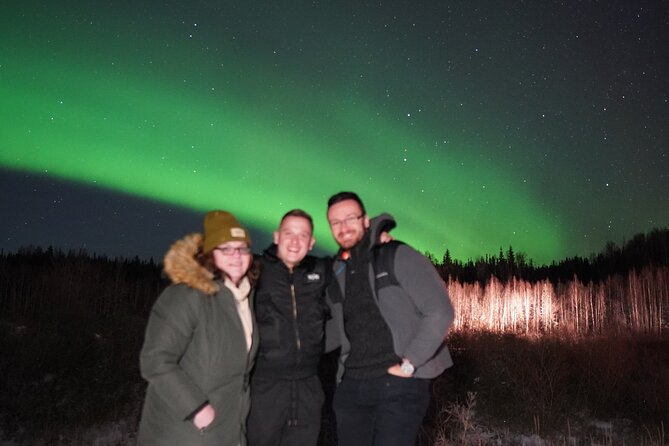
This is the part that makes the tour feel like a night out, not a “work assignment in the cold.” You’ll have hot chocolate, plus coffee/tea and s’mores and snacks during the viewing window.
The schedule also includes warming around a bonfire at the homestead location. That means you’re not just heating your hands in a dome—you can also enjoy a social, calmer moment with the group as the sky shifts.
One small practical tip I’d follow from what’s been shared by people who survived the cold well: bring your own water if you can. In extreme cold, containers can freeze quickly, and staying hydrated helps you enjoy the night without feeling sluggish.
Who this tour suits best in Fairbanks
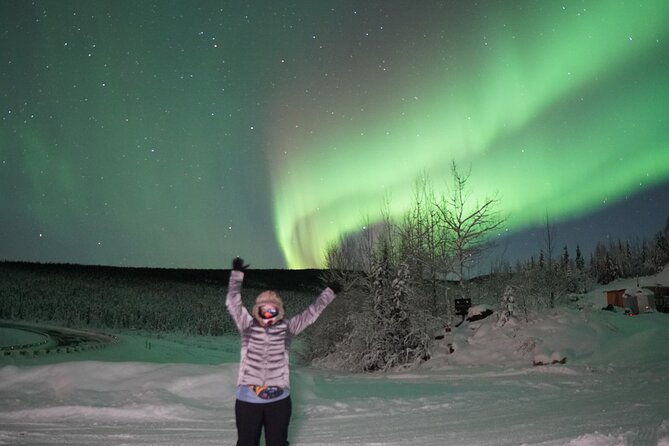
This tour fits best if you want the aurora experience without doing all the scouting work yourself.
I’d especially recommend it for:
- First-timers who want the guide to choose spots and timing
- Couples who want a cozy viewing setup and photo help
- Families who need warmth between outdoor viewing
- Solo travelers who don’t want to navigate unfamiliar roads at 2 am
If you’re the kind of traveler who loves planning your own aurora night—driving to multiple spots, scouting, and controlling every variable—you might prefer a DIY approach to keep costs down. But the dome and guided photo support are exactly where this tour can feel worth it.
Price and value: is $200 per person fair?
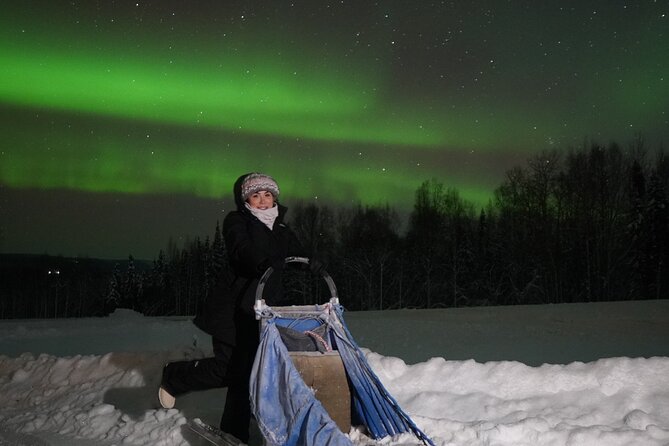
At $200 per person, this is not the cheapest way to chase the northern lights. The value depends on what you care about most: comfort, guidance, and not having to manage logistics.
Here’s what’s baked into the cost:
- Fairbanks pickup and drop-off (so you’re not managing a late-night drive)
- A small group (max 12), which supports a more personal pace
- Warm dome and bonfire time that makes waiting bearable
- Hot drinks and snacks/s’mores during the viewing
- Photo assistance and portrait-style shots, plus help with camera gear
If you’ll be standing outside in -20F conditions for hours, comfort becomes more than a nice-to-have. Warmth helps your body stay functional, which helps your attention and photo timing.
Where the value can feel lower is when aurora activity is weak that night. Northern lights aren’t guaranteed, and the tour may shift locations or adjust how long you stay in any one spot. If your heart is set on getting a bright, dancing sky photo, you’re taking a gamble with any aurora tour.
So I see $200 as reasonable if you want a guided, warm, low-stress experience. I see it as expensive if you’re only paying for the lights and you don’t care about guidance, warmth, and photo help.
The one drawback to plan for: aurora timing can change the script
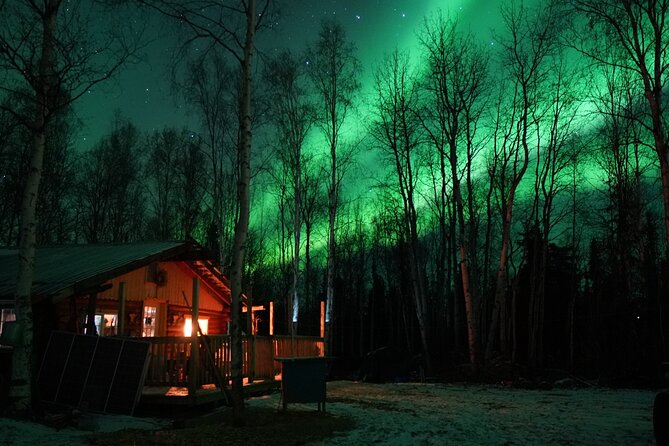
The description makes one thing clear: the guide’s plan can pivot based on weather and aurora activity. That means:
- You might spend time in the dome first, then drive
- You might drive for different photo opportunities instead of staying at the dome location
- The night could be adjusted repeatedly as conditions shift
That flexibility is usually a plus. But it also means you should go in expecting some uncertainty.
Also, dress like you mean it. Even with warmth built in, you’ll still spend time outside for viewing and photos. Bring gloves, a hat, and layers you can move in—because when the aurora shows up, you don’t want to waste time fighting your clothing.
Should you book this Northern Lights + warm dome tour?
I’d book it if you want:
- A warm base (dome + bonfire) during a long cold night
- A small group with pickup so you can focus on the sky
- Hands-on support for camera setup and aurora photos
- The ability to relocate when conditions change
I’d think twice if:
- Your priority is a guaranteed bright aurora photo (nothing here can promise that)
- You’re very strict about receiving photos in a specific format or timeframe, and you don’t want to confirm the details ahead of time
- You’re hoping for a quick, predictable 5-hour experience with zero variability
If you’re a Fairbanks first-timer, this tour is a solid way to do it. It lowers the stress. It keeps you warm. And it gives you real support for turning what you see into what you’ll remember.
FAQ
Is the Northern lights viewing guaranteed?
No. The plan depends on weather and forecasted aurora activity, and the guide may move to different spots to improve your chances.
What time does the tour start and how long does it take?
It starts at 10:00 pm and runs about 5 hours on average.
Do they pick me up in Fairbanks?
Yes. Pickup is offered from all Fairbanks city locations with good access.
Is there a warm geodesic dome during the tour?
Yes. The experience includes time at the dome (and the tour may also travel for other photo opportunities depending on conditions).
What warm drinks and snacks are included?
Coffee and/or tea, hot chocolate, and s’mores are included, along with snacks.
Does the guide help with aurora photography and camera settings?
Yes. You can have your picture taken under the lights, and the team can assist with your camera gear to get the best photos.
What if the weather is poor?
This experience requires good weather. If it’s canceled due to poor weather, you’ll be offered a different date or a full refund.