REVIEW · SAARISELKA
Saariselkä: Aurora Hunting Photography Tour
Book on GetYourGuide →Operated by Arctic Timetravels · Bookable on GetYourGuide
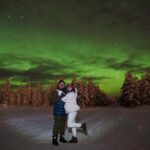
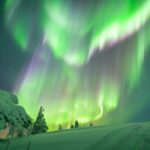
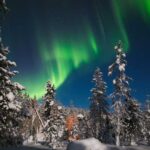
Northern lights work better when they move. This Saariselkä aurora hunting tour uses a comfortable minivan and lets guides like Ivan and Mikke chase clear skies instead of waiting in one dark field.
Two things I really like: you get aurora photography support as part of the trip (professional camera + tripod), and the guides actively explain what’s going on in the sky so it feels less like guesswork. One consideration: seeing the Northern Lights is never guaranteed, and you may spend some time outdoors in real winter cold even when the van ride is long.
In This Review
- Key Highlights at a Glance
- Saariselkä at Night: Why This Aurora Hunt Works
- Pickup and Minivan Comfort Around Saariselkä
- Secret Stop Energy: What the “Scenic Views” Part Means
- How Guides Hunt the Lights: Driving for Visibility
- Aurora Borealis 101: What You’ll Learn (and What You Can Ask)
- Warm Drinks, Snacks, and the Art of Staying Outside
- Aurora Photography Included: Camera Time Without the Learning Curve
- What to Pack for Lapland Cold Nights (So Your Trip Feels Good)
- Price and Value: Is $163 for 3 Hours Worth It?
- Who Should Book This Saariselkä Aurora Photo Hunt?
- Final Call: Should You Book This Aurora Hunt from Saariselkä?
- FAQ
- How long is the Saariselkä Northern Lights tour?
- What does the tour cost?
- Do I get pickup in Saariselkä?
- Is aurora photography included?
- Are the Northern Lights guaranteed?
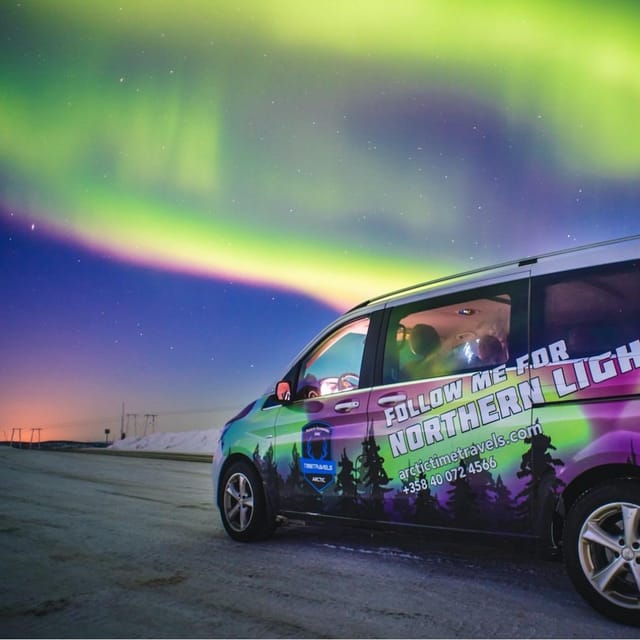
- What kind of vehicle is used?
- What should I bring for the cold?
- Are drinks allowed in the vehicle?
Key Highlights at a Glance
- Actual aurora hunting with driving to visibility instead of one “sit and hope” spot
- Small-group minivan comfort (seats 8–18) with pickup in the Saariselkä area
- Pro photo gear included: camera + tripod handled during the hunt
- Ask-anything guide time about the aurora, Lapland, and local culture
- Warm drinks and snacks during breaks while you wait for clear moments
Saariselkä at Night: Why This Aurora Hunt Works
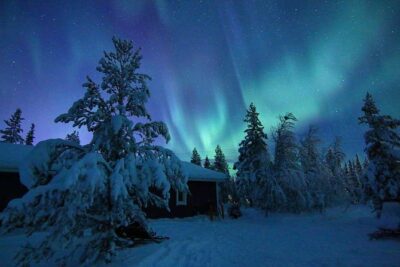
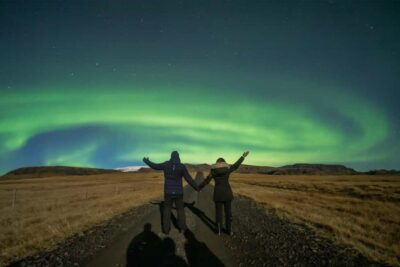
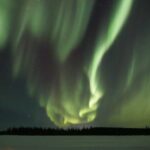
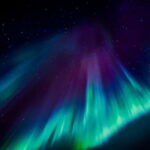
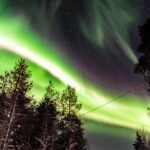
In Lapland, the Northern Lights aren’t a theater show with a fixed start time. They’re a natural event that depends on sky conditions, solar activity, and plain luck. What makes this tour appealing is the approach: you don’t just park somewhere and stare. You ride, scout, and reposition.
The tour’s structure is built for that reality. You’re based out of Saariselkä, then taken by van to spots with better odds—places that a small vehicle can reach when the forecast shifts. That matters, because with the Aurora Borealis, getting to the right darkness and the right view can be as important as how strong the lights are overhead.
Also, the guides bring a teaching style that turns the night into something you can understand. You’re not only hunting for color in the sky—you’re learning how the aurora behaves, why it appears where it does, and what to look for when it starts faint.
You can also read our reviews of more tours and experiences in Saariselka.
Pickup and Minivan Comfort Around Saariselkä
This is not a long-haul bus tour. You meet at Saariselkä, and pickup is included within a 15 km radius of the Saariselkä center. If you’re staying farther out, you’ll need to arrange your own meeting point.
Once you’re in the van, the big win is comfort. These are winter vehicles designed for groups—8 to 18 seats—so you’re not crammed into a tiny car for hours in the dark. That becomes a practical advantage on nights when the hunt takes longer than you expect. Several guides are described as careful drivers, and the overall transport score is very strong, which is what you want when temperatures drop and visibility on the roads changes fast.
One small rule to note: drinks aren’t allowed in the vehicle. Warm drinks are provided during stops, but plan on water or hot drinks being handled at the breaks.
Secret Stop Energy: What the “Scenic Views” Part Means
Your itinerary includes a return-to-hotel style flow: start in Saariselkä, move out for the hunt, then come back after the experience. There’s also a “secret stop” component with scenic views on the way, meaning the trip is not only transportation—it’s also part of the atmosphere of the night.
In plain terms, this is how the tour handles two problems at once:
- You’re using the drive time for positioning, not wasted time.
- You’re getting at least one meaningful stop where the sky and darkness may offer early chances.
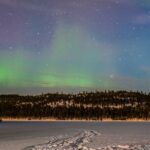
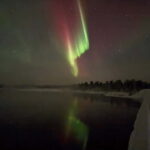
In some nights, guides end up at locations that feature wide open views—sometimes even a frozen lake setting shows up in past experiences—because flat horizons can help you spot more of the aurora pattern. You shouldn’t count on a specific scenery type, but you can expect that the “secret” part aims for view quality, not just novelty.
How Guides Hunt the Lights: Driving for Visibility
The biggest differentiator here is the way the guide team handles conditions. The tour is described as doing a real hunt: you don’t just pull up at one place and wait out clouds. You drive as far as feasible to find clearer skies, and you reposition depending on what the sky is doing.
That approach can pay off in two ways:
- You’re more likely to catch a break in cloud cover during active aurora periods.
- When the lights are faint, you’re better off being closer to optimal conditions—less cloud interference, better contrast, and calmer viewing.
From guide behavior shared in past trips, many focus on patience at each stop, then pivot quickly when the sky doesn’t cooperate. People also report that guides have extended time when aurora activity was showing promise. Even if the tour length is 3 hours on paper, the guiding style tends to prioritize time under the lights over rushing back immediately.
The mental shift you’ll want: treat this as a hunt, not a promise. When you come in expecting movement and scouting, you feel less disappointed and more involved.
Aurora Borealis 101: What You’ll Learn (and What You Can Ask)
This isn’t just a “look up” experience. The guide’s job is to help you make sense of what you’re seeing—or what you’re missing.
You can ask questions about:
- The aurora itself (what it is and how it behaves)
- Nature and weather patterns in Lapland
- Local culture and stories tied to the aurora
Some guides have been praised for sharing folk legends and even touching on Sami culture in the explanation. Others are noted for talking about how to spot aurora activity and what kinds of movement might mean the lights are strengthening. That kind of context is underrated. If you know what to watch for, faint aurora becomes easier to notice, and bright aurora becomes more exciting because you recognize the changes happening in real time.
Tip for your night: ask at the start what the guide considers a sign that the aurora is about to intensify. Then you can watch for those cues during stops instead of waiting passively.
Warm Drinks, Snacks, and the Art of Staying Outside
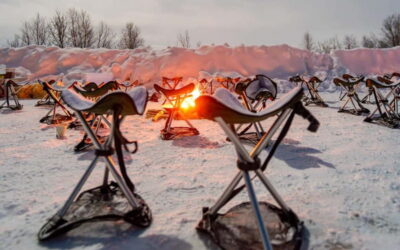
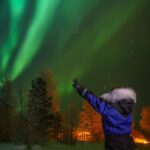
You’ll have breaks during the hunt, and that’s where the tour supports you in a very practical way: warm drinks and snacks. In cold climates, people underestimate how much comfort matters. It’s hard to enjoy the sky when your hands are numb or your energy crashes.
Also, cold nights reward good pacing. Even if the aurora is moving, your camera settings and framing take time. Having breaks built in helps you reset, warm up, and then step back outside ready to focus.
What to expect about the timing of breaks: it varies with weather and cloud behavior, because the guide is responding to conditions. But the overall plan includes pauses so you’re not freezing continuously in one long stretch.
And here’s a small but real life detail: one common challenge in Lapland is fogging—glasses, breath, and wet snow can ruin your view fast. If you wear glasses, keep that in mind. Dry cloth or anti-fog solutions can be a big help, even though the tour doesn’t list them explicitly.
Aurora Photography Included: Camera Time Without the Learning Curve
This tour includes photography with a professional camera, plus a tripod. That’s a big deal for two reasons.
First, you don’t need to be fluent in long-exposure settings. Aurora photography usually needs slower shutter speeds, stable framing, and patience. With a pro set-up handled for you, you’re more likely to walk away with clear images rather than blurry attempts.
Second, it gives you a chance to watch the aurora with your own eyes while also collecting photo results. Many people find that getting good aurora shots is easier with guidance—someone showing you when to press, where to aim, and how to hold steady.
Past trips also mention that guides help with your phone settings when possible. That’s not guaranteed, but the overall theme is support: the tour is designed so you’re not left figuring everything out at -20°C.
One more practical note: photos are shared at the end of the trip. Some people have reported download links sent later, so expect a follow-up rather than everything delivered instantly on-site.
What to Pack for Lapland Cold Nights (So Your Trip Feels Good)
Even with the van comfort, you’ll be outside enough to need serious winter gear. The tour asks you to bring:
- Warm winter clothing
- Hat
- Gloves
- Winter boots
Plus, the guidance says you should wear comfortable clothing for the van ride, because the ride can feel long depending on weather conditions. That matters if you’re sensitive to cold or you hate sitting still while snow falls.
If you want a simple packing checklist that matches what works on these hunts:
- Insulated boots with good traction
- Gloves you can actually keep on while holding still
- A hat that covers ears (aurora nights make wind feel personal)
- A warm jacket you trust for outdoor waiting
- Layers you can adjust when you move between warm van and cold stops
Your comfort doesn’t just affect enjoyment—it affects staying power. If you plan to last through faint aurora moments, you need warm hands and feet. That’s where the biggest “I’m glad I booked a tour” feeling often comes from: the hunt takes time, and you’ll want to be able to stay with it.
Price and Value: Is $163 for 3 Hours Worth It?
At $163 per person for a 3-hour experience, the value comes down to what you’d otherwise pay for.
If you try to do this independently, you’d need:
- A way to reach darker viewing areas (and drive safely in winter)
- A realistic plan based on cloud and aurora conditions
- Photo gear (camera, tripod) or the know-how to make your own images
- The patience and cold tolerance to stand outside for long stretches
This tour bundles the essentials: pickup in the Saariselkä area, van transport, an English-speaking guide, warm drinks and snacks, and professional camera/tripod aurora photography. For many people, that’s the difference between a frustrating night and a structured one where you maximize your chances.
It’s also not just about “seeing lights.” You’re paying for guidance and planning. Guides who actively hunt for visibility reduce the odds of wasting your night at the wrong time and place.
Who Should Book This Saariselkä Aurora Photo Hunt?
This tour is a strong fit if:
- You want a guided aurora hunt rather than a self-drive experiment
- You want help with aurora photography without learning camera settings from scratch
- You prefer a small group experience with a driver and guide handling logistics
It’s especially good for couples, small friend groups, and solo travelers who want structure and conversation during the night. If you like learning—about the sky, Lapland nature, or the stories people associate with the aurora—you’ll likely enjoy the guide-led explanations too.
It may be less ideal if:
- You’re extremely sensitive to cold outdoor waiting
- You need guaranteed conditions (the lights can’t be promised)
- You can’t meet the pickup radius and don’t want to coordinate your own transport to the start point
Final Call: Should You Book This Aurora Hunt from Saariselkä?
If your goal is to improve your odds—and to leave with photos—this is a smart, practical choice. The biggest strengths are the hunting mindset, the minivan-based comfort, and the fact that aurora photography is included. You’re not just paying for a drive; you’re paying for planning, scouting, and support in the cold.
So my advice is simple: book it if you’re ready for the reality of the aurora and you’d rather have experts working the problem than you wandering in the dark. If you can dress warm and stay patient, this kind of guided night is one of the best ways to turn Lapland’s sky into a memorable story.
FAQ
How long is the Saariselkä Northern Lights tour?
The tour duration is 3 hours.
What does the tour cost?
The price is $163 per person.
Do I get pickup in Saariselkä?
Yes. Pickup is included from the Saariselkä area within a 15 km radius of Saariselkä center.
Is aurora photography included?
Yes. Photography with a professional camera is included, and a tripod is part of the photography setup.
Are the Northern Lights guaranteed?
No. Seeing the aurora is a natural phenomenon and cannot be guaranteed, but the guides will do everything they can to find clear skies.
What kind of vehicle is used?
The provider uses three vans, including a Mercedes branded with Follow us for Northern Lights, plus two Volkswagen T5 vans (green army color and white).
What should I bring for the cold?
Bring warm clothing, a hat, gloves, and winter boots.
Are drinks allowed in the vehicle?
No. Drinks are not allowed in the vehicle, but warm drinks and snacks are provided during breaks.