REVIEW · FAIRBANKS
1 Day Shared Tour Arctic Circle and Aurora Viewing in Alaska
Book on Viator →Operated by Alaska Safari Sultan Tours · Bookable on Viator
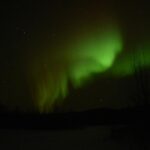
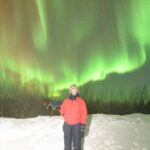
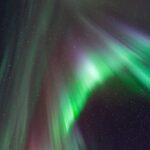
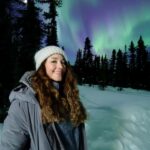
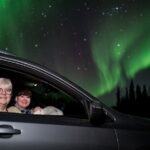
Aurora hunting is a long night worth planning for. This Fairbanks trip pairs the Arctic Circle sign visit with real-time Aurora-chasing stops along the Dalton Highway route, so you’re not stuck in one spot hoping for magic. The main tradeoff is simple: the northern lights are never guaranteed, and you may spend long stretches bundled up while the sky decides.
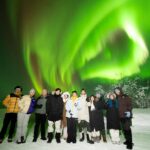
I like the focus on action over waiting—your guide can redirect to stronger aurora moments on the return drive. I also like the small-group feel, with caps listed around 10 to 14 people, which makes it easier to get quick photo turns and bathroom breaks without chaos. The drawback to consider is the pace and cold: you’ll be outside at night when it’s winter-dark and you’ll need to dress for standing still.
In This Review
- Quick Take: What Makes This Aurora Trip Work
- Dalton Highway Time: Why the Drive Is Part of the Point
- How Aurora Chasing Actually Works Here
- Elliot Highway at Night: The First Aurora Shot
- Yukon River Camp Indoor Dinner Break (and Why You Should Plan Around It)
- BLM Arctic Circle Sign at Night: The Big Moment
- James Dalton Highway and the Snow-Capped Magic Forest Stop
- Price and Value: Is 165 Per Person Fair?
- Comfort, Safety, and What to Bring
- Who This Tour Suits Best (and Who Might Be Happier Elsewhere)
- What You’ll Learn Along the Way
- Should You Book This Arctic Circle and Aurora Tour?
- FAQ
- How long is the Arctic Circle and Aurora tour from Fairbanks?
- Where do I meet the tour, and is pickup available?
- Is dinner included during the trip?
- Do I get northern lights photos?
- When can I expect to see the Northern Lights?
- How many people are in the group?
Quick Take: What Makes This Aurora Trip Work
- Small-group touring: capped around 10–14 people in a shared van, not a huge bus.
- Arctic Circle timing at night: aim for that BLM Arctic Circle sign stop around 7:30–8:00 pm (season dependent).
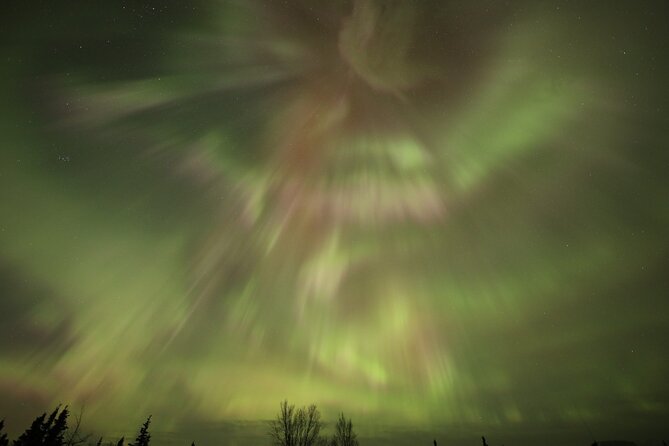
- Aurora strategy on the drive back: stops shift if the lights get stronger.
- Photo support included: you get aurora pictures, plus your guide is set up to help everyone get shots.
- A real dinner break mid-route: an indoor stop at Yukon River Camp, but dinner itself is not included.
Dalton Highway Time: Why the Drive Is Part of the Point
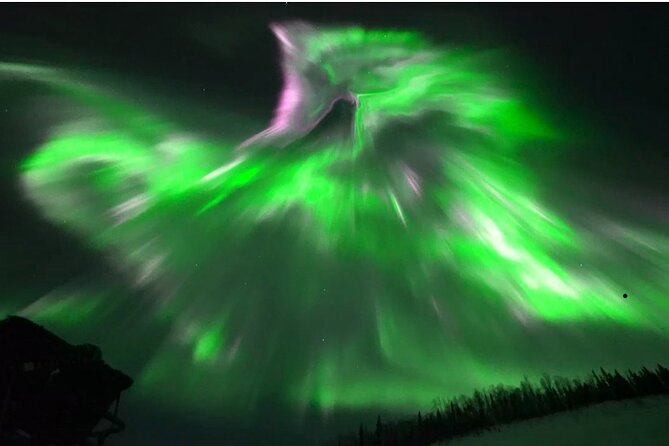
This is not a quick sightseeing dash. You’re in the van for about 12 hours and 30 minutes, which means the travel time isn’t filler—it’s when the northern lights can appear and when the guide can position you away from the worst light pollution.
Here’s what you should expect from the road itself: rougher conditions, gravel, and a bumpy ride in winter. Even people who love the adventure call it an off-road-style experience, so plan for motion and bring what you need to stay comfortable. And yes, you should assume you’ll lose cell service for long stretches, so download what you want before you head out.
Because it’s a shared tour, you’re also sharing the rhythm. You’ll stop for bio breaks and photo moments, but the group schedule still moves as a unit—so keep your expectations realistic if you’re hoping to sprint between stops.
You can also read our reviews of more tours and experiences in Fairbanks.
How Aurora Chasing Actually Works Here
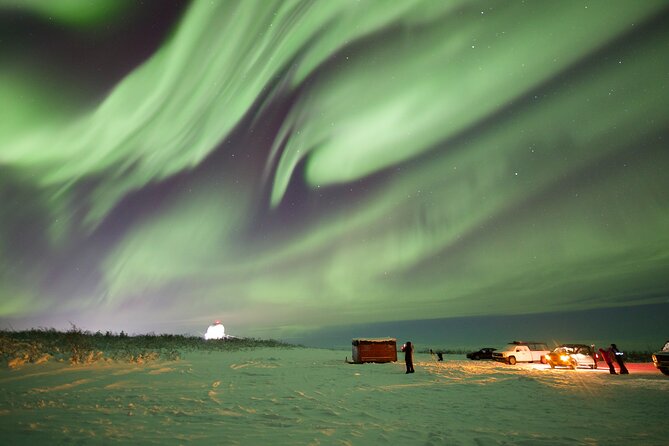
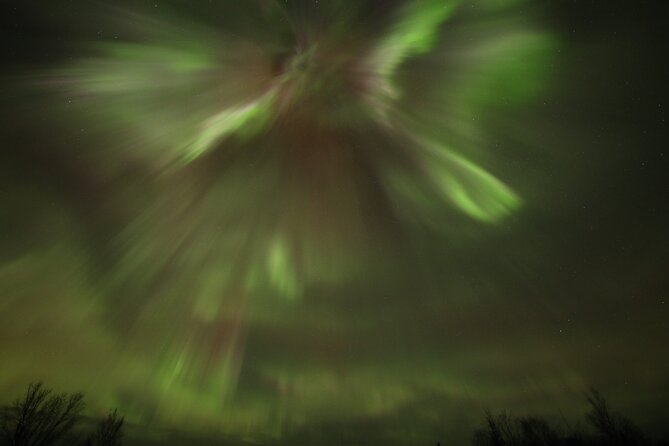
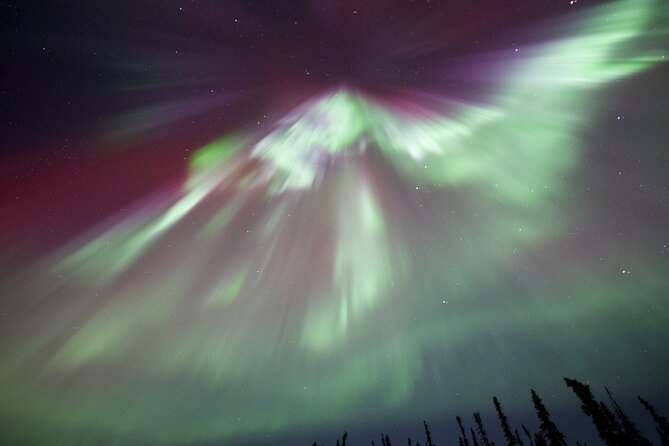
The northern lights come with a cruel rule: sometimes the sky gives you fireworks, and sometimes it gives you a faint suggestion. This tour leans into that reality by building in multiple night stops and by moving when conditions improve.
Your guide uses aurora forecasting ideas (like KP thresholds) and actual sky conditions to decide when and where to stop. One example from past nights: KP values and moonlight matter, and strong moonlight can wash out faint aurora. Cloud cover can also shut down visibility even when the forecast looks okay.
What I like is that this isn’t just one parking lot. You’re set up for a chain of opportunities: first a night stop on the Elliott Highway area, then the Arctic Circle sign timing, then additional chances along the Dalton Highway milepost area on the way back. It’s a “keep adjusting” approach, not a “wait and pray” approach.
Photo help is part of that plan. Aurora pictures are included, and guides in this operation are used to getting everyone lined up and taking shots during brief clearer windows.
Elliot Highway at Night: The First Aurora Shot
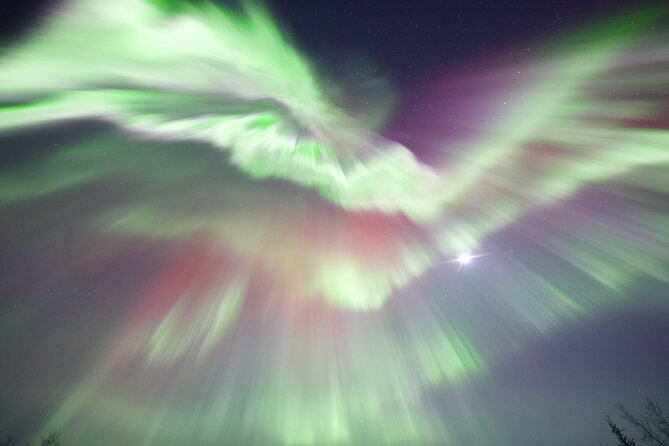
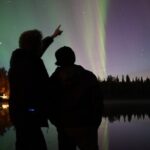
One of the early stops happens on the Elliott Highway at night. The idea is straightforward: if aurora is active, you can catch it early, and as you head back from the Arctic Circle direction, you can pause again whenever the lights look stronger.
This is a great setup for two reasons. First, you’re already out of town darkness, which improves your odds. Second, the stop is designed for flexibility: instead of a single fixed moment, the guide can watch for intensifying aurora and decide when to hold longer.
Practical note: if the lights are faint, your eyes can miss it while a camera catches it. So if you’re hoping for photos, keep your hands warm and be ready to step out quickly and stand still. Motion and impatience will blur your effort even if the aurora is there.
Yukon River Camp Indoor Dinner Break (and Why You Should Plan Around It)
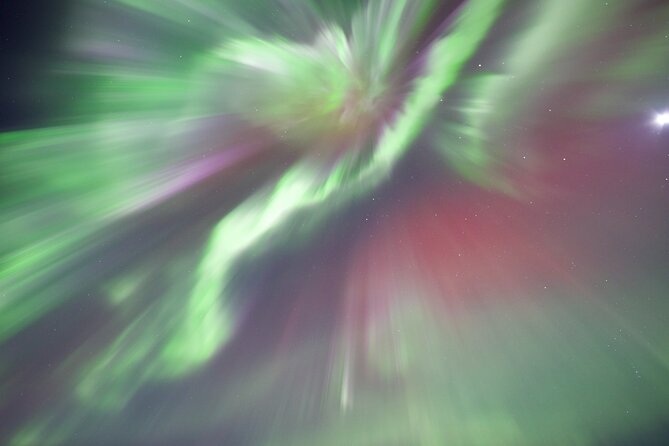
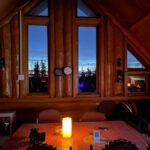
At the Yukon River Bridge area, you get a relaxing indoor dinner break at Yukon River Camp. The break is timed at about 50 minutes and is indoors, which matters more than people think in Alaska winter.
Dinner is not included, but you’ll have the chance to eat, warm up, and reset before the night’s next push. This stop also gives you a photo window after the meal, when the sky may still be active and you’re not frozen stiff from standing outside too long.
If you’re sensitive to cold, this is where the tour quietly earns points. You’re not stuck outside the whole time, and you’ll regain some feeling in your hands so you can actually take photos with confidence afterward.
BLM Arctic Circle Sign at Night: The Big Moment
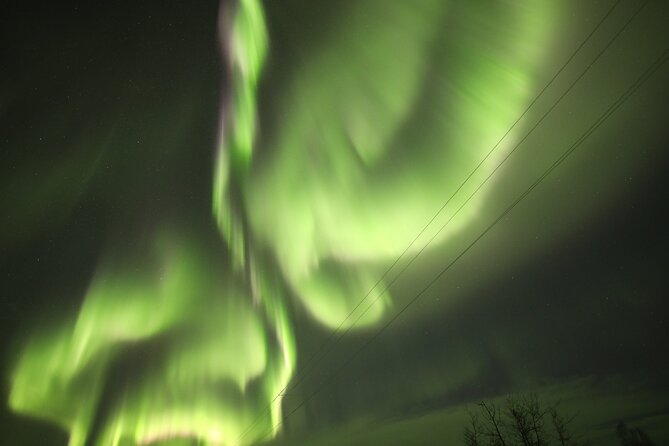
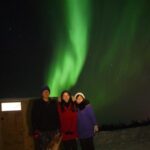
You arrive at the BLM Arctic Circle monument sign around 7:30–8:00 pm. This timing can matter because you’re operating in polar-night conditions during the November–February season window mentioned for aurora chances at this specific stop.
The tour’s guidance around this point is clear: from November to February, aurora visibility at the Arctic Circle sign can improve if forecast KP is at least 3 or higher. If the KP is lower, you might still get aurora activity, but it can be faint, brief, or partly blocked by clouds.
What makes this stop special is that it’s not just a checkbox. You’re aiming for the Arctic Circle experience during the hours when aurora is most likely to happen, and you’re also building in other stops so you’re not dependent on only one location.
A small caution: when the aurora doesn’t hit right at your stop time, it can feel like the day was mostly driving. That’s true of almost all Aurora-into-the-wild tours. The difference here is that the return drive includes additional chances, so you’re not stuck waiting only at the sign.
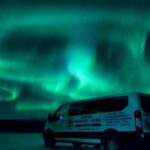
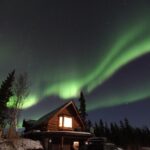
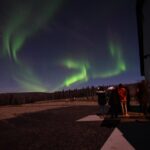
James Dalton Highway and the Snow-Capped Magic Forest Stop
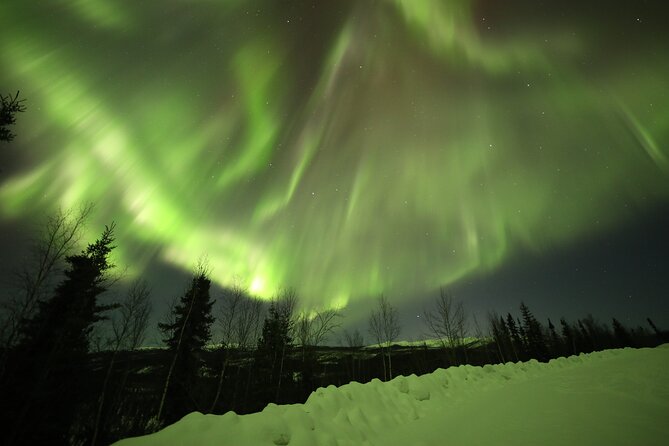
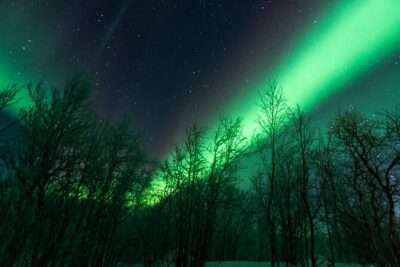
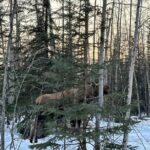
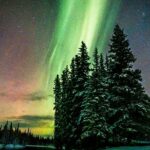
On the James Dalton Highway stretch, you’ll stop at a milepost for a photo-and-walk moment. The highlight people mention is the “magic forest”: snow-capped trees that look unreal against the night sky.
This stop can be short—about 30 minutes. That means you should treat it as a quick reset and photo session, not a long hike or sightseeing loop. If aurora is active at that moment and the sky cooperates, you could also catch lights here, not only earlier in the evening.
Even when aurora is weak, I’d still recommend this part because it gives you something different from the standard “stare at the sky” experience. In winter, those tree silhouettes can be gorgeous, especially after a day when you’ve been thinking about only one thing: the lights.
Price and Value: Is 165 Per Person Fair?
At $165 per person for a long shared ride, this is usually good value compared with options that only do aurora waiting with fewer route-based stops. You’re getting an air-conditioned vehicle, a multi-stop night plan, and aurora pictures included—so you’re paying for both transportation and guided positioning.
The biggest value factor isn’t the sticker price. It’s that the tour tries to maximize opportunities by moving to better viewing angles during the return drive. That matters because aurora activity can vary minute to minute across different spots, especially if cloud cover changes.
What’s not included is also worth planning around. Dinner isn’t included, so budget for at least a meal at Yukon River Camp or come prepared with your own snacks and warm drinks. Also bring warm layers and gear. The tour can’t fix cold, and most of the experience is happening outside or in a van between short outdoor bursts.
If you’re the type who wants more comfort and less “bumps and cold,” it may be worth comparing options. But if you want the real road-trip version of aurora chasing without paying for a private charter, this price usually makes sense.
Comfort, Safety, and What to Bring
This kind of trip lives or dies on comfort prep.
You should assume the van ride will be bumpy, and the outdoors will be cold and dark. If you get motion sick, consider bringing what helps you cope. If you’re sensitive to noise, note that one review detail says the guide may not use a microphone—so if you care about hearing explanations, sit closer to the front.
Bring basics that keep the night smooth:
- warm gloves you can use while holding your phone or camera
- hand warmers
- a charged phone and battery pack
- snacks and water, since dinner is not included
- something to pass time in the van (you may have little to no signal)
Also, plan mentally for long waiting. Even when the KP forecast looks promising, clouds or moonlight can reduce what you see with the naked eye. Your guide will try to get you the best odds, but Alaska still runs the weather and cloud show.
Who This Tour Suits Best (and Who Might Be Happier Elsewhere)
This trip is a strong fit if you:
- want to see the Arctic Circle sign as part of a longer night out
- are okay with a shared van and a busy schedule
- like the idea of chasing conditions instead of one fixed stop
- want aurora photos help, not just a bus ride into the dark
It may be less ideal if you:
- hate long drives and want minimal sitting time
- expect guaranteed aurora on every stop
- need a fully guided, lecture-style experience all the way through
If you’re traveling in summer months (May through July), the tour guide notes that northern lights can’t be seen because of sunlight and weather conditions. In that season, this becomes less of an aurora hunt and more of an Arctic Circle drive adventure, with winter-style viewing off the table.
What You’ll Learn Along the Way
Even without turning the day into a classroom, you’ll get meaningful explanations about the region as you travel. The guide’s style here is to connect what you’re seeing—geology, wildlife, and the logic behind viewing choices—while still keeping the stops efficient.
One practical perk: you’ll likely pick up tips you can use later if you stay in Fairbanks longer. That matters because aurora viewing odds improve when you give yourself multiple nights, even if the weather is unpredictable.
Should You Book This Arctic Circle and Aurora Tour?
Book it if you want the best blend of value and chances: a small shared van, a night Arctic Circle stop, and a return-drive plan that actively looks for stronger aurora windows. At $165, you’re paying for the ride, the route-based opportunities, and included aurora photo support—plus the dinner break to keep you functioning.
Skip or reconsider if you only have one night and you need a guarantee. Aurora is a natural phenomenon, and cloud cover and moonlight can make the lights faint even when conditions are decent. If you’re flexible on timing, give yourself more nights in Fairbanks to increase your odds.
If you’re thinking about alternatives, there’s also a shorter Aurora Viewing + Photograph option listed as a 4-hour experience (no Arctic Circle) offered Tue, Thu, Sat at 10:00 PM. Choose that if Arctic Circle isn’t a priority and you’d rather focus purely on aurora timing.
FAQ
How long is the Arctic Circle and Aurora tour from Fairbanks?
It runs about 12 hours and 30 minutes (approx.) and ends back at the meeting point in Fairbanks.
Where do I meet the tour, and is pickup available?
The start is at Walmart Supercenter, 537 Johansen Expy, Fairbanks, AK 99701. Pickup is available if you’re staying out of the city limit, with pickup at the local Wal Mart parking lot.
Is dinner included during the trip?
No. There is an indoor dinner break at Yukon River Camp, but dinner is not included.
Do I get northern lights photos?
Yes. Aurora pictures are included, and you’ll also have time at viewing stops for photo opportunities.
When can I expect to see the Northern Lights?
Northern lights cannot be seen during May, June, and July due to sunlight and weather conditions. The tour is designed for winter viewing, and aurora chances depend on conditions like cloud cover and forecast strength.
How many people are in the group?
The experience is described as small-group, with a maximum of 10 travelers mentioned for an intimate experience, and a tour maximum listed up to 14 travelers.