REVIEW · FAIRBANKS
Northern Lights Murphy Dome Viewing in Fairbanks
Book on Viator →Operated by 1st Alaska Outdoor School · Bookable on Viator
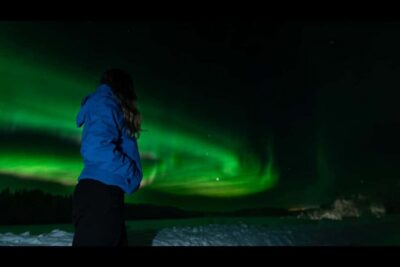
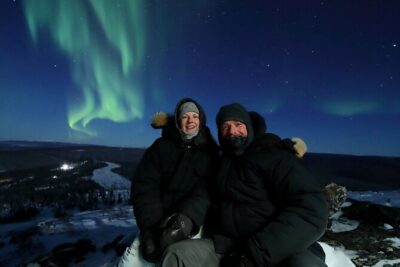
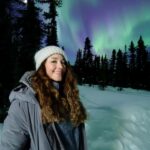
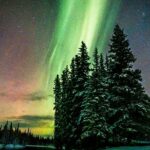
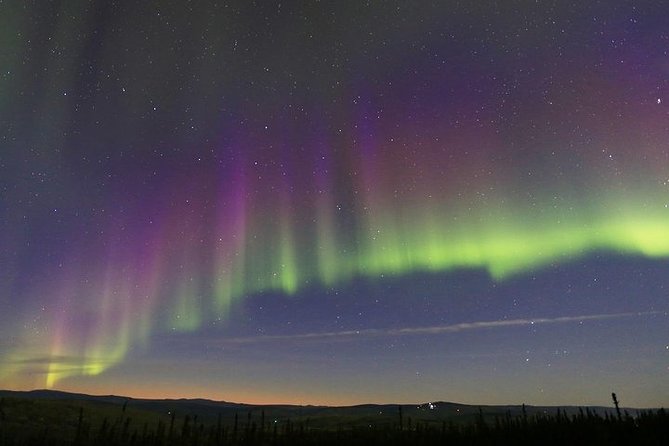
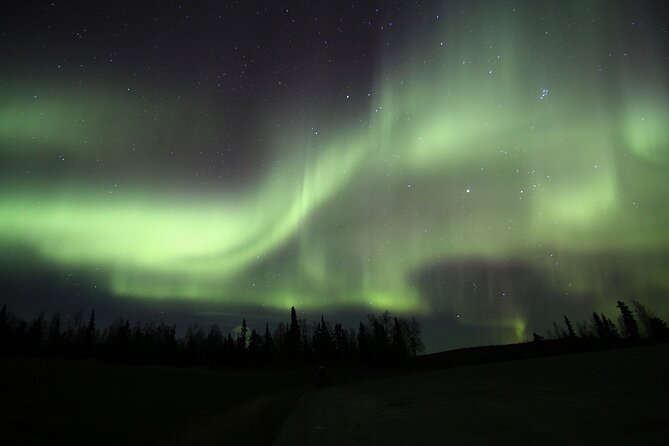
The aurora can feel unreasonably close here. This Northern Lights Murphy Dome outing sends you to a former U.S. Air Force General Surveillance Radar station, then has you hunting the sky with help from an on-site guide.
I like two things a lot. First, you get round-trip hotel transport in Fairbanks, so you’re not stressing about the late-night drive. Second, the stop comes with warm hot cocoa, tea, and coffee, which makes the wait much easier when the temperature drops fast.
One thing to weigh: Murphy Dome is busy, and lots of headlights moving in and out can add light pollution right when you want dark skies.
In This Review
- Quick Hits Before You Go
- Murphy Dome’s Air Force Radar Site: Why This Spot Works
- Pickup, Timing, and What a 10:00 pm Start Changes
- The Drive and Van Reality in Fairbanks Cold
- Viewing Time at Murphy Dome: Crowds, Headlights, and Light Pollution
- The Guide’s Role: Aurora Science, Radar History, and Photo Help
- Warm Drinks and the No-Frills Setup at the Radar Site
- Price and Value Check: Is $120 Worth It?
- Who This Northern Lights Murphy Dome Tour Fits Best
- Should You Book Murphy Dome at $120?
- FAQ
- What time does the Murphy Dome Northern Lights tour start?
- How long is the tour?
- Is hotel pickup and drop-off included?
- What drinks are included?
- What language is the tour offered in?
- How many people are in the group?
- Is the aurora ever guaranteed?
- What happens if the tour is canceled due to weather?
- What is the cancellation policy if I change my mind?
Quick Hits Before You Go
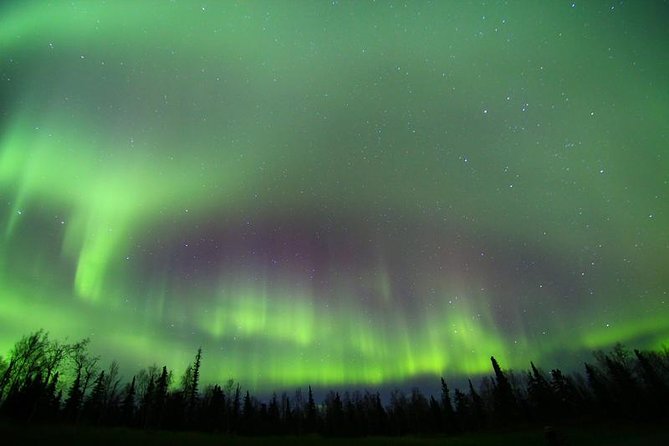
- Former Air Force radar station viewing spot: part of the fun is the setting and the way guides connect it to aurora science.
- Small group size (max 12): easier listening, fewer people blocking angles, and quicker help with photos.
- 10:00 pm start with hotel pickup: you’re set up for the best odds without navigating alone.
- Warm drinks on board: hot cocoa, tea, and coffee help you stay upright and patient.
- Bring your camera mindset: guides have helped guests dial in settings for better aurora shots.
Murphy Dome’s Air Force Radar Site: Why This Spot Works
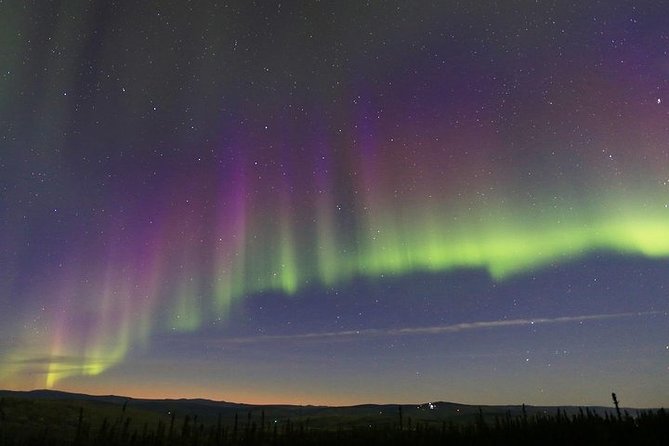
Murphy Dome is one of those Fairbanks places that feels made for northern lights watching. You’re not just standing in the cold—you’re at a former U.S. Air Force General Surveillance Radar site, which gives the night-sky experience a built-in sense of place.
And that matters. The aurora isn’t random chaos; it’s physics happening high above you. On this tour, you get an explanation of what you’re seeing and why it can show up when it does. Even if you’re not a science person, it helps you look with purpose instead of wandering around hoping for magic.
Another big reason this site is popular: it’s elevated, so you’re aiming your eyes at a wider slice of sky. In cold-weather viewing, that simple “where do I point?” question is worth a lot.
You can also read our reviews of more tours and experiences in Fairbanks.
Pickup, Timing, and What a 10:00 pm Start Changes
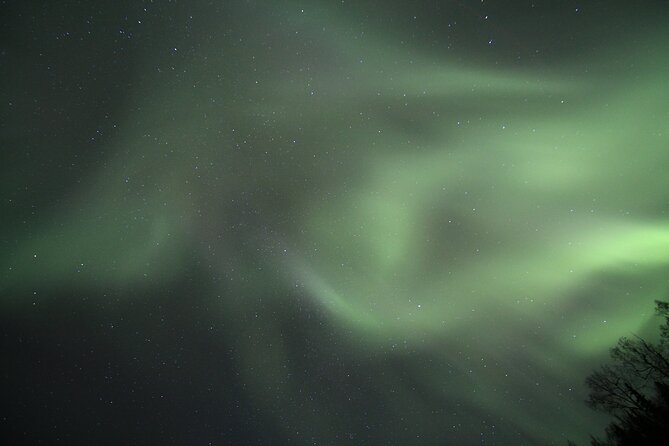
This tour starts at 10:00 pm and runs about five hours total. The late timing is not a gimmick. In Fairbanks, aurora viewing tends to be about finding dark conditions at the right time, and the longer you’re active outdoors, the better you can respond when the sky finally decides to cooperate.
You also get hotel pickup and drop-off from selected major hotels in Fairbanks (not Airbnb or private residences). That’s a practical win: you don’t have to figure out where to park, how to route back in the dark, or whether the road will be messy when you’re tired.
The tour uses a mobile ticket, and you’ll receive confirmation within 48 hours of booking, depending on availability. Since aurora activity can be hit-or-miss, having a clear schedule you can trust makes the night feel more manageable.
The Drive and Van Reality in Fairbanks Cold
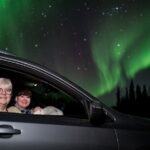
Expect a van ride—no heated lodge, no long slide into comfort. You’ll spend time in the vehicle, and you’ll also step out to see clearly. One review note that matches the reality of aurora viewing: when condensation freezes on windows, it can block your best view from inside. So yes, you may need to get out, even when you’d rather stay seated.
The good news is that the transport is there for a reason. Multiple accounts mention a heated van experience, which helps you warm up between quick photo attempts and longer viewing breaks. Still, vehicles can vary. Some people loved the comfort; one person said the van felt old and not very comfortable, and another described a too-aggressive ride back.
My practical takeaway: dress for real cold, not “Alaska cold-ish.” Bring layers you can move in, warm gloves you can still operate with, and socks that won’t get damp. The tour can keep you warm while you’re moving, but once you’re outside, it’s you versus the temperature.
Viewing Time at Murphy Dome: Crowds, Headlights, and Light Pollution
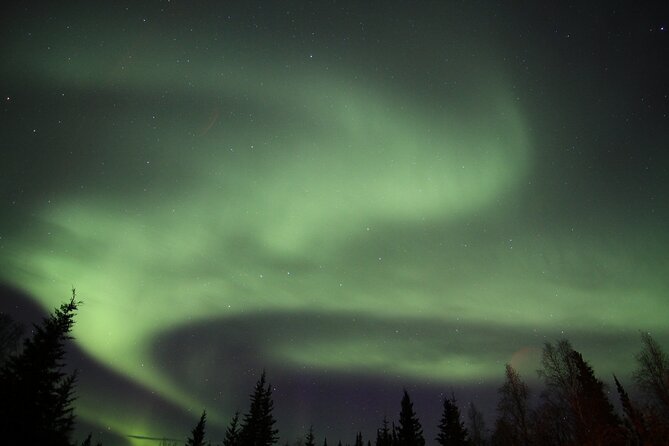
Here’s the trade-off of a top viewing location: Murphy Dome can be crowded. The viewing area is open and can offer strong visibility of the sky, and that’s why it’s popular. But popularity brings consequences—lots of cars arriving, people coming and going, and headlights sweeping across the scene.
If aurora viewing is your goal, light pollution from headlights is the enemy. It can mute the experience, and it can make aurora photography harder, especially for faint displays. One review put it bluntly: the busy parking lot feel and car-light activity can interfere with the darkness you want.
So what should you do with that? Arrive ready to be flexible. If the lights come out early, you may get interrupted by traffic movement. If the lights are faint, you’ll want to use those moments when the area is calm and your view is clean.
The Guide’s Role: Aurora Science, Radar History, and Photo Help
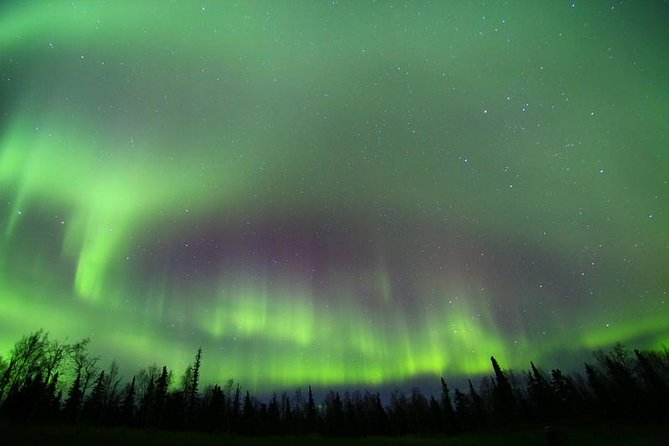
A big reason people like this tour is the guide. The level of activity varies by person, but the consistent theme is help that turns the aurora from a vague glow into something you can actually track.
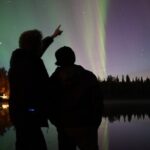
Many accounts mention guides teaching guests how to look—not just where to stand. Some guides explained aurora basics and local context, including folklore and how to read the sky for better odds. Others went straight into photography support. For example:
- Joseph provided a lot of practical aurora guidance and helped make the viewing successful.
- Joe helped guests with where to look and when to look, and also shared folklore and timing insights.
- Steve (Aurora Steve and Christie were named together) helped guests fine-tune camera settings so they captured strong photos.
- Dave coached aurora photography techniques and timing for the best shots.
- Ed was described as very informative and supportive with warm hot chocolate on a cold night.
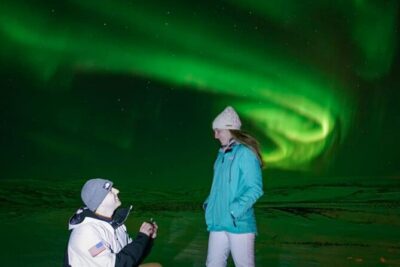
- Brooke helped guests with both aurora viewing and photography, and even supported a memorable moment like an engagement for the right photo.
- Cassie helped guests with camera use so they could get better aurora results than they expected.
Even if your aurora display is modest, that kind of hands-on support can make a huge difference. The night doesn’t feel like a pay-to-wait experience—it feels like you’re learning how to “see” the aurora, not just watch it.
Warm Drinks and the No-Frills Setup at the Radar Site
Let’s talk comfort, because it affects whether you enjoy the tour or just endure it. You get warm beverages: hot cocoa, tea, and coffee. That’s not just a nice detail. It helps you keep your core temperature stable during periods when the lights aren’t active yet.
But this is still a cold-outdoors outing. One review specifically noted there were no snacks available and that the site lacks bathroom facilities. Another pointed out the lack of on-site amenities beyond the vehicle and the viewing spot.
So plan like it’s a winter night in the open air. Bring what you need before you leave your hotel. If you think you’ll be out longer than you expect, pack accordingly (layering, hand warmers, and a thermos if you have one—though the tour already includes warm drinks, it can still help if you’re very cold-sensitive).
Price and Value Check: Is $120 Worth It?
At $120 per person for about five hours, this isn’t the cheapest way to try for auroras. Some people felt it was overpriced because they compared it to a public-area drive and a crowded parking lot you could theoretically reach on your own. Others felt it was absolutely worth it because the guide and transport reduced stress and improved their odds and photos.
Here’s how I’d judge value fairly:
- You’re paying for hotel pickup/drop-off, which is real effort and time saved. In the dark, with cold conditions, that matters.
- You’re paying for the guide’s aurora and location knowledge, especially if you want photography help or you don’t know how to read the sky.
- You’re paying for warm drinks that make waiting more comfortable.
- You’re also paying for the fact that you’re going to a spot that can be crowded—so your experience depends on crowd flow and sky conditions.
If your mindset is, I want the best night I can get without driving and without figuring out how to photograph auroras, then the price can make sense. If your mindset is, I can do this alone and I’m mostly paying for a seat, then you may feel the cost more sharply.
Who This Northern Lights Murphy Dome Tour Fits Best
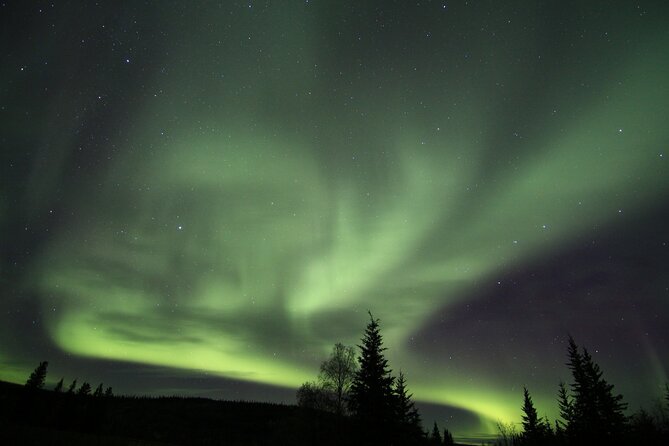
This tour makes the most sense if you want:
- A guided plan without renting a vehicle or doing late-night navigation.
- A small group setting (max 12) where you can ask questions and get photo tips.
- Warm drinks so you can focus on the sky, not your discomfort.
- A radar-site viewpoint with an explanation of what’s happening overhead.
It also says most travelers can participate, which is good news if you’re in decent physical shape for cold weather. If you’re very uncomfortable in cold temps or you need frequent indoor restroom access, you’ll likely want to compare options with more facilities. And if you’re an experienced aurora hunter who already knows how to manage light pollution, you might find the crowded nature frustrating.
Should You Book Murphy Dome at $120?
I’d book it if you fall into one of these groups:
- You’re new to Fairbanks aurora viewing and want help focusing your eyes and your camera.
- You value pickup/drop-off enough to pay rather than drive yourself late at night.
- You want warm drinks and a guided experience in a small group.
I’d think twice if:
- You hate crowds and don’t want to deal with headlights and parking-lot bustle.
- You’re expecting a cozy lodge or full amenities on site—this is more of a cold viewing stop with a vehicle base.
- You want a guaranteed aurora. You can’t get that anywhere. The tour can work hard to find the right conditions, but nature decides the final result.
Bottom line: if you treat it as an organized, guided aurora hunt at a known viewing point—and you dress for cold reality—it’s a solid Fairbanks value. If you’re hoping for a quiet, private stargazing bubble, Murphy Dome’s popularity may annoy you.
FAQ
What time does the Murphy Dome Northern Lights tour start?
The start time is 10:00 pm.
How long is the tour?
It runs about 5 hours (approx.) total.
Is hotel pickup and drop-off included?
Yes. Round-trip hotel transport is included from selected major hotels in Fairbanks. Pickup is not available from Airbnb or private residences.
What drinks are included?
You’ll be provided warm beverages including hot cocoa, tea, and coffee.
What language is the tour offered in?
The tour is offered in English.
How many people are in the group?
The tour has a maximum of 12 travelers.
Is the aurora ever guaranteed?
No. The aurora is a natural occurrence, and it cannot be guaranteed.
What happens if the tour is canceled due to weather?
If it’s canceled due to poor weather, you’ll be offered a different date or a full refund.
What is the cancellation policy if I change my mind?
This experience is non-refundable and cannot be changed for any reason.