REVIEW · FAIRBANKS
From Fairbanks: Arctic Circle Northern Lights Full-Day Trip
Book on GetYourGuide →Operated by 1st Alaska Tours · Bookable on GetYourGuide
Cross the Arctic Circle and chase the lights. This one-day Fairbanks trip turns a long drive into a stacked checklist: you’ll hit the Arctic Circle at 66.5622° and take part in the crossing moment that comes with a Cross the Circle-Certificate. I like how the day balances big, famous Alaska sights with small, do-this-now stops you can actually remember.
What really makes the experience click is the human part: the guides who keep the ride moving, share stories, and help you work the cold for photos. Guides like Paul and Ash are repeatedly praised for making safety feel solid, feeding you well, and pushing for great aurora viewing spots.
The main drawback is also the reality of the north: it’s a long, cold, sometimes rough drive, and the lights are never guaranteed. If the aurora stays hidden behind weather, you’re still doing an epic road trip—but you won’t get a lights refund.
In This Review
- Key things to know before you go
- A once-a-day route that actually stacks Alaska’s best stops
- The schedule: when the day feels long (and why that matters)
- Hotel pickup and the reality of who gets picked up
- Arctic Circle crossing at 66.5622°: the moment you came for
- The Trans-Alaska Pipeline stop: why you should care about 800 miles of steel
- Yukon River base camp and Finger Mountain: food, breaks, and wildlife odds
- Northern Lights hunting: how your odds improve with multiple stops
- Where discomfort can sneak in: cold vans, rough roads, and long nights
- Price and value: why $320 can be fair for what you get
- What to bring (so you’re not miserable at the Arctic Circle)
- Who should book this tour, and who should skip it
- Should you book this Arctic Circle Northern Lights day trip?
- FAQ
- How long is the Arctic Circle Northern Lights full-day trip?
- What time does the tour start?
- Where is pickup available?
- Do I get a certificate for crossing the Arctic Circle?
- Are the Northern Lights guaranteed?
- What food and drinks are included?
- Is there a live guide and is the tour in English?
- What ID do I need to bring?
Key things to know before you go
- Crossing the Arctic Circle (66.5622°) gets you a real certificate and the kind of photo moment you’ll want to plan your camera for.
- Trans-Alaska Pipeline views plus clear explanations make the pipeline stop more than a quick roadside glance.
- Yukon River base camp time pairs cold-air scenery with sandwiches, sweets, and hot drinks.
- Finger Mountain wildlife odds add a wild card stop where moose, foxes, bears, and even lynx can show up if you’re lucky.
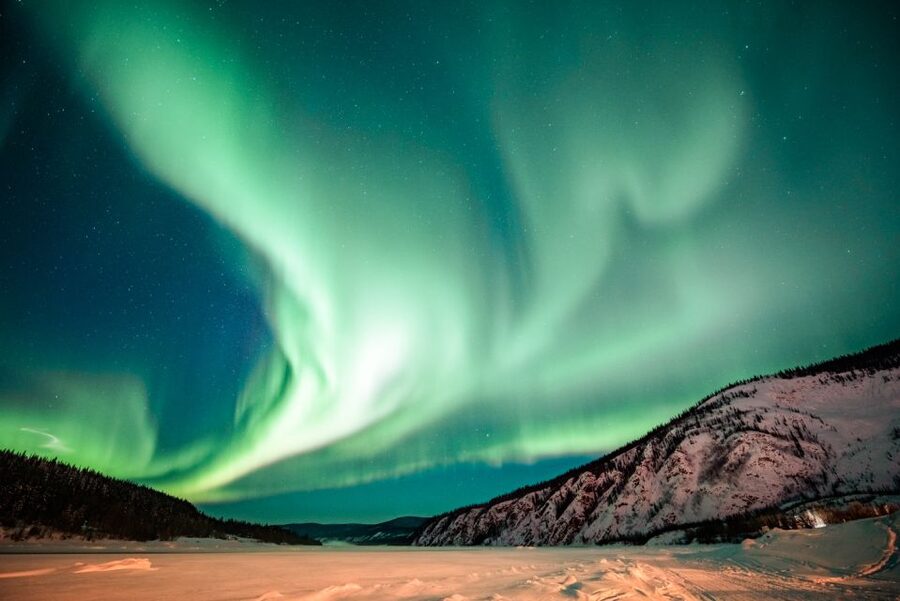
- Aurora hunting is a process with multiple viewing attempts, not one quick look through the dark.
A once-a-day route that actually stacks Alaska’s best stops
This tour is built like a big road adventure, but it doesn’t feel like a random scramble. You start in Fairbanks mid-afternoon, then you work your way farther north until the day turns into an overnight aurora hunt. Along the way, you’re not just passing scenery—you’re stopping for meaning: a literal line north of the equator, a huge engineering feat, and the Yukon’s wide-open river edge.
The best part for me is the pacing. You get enough daytime to understand what you’re seeing—pipeline and river country—then you switch gears into night driving and light-spotting. And because you’re traveling in a group with a live guide, you don’t have to guess where to stand when the sky starts cooperating.
You can also read our reviews of more tours and experiences in Fairbanks.
The schedule: when the day feels long (and why that matters)
It’s listed as a 14-hour experience, starting in the early afternoon with hotel pickup. In real life, that means you’re likely to be driving well past midnight and returning to Fairbanks in the very early morning. Multiple guides manage the long stretch with constant commentary and frequent stops, so the trip doesn’t feel like one endless highway stare.
Two timing points matter for your expectations:
- You’ll do the Arctic Circle photo moment in late evening or night. That’s part of the drama, but it also means it’s cold.
- Your aurora chances are based on repeated attempts. You’re typically stopping more than once to look up, not just snapping one photo and calling it.
If you’re the type who gets antsy on long car rides, this can still work—especially if you layer properly and treat the trip like a slow hike in bus form.
Hotel pickup and the reality of who gets picked up
Pickup is included from major hotels in Fairbanks within city limits. If you’re staying in an AirBnB or a private residence outside that pickup zone, pickup isn’t available.
This sounds minor, but it affects the whole experience. A smooth pickup means you’re not losing time (or freezing) while you figure out meeting points. It also usually keeps the group size consistent so the driver can focus on the route and the night stops.
Arctic Circle crossing at 66.5622°: the moment you came for
Your first big milestone is crossing the Arctic Circle at 66.5622° north. You’ll have a photo stop at the line, and you’ll receive your Cross the Circle-Certificate.
This is more than a souvenir stop. Standing at the Arctic Circle gives you a real, measurable sense of how far north you’ve traveled. And since the crossing is part of the tour structure, you’re not worrying about finding the right spot alone in the dark.
Practical note: you’ll want to be ready for cold hands and slower movement around this stop. If your fingers don’t work well with camera controls, bring a way to keep your hands warm between photos.
The Trans-Alaska Pipeline stop: why you should care about 800 miles of steel
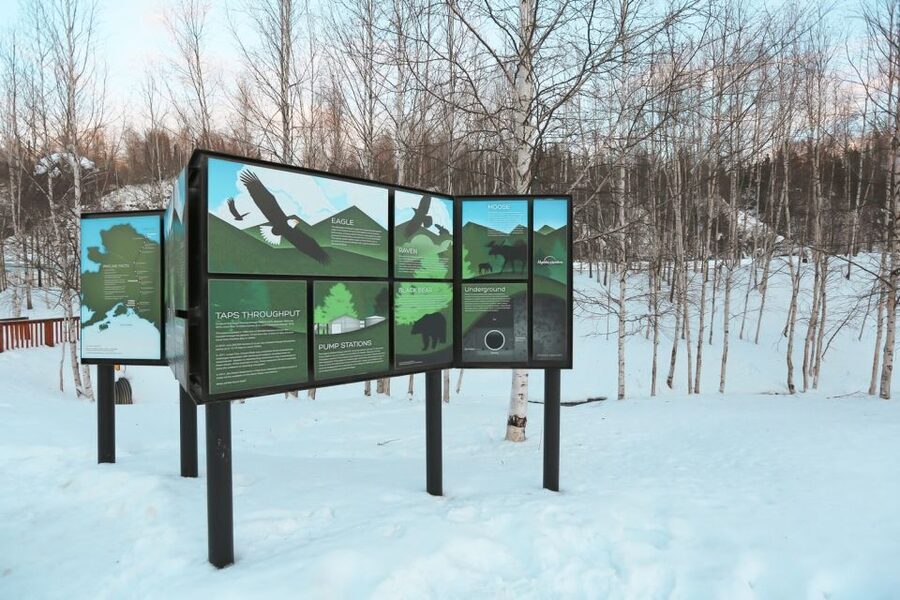
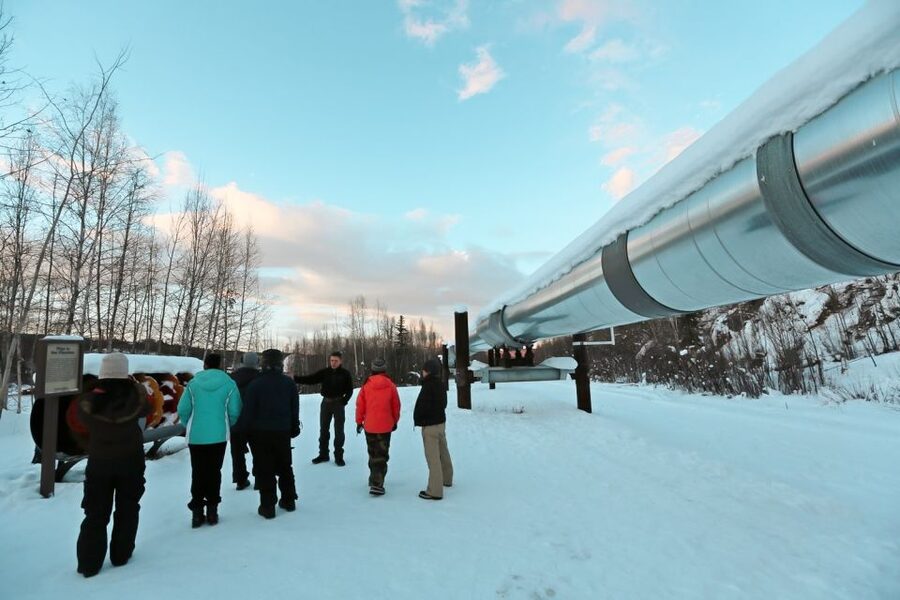
One of the smartest parts of this tour is the pipeline stop. You’ll see the Trans-Alaska Pipeline spreading across a massive stretch—over 800 miles (1,287 km)—and you’ll learn how it was built and what its impact has been on the region.
It’s described as a privately owned crude oil pipeline, associated with Alyeska Pipeline Service Company, which helps make the stop feel more grounded than just a photo opportunity. When the guide talks through how the pipeline had to function across remote terrain, the views start making sense.
I’d treat this stop like a short classroom outside. If you pay attention for even a few minutes, you’ll get more out of the stop than you would by simply staring at steel from the roadside.
Yukon River base camp and Finger Mountain: food, breaks, and wildlife odds
After the pipeline, you head toward the Yukon River. You’ll walk up near the river edge and take in the open-country views.
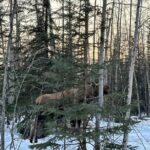
Then you move to the Finger Mountain high plateau. This is where the tour leans into Alaska’s wildlife possibilities. The plan is to look for animals like moose, foxes, bears, and possibly a lynx.
You also get a real comfort break up there: sandwiches, sweets, and hot drinks. That matters because the north punishes poor timing. Hungry and cold makes everything harder—photos, staying alert, and just being cheerful when you’d rather curl up and wait for dawn.
Two things to plan in your mind:
- If you don’t spot wildlife, the stop still has value because it’s a chance to stand in real northern terrain.
- If you do spot wildlife, you’ll want patience. The tour is structured to keep you moving, but animal sightings can’t be scheduled like a show.
Northern Lights hunting: how your odds improve with multiple stops
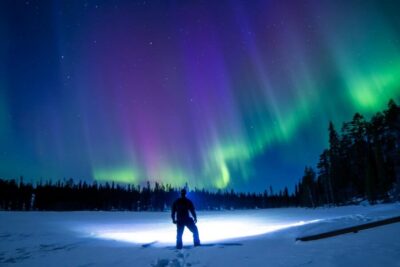
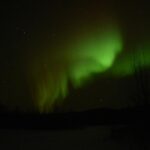
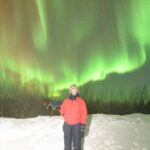
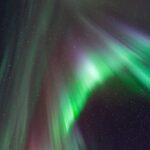
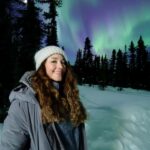
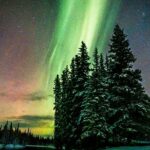
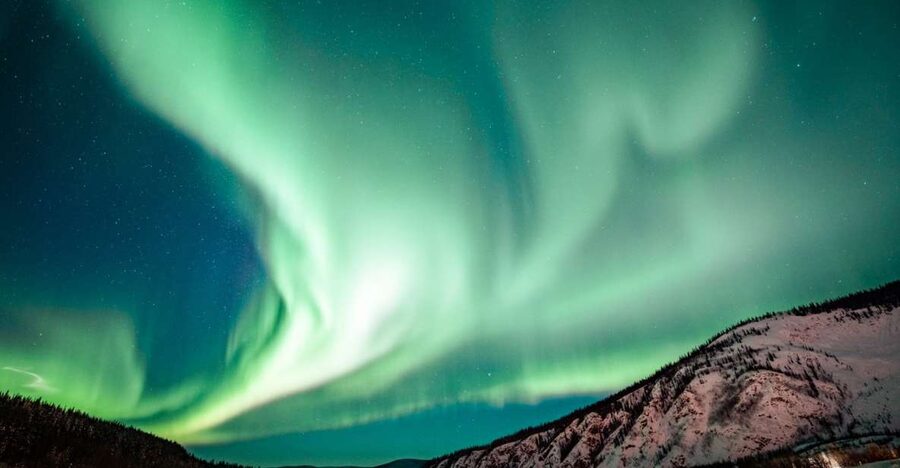
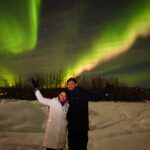
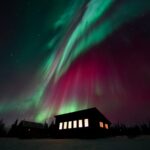
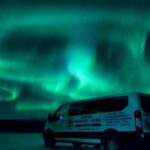
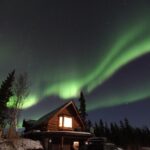
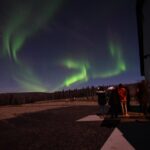
Northern Lights are never guaranteed, and this tour is upfront about that. The aurora is a natural light display caused by energetic charged particles interacting with atoms high in the atmosphere. On a good night, it can be bright enough to do more than just glow.
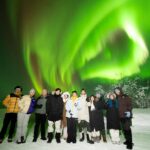
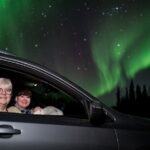
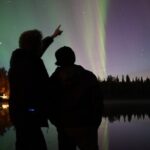
What I like about this tour approach is that it doesn’t treat aurora viewing as one moment. You’ll drive through the night and stop to look up, often more than once, while your guide tries to find darker, clearer spots.
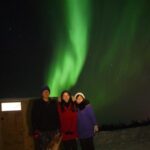
Guides are also involved in getting you set up for photos. Many guests specifically praise guides—such as Paul, Ash, Colleen, Elijah, Ryan, Jake, and Kirk—for helping with aurora picture timing and pointing out when conditions improve.
If you’re coming with a strong photo goal, this is the main thing to remember: aurora photos depend on patience and positioning. When the sky changes, you want to be ready to move and shoot.
Where discomfort can sneak in: cold vans, rough roads, and long nights
This is a winter-season style experience in an environment that doesn’t care about your schedule. Even on days when the weather isn’t great, the route still runs.
A few discomfort themes show up in real experiences:
- The ride can be very cold, especially if the vehicle insulation isn’t great.
- Roads can be rough, with gravel and potholes.
- You’ll be dressed for outdoors much of the time, then back in the vehicle, then back outdoors again.
Here’s the best way to think about it: treat the tour like a long outdoor workout, not a comfy bus excursion. Layer for cold, plan for wind, and be ready for restroom stops that may not match what you’re used to at home.
Price and value: why $320 can be fair for what you get
At $320 per person for about 14 hours, you’re paying for a full-day, long-distance logistics job: hotel pickup, a live English guide, two major roadside milestones (Arctic Circle crossing plus pipeline views), food, and guided aurora searching.
What you get that helps justify the price:
- Pickup and drop-off from major Fairbanks hotels (not from private residences).
- Meals and hot drinks during the day segment and snack support along the way.
- Aurora certificate plus the Arctic Circle crossing certificate.
- Someone driving the long route and managing the night viewing strategy.
Where value can feel tricky:
- The aurora itself is not guaranteed. If the sky stays cloudy or foggy, you’ll still have the Arctic Circle and pipeline parts, but you may feel like you paid mostly for a lights hunt that didn’t fully land.
My advice is simple: if your top goal is Northern Lights only, you might get frustrated. If your goal is a true north road trip with real highlights even without the lights, the value tends to feel more balanced.
What to bring (so you’re not miserable at the Arctic Circle)
You’ll need a passport or ID card.
Beyond that, dress like you expect to be outside for photos at cold, night conditions. Some guests have mentioned windows frosting over and needing serious layering to stay warm. If your plan is to wear just one bulky coat and hope for the best, rethink it.
A good baseline mindset:
- Bring layered insulation you can add or remove.
- Use warm outer gloves that still let you operate a camera or phone.
- Keep hand warmers and extra socks if you’re prone to getting cold.
- Bring a head covering that works with a hood.
If you’re also sensitive to car cold, plan on warming up in layers between stops. It’s an overnight-style environment, not a short drive.
Who should book this tour, and who should skip it
This tour fits best if you want:
- A one-day Arctic Circle experience without planning a complicated self-drive trip.
- A guided route that includes the pipeline and Yukon River area, not just a single aurora look.
- Flexibility with the fact that aurora viewing depends on sky conditions.
It’s not suitable for children under 5. The tour is long, cold, and schedule-driven around night stops.
If you hate long drives, or you get stressed by cold and rough roads, you’ll still enjoy the scenery sometimes—but you may not love the overall feel. In that case, you might prefer a shorter, more comfortable aurora option.
Should you book this Arctic Circle Northern Lights day trip?
I’d book it if you want a big Alaska checklist in one package: Arctic Circle crossing, Trans-Alaska Pipeline understanding, Yukon River time, and guided aurora hunting with multiple viewing attempts. The guides—often people like Paul and Ash—are a major part of the experience, especially when it comes to safety and keeping the group moving without turning the trip into chaos.
I’d think twice if your only reason for coming is a guaranteed aurora photo. This is a hunt, not a promise. If you’re okay treating the lights as icing on a very real road-trip cake, you’re in the right place.
FAQ
How long is the Arctic Circle Northern Lights full-day trip?
The tour is listed as a 14-hour experience.
What time does the tour start?
Pickup happens in the early afternoon (the tour info says 1 PM, and schedules can vary by availability).
Where is pickup available?
Pickup is included from major hotels in Fairbanks within city limits. Pickup is not available from Airbnbs or private residences.
Do I get a certificate for crossing the Arctic Circle?
Yes. You receive your Arctic Circle crossing certificate (the Cross the Circle-Certificate).
Are the Northern Lights guaranteed?
No. The Northern Lights are a natural phenomenon and cannot be guaranteed. There is no refund if the lights are not spotted.
What food and drinks are included?
The tour includes sandwiches and sweets, plus hot drinks.
Is there a live guide and is the tour in English?
Yes. A live tour guide is provided, and the tour is in English.
What ID do I need to bring?
Bring a passport or an ID card.