REVIEW · FAIRBANKS
Northern Lights and Chena Hot Springs Night Tour from Fairbanks
Book on Viator →Operated by 1st Alaska Outdoor School · Bookable on Viator
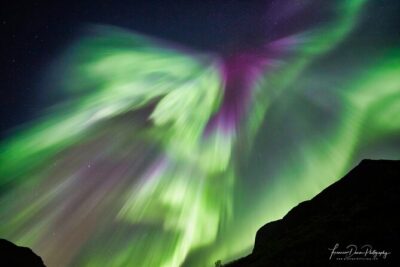
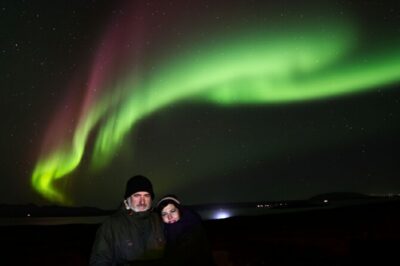
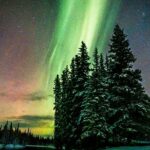
The aurora night starts with a long wait. This Northern Lights and Chena Hot Springs tour is interesting because you get guided stops plus warm hot-springs time while you watch for the sky show. I like that the evening is built around real conditions up north, not just a promise.
Two things I really like: you’re picked up with hotel transport (so you can skip driving on icy roads), and the night includes a guided walk-through of the Fairbanks Ice Museum style experience at Chena. One consideration: there’s no guarantee you’ll see the aurora—weather can squash your chances, even when the plan is good.
In This Review
- Quick hits for planning your Chena and Aurora night
- Driving 60 miles out for a late-night aurora gamble
- Price and what you actually get for $240 per person
- Fairbanks pickup at 5:00pm: what to expect before the cold hits
- Chena Hot Springs: ice museum tour first, then warm water
- The aurora waiting plan: midnight watch and possible road stops
- What to pack for Chena’s night and a 2:00am departure
- Ice museum, dining, and the realism of resort crowds
- Who this tour suits best (and who might skip it)
- Should you book the Northern Lights and Chena tour?
- FAQ
- What time does the tour start?
- How long is the tour?
- Does the tour include hotel pickup?
- What’s the minimum age for this tour?
- Can kids use the outdoor rock lake pool?
- Is dinner included?
- Is the Northern Lights viewing guaranteed?
Quick hits for planning your Chena and Aurora night
- Small group (max 12) means less chaos when you’re trying to organize gear, tickets, and meeting spots.
- Guided Ice Museum timing gives you something fun before the long aurora wait.
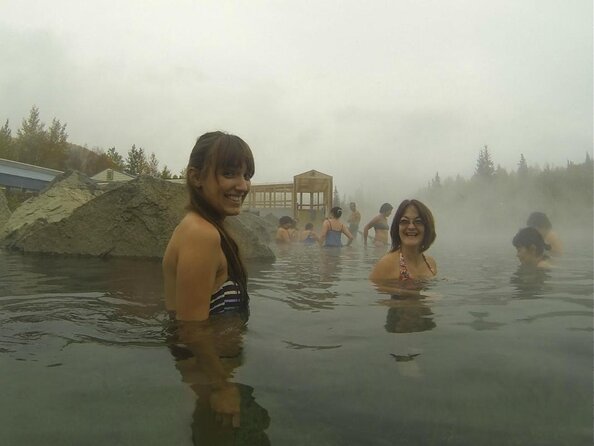
- Hot springs options (including outdoor rock lake, adults 18+) let you relax even if the sky is slow.
- Midnight-to-early-morning aurora watch is where the work happens, and you’ll need real patience.
- Guides may reposition when aurora activity improves, but the sky controls the outcome.
- Dinner isn’t included, so plan food timing so you’re not stuck hungry during a cold stretch.
Driving 60 miles out for a late-night aurora gamble
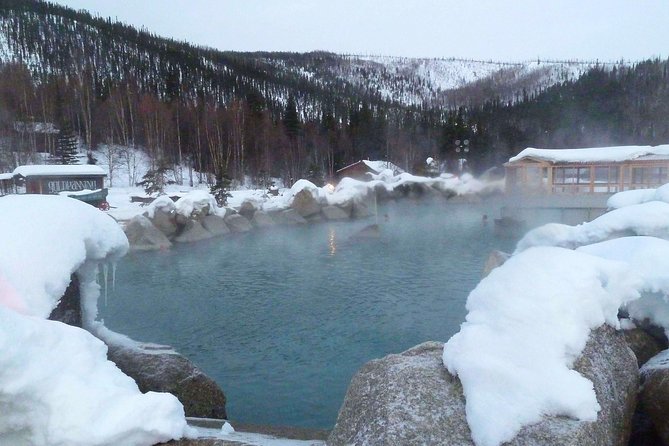
This tour is built for one thing: increasing your odds of seeing the aurora without having to rent a car or second-guess winter driving. You leave Fairbanks around 5:00pm, drive about an hour-plus (roughly 60 miles), and arrive at Chena Hot Springs around 6:45pm.
From there, the evening splits into two modes: daytime-ish activities (ice museum tour, soaking) and night-mode aurora watching (waiting outdoors and/or in viewing areas). The practical value is that you’re not just standing around in the cold with nothing to do until the sky finally cooperates.
The itinerary pacing also matters. You’re guided through the ice museum around 7:00pm, then you shift to hot springs time around 8:00pm. That timing is smart because it’s easier to enjoy yourself while it’s still bright enough to explore, and then you can save your best aurora patience for later.
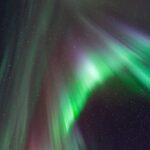
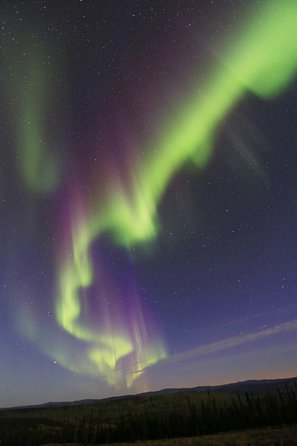
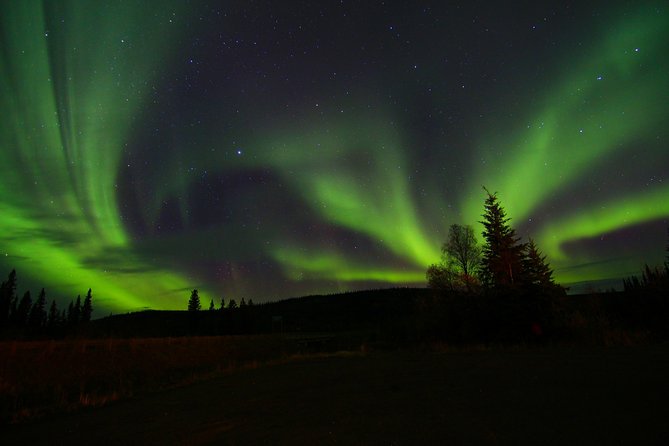
One more thing: aurora viewing is weather dependent. If it’s cloudy, snowy, or rainy, even a perfect plan can turn into a “great hot springs night” instead of a lights show. The tour specifically warns that aurora is never guaranteed—so treat the aurora as the bonus, not the foundation.
You can also read our reviews of more tours and experiences in Fairbanks.
Price and what you actually get for $240 per person
At $240 per person for about 10.5 hours, this isn’t a budget outing. The value isn’t just the drive. You’re paying for four things working together:
- Pickup and drop-off from selected major Fairbanks hotels (not Airbnb/private residences).
- Live commentary from your driver/guide during the ride.
- A guided ice museum portion at Chena.
- A structured schedule that keeps you in the right place for the aurora window (with time built in for waiting).
Still, you’ll want to budget smart. Dinner isn’t included, and you can also purchase alcoholic drinks on site. The hot springs experience is part of the program, but some people report needing to understand exactly what parts of the resort are covered by their admission. So if you’re the type who hates surprise costs, do a quick check with the operator before you go.
Is it worth it if you have a rental car? Maybe, but only if you value not driving at night and not figuring out where to stand when the sky improves. If you’re going car-free, this tour’s price starts to make more sense fast, because transport and timing are the hard parts.
Also note the rules of commitment: it’s listed as non-refundable and can’t be changed. That matters because aurora nights can end up being a weather story, not a lights story.
Fairbanks pickup at 5:00pm: what to expect before the cold hits
The meet-up starts with a 5:00pm departure. Pickup is from major hotels in Fairbanks only, not from Airbnb or private residences, and if you’re not staying at one of those hotels you’ll need to contact the company for the meeting point.
Inside the van, the experience tends to vary by guide, but the common thread is that you get a guided ride instead of a silent transfer. The ride commentary shows up in many accounts: guides cover local wildlife and Alaska facts, and some guides actively watch the aurora forecast during the evening.
The drive itself is part of the experience—one reason people like the tour over self-driving is that your guide can explain what you’re seeing while you’re bouncing along on winter roads. Of course, winter means you should come ready for bumps and cold air. If you’re in the back seats, plan for a bit less comfort during the ride.
Finally, remember that this is a late-night schedule. You’ll be back in Fairbanks around 4:00am, so it’s worth planning your day earlier. Eat a normal dinner at a normal time if you can, or be ready to handle a long on-site stretch without a provided meal.
Chena Hot Springs: ice museum tour first, then warm water
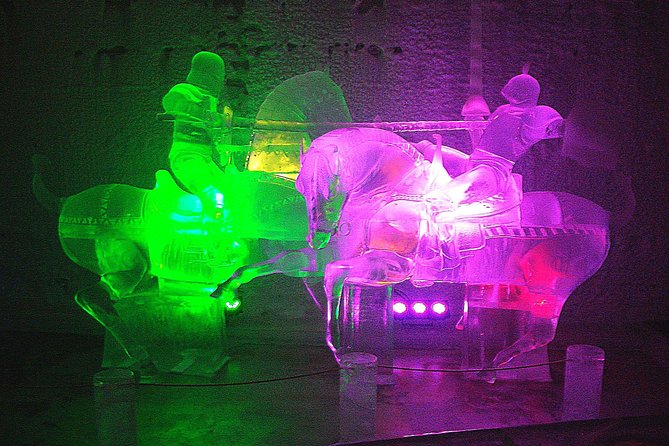
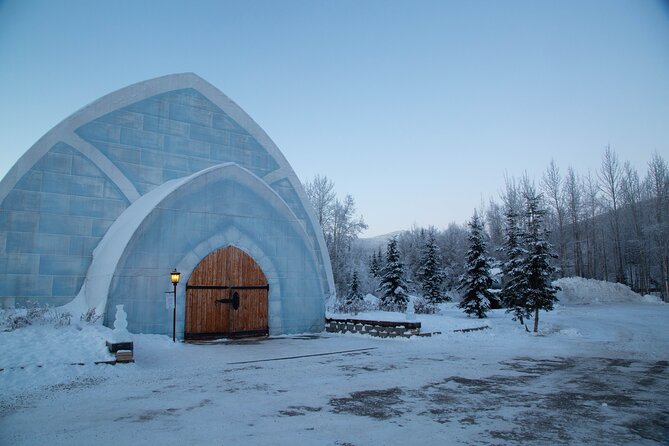
When you arrive at Chena around 6:45pm, the first main activity is the guided Ice Museum with a scheduled start around 7:00pm. That hour gives you something visual and playful while your energy is still high and your fingers aren’t already numb.
A practical note from real-world experience: the ice museum can feel busy. One downside mentioned is that ice exhibits may appear less intact depending on the season, and crowds can make it harder to move at your own pace. Still, people keep calling it fun, and it’s a good “default win” for the night—because it’s an attraction you can enjoy regardless of the sky.
Then comes the part that makes the whole tour feel worth it even when the lights are shy: the hot springs soak. The schedule places hot springs time around 8:00pm, and you can choose between the outdoor rock lake (with an age requirement) or an indoor pool.
Here’s the rule to remember:
- Rock lake pool is 18+ only.
If you’re traveling with teens or a mixed-age group, your best option is the indoor pool or other permitted soak areas.
Also: hot springs are warm, but they’re not necessarily “aurora-friendly.” Steam and mist from the water can make it harder to watch the sky from the soak itself. In other words, plan to enjoy the warmth first, then switch your aurora focus to outside viewing.
One real caution from an older trip: someone criticized the pool changing area cleanliness. That’s not guaranteed, but if you’re sensitive about locker-room conditions, pack accordingly and be ready for rustic resort facilities.
The aurora waiting plan: midnight watch and possible road stops
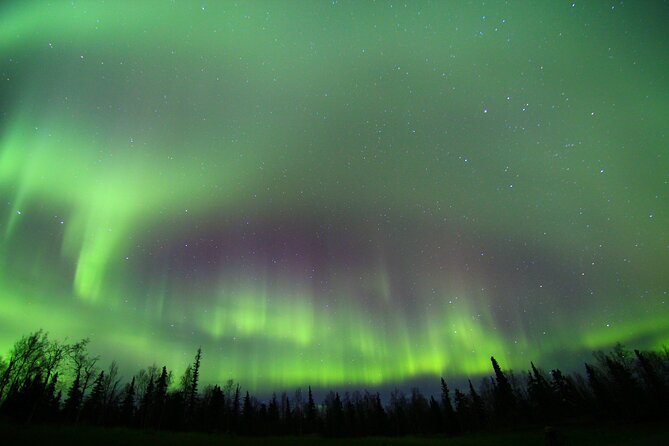
The heart of the trip is the waiting. Your schedule includes a dedicated aurora watch starting around 12:00am, and you’re not leaving right away—you’ll depart later, around 2:00am, arriving back in Fairbanks around 4:00am.
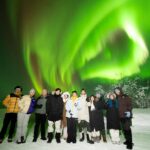
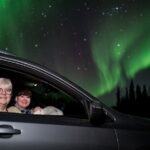
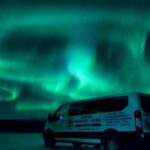
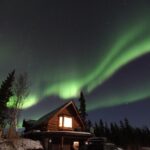
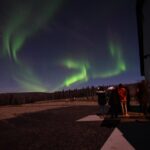
If you’re wondering what that means on the ground: you’ll spend time outdoors and/or in indoor waiting/viewing areas while you watch for lights. This is where the “tour” part can matter more than you’d think. Guides who know what they’re doing often stay alert to aurora conditions and can reposition the group when activity increases.
Several guides in past outings were praised for exactly this: checking aurora forecasts, helping people with camera setups, and even making stops along the highway when the aurora was active. Some nights still end cloudy or snowy, so don’t treat these skills as a guarantee. But it’s a good sign when the guides are actively working the problem, not just dropping you off and vanishing.
Also, if you get stressed during long waits, you’ll want to manage expectations. The aurora can appear quickly, fade, then return. That’s why you’re built a multi-hour window.
If it helps your brain: bring the same mindset you’d use for winter hiking. You’re layering up, finding your “spot,” and staying patient. Your best aurora chance is often when the sky clears and your eyes have time to adjust.
What to pack for Chena’s night and a 2:00am departure
You’ll be outside enough that clothes matter. Plan for the cold the way you would for a winter sport. Reviews repeatedly point out that it can be the coldest part of the trip—especially during the wait. You’ll want:
- Warm layers (not just one heavy coat)
- Hat and gloves
- Hand warmers (cheap and useful)
- Winter socks and boots you trust on icy ground
- A small bag you can access quickly for camera/phone
For hot springs, add:
- Swimwear under warm layers
- A towel if you hate dealing with rental options (one review recommended bringing your own)
- Shower shoes or flip-flops for moving through locker areas barefoot or on wet floors
If you plan to photograph the aurora, don’t overthink expensive gear. One practical tip shared: you can capture decent aurora using a phone with a manual-camera app and settings like ISO/adjustments (a tripod helps a lot, but you can still get memories without it). Also remember: your phone battery will drain faster in cold weather, so keep it warm in a pocket when possible.
Finally, plan your comfort for a late return. Your day ends around 4:00am, so pack snacks if you think you’ll need them. Since dinner isn’t included, hunger can become a distraction during the aurora wait.
Ice museum, dining, and the realism of resort crowds
Chena has a full resort setup, but the tour doesn’t provide dinner. That means you’ll either eat on your own timing through the resort restaurant or handle food before/after the program window.
What you can expect is that meal logistics can take time. One account mentioned long waits and an overcrowded restaurant environment, and the best advice there was simple: if you want dinner, put your name in early the moment you arrive. In a schedule like this, “later” can mean “hours later.”
Is the food good? Some diners reported the restaurant food was excellent once they got seated. But the wait and crowd management can frustrate people who want a smooth, predictable evening.
So if you’re easily thrown off by delays, think of dinner as a plan that might not go perfectly. The tour experience still has strong anchors: the ice museum and hot springs are worth doing even without a perfect aurora night.
Who this tour suits best (and who might skip it)
This is a strong fit if:
- You’re staying in Fairbanks and want hotel pickup/drop-off without nighttime driving.
- You want a structured evening: ice museum, soak, then aurora time.
- You like a small group (max 12) where timing feels easier to manage.
- You’re okay with “nature rules” (aurora is never guaranteed).
It’s less ideal if:
- You’re tightly budgeting and hate paying for transport plus activities when you could self-drive and buy entrance tickets separately.
- You’re allergic to uncertainty. If you truly need the aurora for the main event, no tour can promise it.
- You expect a full-service guide experience at the resort. Some reports distinguish between a driver doing the driving vs. a guide acting like a resort host after drop-off. If you need constant help on-site, you should clarify what’s included before you book.
If you’re traveling with adults who want a relaxing warm stop and photos, this tour can feel like a perfect pairing: hot springs comfort plus sky-chasing energy.
Should you book the Northern Lights and Chena tour?
I’d book it if you want convenience, a guided sequence, and a “win either way” schedule. Even on nights when the lights are faint or invisible, you still get a guided ice museum portion and hot springs soak—both are solid, time-based activities you can enjoy regardless of cloud cover.
I’d think twice if you’re expecting guaranteed aurora or a perfectly smooth resort dinner. Weather can shut down the aurora. Meal timing can be slow. And some resort areas (like changing spaces) may feel more rustic than you’d hope.
My final decision rule is simple:
- If you value not driving, want guided structure, and you can handle the aurora being a bonus, this tour makes a lot of sense.
- If you’re already comfortable driving winter roads and want maximum control over timing and spending, you might prefer a self-planned trip to Chena.
FAQ
What time does the tour start?
Pickup and departure are scheduled for 5:00pm from Fairbanks, with return to Fairbanks around 4:00am.
How long is the tour?
The tour runs for about 10 hours 30 minutes (approx.).
Does the tour include hotel pickup?
Yes. Hotel transport is included from selected major Fairbanks hotels. Pickup is not from Airbnb or private residences.
What’s the minimum age for this tour?
The minimum age is 5 years old.
Can kids use the outdoor rock lake pool?
No. The Chena rock lake pool is only for age 18 and older.
Is dinner included?
No. Dinner is not included (and you can buy alcoholic drinks on site).
Is the Northern Lights viewing guaranteed?
No. The aurora is a natural occurrence, and it cannot be guaranteed.